What Does Deadstock Mean In Shoes: A Simple Guide
Introduction
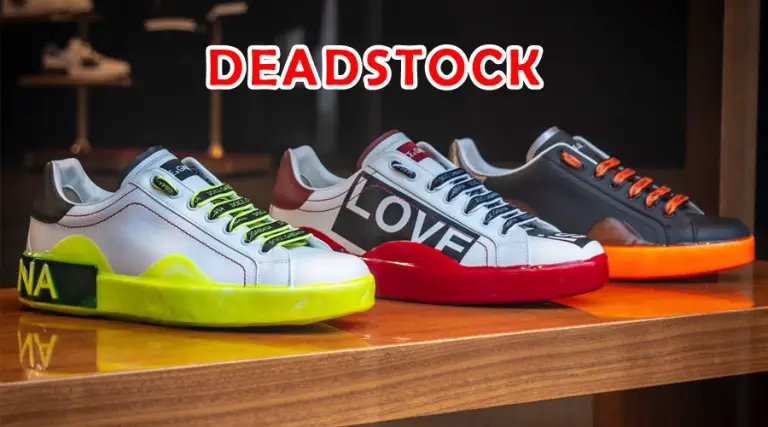
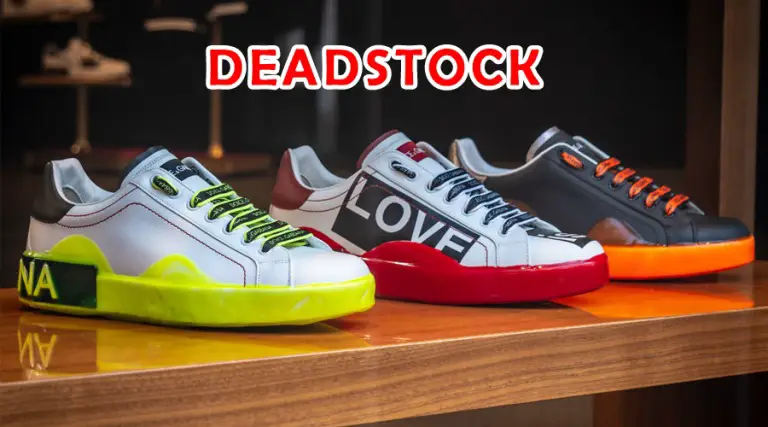
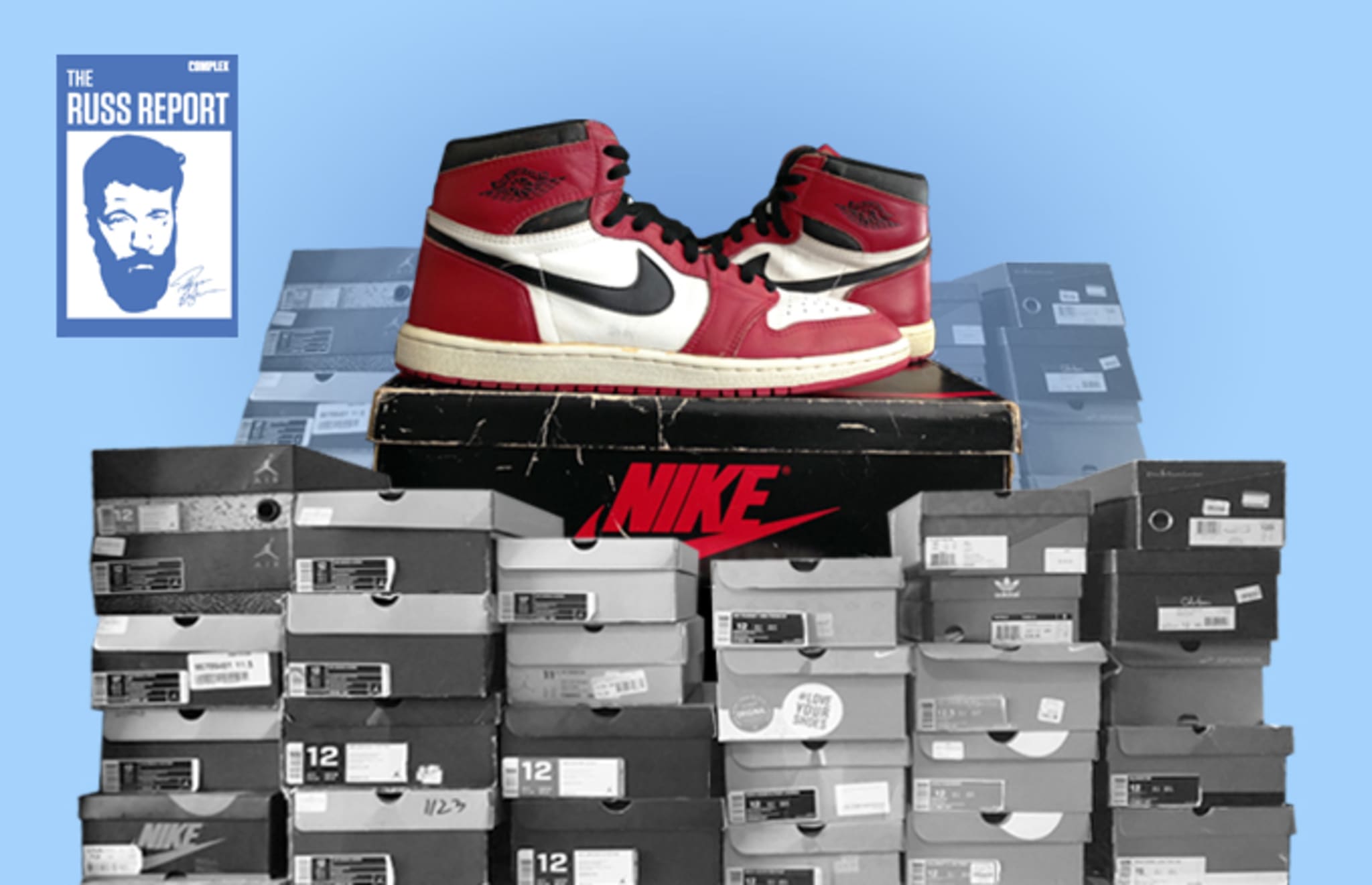
In the United States, deadstock shoes usually means a pair that has never been worn and is in new, original condition. In sneaker resale, the term often includes the original box, laces, tags, and other items that came with the shoes.
The phrase can also mean old inventory that a store never sold. That is why “deadstock” does not always mean that a shoe is rare, vintage, or valuable. The exact meaning depends on the seller, marketplace, and type of shoe.
Before you buy, check the listing details. A deadstock pair may be unworn but still have age-related damage, factory flaws, a damaged box, or a condition label that differs from the platform’s rules.

What Does Deadstock Mean in Shoes?
Deadstock means the shoes have not been worn and are being sold in their original, unused condition. In most U.S. sneaker markets, buyers also expect the pair to include its original packaging.
The term is common in:
- Sneaker resale
- Limited-edition footwear
- Vintage shoe collecting
- Streetwear marketplaces
- Athletic shoe sales
- Retail closeout and liquidation sales
A seller may write “DS” instead of “deadstock.” Both terms usually point to an unworn pair.
However, deadstock is not a universal legal condition grade. It is a market term. One seller may use it only for shoes with the original box. Another may call a pair deadstock if it is unworn, even if the box is missing.
What deadstock usually includes
A deadstock pair often has:
- No signs of wear on the outsole
- Clean, unused insoles
- Original laces
- Original tags or wrapping
- The correct shoe box
- No visible dirt from outdoor use
- No changes made by the owner
Some pairs may have been tried on indoors. Many buyers still accept this as deadstock if the shoes show no signs of wear. Others may describe them as “tried on” or “new without box” instead.
Does deadstock mean rare?
No. Deadstock describes condition, not rarity.
A common running shoe from last season can be deadstock if it was never worn. A rare basketball shoe can be used and no longer deadstock. Scarcity, demand, age, colorway, and condition are separate factors.
A useful way to think about it is this:
“Deadstock” tells you what happened to the shoes. It does not tell you how much the shoes are worth.
Why Is the Term “Deadstock” Confusing?
The term is confusing because it has more than one accepted use. In retail, “dead stock” may mean inventory that remains unsold. In sneaker culture, “deadstock” usually means unworn shoes.
Dead stock as unsold inventory
A shoe store may have dead stock when it still holds old or discontinued merchandise. The shoes may be new, but the store may no longer sell them through normal retail channels.
This kind of inventory can include:
- Last-season shoes
- Discontinued colors
- Overordered sizes
- Store returns
- Warehouse leftovers
- Closeout merchandise
The shoes may be new in the box, but their age can affect their condition.
Deadstock as an unworn sneaker
Collectors use “deadstock” to describe shoes that have not been worn. This use became especially common with limited sneakers and older releases.
In this context, deadstock often suggests:
- The outsole has not touched the ground
- The upper has not been creased through use
- The original accessories are still present
- The shoes have not been altered
Still, the term is informal. A buyer should read the full listing instead of relying on the label alone.
Why some sellers avoid “deadstock”
Some marketplaces now use clearer terms such as:
- New
- Brand new
- New in box
- New without box
- Tried on
- Pre-owned
- Used
These labels reduce confusion. They also help separate the shoe’s condition from its age or resale value.
If a seller uses “deadstock” but does not show the box, soles, insoles, and size tag, ask for more information before paying.

Deadstock vs. New, Used, VNDS, and Other Shoe Terms
Deadstock is only one condition label. The table below shows how it usually compares with related terms in the U.S. resale market.
| Term | Usual meaning | Main concern |
|---|---|---|
| Deadstock or DS | Unworn, often with original packaging | Meaning varies by seller |
| Brand new | Never worn and in new condition | May not include the original box |
| New with box | Unworn with the original shoe box | Box condition may vary |
| New without box | Unworn but missing the original box | Packaging and collector value may be lower |
| Tried on | Worn briefly indoors or for fit | May have light creasing or sole marks |
| VNDS | “Very near deadstock”; lightly worn | Not truly unworn |
| Pre-owned | Previously owned or worn | Condition can range from excellent to poor |
| Used | Worn outside or showing wear | Requires detailed photos |
| B-grade | Factory pair with a noted flaw or defect | May have a special box mark or lower grade |
| Sample or prototype | Made for testing, display, or promotion | May differ from the retail release |
What does VNDS mean?
VNDS means “very near deadstock.” It usually describes shoes that were worn once or only a few times and still look almost new.
VNDS is not the same as deadstock. Small signs can include:
- Light outsole dust
- Minor creasing
- Slight wear on the heel
- Removed tags
- A changed insole
- Missing packaging
Because VNDS is subjective, photos matter more than the label.
What does “new without box” mean?
“New without box” usually means the shoes have not been worn, but the original box is missing or damaged beyond use.
This may matter if you:
- Collect shoes
- Plan to resell them
- Need proof of the original release
- Want the complete retail package
For everyday wear, the missing box may not matter. For a collector, it can reduce value.
Is a B-grade shoe deadstock?
A B-grade shoe may be unworn, but it is not always considered standard deadstock. B-grade pairs often have a factory flaw, cosmetic issue, or quality-control mark.
Examples can include:
- Minor stitching errors
- Uneven paint
- Small marks
- Glue residue
- Slight color differences
The seller should disclose the grade and flaw. Do not assume that unworn means flawless.
How Can You Tell if Shoes Are Truly Deadstock?
You cannot confirm deadstock status from one photo or one word in a listing. Check the shoes, box, accessories, and seller history together.
1. Inspect the outsole
The outsole is one of the best places to look for wear. Check for:
- Dirt in the tread
- Flattened rubber patterns
- Scrapes on the edges
- Pebbles or pavement marks
- Discoloration caused by outdoor use
A clean sole does not prove that the shoes are deadstock. A seller may clean worn shoes. Treat the outsole as one part of the inspection.
2. Check the upper for creasing
Look at the toe box, vamp, and sides of the shoe. Worn shoes may show:
- Toe creases
- Wrinkles near the flex point
- Stretching around the laces
- Fold marks near the ankle
- Deformed padding
Some shoes crease in the box because of age or storage. Creasing alone does not prove outdoor wear.
3. Inspect the insoles and footbeds
The insole can show whether a shoe was worn. Look for:
- Foot-shaped compression
- Sock lint
- Dirt
- Staining
- Fading of printed logos
- Peeling or wear on the top layer
Some sellers replace insoles, so also check whether the insole matches the model.
4. Compare the box and accessories
A complete pair may include:
- The correct box
- Tissue paper
- Extra laces
- Hangtags
- Stickers
- Authenticity cards
- Special packaging
Missing accessories do not automatically mean the shoes are used. They do mean the pair may not meet a collector’s definition of complete deadstock.
5. Check the size and production labels
Look for the label inside each shoe. Compare:
- Size
- Country of manufacture
- Style code
- Color description
- Production dates
- Barcode information
The two shoes should normally match in size and model details. A mismatch is a reason to pause and request more proof.
6. Ask for current photos
Stock photos do not prove the condition of a specific pair. Ask for photos of:
- Both shoes together
- The bottom of each shoe
- The toe boxes
- The insoles
- The inside labels
- The shoe box label
- Any flaws or damage
For an expensive pair, ask the seller to include a note with the current date. This can help show that the photos are recent.
7. Review the return policy
A return policy gives you protection if the pair is not as described. Read the rules before purchase, especially for:
- Final-sale items
- Private marketplace deals
- Authentication disputes
- Damaged packaging
- Size exchanges
- Signs of wear after delivery
Do not send money through a method that removes buyer protection unless you fully accept the risk.
Can Deadstock Shoes Go Bad With Age?
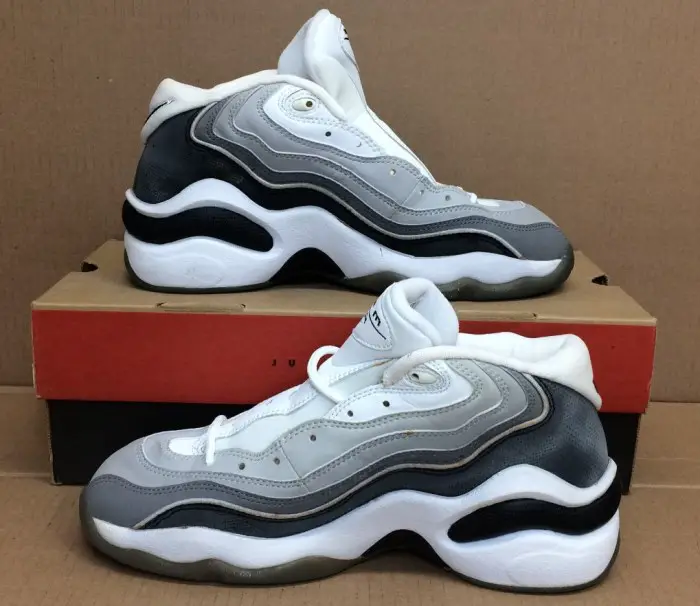
Yes. Unworn shoes can still deteriorate while stored. Deadstock describes use, not perfect preservation.
Shoes contain materials that age over time. Heat, moisture, sunlight, and poor storage can damage rubber, foam, leather, synthetic materials, adhesives, and printed finishes.
Common age-related problems
Older deadstock shoes may develop:
- Yellowing
- Cracked midsoles
- Brittle foam
- Peeling paint
- Hardened rubber
- Weak adhesives
- Mold or mildew
- Leather dryness
- Color fading
- A damaged or crumbling outsole
Some shoes are more vulnerable than others. Foam-based midsoles and certain rubber compounds can become fragile even when the shoes have never touched the ground.
Does wearing deadstock shoes make them crumble?
Not always. Age-related failure depends on the materials, storage conditions, construction, and release date.
A pair may look perfect in photos but fail when bent or worn. This is one reason vintage deadstock shoes can be risky for actual use. A collector may value them as display pieces, while a runner or athlete may need a newer pair for safety and support.
How to store deadstock shoes
For long-term storage: