Are Rocker Running Shoes Good For Walking: The Truth
Yes, rocker running shoes can be good for walking when their shape suits your feet and walking style.
Rocker running shoes have a curved sole that helps your foot move from heel to toe with less effort. As a footwear writer who has reviewed walking mechanics, running shoe design, and comfort features, I know the answer is not simply yes or no. This guide explains when rocker shoes help, when they may feel awkward, and how to choose a safe, comfortable pair.
What Are Rocker Running Shoes?
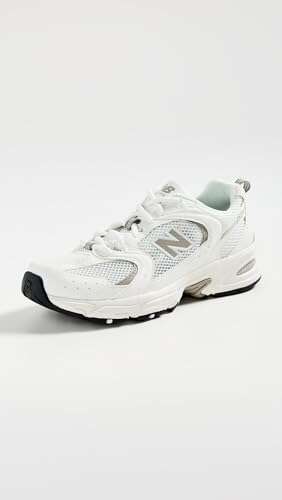
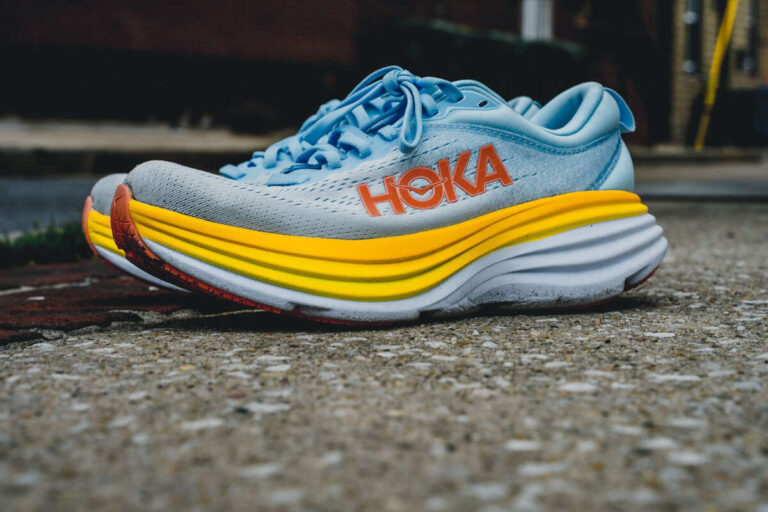
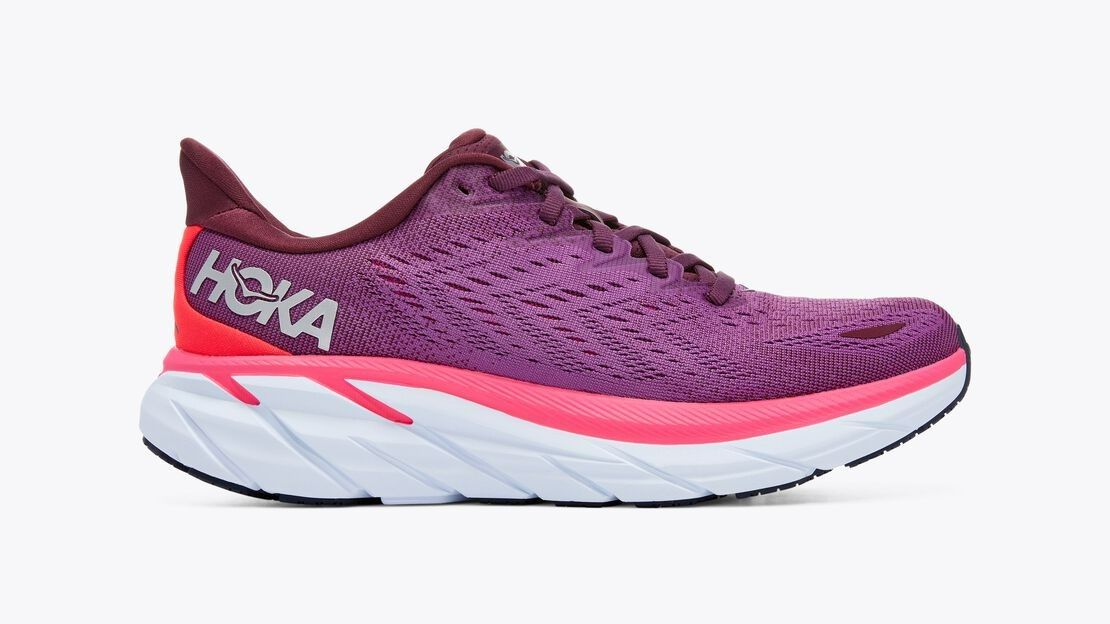
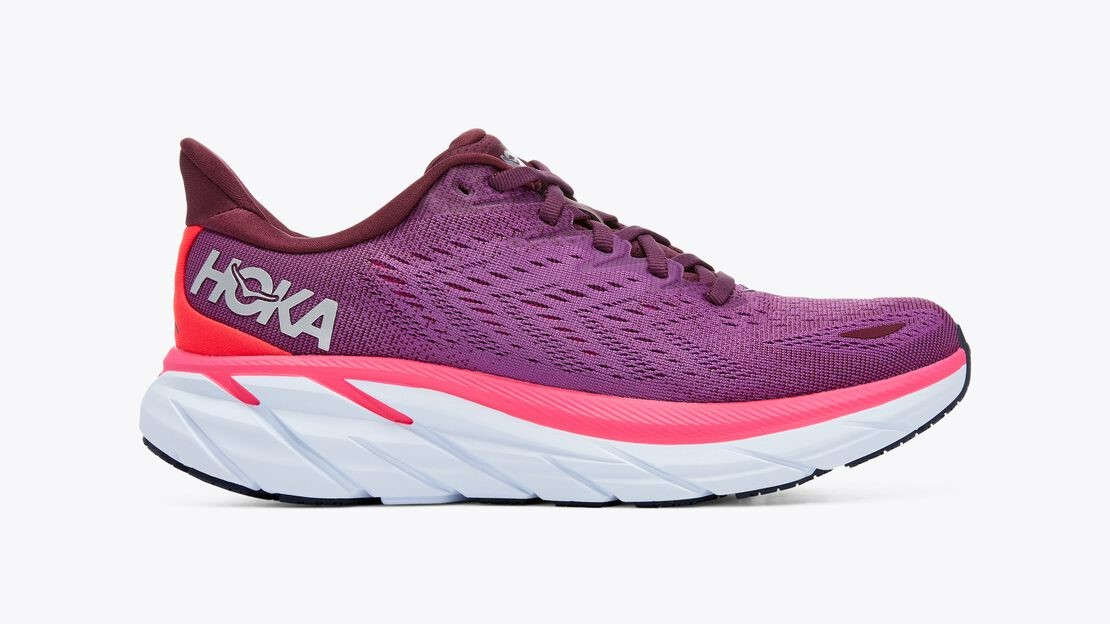
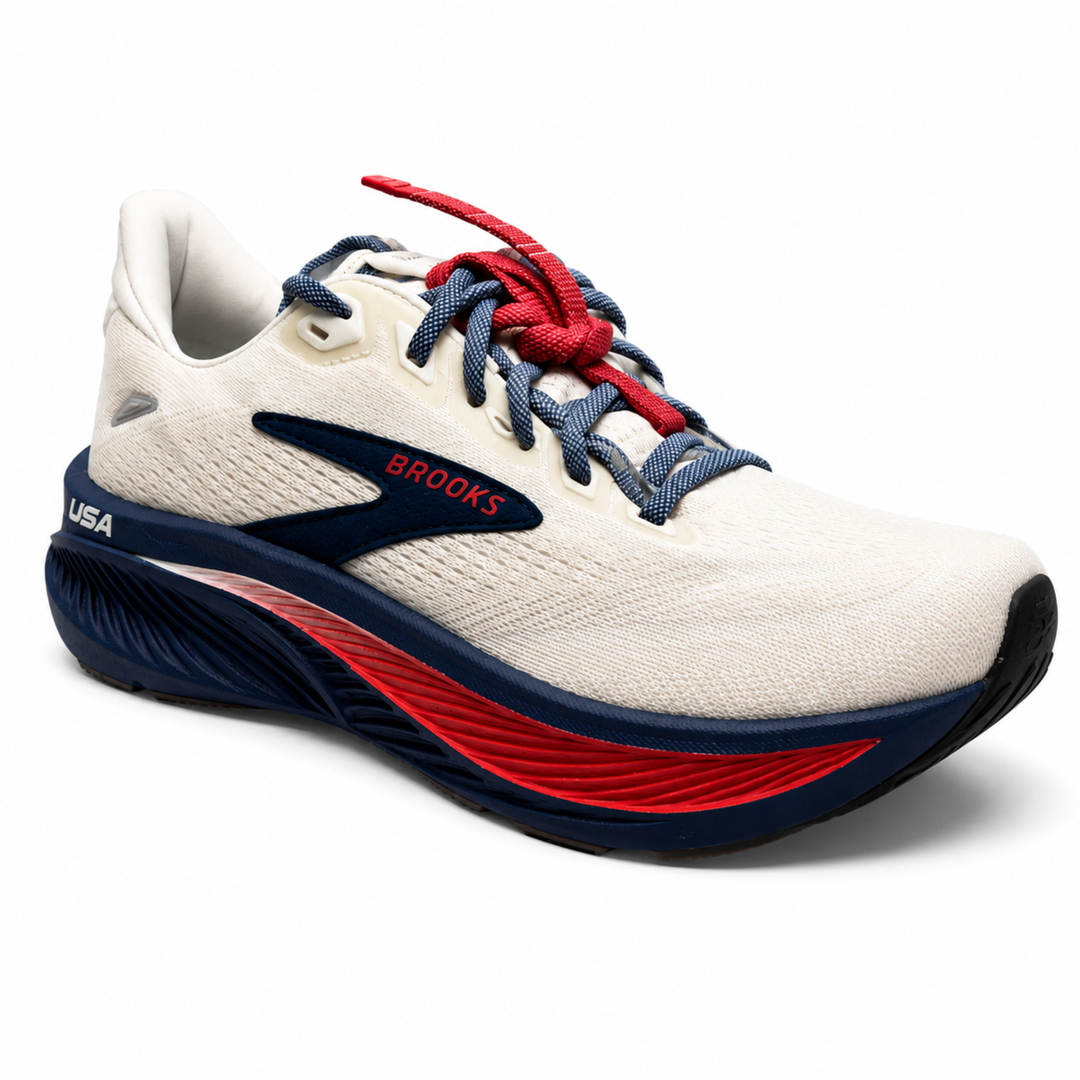
Rocker running shoes have a curved sole. The sole lifts upward at the toe, the heel, or both ends. This shape helps the foot roll forward instead of bending as much at the toes.
Think of the shoe like a rocking chair. It moves forward with a smooth tilt. A normal walking shoe often lets your foot bend near the toes. A rocker shoe reduces that bend and shifts some work to the sole.
Rocker soles are common in:
• Max-cushion running shoes
• Walking shoes for foot comfort
• Shoes for people with stiff toes
• Shoes designed for foot recovery
• Some orthopedic and medical footwear
Not every rocker shoe feels the same. Some have a mild curve that feels natural. Others have a strong curve that creates a noticeable rolling motion.
The shape, foam, heel height, weight, and upper fit all affect comfort. Therefore, a rocker running shoe that feels great to one walker may feel unstable to another.
Are Rocker Running Shoes Good for Walking?
Yes, rocker running shoes can be good for walking, especially when you want smooth transitions, soft cushioning, or less pressure on the front of the foot. Their curved sole can help your body move forward with fewer demands on the toes and forefoot.
However, rocker shoes are not automatically better than standard walking shoes. They work best when the rocker matches your stride and the shoe provides enough stability.
Rocker running shoes may suit you if you:
• Walk for exercise on sidewalks or paved trails
• Spend many hours on your feet
• Prefer soft, cushioned shoes
• Have stiff or sore toes
• Feel pressure under the ball of your foot
• Want to reduce repeated toe bending
• Like a smooth heel-to-toe transition
They may not suit you if you:
• Need strong ground control
• Often walk on uneven trails
• Have poor balance
• Prefer a flexible, flat shoe
• Feel unstable in tall or soft footwear
• Notice pain after changing shoes
The best answer to “are rocker running shoes good for walking” depends on comfort, stability, and your foot’s needs. A shoe should make walking feel easier, not force your stride into a new pattern.
How Rocker Soles Affect Your Walking Stride
A rocker sole changes how your foot meets and leaves the ground. In a typical shoe, the foot rolls from the heel to the midfoot and then bends near the toes. A rocker shoe helps complete this motion through its curved sole.
This design can reduce motion in the toes and forefoot. That may feel helpful for people with joint stiffness or pain in the front of the foot.
Rocker shoes can also change pressure across the foot and lower leg. Some people feel less strain at the toes, while others feel more work in the calves or ankles during the adjustment period.
A 2021 review in the Journal of Foot and Ankle Research found that footwear design can affect pressure, balance, and walking comfort. The results also show why shoe response varies from person to person. A design that reduces pressure in one area may increase it elsewhere.
When testing rocker running shoes, pay attention to three things:
- Does your heel stay secure?
- Do you feel steady during turns?
- Can you walk without gripping the ground with your toes?
If the shoe rolls forward smoothly and feels stable, it may be a good match. If it pushes you forward or makes you wobble, choose a gentler rocker.
Benefits of Rocker Running Shoes for Walking
Rocker running shoes can offer several useful benefits. These benefits depend on the shoe’s design and your individual needs.
Less Toe Bending
A curved sole limits how much the toes must bend during push-off. This can help people with stiff big toes or discomfort near the toe joints.
The benefit is often most noticeable during long walks. Less bending may mean less irritation with each step.
Smooth Heel-to-Toe Movement
The rocker shape can create a smooth transition from landing to push-off. Some walkers describe the feeling as rolling forward rather than pushing off the ground.
This may help when your feet feel tired. It can also make a well-designed shoe feel efficient on flat surfaces.
Soft Cushioning
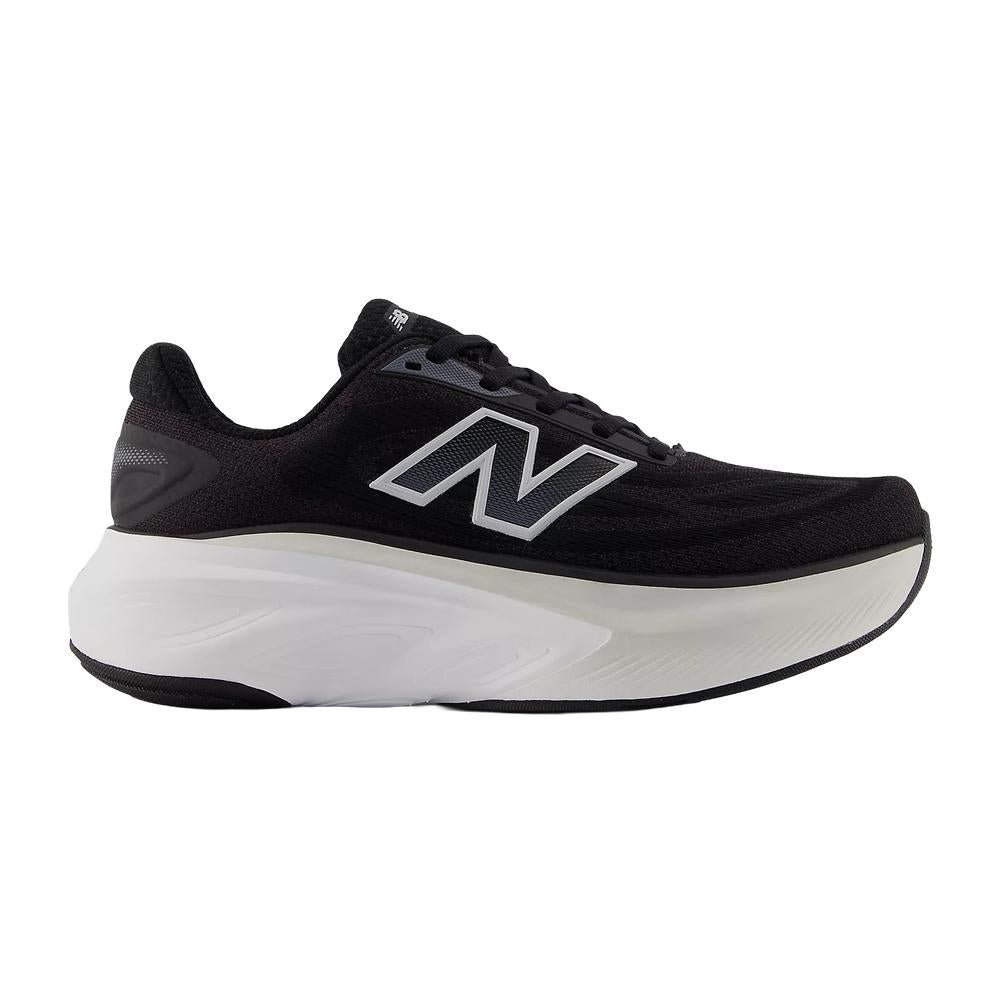
Many rocker running shoes use thick foam. This foam can soften impact on hard surfaces such as concrete, sidewalks, and indoor floors.
Still, more cushioning is not always better. Very soft foam can reduce your sense of control, especially on uneven ground.
Reduced Forefoot Pressure
Some rocker designs shift pressure away from the ball of the foot. This may help walkers who feel burning, soreness, or pressure under the forefoot.
Do not use the shoe to hide ongoing pain. Pain that continues or worsens deserves evaluation by a podiatrist or other qualified health professional.
Helpful for Long Periods on Your Feet
People who work in hospitals, stores, schools, warehouses, or offices may enjoy rocker shoes. The smooth sole and cushioning can feel comfortable during a long shift.
In my experience reviewing footwear patterns, the biggest mistake is choosing a shoe based only on softness. A comfortable first step is useful, but all-day comfort also requires a secure fit and stable base.
Possible Drawbacks of Rocker Running Shoes
Rocker running shoes are not perfect for everyone. Their curved sole can create new challenges, particularly during the first few wears.
Less Stability
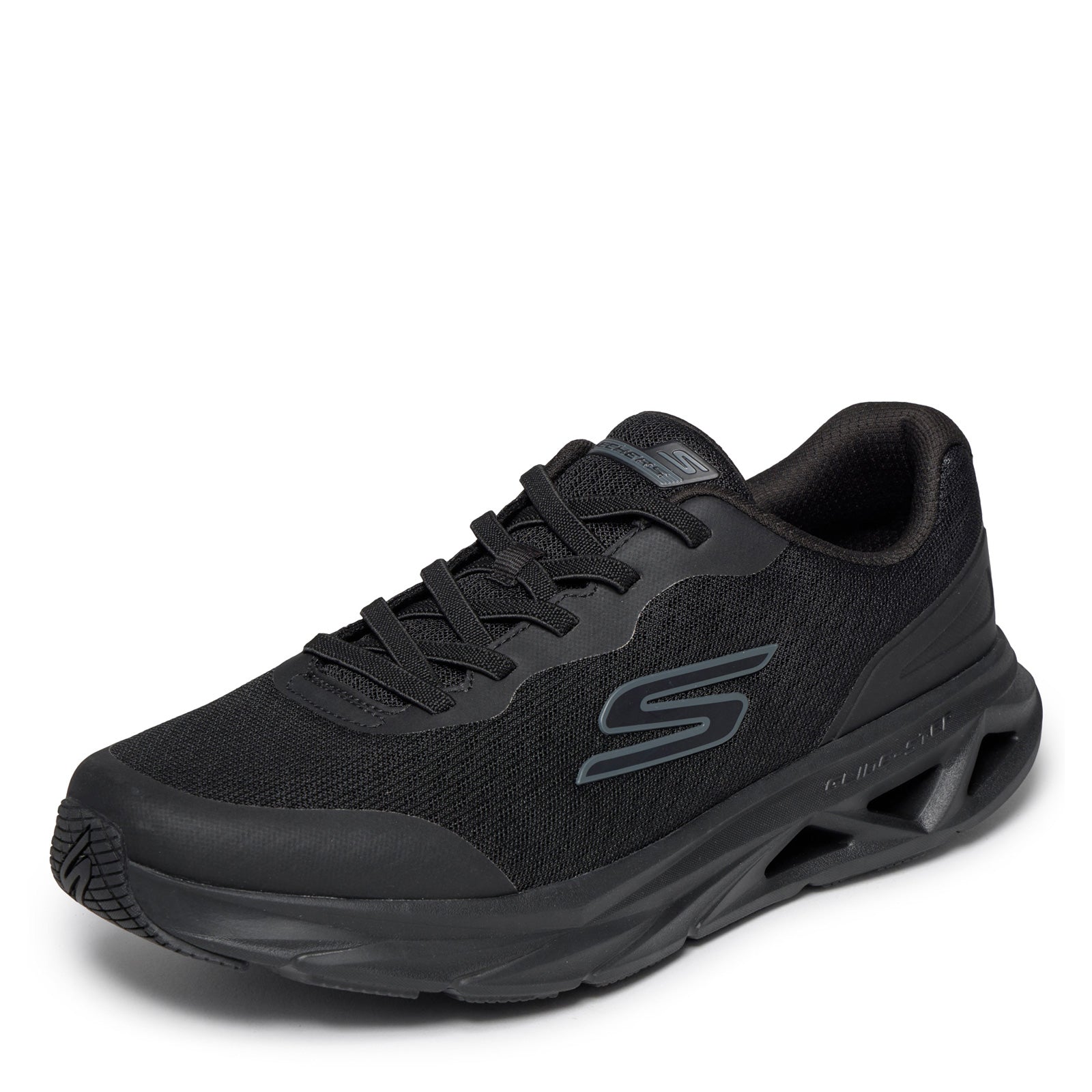
A curved sole may reduce the amount of flat shoe surface touching the ground. This can make the shoe feel less stable when you stand still or turn quickly.
People with balance concerns should be careful. A wide base and firm midsole may be safer than a very curved, soft design.
An Adjustment Period
Your calves, ankles, and feet may work differently in rocker shoes. Start with short walks instead of wearing them for a full day right away.
Try this gradual plan:
• Wear them indoors for 20 to 30 minutes
• Walk on a flat surface for 10 to 15 minutes
• Increase use if your feet feel normal afterward
• Stop if you develop sharp pain, numbness, or swelling
Mild unfamiliar muscle fatigue may improve. Sharp pain is not a normal adjustment sign.
Awkward Movement on Hills
Some rocker soles feel smooth on level ground but less natural on hills. The curved shape may make you feel pushed forward downhill or less secure uphill.
If your walking route includes slopes, test the shoes on a similar surface before buying them.
Poor Performance on Uneven Ground
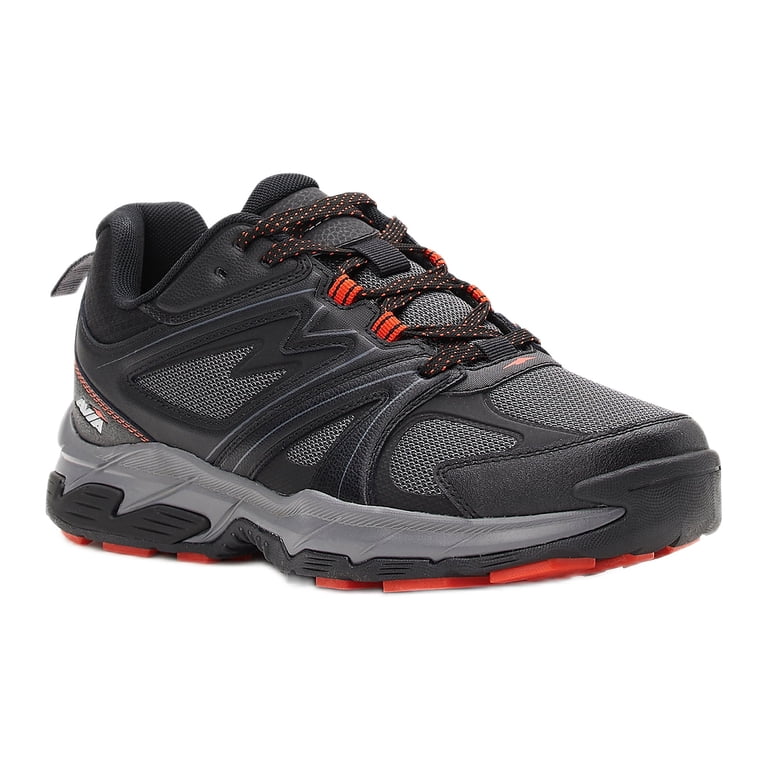
Rocker running shoes often work best on pavement, tracks, treadmills, and smooth floors. Roots, rocks, grass, and loose gravel may expose their stability limits.
For trail walking, look for a walking or trail shoe with a grippy outsole, secure heel, and moderate rocker.
Fit Problems
A rocker sole cannot fix a shoe that is too narrow, too short, or too loose. Your toes need room to spread, while your heel should stay in place.
A poor fit may lead to blisters, toe pressure, arch fatigue, or slipping. Fit should come before the rocker feature.
Who Should Consider Rocker Running Shoes?
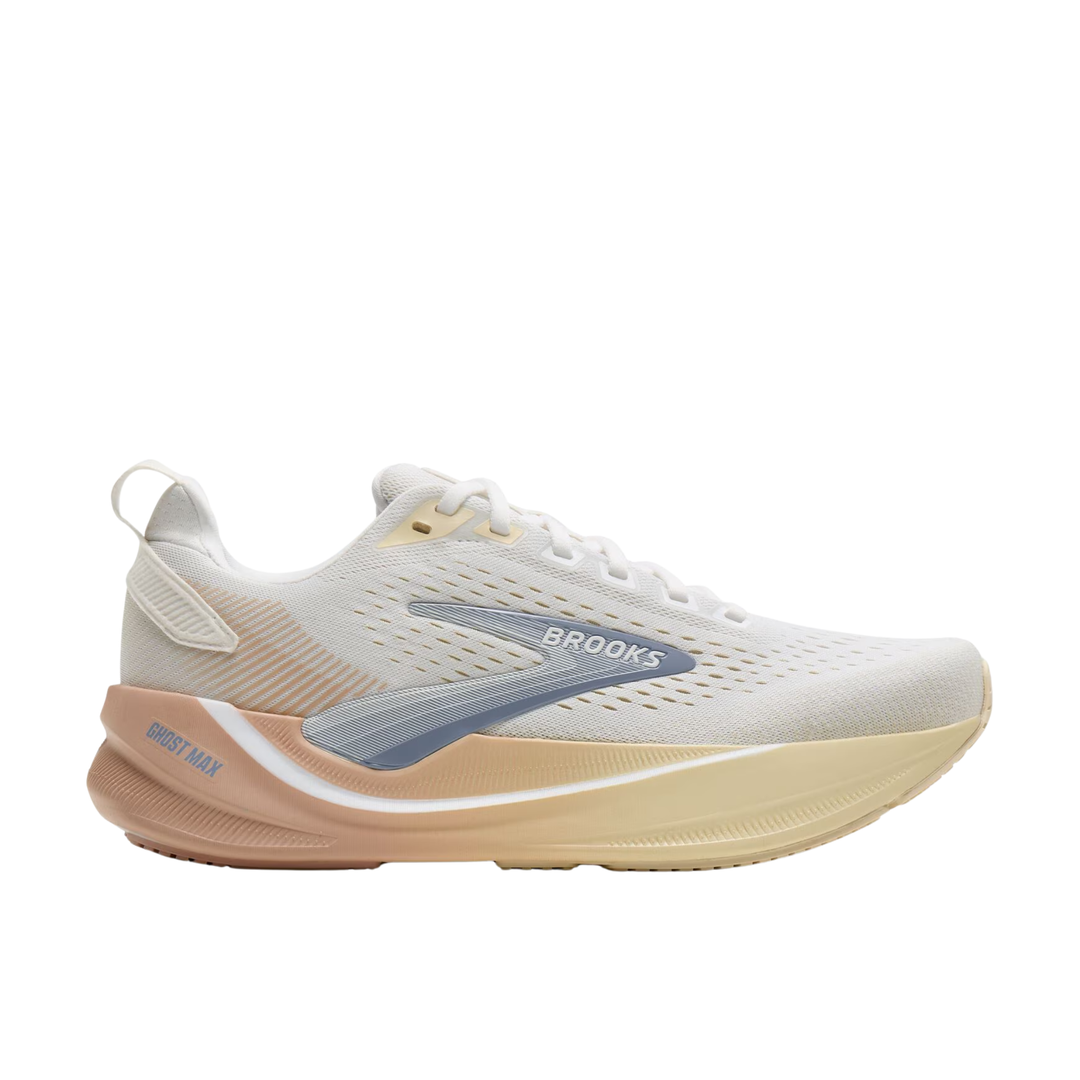
Rocker running shoes may help walkers with certain comfort needs. They can be especially useful when toe motion or forefoot pressure causes trouble.
You may want to try them if you have:
• Mild big toe stiffness
• Forefoot soreness
• A preference for high cushioning
• Fatigue from long periods of standing
• Discomfort when bending the toes
• A need for a smooth walking transition
People with arthritis sometimes explore rocker footwear because the sole can limit joint motion. Research on rocker-bottom footwear has found that it may change pressure and joint movement, but the results differ by condition and shoe design.
If you have diabetes, neuropathy, a past foot ulcer, major arthritis, or a recent foot injury, ask a medical professional before switching footwear. Reduced sensation can make it harder to notice rubbing or pressure.
A podiatrist can also check whether a rocker sole is appropriate for your gait. This matters more than online reviews or brand popularity.
Who May Want to Avoid Them?
Rocker shoes may not be ideal for every walker. You might prefer a standard walking shoe if you value a firm, predictable connection with the ground.
Use extra caution if you: