Do Hoka Shoes Run Big: Find Your Perfect Fit
Most Hoka shoes do not run big, but their roomy shape can feel larger than standard running shoes.
The answer depends on the Hoka model, your foot shape, and how much space you prefer in the toe box. After comparing Hoka fits across road, trail, walking, and recovery shoes, I found that most pairs fit true to size, while some models feel wider or longer because of their cushioned design. This guide explains do Hoka shoes run big, how to choose the right size, and what to do if your fit feels wrong.

Do Hoka shoes run big?
In most cases, Hoka shoes run true to size. You usually do not need to size down simply because the shoes look large or have thick midsoles.
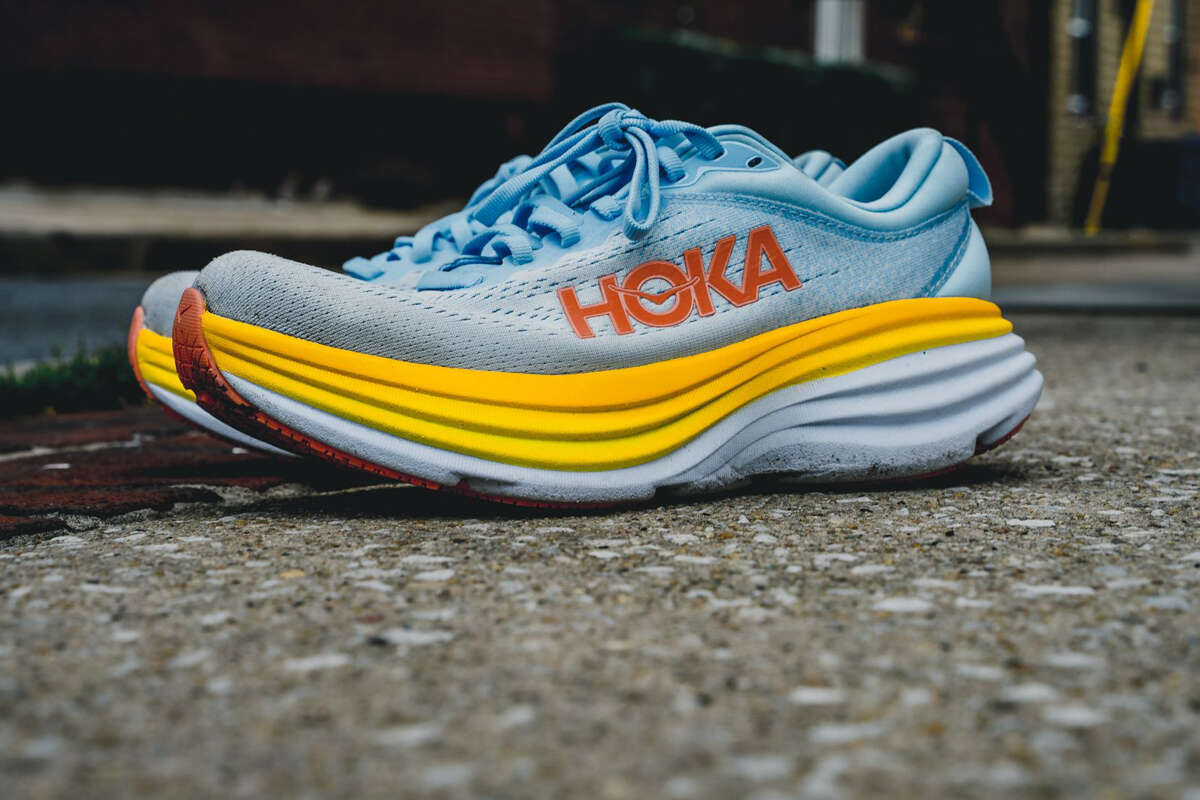
Hoka shoes often appear bigger than other sneakers because they have:
• Thick foam midsoles
• Broad outsoles
• High heel cushioning
• Curved rocker shapes
• Roomy forefoot designs on some models
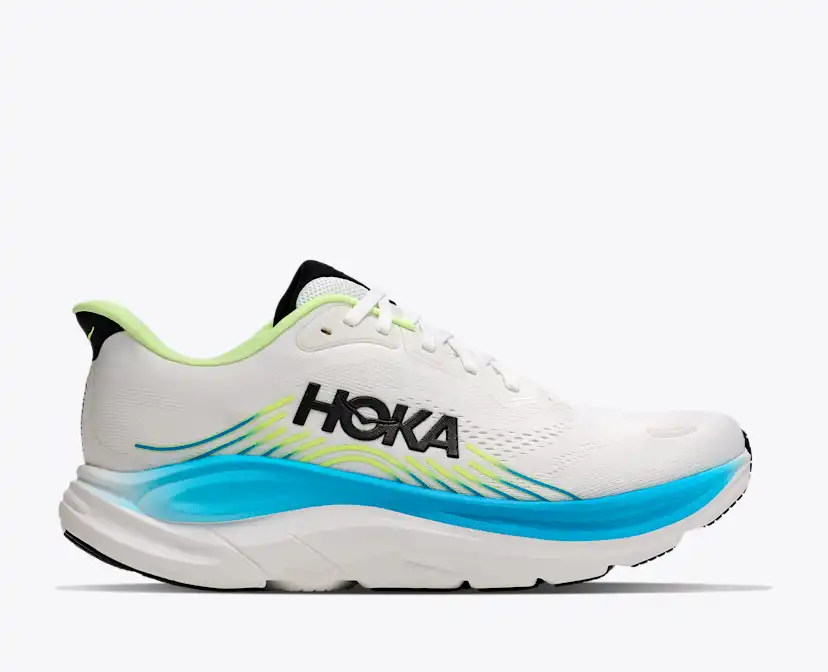
These features can make the shoes look oversized from the side. They do not always mean the inside is longer.
So, do Hoka shoes run big? Usually, no. They often feel normal in length but may feel more spacious in the toe area than narrow lifestyle shoes.
The biggest difference comes from the model. A Hoka Clifton may feel different from a Hoka Bondi, Speedgoat, Arahi, or Transport. Some have a snug upper, while others offer more room near the toes.
How Hoka shoes usually fit
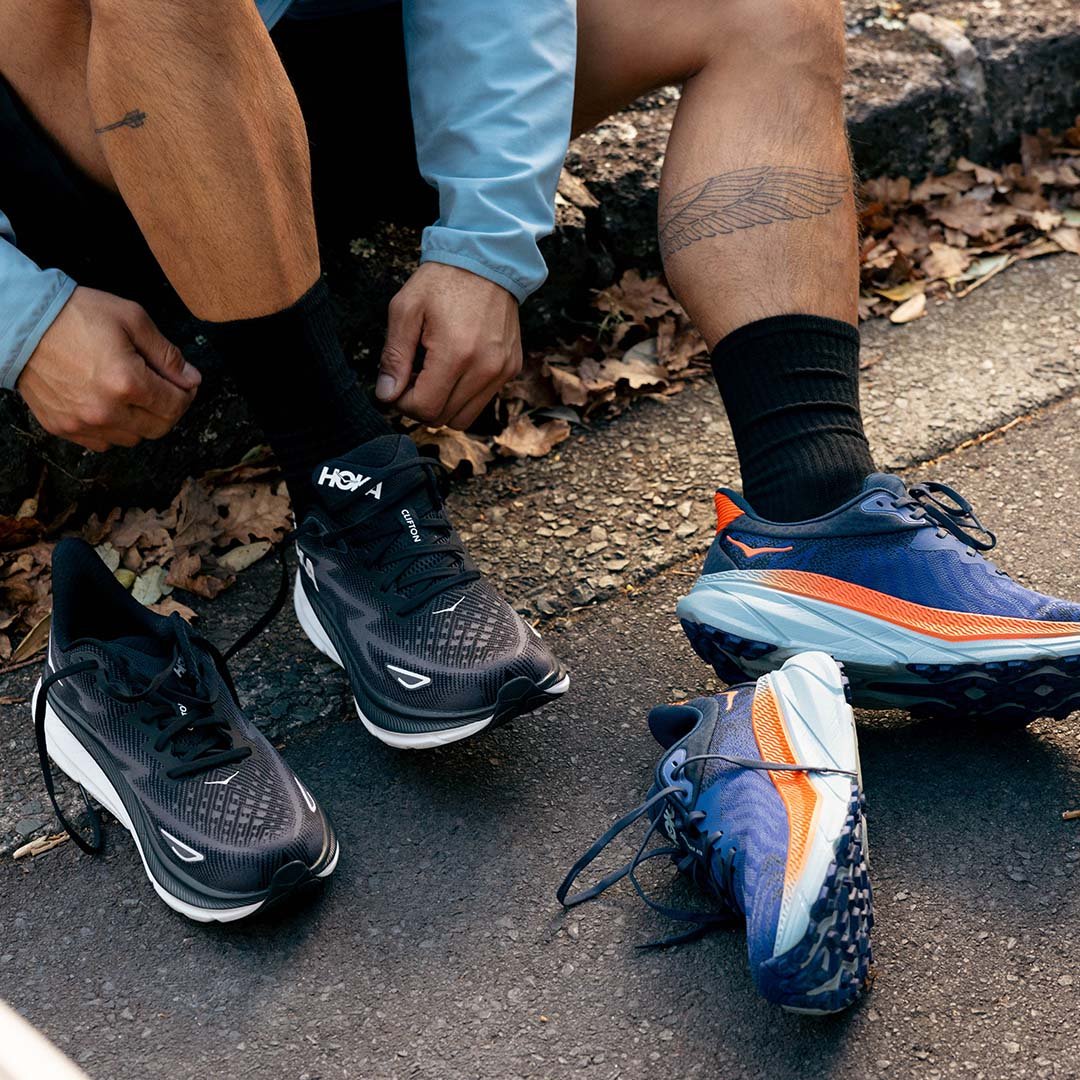
Hoka shoes use a performance fit. This means the heel should feel secure, the middle of the foot should feel supported, and the toes should have enough room to move.
A well-fitting Hoka shoe should feel:
• Secure around the heel
• Comfortable across the midfoot
• Slightly roomy near the toes
• Stable when you walk or run
• Free from pressure on the big toe and little toe
Your toes should not touch the front of the shoe. You should also avoid excessive movement at the heel.
Many people expect running shoes to fit like casual sneakers. That can lead to a mistake. Running shoes need extra space because feet swell during long walks, runs, and work shifts.
A useful rule is to leave about a thumb’s width between your longest toe and the front of the shoe. This space may feel unusual at first, especially if you normally wear snug shoes.
Length versus volume
Length and volume are not the same thing.
A shoe can have the correct length but still feel too large because it has more space above the toes. Hoka shoes can create this feeling due to their tall toe box and soft upper materials.
If your toes have room but your heel stays secure, the shoe may fit correctly. If your foot slides forward, the shoe may be too long or too loose.

Why some Hoka shoes feel bigger
Several design features explain why people ask, “do Hoka shoes run big?”
Wide platforms
Hoka shoes often have broad bases. The wider platform helps create a stable feel under the foot. It also makes the shoe look larger than a traditional running shoe.
A broad platform does not always mean a wide upper. Your foot may still feel held in place across the midfoot.
Thick cushioning
Hoka is known for high-cushion shoes. The Bondi and Clifton, for example, use thick midsoles that add height and visual bulk.
That extra foam changes the shoe’s appearance. It can also change how your foot sits above the ground. The result may feel different, even when the length matches your usual size.
Rocker geometry
Many Hoka models use a curved sole. This rocker helps the foot move from heel to toe.
The curved shape can make the shoe feel longer at the front. It may also change how your toes rest inside the shoe. A short break-in period can help, but your toes should never press against the front.
Soft upper materials
Some Hoka uppers stretch slightly after a few wears. If the shoe already feels loose in the store, it may become too roomy later.
Do Hoka shoes run big when the upper stretches? Not necessarily. The shoe may still match its labeled size, but the fit can feel less secure over time.
Do Hoka models fit differently?
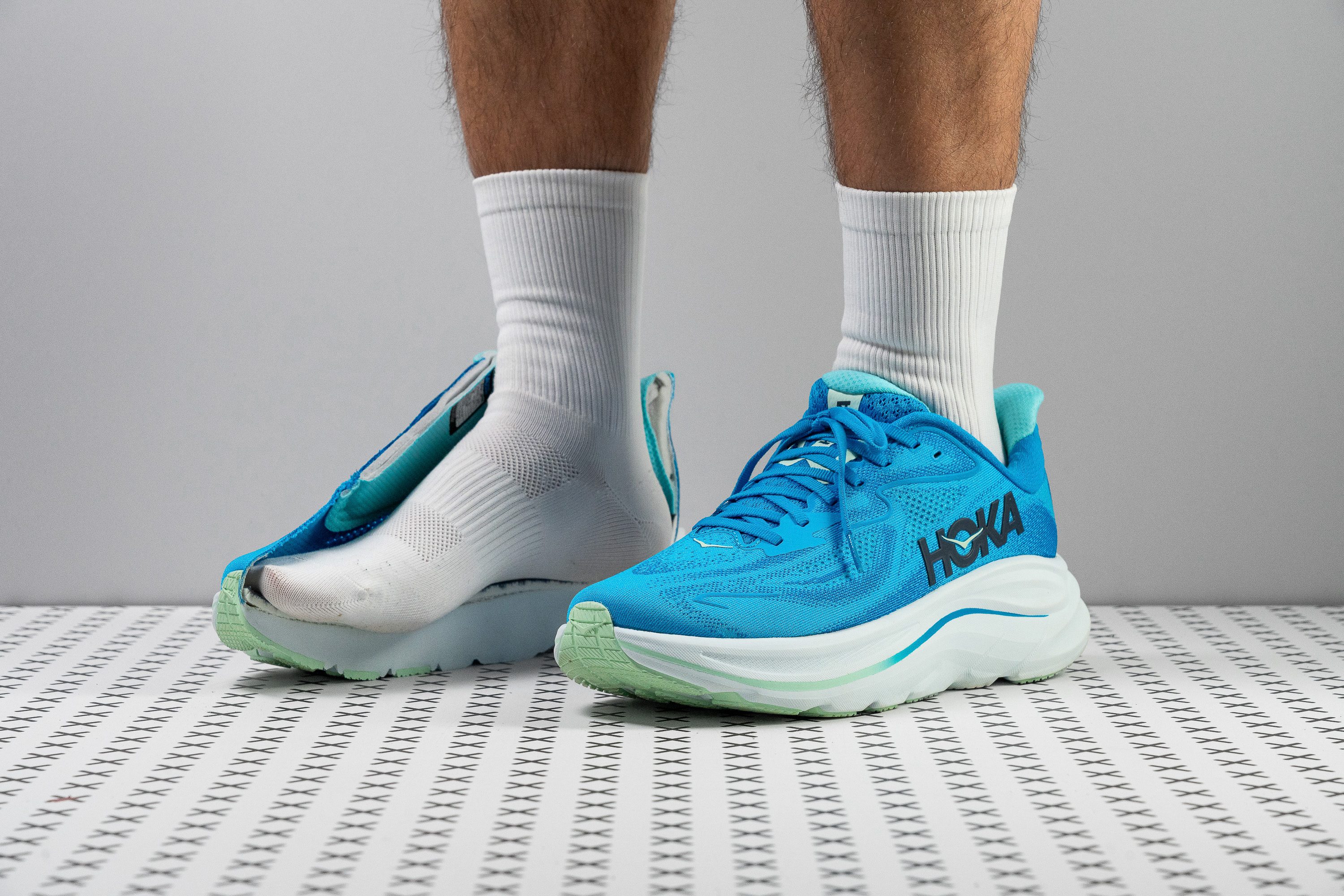
Yes. Hoka sizing is not identical across every model. The upper shape, cushioning level, intended use, and width options all affect the fit.
Hoka Clifton
The Clifton often fits true to size. It has a light feel and a moderate amount of room in the front.
Some people with narrow feet find the Clifton slightly loose in the heel. A runner’s knot can improve heel hold without changing the shoe size.
Hoka Bondi
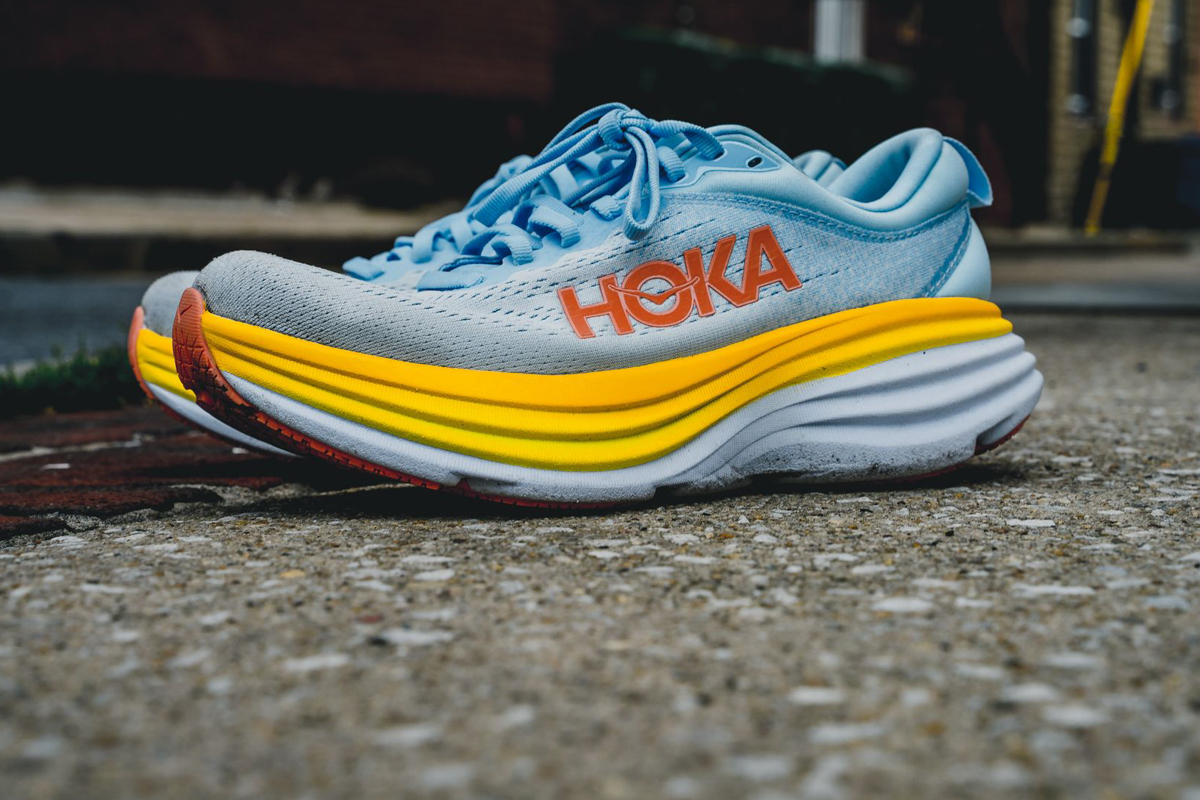
The Bondi has a plush feel and a broad base. It may feel larger because of its thick cushioning and generous structure.
Most shoppers should begin with their usual running shoe size. If the toe area feels too long, compare the standard width with a narrower option instead of immediately sizing down.
Hoka Arahi
The Arahi has a more structured upper and support features for runners who prefer guidance. It can feel snugger through the midfoot than softer, neutral models.
If you are between sizes, try the shoe with your usual running socks. A thick sock can change the fit more than expected.
Hoka Speedgoat
The Speedgoat is made for trails. Its toe protection and firm upper can make it feel more secure than a road shoe.
For downhill hiking, you need enough toe space to prevent contact with the front. Do Hoka shoes run big in the Speedgoat? The length is usually true to size, but the fit may feel snug across the forefoot.
Hoka Transport
The Transport is designed for walking and daily use. Its fit may feel more like a casual shoe than a soft road runner.
Try it later in the day if you plan to wear it for commuting or travel. Feet often swell after hours of standing.
Should you size up or down in Hoka shoes?
Start with your normal running shoe size. Then adjust only when the fit test shows a clear problem.
You may need to size up if:
• Your longest toe touches the front
• Your toes feel cramped on descents
• Your feet swell during use
• You wear thick hiking socks
• Your foot is between two sizes
• The shoe feels short when you bend your toes
You may need to size down only if:
• Your heel slips badly
• Your foot slides forward
• You have more than a thumb’s width of extra space
• The laces cannot hold your foot securely
• The shoe feels loose even with normal socks
Do Hoka shoes run big for people with narrow feet? Sometimes, but sizing down is not always the best fix. A smaller shoe may reduce heel space while making the toe area too short.
A narrower width is often a better choice. Hoka offers different width options on many models, including standard, wide, and extra-wide versions. Availability can vary by model and color.
How to measure your feet for Hoka shoes
Measuring your feet at home can reduce sizing mistakes. Your feet may differ slightly in length, so measure both.
Follow these steps:
- Place a sheet of paper on a hard floor.
- Stand on the paper while wearing the socks you plan to use.
- Keep your heel against a wall.
- Mark the end of your longest toe.
- Measure from the wall to the mark.
- Repeat with the other foot.
- Use the measurement of your larger foot.
- Compare it with the current Hoka size chart.
Measure your feet near the end of the day. Feet often become longer and wider after walking.
Do not measure while sitting. Your foot spreads when you stand, and that change can affect shoe length and width.
Also, do not rely only on your old shoe size. Brands use different lasts and shapes. A size 9 in one brand may not feel the same as a size 9 in Hoka.
How to check the fit at home
Try your Hoka shoes indoors on a clean floor. Wear the socks you normally use. Give yourself enough time to walk, climb stairs, and stand.
Check each area carefully:
Toe room
Your toes should move freely. They should not curl, hit the front, or feel pressed from above.
Heel hold
Your heel should stay in place when you walk. A small amount of movement can be normal, but repeated lifting can cause blisters.