Are Minimalist Shoes Good For Flat Feet: What To Know
Minimalist shoes may help some people with flat feet, but they can also increase pain without a slow, careful transition.
So, are minimalist shoes good for flat feet? The honest answer depends on your foot structure, strength, symptoms, and walking habits. Minimalist shoes may improve foot movement and muscle use, yet they offer little cushioning and support. This guide explains the benefits, risks, research, and safest way to decide.

What are minimalist shoes?
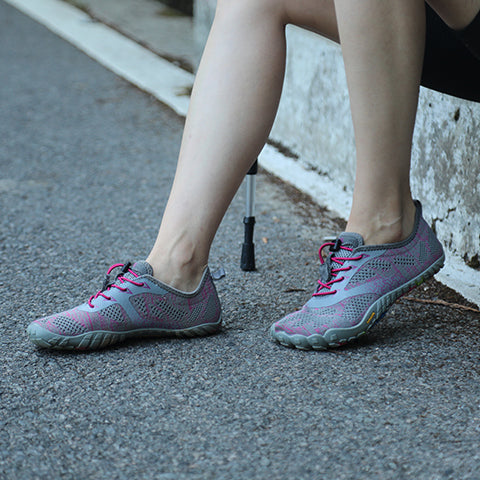
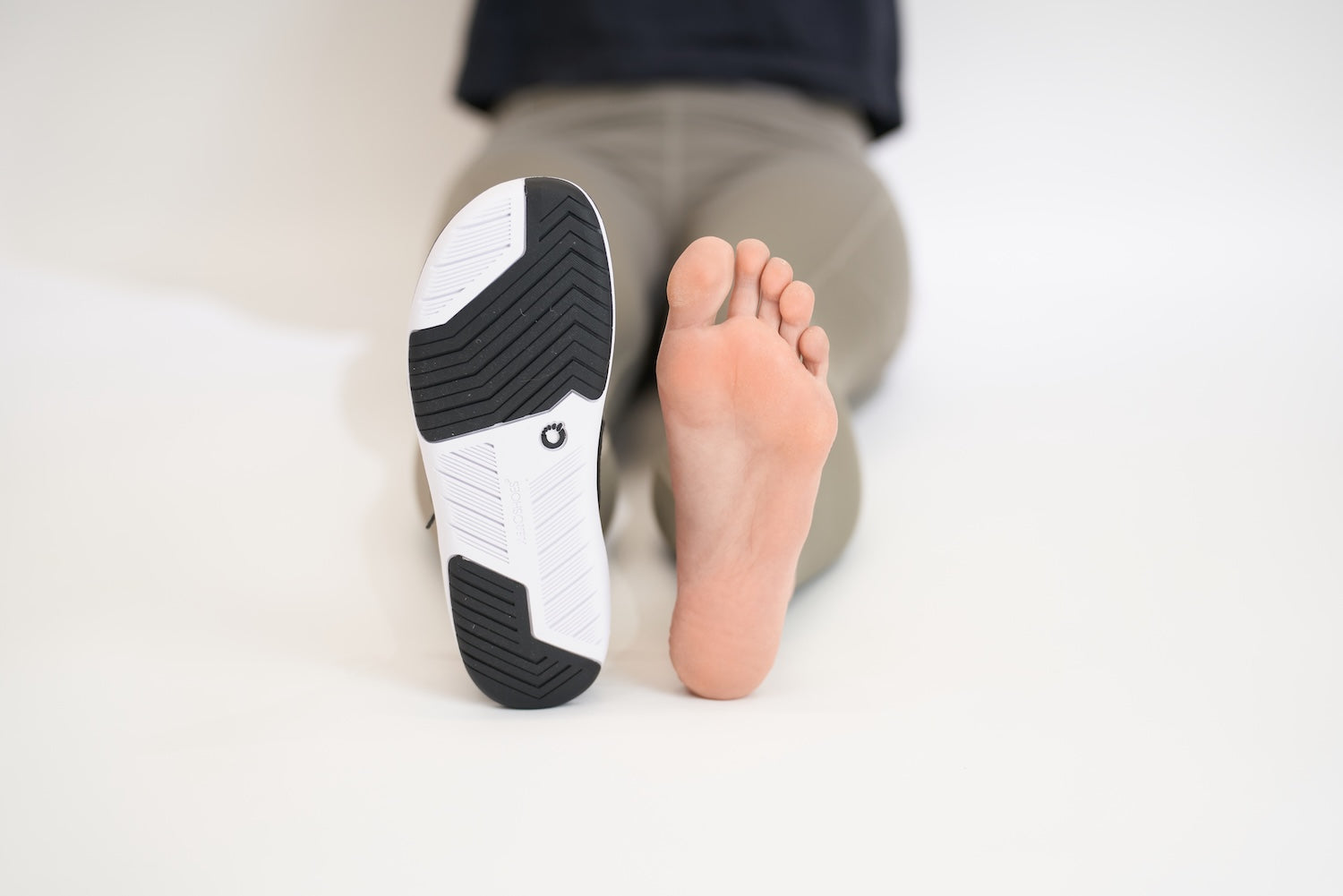
Minimalist shoes are built to let your feet move in a more natural way. They usually have a thin sole, a wide toe box, little heel lift, and low arch support.
Traditional running shoes often guide the foot with firm foam, a raised heel, and a shaped arch. Minimalist shoes take away much of that structure. Think of them as giving your feet more freedom, much like removing stiff gloves from your hands.
Common features include:
• A flexible sole that bends near the toes
• A wide toe box that lets the toes spread
• A low heel-to-toe drop, often close to zero
• Minimal cushioning
• Little or no built-in arch support
• A lightweight design
Barefoot shoes are the most extreme form of minimalist footwear. They have very thin soles and may offer almost no protection from hard ground.
This design does not automatically make a shoe healthy or unhealthy. It simply changes the work your feet and lower legs must do.

What does having flat feet mean?
Flat feet occur when the arch on the inside of the foot looks low or touches the ground. The condition is also called pes planus.
Some people have flat feet from childhood. Others develop a lower arch due to age, injury, weight changes, tight calf muscles, or problems with the posterior tibial tendon. This tendon helps support the arch and control the foot during walking.
Flat feet can be:
Flexible flat feet
The arch appears when you sit, stand on your toes, or lift your foot. It flattens mainly when you stand and place weight on it.
Flexible flat feet are common and often cause no pain. Many people with this foot shape walk, run, and work without treatment.
Rigid flat feet
The arch stays flat even when the foot is not bearing weight. This type may result from bone structure, arthritis, injury, or another medical problem.
Rigid flat feet are more likely to need an assessment from a podiatrist or orthopedic clinician.
A low arch is not the same as a weak or damaged foot. The key questions are whether you have pain, poor balance, repeated injuries, or trouble with daily activity.
Are minimalist shoes good for flat feet?
For some people, minimalist shoes may help flat feet feel stronger and more mobile. For others, they may increase strain on the arch, heel, Achilles tendon, or calf.
The answer depends on several factors:
• Whether your flat feet are flexible or rigid
• Whether you have pain now
• How strong your feet and calves are
• How quickly you change shoes
• The surface where you walk or run
• Your body weight and activity level
• Any past injuries or tendon problems
A 2022 systematic review found that foot exercise can improve foot muscle strength and function. However, research on minimalist shoes alone remains limited. Most studies are small, short, or focused on healthy adults rather than people with painful flat feet.
That means minimalist shoes are not a proven treatment for flat feet. They are a footwear option that may support better foot use in the right person.
People with painless, flexible flat feet may tolerate them well. Someone with severe pain or a weak posterior tibial tendon may need more support instead.

Possible benefits of minimalist shoes for flat feet
They may train the foot muscles
Minimalist shoes do not hold the foot in a fixed position. This may encourage the small muscles under the foot to work harder.
These muscles help control the arch, stabilize the toes, and support balance. Stronger foot muscles may improve how the foot handles load, although shoe use alone is not a substitute for targeted exercise.
They may improve toe movement
A wide toe box gives the toes room to spread. This can help the big toe press into the floor and support balance.
Many traditional shoes squeeze the toes together. Over time, that tight fit may reduce comfort and natural movement. A wider shoe can feel especially helpful for people with bunions or crowded toes.
They may improve ground feedback
Thin soles allow more sensory information from the ground to reach the foot. This feedback can help you adjust your step and improve body awareness.
More feedback does not mean more protection. It simply gives the nervous system clearer information about the surface beneath you.
They may encourage a lighter step
Some people naturally shorten their stride and reduce heel impact when wearing minimalist shoes. This may lower certain forces at the knee or hip.
However, it can increase stress on the calf and Achilles tendon. A lighter step is not automatically a safer step for every body.
They may feel comfortable for daily use
Some people with flat feet dislike firm arch supports. A supportive arch can press into the foot or change how the person moves.
A flexible, wide shoe may feel better for casual walking, especially on soft surfaces. Comfort is useful feedback, but it should not be the only measure of a good shoe.

Risks of minimalist shoes for flat feet
Minimalist footwear changes the load on the body. If the change happens too fast, the foot may struggle to adapt.
Arch and midfoot pain
People with flat feet may place more pressure through the inner side of the foot. A thin, flexible shoe may make that pressure more noticeable.
Pain under the arch does not always mean the shoe is strengthening the foot. It may signal that the tissues are overloaded.
Calf and Achilles strain
A low-drop shoe places the ankle in a flatter position. This often asks the calf and Achilles tendon to work through a greater range.
Sudden changes can cause calf soreness, Achilles pain, or tendon irritation. These problems may appear days after the first long walk or run.
Plantar fascia irritation
The plantar fascia is a strong band under the foot. It helps support the arch and absorbs load during walking.
A rapid switch to thin shoes may increase stress on this tissue. Heel pain in the morning, pain after sitting, or sharp pain during the first steps may be warning signs.
Stress injuries
Minimalist shoes offer less cushioning and protection from hard surfaces. A quick increase in walking or running can raise the risk of bone stress injuries.
Pain that becomes more focused, worsens with activity, or remains after rest deserves medical attention.
Less comfort on hard ground
Concrete, asphalt, and tile do not forgive every foot. A minimalist shoe may feel pleasant on grass but harsh on a city sidewalk.
The best shoe often depends on the task. A shoe that works for a short errand may not work for an eight-hour shift.

Who may benefit from minimalist shoes?
Minimalist shoes may be worth trying if you:
• Have flexible, painless flat feet
• Want a wide toe box
• Have good ankle and calf mobility
• Already walk regularly without foot pain
• Can make the change slowly
• Use them for short periods at first
• Are willing to stop if symptoms increase
They may also suit people who want more foot sensation and flexibility. Some runners use them for short drills or strength work rather than every run.
A practical approach is to use minimalist shoes as one tool, not as a complete solution. You can wear them for short walks while using regular shoes for long days or demanding workouts.

Who should be careful with minimalist shoes?
Extra caution is wise if you have:
• Current foot, heel, or Achilles pain
• A rigid flat foot
• A diagnosed posterior tibial tendon problem
• Severe overpronation with symptoms
• Diabetes or reduced sensation in the feet
• Arthritis in the foot or ankle
• A recent foot or lower-leg injury
• A history of stress fractures
• Poor balance or repeated falls
People with diabetes should be especially careful because reduced sensation can hide pressure, blisters, and skin damage.
If your arch has recently fallen, your ankle rolls inward, or you cannot perform a controlled single-leg heel raise, seek a professional assessment. These signs can point to a tendon or joint issue that shoes alone cannot fix.
How to transition safely
The safest way to test minimalist footwear is to treat it like training. Your feet need time to adapt.