Best Shoe Inserts For Sciatica: Top Picks For Relief
The best shoe inserts for sciatica support natural alignment, reduce foot strain, and soften each step.
That sharp pain from your low back into your leg can make a short walk feel like a long hike. Poor shoe support may add stress to your feet, knees, hips, and spine. The right insole cannot cure nerve pain, but it may improve comfort by spreading pressure and reducing shock. I reviewed these inserts for arch support, cushioning, fit, durability, and daily use so you can find a practical match for your feet.
Dr. Scholl’s Prevent Pain Insoles for Women

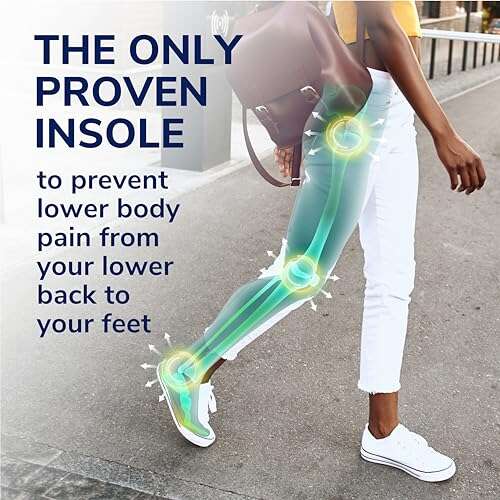
Dr. Scholl’s Prevent Pain Insoles for Women offer a balanced mix of arch support and cushioning. I see them as a good starting point for women who feel foot fatigue after standing or walking. The design aims to reduce stress across the lower body rather than focus on one sore spot. That broad support matters when foot strain seems to travel upward into the hips or lower back.
The size range fits women’s shoes from 6 to 10, and the insert can work in many casual shoes and sneakers. I would remove the factory insole first if the shoe feels tight. These are not custom orthotics, so people with unusual arches may need a slower break-in period. Still, they are a sensible option for shoppers seeking the best shoe inserts for sciatica without jumping straight to an expensive clinical device.
Pros:
- Designed for broad lower-body pain support
- Useful arch cushioning for daily walking
- Fits a common women’s shoe size range
- Helps spread pressure across the foot
- Simple choice for work, errands, and travel
- Easy to place in many roomy shoes
Cons:
- May feel too bulky in narrow shoes
- Not a custom solution for severe foot imbalance
- May require gradual use during the first week
My Recommendation
I recommend these for women who want moderate support with a soft, familiar feel. They suit walkers, retail workers, teachers, and anyone who spends long hours on hard floors. They may also help when tired feet contribute to poor posture, though they should not replace care for true nerve compression. For many users, this is one of the best shoe inserts for sciatica because it offers an easy, low-risk first step. Value is strongest when the insert fits a supportive shoe with enough toe room.
Dr. Scholl’s Heavy Duty Support Insoles

Dr. Scholl’s Heavy Duty Support Insoles target people who need firmer support in work shoes or boots. The product is made for big and tall users, wide feet, and people over 200 pounds. Its structure aims to absorb shock and distribute pressure across the foot. That can make long days on concrete feel less punishing.
I like this model for sturdy footwear because it has more substance than a thin comfort liner. The trim-to-fit shape also gives you some control over the final fit. Measure against the original shoe liner and cut slowly, since removing too much material can cause movement. These inserts will not treat a herniated disc, but they can reduce foot fatigue that may influence how you stand and walk.
Pros:
- Built for heavy-duty daily support
- Suitable for men’s sizes 8 through 14
- Works well in work boots and roomy shoes
- Helps distribute pressure under the foot
- Shock absorption may improve standing comfort
- Trim-to-fit design supports a better shoe match
Cons:
- May feel firm for users who prefer soft foam
- Can crowd shoes with a low or narrow upper
- Requires careful trimming before use
My Recommendation
This is my pick for larger users, wide-footed shoppers, and people who work on hard surfaces. It makes the most sense in safety shoes, boots, and roomy walking shoes. I would not choose it for a very soft, flexible shoe because the firm base may not match that style. Among the best shoe inserts for sciatica, this option stands out when load control and durability matter more than a thin profile. Check the shoe fit before ordering and replace the insert when the support becomes flat.
VALSOLE Heavy Duty High Arch Insoles
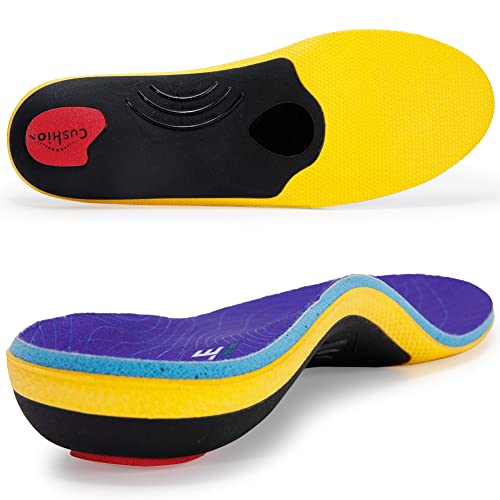
VALSOLE Heavy Duty Support Orthotics are made for users who want strong arch support and shock control. The design targets high arches, flat feet, plantar fascia strain, and heavier loads. I find this combination useful because foot shape can change how pressure moves through the legs. A stable base may help some people walk with less strain through the lower body.
This insert is especially suited to work boots and shoes with enough internal space. The high arch may feel intense at first, so I suggest wearing it for one or two hours before increasing use. A correct match matters more than a high support label; an arch that hits the wrong spot can create new discomfort. For that reason, I would compare the arch height and length with your current shoe before calling it one of the best shoe inserts for sciatica.
Pros:
- Strong support for high arches and flat feet
- Designed for loads above 220 pounds
- Useful shock absorption for hard work surfaces
- Good match for boots and supportive shoes
- May reduce pressure under the heel and arch
- Available for both men and women
Cons:
- High arch may feel too aggressive for some users
- Needs a careful break-in period
- May not fit thin dress shoes
My Recommendation
I recommend VALSOLE to people who know they need firm, noticeable arch support. It is a strong choice for heavier users, workers, and people with flat feet who also want heel cushioning. I would avoid it if your feet are sensitive to pressure or if you have not used structured insoles before. Used in the right shoe, it offers good value and a stable platform. It can be one of the best shoe inserts for sciatica when poor foot support adds to walking discomfort, but it is not a substitute for a medical exam.
Dr. Scholl’s Sport Insoles for Men

Dr. Scholl’s Sport Insoles are built for men who walk, train, or stay active throughout the day. They combine arch support with shock absorption to help reduce muscle fatigue and stress on lower-body joints. That focus makes them different from a soft lounge insole. They aim to keep the foot supported while the body moves.
The size range covers men’s shoes from 8 to 14, which suits many athletic shoes and work sneakers. I would use them in a stable shoe with a firm heel counter, not a loose slip-on. They may help active users stay comfortable during routine movement, but they cannot correct a nerve problem in the spine. If activity makes your symptoms worse, reduce the load and speak with a qualified clinician.
Pros:
- Designed for active men and sports use
- Combines arch support with shock absorption
- May reduce foot and leg fatigue
- Fits a broad men’s size range
- Useful in walking and training shoes
- Supports lower-body comfort during movement
Cons:
- Not ideal for narrow or low-volume shoes
- May not provide enough support for very high arches
- Sport use can wear any insert faster
My Recommendation
This model is best for active men who notice fatigue during walks, gym sessions, or long days on their feet. It may be a practical part of a sciatica comfort plan when movement feels worse in flat, unsupportive shoes. I would pair it with gradual activity, gentle mobility work, and a well-fitted sneaker. For shoppers seeking the best shoe inserts for sciatica and daily exercise, this is a useful middle ground between soft cushioning and rigid orthotics. Its overall value is strongest for regular, moderate activity.
Dr. Scholl’s Arthritis Support Insoles

Dr. Scholl’s Arthritis Support Insoles focus on cushioning and comfort for sore joints. Although the name targets arthritis, the gentle support can also suit people who dislike hard arch inserts. A softer landing may help reduce the jolt that travels from the heel through the leg. I consider this a comfort-first choice rather than a strong alignment device.
These insoles may work well in everyday walking shoes when your feet feel tender or tired. They are less suitable for people who need a tall, firm arch or a corrective custom device. Remove the original liner if needed, then check that your heel stays secure. When searching for the best shoe inserts for sciatica, comfort matters, but a soft insert should not create a sinking feeling or make the shoe unstable.
Pros:
- Comfort-focused design for sore feet
- Gentler feel than many rigid orthotics
- Useful for daily walking and errands
- May soften heel impact
- Good option for users who dislike firm arches
- Easy to pair with supportive casual shoes
Cons:
- May not support very high arches
- Less suitable for heavy-duty work boots
- Soft cushioning can compress with long use
My Recommendation
I recommend these for women with tender joints, sensitive feet, or a strong preference for soft cushioning. They are also a good first trial for someone who has never worn an insert. I would choose a firmer model if your main issue is clear arch collapse or heavy work on concrete. This is not the most corrective option, but it may be among the best shoe inserts for sciatica when comfort and easy adjustment come first. Watch for flattening and replace them if support fades.
WalkHero 220+ Pound Pain Relief Insoles

WalkHero 220+ lbs Pain Relief Insoles target users who want high arch support in a sturdy insert. The design suits both men and women and focuses on pressure control for heavier loads. I like the clear purpose because shoppers can quickly decide if the support level matches their needs. The structure may help create a more even base inside a roomy walking shoe or boot.
As with any high arch insole, fit is the main concern. The arch should support your foot, not press into the middle of it while you sit. Start with short wear times and check for hot spots, numbness, or new pain. These inserts may help with foot-related strain, but they are not a direct treatment for sciatica caused by spinal nerve compression.
Pros:
- Designed for users above 220 pounds
- High arch support for added structure
- Works for both men and women
- May improve pressure distribution
- Suitable for work shoes and boots
- Offers a firm base for daily walking
Cons:
- Too firm for some casual shoe users
- Requires enough shoe volume
- May not suit low arches or sensitive arches
My Recommendation
WalkHero is best for heavier users who want a structured, high-arch insole at a practical price. It can suit people who spend many hours standing and need more support than a thin foam pad provides. I suggest checking your arch type first because more support is not always better. For the best shoe inserts for sciatica, this product is worth considering when load control and a firm feel rank high on your list. Choose a roomy shoe and break it in slowly.
Dr. Scholl’s Pressure Relief Insoles for Men

Dr. Scholl’s Pressure Relief Insoles for Men are designed around pressure reduction and everyday comfort. The product listing also positions them for users with neuropathy concerns. That makes foot feel and surface comfort central to the design. I would look at this model when a hard floor, long shift, or sensitive sole makes each step feel sharp.
These inserts fit men’s sizes 8 to 14 and may work best in roomy walking shoes. People with reduced sensation should inspect their feet often because discomfort may not give a clear warning. An insole should never cause rubbing, numbness, or a change in skin color. It may improve shoe comfort, but a health professional should guide care for diabetes, neuropathy, or persistent leg pain.
Pros:
- Focuses on pressure relief for daily use
- Useful for long periods of standing
- Fits men’s sizes 8 through 14
- May help soften hard-floor impact
- Comfort-focused design for sensitive feet
- Works in many roomy casual shoes
Cons:
- Not a corrective treatment for nerve compression
- May feel crowded in narrow shoes
- Users with neuropathy still need regular foot checks
My Recommendation
I recommend this model for men who need a pressure-focused insert for work, walking, or daily errands. It may suit people who feel soreness under the forefoot or heel after long hours. I would not use it as a stand-alone plan for unexplained numbness or weakness. Among the best shoe inserts for sciatica, it is most appealing when soft pressure control matters more than aggressive arch correction. Its value depends on careful fit and safe foot monitoring.
Svowin Adjustable Heel Lift Insoles

Svowin Adjustable Height Increase Insoles use removable layers to change heel height. They are designed for leg length differences, Achilles tendon concerns, heel pain, and heel spurs. This is a very different approach from a standard full-length arch support. The adjustable design lets you test a small lift instead of committing to one fixed height.
I would use caution here because a heel lift changes ankle, knee, hip, and pelvic position. Some people may feel better with a small correction, while others may develop new strain. Add or remove one layer at a time, and never force a painful adjustment. These can be among the best shoe inserts for sciatica only for a specific fit problem, not as a universal answer for radiating back pain.
Pros:
- Adjustable height with removable layers
- Useful for testing a small heel lift
- May help with minor leg-length differences
- Can cushion heel pain and heel spurs
- Compact design fits many shoes
- Offers more flexibility than a fixed lift
Cons:
- Not suitable for every gait or foot type
- May alter hip and pelvic mechanics
- Small size may not fit all men’s shoes
- Needs careful adjustment and monitoring
My Recommendation
I recommend Svowin only when you have a clear reason to try a heel lift. It may suit someone with a mild leg-length difference or heel-focused discomfort, especially when guided by a podiatrist or physical therapist. I would not choose it as my first general insole for sciatica. If the lift causes hip, knee, or back pain, remove it and stop using it. Its best value comes from adjustability, but that same feature demands more care than a regular cushion insert.
WalkHero Plantar Fasciitis Arch Support Insoles
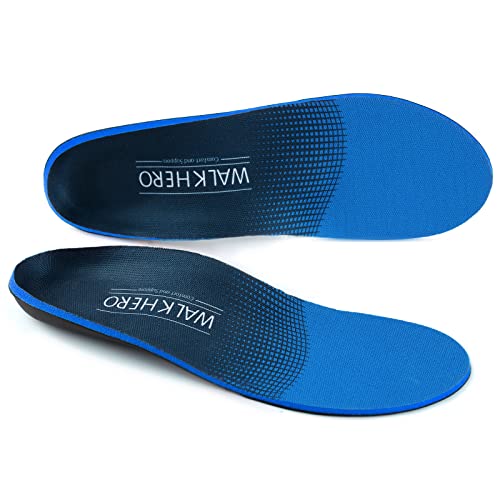
WalkHero Plantar Fasciitis Insoles focus on arch support and foot pain relief. They are a useful match for shoppers whose sciatica discomfort exists alongside heel pain or tired arches. Supporting the foot may reduce the need to compensate with every step. I like this type of insert for people who want a structured feel without using a heel lift.
These insoles should go into shoes with enough depth and a stable sole. A short break-in period can help your feet adapt, especially if the arch support feels firm. Do not assume that plantar fasciitis support will solve pain that begins in the back and travels down the leg. Still, when foot strain adds to poor walking mechanics, this model deserves a place among the best shoe inserts for sciatica.
Pros:
- Strong arch support for tired feet
- Useful for plantar fascia-related discomfort
- May reduce heel pressure during walking
- Works in many casual shoes and sneakers
- Can support a more stable foot position
- Good option for users who prefer firm inserts
Cons:
- May feel hard during the first few wears
- Needs a roomy shoe with enough depth
- Not designed to treat spinal nerve pain
My Recommendation
This model is best for people with tired arches, heel pain, or plantar fascia discomfort that affects their walking pattern. It may help active adults who want a firm base for everyday movement. I would choose a softer insert if your feet are very sensitive or if you have never used arch support. As one of the best shoe inserts for sciatica, it makes sense when foot mechanics are part of the problem, not when back symptoms are severe or unexplained. The price is often attractive for a structured trial.
Dr. Scholl’s Extra Support Insoles for Women

Dr. Scholl’s Extra Support Insoles for Women are designed for plus-size and tall women who need added support. The product aims to reduce lower back pain, foot fatigue, and leg fatigue through a more supportive base. I like the focus on full-day comfort because many users feel symptoms after hours of standing, not after one short walk. The size range covers women’s shoes from 6 to 11.
These inserts need a shoe with enough room for both the foot and the insole. A snug shoe can cancel out the benefit by squeezing the toes or raising the heel too high. I would test them around the house first and check whether your heel stays stable. For women comparing the best shoe inserts for sciatica, this is a practical choice when body weight and long standing make ordinary flat insoles feel too weak.
Pros:
- Made for plus-size and tall women
- Supports women’s sizes 6 through 11
- Targets foot, leg, and lower-back fatigue
- Useful for long periods of standing
- Provides more support than a flat liner
- Works well in roomy walking shoes
Cons:
- May not fit narrow women’s shoes
- Can raise the foot inside low-top shoes
- Not a custom orthotic for complex alignment needs
My Recommendation
I recommend these for plus-size and tall women who spend much of the day walking or standing. They may also suit users who want extra support but do not need a very high arch. I would pair them with a wide, stable shoe and avoid wearing them in a tight fashion shoe. This may be one of the best shoe inserts for sciatica for women who connect foot fatigue with lower-back discomfort. It offers a simple way to improve daily shoe support without a custom fitting.
How Shoe Inserts May Affect Sciatica Comfort
Sciatica describes pain that follows the path of the sciatic nerve. It often starts in the lower back and travels through the buttock and down one leg. Common causes include a bulging disc, spinal narrowing, or irritation near the nerve root. A shoe insert cannot remove that pressure from the spine.
Still, shoes affect the way your feet meet the ground. When an arch collapses, a heel rolls inward, or a foot lacks cushioning, the ankle and knee may turn slightly. The hip and pelvis then respond to that change. Think of your body as a stack of blocks: a small shift at the base can influence the blocks above it.
That does not mean every person with sciatica needs orthotics. Research and clinical guidance support a careful, individual approach. An insert may improve comfort for some people, but it may do little for others. A physical therapist, podiatrist, or physician can help identify whether foot mechanics contribute to your symptoms.
What I Look For in the Best Shoe Inserts for Sciatica
I start with fit. An insert must sit flat inside the shoe, leave enough room for the toes, and keep the heel from sliding. A poor fit can create blisters and pressure, even when the insole has good materials. I also check whether the arch support meets the foot in the right place.
Next, I consider firmness. Soft foam may feel pleasant at first, but it can compress under heavy use. Firm support can improve stability, but too much pressure may cause discomfort. The best balance depends on body weight, arch shape, activity level, and shoe type.
I also look at shock absorption. A cushioned heel may make hard floors easier to tolerate. However, a very soft shoe can feel unstable when you turn or climb stairs. I prefer an insert that cushions impact while keeping the foot steady.
Finally, I check the return policy, size range, and replacement cost. Insole life varies with weight, walking distance, sweat, and shoe use. A good insert should maintain its shape and should not show deep, uneven compression after a short time. If it loses support, it can no longer do its job well.
| Best for | Why |
|---|---|
| Long work shifts | Heavy-duty models offer firmer support and shock control on hard floors. |
| High arches or flat feet | Structured arch inserts can spread pressure and support a steadier step. |
| Sensitive feet | Pressure-relief and comfort models soften contact without a harsh arch feel. |
How to Break In New Insoles Safely
Do not wear a new pair for a full day right away. Start with about one hour in a familiar shoe. If your feet feel normal, add another hour the next day. This slow plan lets your muscles and arches adapt to a new angle.
Check your skin after each use. Look for redness, blisters, hot spots, or areas that feel numb. Stop if the insert creates sharp pain, tingling, or new symptoms down the leg. Comfort should improve over time, not decline.
Use the right shoe. A stable sneaker or walking shoe usually works better than a loose slipper. Remove the original insole when possible, but do not remove a fixed footbed unless the shoe maker allows it. The new insert should not push your heel out of the shoe.
Keep notes during the first two weeks. Write down how your feet, hips, and back feel before and after walking. This simple record can show whether the insert helps or whether another factor needs attention. If pain keeps spreading, seek medical advice instead of adding more support.
When to See a Doctor About Sciatica
See a health professional if pain lasts more than a few weeks, keeps returning, or limits normal activity. A clinician can check strength, sensation, reflexes, movement, and possible causes. That assessment matters because sciatica can come from different parts of the back and pelvis.
Seek urgent care for serious warning signs. These include new loss of bladder or bowel control, numbness around the groin, severe weakness in the leg, or symptoms in both legs. Fever, major trauma, unexplained weight loss, or a history of cancer also call for prompt care.
Do not use an insole to push through worsening numbness. People with diabetes or reduced foot sensation should ask a clinician before trying a new insert. Inspect the feet often and stop if the skin becomes sore. Good footwear supports care, but it cannot replace diagnosis or treatment.
FAQs Of best shoe inserts for sciatica
Can shoe inserts cure sciatica?
No. Inserts may improve comfort and reduce foot-related strain, but they do not cure nerve compression in the lower back. Use them as one part of a broader plan that may include movement, physical therapy, and medical care.
What type of insole is best for sciatica?
The best type depends on your foot shape and symptoms. A moderate arch support with heel cushioning suits many users, while high-arch or heavy-duty models fit specific needs. The insert should feel supportive, not painful or forceful.
Should I choose soft or firm shoe inserts?
Choose soft cushioning for sensitive feet and firm support for heavy loads or clear arch needs. A balanced design often works best for daily walking. Always break in a new pair slowly.
Can high arches cause sciatica pain?
High arches can change pressure and movement through the legs, but they do not directly cause every case of sciatica. The right insert may improve foot comfort for some people. A professional assessment can confirm whether your foot shape affects your gait.
How long do shoe inserts last?
Many inserts last several months to about a year, depending on use and materials. Replace them when they flatten, crack, smell strongly, or create uneven pressure. Heavy users may need replacements sooner.
Final Verdict: Which Should You Buy?
My top choice is Dr. Scholl’s Prevent Pain Insoles for Women for balanced daily support. For heavier users, Dr. Scholl’s Heavy Duty or VALSOLE offers stronger structure. The best shoe inserts for sciatica should match your foot shape, shoe, and symptoms.
Use inserts to improve comfort, not to mask warning signs. Start slowly, choose stable shoes, and seek care for weakness, numbness, or severe pain. A smart fit can make each step feel lighter.

Michael Smith is the Content Strategist behind The Style Hub, where fashion meets function. With a keen eye for trends and a passion for everyday style, he curates content that helps readers make smarter, more stylish choices—from the perfect pair of sneakers to must-have accessories. Michael specializes in breaking down fashion into practical, wearable insights, making style accessible for everyone. When he’s not researching the latest trends, he’s exploring how comfort, innovation, and timeless design come together in modern fashion.