
What Are Good Hiking Shoes: Top Picks For Every Trail
Good hiking shoes fit snugly, support your feet, protect against the trail, and match the terrain and weather.
Knowing what are good hiking shoes can make every mile safer and more comfortable. The right pair should feel secure without squeezing your toes, bend with your stride, and offer enough grip for the places you plan to explore. After testing hiking footwear on rocky paths, muddy trails, and long day hikes, I have learned that comfort and fit matter more than brand names or flashy features.
What Are Good Hiking Shoes?
Good hiking shoes are outdoor shoes designed for walking on uneven ground. They usually have stronger soles, better grip, more support, and tougher materials than standard running shoes.
The best hiking shoes are not the same for every person. A lightweight shoe may be ideal for a dry day hike, while a waterproof boot may work better for cold, wet, or rugged trails.
Good hiking shoes should provide these core benefits:
• Reliable traction on dirt, rock, roots, and loose gravel
• A stable platform that helps reduce slips and ankle rolls
• Enough cushioning for long hours on hard ground
• A secure fit that prevents your heel from lifting
• Room for your toes to spread and move naturally
• Protection from sharp rocks, mud, rain, and trail debris
• Breathable materials that help manage sweat
A hiking shoe is best viewed as a balance. More protection often adds weight. More waterproofing can reduce breathability. More softness may feel comfortable at first but can reduce trail feel and stability.

Hiking Shoes vs. Hiking Boots vs. Trail Runners
Before choosing good hiking shoes, decide what type of footwear suits your trips. Hiking shoes, hiking boots, and trail runners each have a different purpose.
Hiking shoes
Hiking shoes usually sit below the ankle. They are lighter and more flexible than boots. They work well for day hikes, maintained trails, warm weather, and people who prefer a natural walking feel.
They may also dry faster after rain or stream crossings. However, they offer less ankle coverage and may provide less protection in deep mud, snow, or rough brush.
Hiking boots
Hiking boots cover the ankle and often use a stronger midsole and upper. They are useful for heavy packs, rocky terrain, cold weather, and long trips where foot protection matters.
Boots can feel secure, but they also take longer to break in. Heavy boots may cause tired legs if you mainly hike on smooth trails.
Trail runners
Trail runners are lightweight shoes made for off-road running. Many hikers like them because they feel flexible and reduce fatigue over long distances.
They can be excellent on dry trails, but they may wear faster and provide less protection from rocks. They also may not offer enough structure for heavy backpacks or very rough terrain.
The right choice depends on your feet, pack weight, trail conditions, and hiking style. Good hiking shoes for one person may be poor hiking shoes for another.
Key Features of Good Hiking Shoes
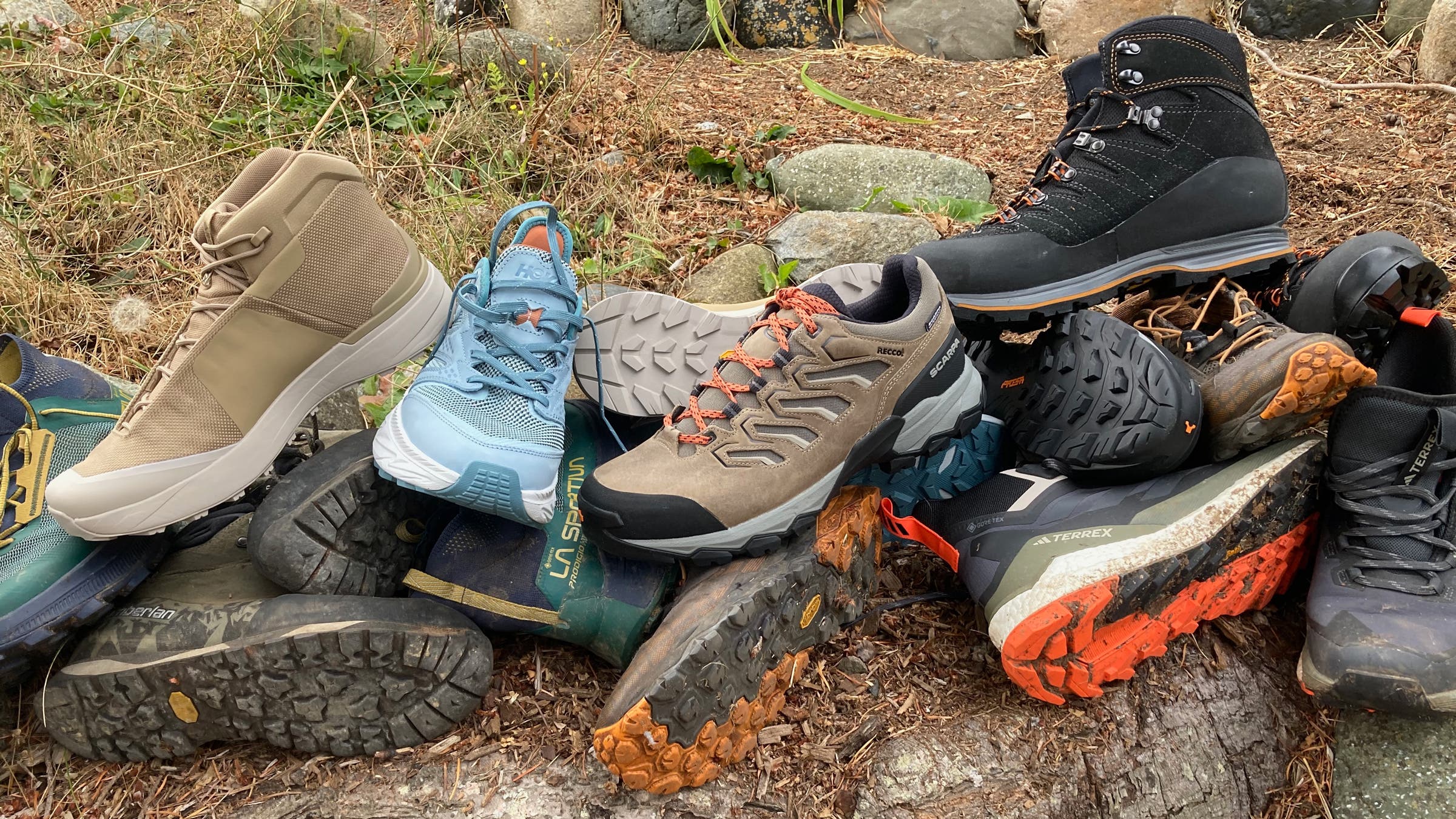
Understanding shoe features helps you compare products without relying only on advertising. Good hiking shoes should solve real problems on the trail.
Outsole and traction
The outsole is the rubber part that touches the ground. Look for deep, well-spaced lugs when you hike on mud, loose soil, or steep trails.
Smaller lugs may work well on hard-packed paths and rocky surfaces. Very aggressive lugs can feel awkward on pavement and may wear faster during road walks.
Rubber compounds also matter. Softer rubber often grips wet rock better, while harder rubber may last longer. No outsole grips every surface perfectly, so match the shoe to your normal terrain.
Midsole cushioning
The midsole sits between the outsole and your foot. It absorbs some shock and affects how stable the shoe feels.
Foam midsoles are common because they are light and comfortable. A firm midsole may feel better on rocky trails because it protects your feet from sharp edges. A soft midsole may feel pleasant on smooth paths but less stable on uneven ground.
Good hiking shoes should cushion your feet without feeling like unstable pillows. You should still feel in control when stepping over roots or rocks.
Toe protection
A reinforced toe cap can protect your toes when you kick a rock or walk through rough terrain. This feature is valuable because even a small impact can end a hike.
Some lightweight shoes use flexible synthetic material instead of a hard toe cap. These may feel cooler and lighter but provide less impact protection.
Upper materials
Leather is durable and often resists abrasion well. It may also provide a structured fit, but it can feel heavy and take longer to dry.
Synthetic materials are usually lighter and more breathable. They often dry faster, but they may show wear sooner in harsh conditions.
Mesh improves airflow but can allow water, sand, and small stones to enter. Think about where you hike before choosing the upper material.
Waterproof membranes
Waterproof hiking shoes can keep rain and shallow puddles out. They are useful in cool, wet weather and on trails with frequent damp conditions.
However, waterproof shoes are not magic. Water can enter through the opening, wet socks can remain inside, and sweaty feet may feel damp from within. In hot weather, breathable nonwaterproof shoes may be more comfortable.
A waterproof membrane can also slow drying after a deep stream crossing. This is one reason I do not use waterproof shoes for every summer hike.

How Should Hiking Shoes Fit?
Fit is the most important part of choosing good hiking shoes. A shoe with excellent materials will still cause pain if the shape does not match your foot.
Try shoes later in the day if possible. Feet often swell after hours of walking, so a pair that fits in the morning may feel tight in the afternoon.
Wear the socks you plan to use while hiking. Thick wool socks can change the fit more than you might expect.
Check these points:
• Your toes should not touch the front when standing or walking downhill.
• Your heel should stay mostly in place when you walk.
• The widest part of your foot should sit over the widest part of the shoe.
• Your toes should have enough space to spread.
• The upper should hold your foot without creating pressure points.
• The shoe should bend near the ball of your foot, not in the middle.
Walk around the store for several minutes. If you feel rubbing, numbness, sharp pressure, or heel movement, do not assume the problem will disappear.
I once ignored mild rubbing near my little toe because the rest of the shoe felt supportive. After a long hike, that small spot became a painful blister. The lesson was simple: early discomfort is useful information, not something to “walk off.”
How much toe room is enough?
You generally want about a thumb’s width between your longest toe and the front of the shoe. This space helps when your feet swell and keeps your toes from hitting the front on descents.
The exact amount depends on your foot shape and the shoe design. Too much space can make your foot slide, so aim for room without losing control.
How should you lace hiking shoes?
Use a firm heel lock if your heel lifts. A common method is to use the extra eyelets near the ankle to create a small loop, then pull the laces through those loops before tying.
Loosen the lower laces if your toes feel cramped. Tighten the upper laces for downhill control, but avoid cutting off circulation.
Choosing Good Hiking Shoes for Different Trails
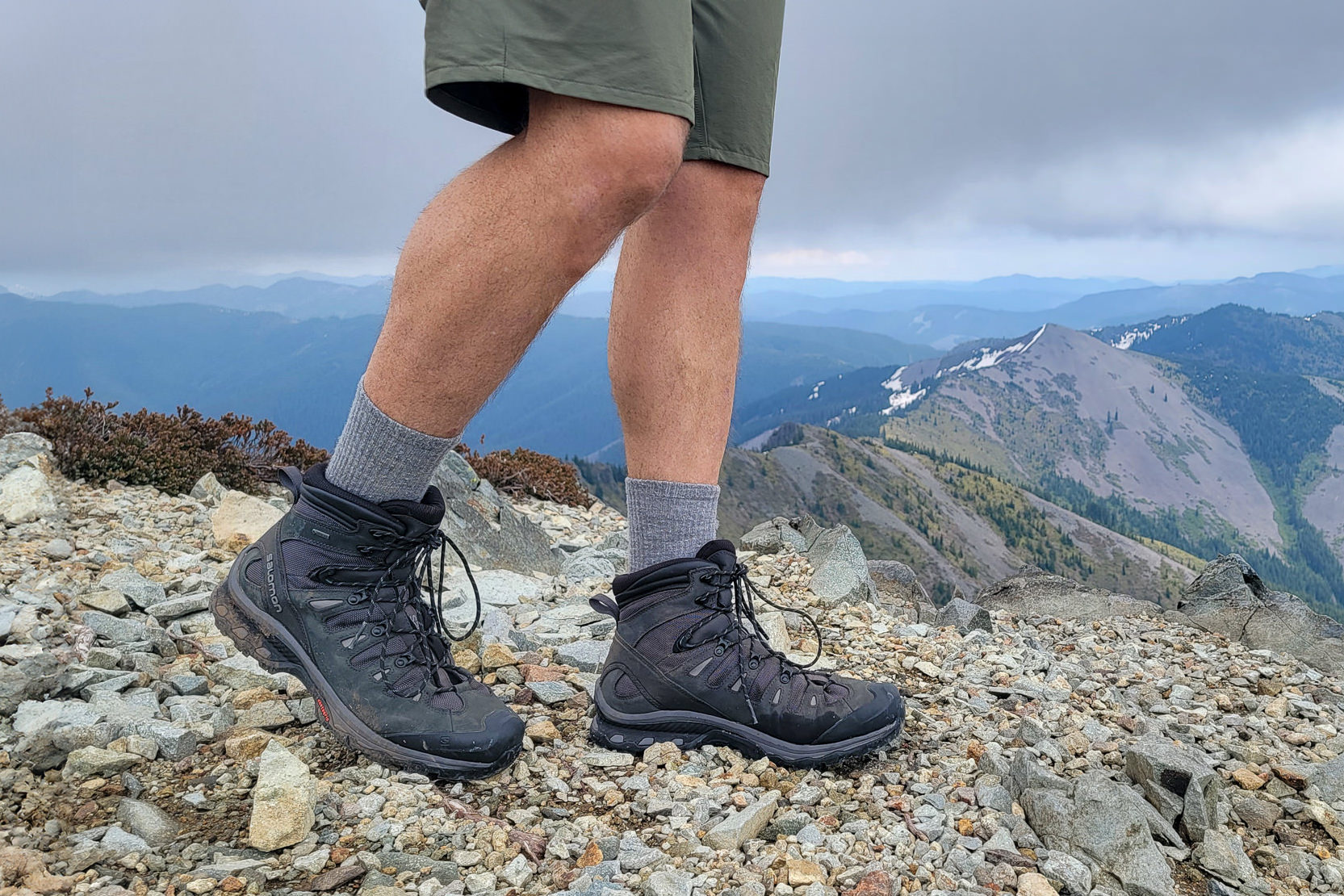
The best hiking footwear depends on the trail, climate, distance, and load you carry.
Easy day hikes
For maintained trails, parks, and short walks, lightweight hiking shoes are often enough. Choose comfort, basic traction, and breathable materials.
You may not need a heavy boot if the trail has little elevation change and you carry only a small daypack.
Rocky and technical trails
Rocky trails require a stable sole and strong underfoot protection. A firmer midsole can help reduce foot fatigue when you step on sharp stones.
A secure heel and protective toe cap also matter. Flexible shoes can work, but they should not allow your foot to twist inside the shoe.
Muddy trails
Muddy ground needs deep lugs with space between them. Closely packed tread may collect mud and lose grip.
Waterproof shoes can help in shallow wet areas, but gaiters may provide better protection when mud and water are deep.
Hot and dry trails
Breathability is often more important than waterproofing in hot climates. Mesh uppers can reduce heat and help sweat escape.
Carry extra socks if you hike far from your vehicle. Even breathable shoes can become uncomfortable after hours in heat.
Cold and wet trails
Look for insulation, water resistance, and a sole that remains flexible in cool temperatures. Thick socks may require a larger shoe size.
Remember that warm socks need space. A shoe that fits perfectly with thin socks may become too tight in winter.
Backpacking trips
Heavy loads increase stress on your feet and legs. Backpacking footwear should provide strong support, durable construction, and dependable traction.
A boot is not always required. Experienced hikers often use trail runners with heavy packs, but this choice depends on conditioning, terrain, and personal comfort.

Are Waterproof Hiking Shoes Worth It?
Waterproof hiking shoes are worth considering if you often hike in rain, wet grass, shallow snow, or cool climates. They can help keep your feet dry during normal wet-weather use.
They are less useful when hiking in hot weather, crossing deep streams, or traveling in places where shoes cannot dry overnight. Once water enters a waterproof shoe, the membrane may trap moisture for a long time.
Think about the type of wetness you face:
• Rain: Waterproof shoes can work well.
• Wet grass: Waterproof shoes can keep socks dry.
• Shallow puddles: Waterproof shoes may help if the opening stays above the water.
• Deep streams: No low shoe can prevent water from entering over the collar.
• Sweaty feet: Breathable, nonwaterproof shoes may feel better.
Waterproofing also needs care. Dirt can block the fabric and reduce breathability. Clean the shoes according to the manufacturer’s instructions, and refresh the water-resistant treatment when needed.
For many hikers, the best solution is to own two pairs: breathable shoes for warm, dry trips and waterproof shoes for cooler, wetter days.

Common Problems Caused by Poor Hiking Shoes
Poor footwear can turn a relaxing hike into a painful walk back to the trailhead. The most common problems include blisters, bruised toes, hot spots, sore arches, and tired legs.
Blisters
Blisters form when repeated friction damages the skin. Loose heels, rough seams, wet socks, and poor sizing can all contribute.
To reduce the risk:
• Break in new shoes with short walks.
• Keep your feet dry when possible.
• Stop when you feel a hot spot.
• Use hiking socks that fit well.
• Consider blister patches for known trouble areas.
Do not wait until the skin is badly damaged. A small hot spot is much easier to manage than a large open blister.
Black toenails and bruised toes
These problems often result from shoes that are too short or lacing that allows your foot to slide forward. Downhill walking makes the issue worse.
Good hiking shoes should leave enough room at the front. Use a heel-lock lacing method and keep your toenails trimmed.
Arch and heel pain
Arch pain may come from poor support, an unsuitable foot shape, or a sudden increase in hiking distance. Heel pain can also occur when the shoe does not cushion or stabilize your foot well.
If pain continues during normal daily activity, consult a qualified health professional. Hiking shoes cannot correct every foot problem.
Ankle rolls
A low hiking shoe does not automatically cause ankle injuries. However, unstable ground, fatigue, weak muscles, and poor balance can increase risk.
People with a history of ankle injuries may prefer boots or shoes with a more stable platform. Training and careful foot placement matter too.
How to Break In Good Hiking Shoes
Some modern hiking shoes feel comfortable right away, but you should still test them before a long hike. Breaking them in helps you find pressure points and lets materials soften.
Follow this simple process:
-
Wear the shoes at home for 30 to 60 minutes.
-
Walk on easy ground for a short trip.
-
Add hills and uneven ground gradually.
-
Test them with your normal socks and pack.
-
Check your feet after each walk.
Do not take brand-new shoes on a demanding hike unless you have no other option. A short walk near home can reveal a problem before you are several miles into the wilderness.
I prefer to test new hiking shoes on a familiar loop with a few hills. That route gives me enough information without creating a difficult rescue problem if the fit fails.

How to Care for Hiking Shoes
Good care can extend the life of your hiking shoes and protect their performance.
Remove dirt after each hike. Use a soft brush and clean water for most materials. Avoid harsh detergent unless the manufacturer specifically recommends it.
Let shoes dry at room temperature. Do not place them directly against a heater or use intense heat, as this can damage adhesives, leather, and waterproof membranes.
Other useful care tips include:
• Remove the insoles so air can reach the inside.
• Untie the laces before taking shoes off.
• Store shoes in a cool, dry place.
• Replace worn insoles if the shoe still has good structure.
• Inspect the outsole for smooth areas and missing lugs.
• Replace shoes when the midsole feels flat or the upper no longer holds your foot.
There is no fixed mileage number for replacement. A lightweight shoe may wear faster than a sturdy hiking shoe, and rocky trails can damage soles sooner than soft paths.

How Much Should Good Hiking Shoes Cost?
Good hiking shoes can cost anywhere from about $60 to more than $200 in the United States. Price often reflects materials, construction, waterproof membranes, durability, and brand research.
A higher price does not guarantee a better fit. An affordable shoe that matches your foot and terrain may perform better than an expensive shoe that causes pain.
When comparing prices, consider:
• How often you hike
• Whether you need waterproofing
• How rough your trails are
• How much weight you carry
• Whether the shoe can be repaired or resoled
• How long the outsole and upper are likely to last
For occasional park hikes, a basic trail shoe may be enough. For frequent backpacking trips, investing in durable footwear can reduce discomfort and replacement costs over time.
Check the store’s return policy. Wearing shoes indoors on a clean surface gives you time to assess the fit without damaging the outsole.
A Simple Buying Checklist
Use this checklist when shopping for good hiking shoes:
• Identify your main trail type.
• Decide whether you need hiking shoes, boots, or trail runners.
• Try shoes late in the day.
• Wear your usual hiking socks.
• Check toe room and heel security.
• Walk uphill and downhill if possible.
• Look for traction that matches the surface.
• Consider breathability before choosing waterproofing.
• Check the return policy.
• Test the shoes before a long hike.
Do not choose based only on weight, appearance, or online reviews. Reviews can reveal patterns, but feet vary widely. A shoe that feels perfect to one hiker may feel narrow, stiff, or unstable to another.
Frequently Asked Questions About What Are Good Hiking Shoes
What are good hiking shoes for beginners?
Good hiking shoes for beginners are comfortable, stable, and suited to the trails they plan to use. Lightweight hiking shoes often work well for easy day hikes, while boots may help on rough terrain or with heavy packs.
Should hiking shoes be tight or loose?
Hiking shoes should feel secure but not tight. Your heel should stay in place, while your toes need room to spread and avoid touching the front during downhill walks.
Are hiking shoes better than sneakers?
Hiking shoes usually provide better traction, protection, and durability than ordinary sneakers. Sneakers may work for smooth, dry paths, but they can lack grip and support on uneven trails.
Do good hiking shoes need to be waterproof?
No, good hiking shoes do not always need to be waterproof. Waterproof shoes help in cool, wet conditions, while breathable shoes often feel better in hot weather or during hikes that involve deep water crossings.
How long do hiking shoes last?
Hiking shoes may last several hundred miles, but the exact life depends on the shoe, your weight, terrain, and care. Replace them when the tread is worn, cushioning feels flat, or the upper no longer holds your foot securely.
Can I wear new hiking shoes on a long hike?
It is better to test new hiking shoes on short walks first. This helps you find rubbing, pressure points, and fit problems before they become serious on the trail.
Conclusion
Good hiking shoes should fit your feet, match your trail, and protect you from the conditions you expect to face. Focus on traction, toe room, heel security, cushioning, breathability, and the right level of water protection.
Try your shoes with hiking socks, test them before a long trip, and treat discomfort as a warning rather than a challenge. The best pair is not always the most expensive or popular; it is the pair that helps you walk with confidence from the first mile to the last.
Use this guide before your next purchase, compare a few well-fitting options, and share your favorite hiking shoe tips or trail experiences in the comments.

Michael Smith is the Content Strategist behind The Style Hub, where fashion meets function. With a keen eye for trends and a passion for everyday style, he curates content that helps readers make smarter, more stylish choices—from the perfect pair of sneakers to must-have accessories. Michael specializes in breaking down fashion into practical, wearable insights, making style accessible for everyone. When he’s not researching the latest trends, he’s exploring how comfort, innovation, and timeless design come together in modern fashion.