Are Barefoot Shoes Good For Plantar Fasciitis: Key Facts
Barefoot shoes may help some people with plantar fasciitis, but they can worsen pain for others.
The answer to “are barefoot shoes good for plantar fasciitis” depends on your pain level, foot strength, walking habits, and how fast you make the change. Barefoot shoes offer a wide toe box, a thin sole, and little support, so they may improve foot movement for some people but place more stress on the plantar fascia for others. This guide explains the research, benefits, risks, and safest way to decide.
What Is Plantar Fasciitis?
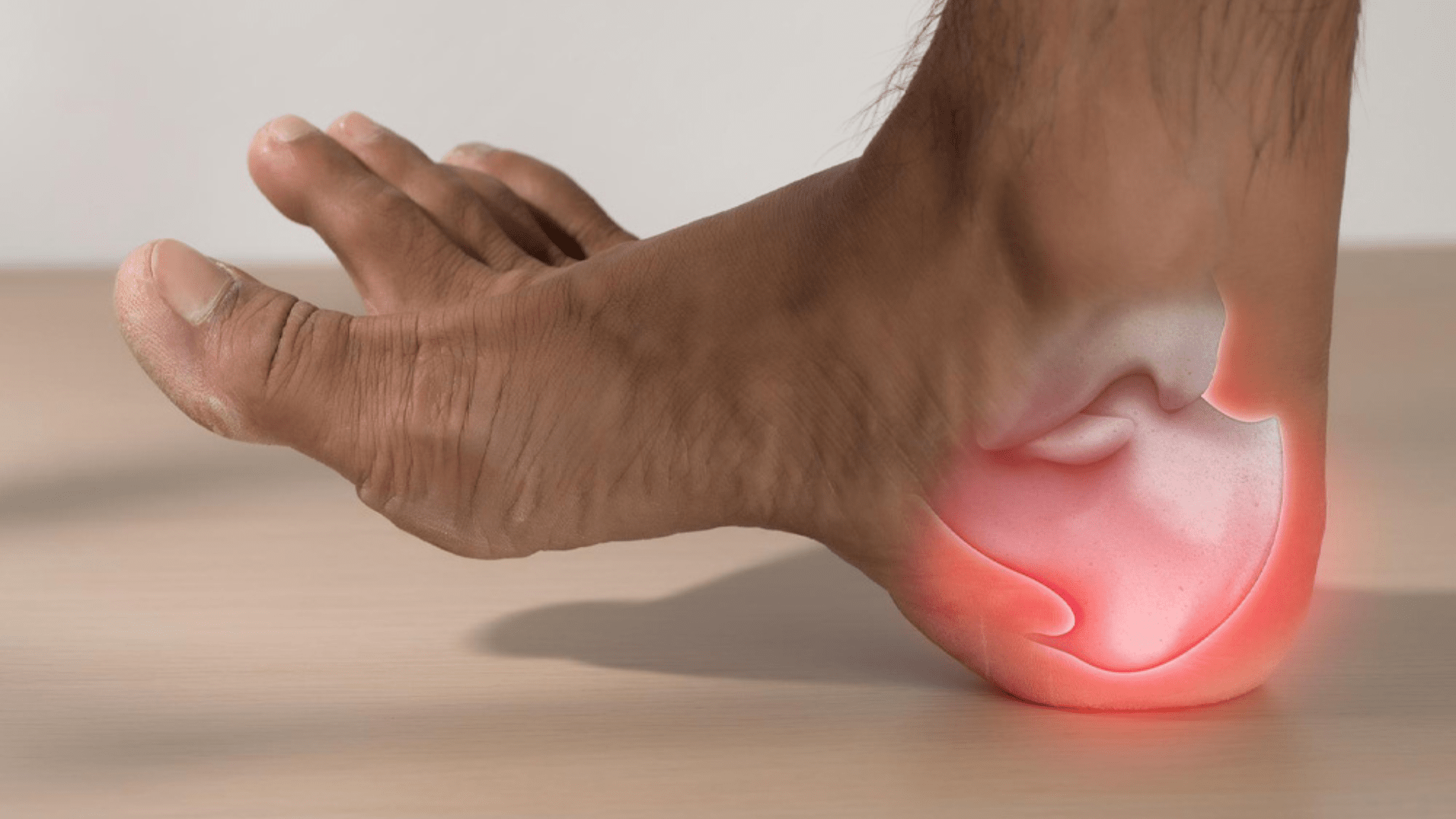
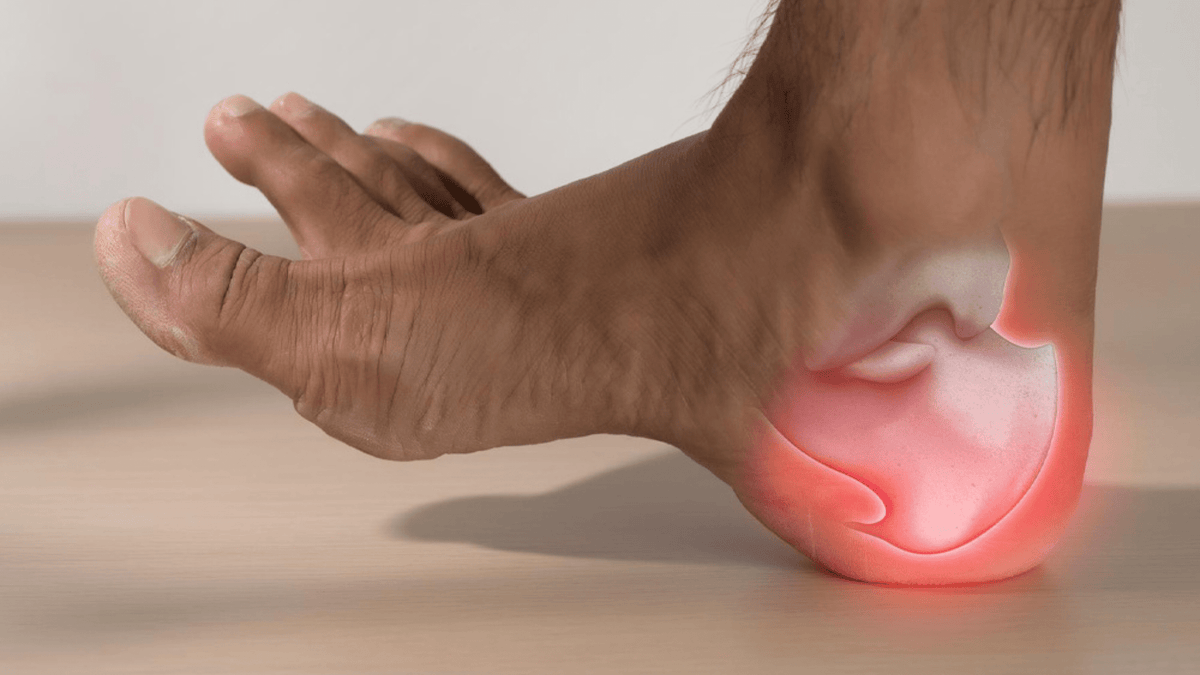
Plantar fasciitis is one of the most common causes of heel pain. It affects the plantar fascia, a strong band of tissue that runs from the heel bone to the base of the toes.
This tissue helps support your arch and absorb shock when you walk or run. Repeated strain can cause small injuries and irritation. Pain often feels sharp near the bottom of the heel, especially after waking up or standing after a long rest.
Common signs include:
• Sharp heel pain with the first steps in the morning
• Pain after sitting for a long time
• Tenderness near the inner heel
• Stiffness in the foot or calf
• Pain that improves during movement but returns later
Plantar fasciitis is not always caused by one event. It may develop after a sudden increase in walking, running, sports, or standing. Tight calf muscles, weak foot muscles, excess body weight, and shoes with poor fit may also play a role.
Most cases improve with simple care over time. However, pain that lasts for several weeks, becomes severe, or limits normal activity deserves an evaluation by a medical professional.

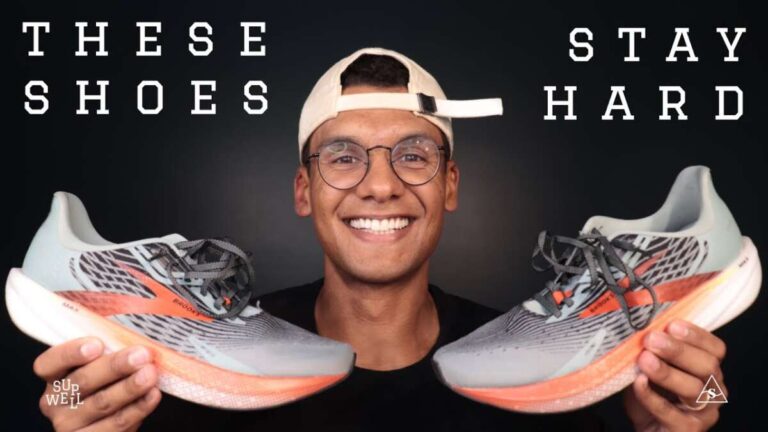
What Are Barefoot Shoes?
Barefoot shoes are designed to let your feet move in a more natural way. They usually have three main features:
• A wide toe box that allows the toes to spread
• A flat sole with little or no heel drop
• A thin, flexible sole that gives less cushioning and support
Some brands call these shoes minimalist shoes. The terms are similar, but not every minimalist shoe is fully barefoot. A minimalist running shoe may have a slightly thicker sole or a small amount of cushioning.
Traditional walking shoes often raise the heel, stiffen the sole, narrow the toes, and add arch support. Barefoot shoes remove much of that structure. This can help your feet move and work more actively, but it also asks more from the muscles, tendons, and fascia.
Think of the change like moving from a cushioned office chair to a firm stool. Your body may adapt well, but it needs time. A sudden switch can create soreness.

Are Barefoot Shoes Good for Plantar Fasciitis?
Barefoot shoes are not automatically good or bad for plantar fasciitis. They may help some people, but they may also increase heel pain during an active flare.
The main concern is the amount of load placed on the plantar fascia. A flat, thin shoe gives less help with shock absorption and arch support. If your foot is weak or your calf is tight, the plantar fascia may work harder with each step.
On the other hand, a wide toe box may reduce pressure on the front of the foot. Flexible shoes may also improve toe movement and help some people build foot strength over time. These possible benefits do not mean barefoot shoes treat plantar fasciitis on their own.
The best answer depends on your starting point:
• If your heel pain is mild and stable, a slow transition may be reasonable.
• If your pain is severe, barefoot shoes may make symptoms worse.
• If you already walk barefoot without pain, you may adjust more easily.
• If you rely on strong arch support, remove it gradually rather than all at once.
• If you have diabetes, nerve loss, arthritis, or poor circulation, speak with a clinician before trying minimalist footwear.
Research on minimalist shoes and plantar fasciitis remains limited. Studies support exercise, calf stretching, and load management more strongly than any specific shoe type. Shoes should support your recovery plan, not replace it.

Possible Benefits of Barefoot Shoes
When used carefully, barefoot shoes may offer several benefits. These benefits are not guaranteed, and they often depend on a slow transition.
A Wider Toe Box
Many regular shoes squeeze the toes together. A wide toe box lets the big toe and smaller toes spread more freely.
Better toe space may improve comfort and balance. It can also reduce pressure from bunions, corns, or cramped toes. However, toe room alone does not heal an irritated plantar fascia.
More Natural Foot Movement
Barefoot shoes allow more movement through the toes and midfoot. This may help you notice how your foot lands and pushes off.
Some people feel more connected to the ground in flexible shoes. That awareness may encourage better control during walking. Still, a natural feeling does not always mean less stress on the heel.
Gradual Foot Muscle Training
Minimalist footwear may require the small muscles in the foot to work harder. Over time, this could support strength and control.
The key word is gradual. Wearing barefoot shoes for a full day on your first attempt is like lifting heavy weights without training. Your feet may become sore, and the plantar fascia may become overloaded.
Less Pressure From a High Heel
A high heel-to-toe drop can shorten the calf position during walking. A flat shoe places the heel and forefoot at a similar height.
Some people find this position comfortable. Others feel more pull through the calf and heel. The effect is personal and depends on ankle flexibility, foot strength, and current pain.
Better Fit for Some Feet
A shoe that fits poorly can create pressure and alter how you walk. Barefoot shoes often come in foot-shaped designs that give more room across the forefoot.
A good fit can reduce rubbing and improve comfort. It cannot correct every cause of plantar fasciitis, but it may remove one source of irritation.
Risks of Barefoot Shoes With Plantar Fasciitis
Barefoot footwear can be useful, but it has clear limits. The biggest mistake is treating it as a cure or changing shoes too fast.
Increased Heel Stress
Thin soles provide less cushioning between your heel and hard surfaces. This may be uncomfortable on concrete, tile, or asphalt.
People with sensitive heels may notice more pain when walking barefoot or in very thin shoes. If your first steps already hurt, extra impact may not be helpful.
Greater Calf and Achilles Load
A flat shoe can increase the stretch placed on the calf and Achilles tendon. This may also change the pull on the plantar fascia.
You may feel soreness in the calves after only a short walk. That soreness is a warning to reduce the time, not a sign that you must push through.
Faster Fatigue
Minimalist shoes may make your feet and lower legs work harder. Fatigue can affect your walking pattern and increase strain.
A tired foot may roll inward, grip the ground, or avoid normal movement. These changes can keep heel pain going.
More Pain During a Flare
During an active plantar fasciitis flare, the tissue needs a sensible balance of movement and rest. A shoe with no support may not provide enough comfort for daily tasks.
There is no benefit in forcing yourself to wear barefoot shoes while limping. A temporary return to a comfortable, supportive shoe may be the wiser choice.
Injury Risk During a Sudden Transition
A quick switch can lead to calf strain, Achilles pain, metatarsal pain, or stress injury. This is especially true for runners who move from cushioned shoes to zero-drop shoes.
Your bones, muscles, and tendons need time to adapt. A slow plan is safer than a dramatic change.

How to Try Barefoot Shoes Safely
If you want to test barefoot shoes, treat the change as a training plan. Start with short periods and watch how your body responds over the next day.
-
Choose a comfortable pair with a wide toe box.
-
Wear them indoors for 10 to 15 minutes.
-
Walk on a soft, level surface at first.
-
Keep your normal supportive shoes nearby.
-
Increase wear time by only a few minutes every few days.
-
Stop or reduce use if heel pain, calf pain, or Achilles pain rises.
-
Avoid running, hiking, or long walks until normal walking feels easy.
A useful rule is the next-morning test. If your heel feels worse when you take your first steps the next morning, the previous day was too demanding.
Do not judge a shoe by one brief walk. Notice your pain during the activity, later that day, and the next morning. Your response over 24 hours gives a better picture.
You can also begin with a shoe that has a wider toe box and a modest sole. This may provide an easier bridge than a very thin, zero-drop model.
Exercises That May Help Plantar Fasciitis
Footwear works best with a complete plan. Exercise can improve strength, flexibility, and tolerance to daily loads.
Calf Stretch
Stand facing a wall. Place one leg behind you, keep the back heel down, and bend the front knee. Hold the stretch for 20 to 30 seconds and repeat two or three times.
Do not bounce or force the stretch. You should feel gentle tension, not sharp heel pain.
Plantar Fascia Stretch
Sit down and cross the painful foot over the opposite knee. Pull the toes back gently until you feel a stretch along the sole.
This stretch may be useful before taking your first steps in the morning. Move slowly and stop if it causes sharp pain.
Calf Raises
Stand near a wall or chair for balance. Rise onto your toes, then lower your heels slowly.
Start with both feet. Later, you may progress to one foot if it feels comfortable. Slow lowering helps build control in the calf and foot.
Towel Scrunches
Place a towel on the floor and use your toes to draw it toward you. This exercise can activate the small foot muscles.
Keep the effort light. Strong gripping may increase tension rather than improve movement.
Load Management
Exercise is only one part of recovery. Reduce sudden increases in walking, running, or standing.
You do not need complete bed rest. Instead, choose activity levels that do not cause a clear increase in pain the next morning.

Other Shoe Features to Consider
The best shoes for plantar fasciitis are not the same for everyone. Look beyond the barefoot label.
Cushioning
Some people prefer a soft, cushioned sole because it reduces impact. Others feel more stable on a firmer sole.
Choose the level that feels comfortable during walking and does not increase next-day pain.
Heel Drop
Heel drop describes the height difference between the heel and the forefoot. Barefoot shoes usually have a zero drop.
A higher drop may reduce calf tension for some people. It can also place more pressure toward the front of the foot. Neither option is perfect for every person.
Arch Support
Arch support may make walking more comfortable during a painful period. It does not mean your feet are weak or damaged.
However, very firm support can feel irritating for some people. Comfort and function matter more than a shoe feature used in isolation.
Sole Flexibility
A flexible sole allows more foot movement. A moderately stiff sole may reduce painful bending through the foot.
If your heel hurts with each step, a little structure may feel better while the tissue settles.
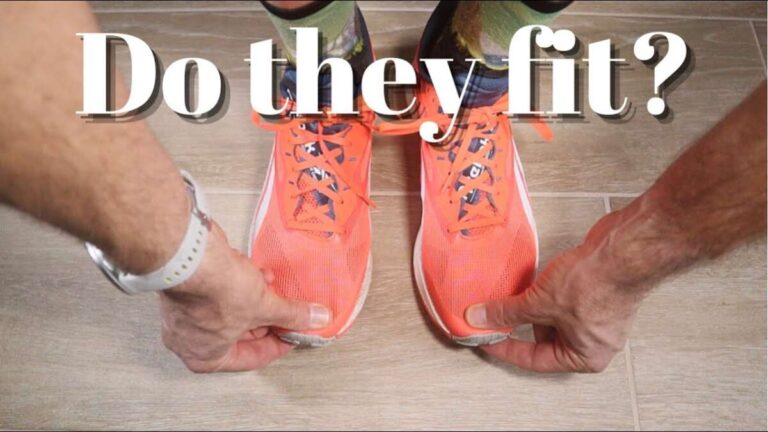
Fit and Width
Your toes should not touch the front of the shoe. The widest part of your foot should sit comfortably inside the widest part of the shoe.
Try shoes later in the day, when feet may be slightly larger. Wear the socks you normally use.

Barefoot Shoes for Walking and Running
Walking and running create different demands. A shoe that feels fine for a short walk may not work for a five-mile run.
For walking, begin on flat ground at a slow pace. Avoid long walks on hard surfaces until you know how your heel responds.
For running, use extra caution. Running creates repeated impact and requires more strength from the foot and calf. Start with short walk-run intervals rather than changing your entire running schedule.
A sample transition may look like this:
• Week one: 10 minutes of barefoot shoes during easy walking
• Week two: 15 to 20 minutes, if pain remains stable
• Week three: short periods during routine errands
• Later: brief walk-run intervals, only after pain-free walking
This schedule is only an example. Some people need more time, while others should avoid the transition until symptoms improve.
Never increase shoe change, distance, speed, and hills at the same time. Change one factor at a time so you can identify what causes trouble.

When to Avoid Barefoot Shoes
Barefoot shoes may not be a good choice during certain situations. Consider waiting or getting medical advice if you have:
• Severe or worsening heel pain
• Pain that causes limping
• A recent foot or ankle injury
• A stress fracture or suspected fracture
• Significant flat feet with poor control
• Diabetes with reduced foot sensation
• Nerve problems or poor circulation
• A recent foot operation
• Pain that lasts more than six to eight weeks
Seek prompt medical care for major swelling, redness, warmth, fever, numbness, or sudden inability to bear weight. These signs may point to a problem other than simple plantar fasciitis.
A podiatrist, physical therapist, or sports medicine clinician can assess your gait, ankle motion, foot strength, and shoe needs. This is especially useful when pain keeps returning.
What I Would Watch During a Real-World Trial
I cannot personally wear or test shoes, so I do not want to pretend otherwise. Based on clinical guidance, footwear research, and common patterns reported in rehabilitation settings, I would track three things during a trial: pain during walking, pain later that day, and first-step pain the next morning.
One common mistake is focusing only on how the shoe feels at the store. A shoe can feel freeing for ten minutes and still create a painful response after several hours. The next morning often reveals whether the previous day’s load was appropriate.
Another mistake is assuming discomfort proves the foot is getting stronger. Mild muscle fatigue can be normal, but sharp heel pain, limping, or worsening morning pain means the plan needs to change.
A practical approach is to keep a short record:
• Time spent in the shoes
• Walking distance and surface
• Heel pain from zero to 10
• Calf or Achilles soreness
• Pain the following morning
This simple log can help you and your clinician spot patterns. It also prevents guesswork when you change shoes, exercise, or activity at the same time.
Frequently Asked Questions About Are Barefoot Shoes Good for Plantar Fasciitis
Can barefoot shoes heal plantar fasciitis?
Barefoot shoes do not have proven healing power on their own. Some people may benefit from improved foot movement and gradual strength work, but recovery usually depends on load management, stretching, strengthening, and time.
Should I walk barefoot if I have plantar fasciitis?
You may try short periods on a soft surface if walking barefoot does not increase pain. Avoid long periods on hard floors, and use supportive shoes when barefoot walking causes sharper heel pain.
Are zero-drop shoes good for plantar fasciitis?
Zero-drop shoes may feel comfortable for some people, but they can increase calf and foot demands during the transition. Start slowly and monitor your symptoms through the next morning.
What are the best shoes for plantar fasciitis?
The best shoes are comfortable, fit well, and allow you to walk without increased pain. Some people prefer cushioning and arch support, while others prefer a flexible, foot-shaped shoe.
How long does it take to adjust to barefoot shoes?
Adjustment may take several weeks or longer. Begin with short periods and increase use only when your heel and calf feel normal during the activity and the next morning.
Should runners with plantar fasciitis use barefoot shoes?
Runners should be cautious because barefoot shoes can increase stress on the calf, Achilles tendon, and plantar fascia. Wait until walking is comfortable, then use short walk-run sessions instead of making an immediate full change.
Conclusion
So, are barefoot shoes good for plantar fasciitis? They can be helpful for some people, especially when they improve comfort, toe space, and gradual foot strength. But their thin, flat design may increase heel, calf, and Achilles stress during a painful flare or a rushed transition.
Start with short wear periods, use the next-morning pain test, and combine footwear changes with stretching, strengthening, and sensible activity control. If symptoms worsen or do not improve, consult a qualified health professional for a personal assessment. Share your experience or explore more foot-care resources before choosing your next pair.

Michael Smith is the Content Strategist behind The Style Hub, where fashion meets function. With a keen eye for trends and a passion for everyday style, he curates content that helps readers make smarter, more stylish choices—from the perfect pair of sneakers to must-have accessories. Michael specializes in breaking down fashion into practical, wearable insights, making style accessible for everyone. When he’s not researching the latest trends, he’s exploring how comfort, innovation, and timeless design come together in modern fashion.