Why Barefoot Shoes Are Bad: Hidden Risks Explained
Barefoot shoes can be bad when worn too quickly, on hard surfaces, or without enough foot strength and support.
Barefoot shoes aim to copy the feel of walking barefoot. They usually have thin soles, wide toe boxes, and little cushioning or arch support. That design may help some people move more naturally, but it can also expose the feet, ankles, calves, and Achilles tendons to more stress. Understanding why barefoot shoes are bad for some users can help you choose footwear that fits your body, goals, and daily routine.
What Are Barefoot Shoes?
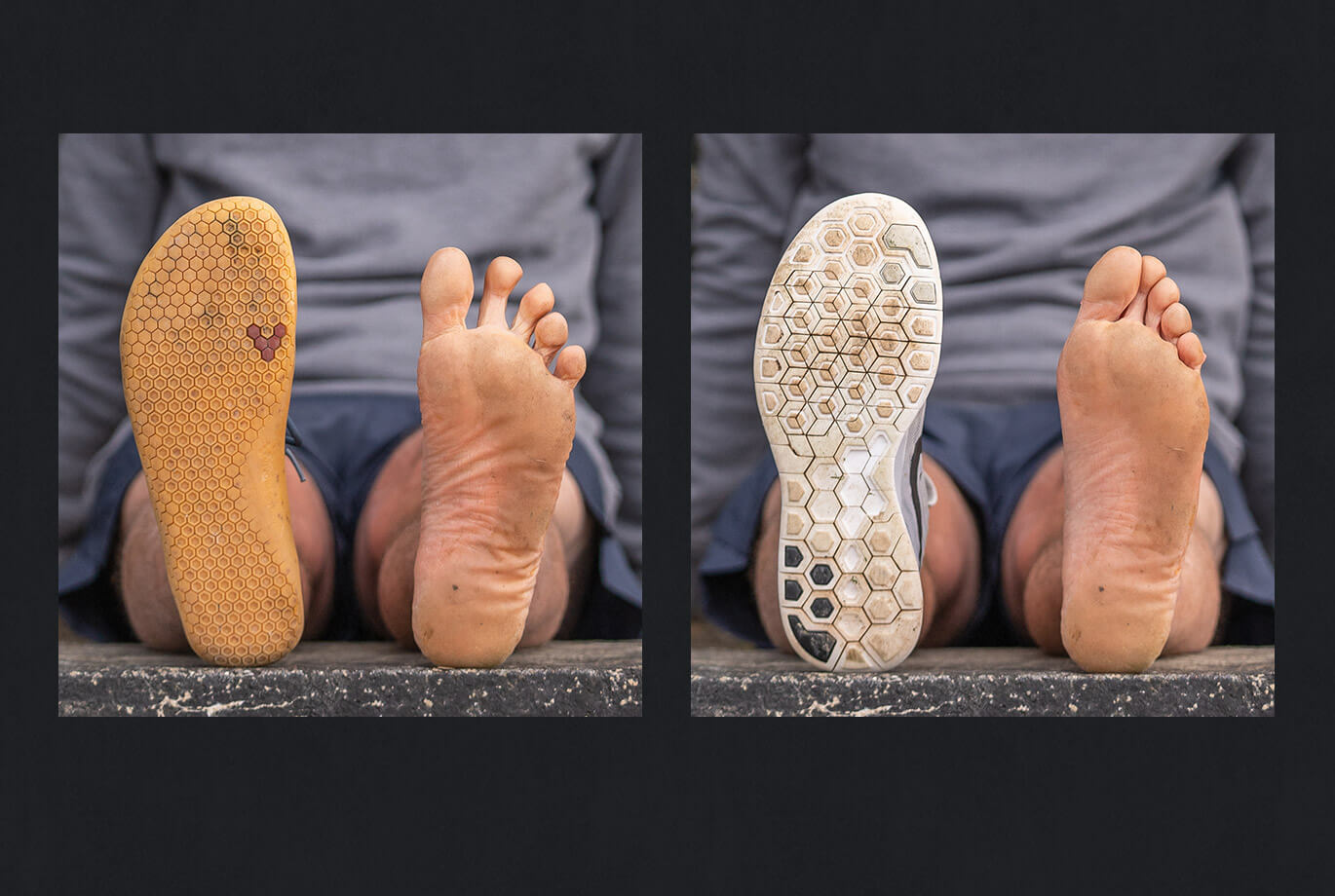
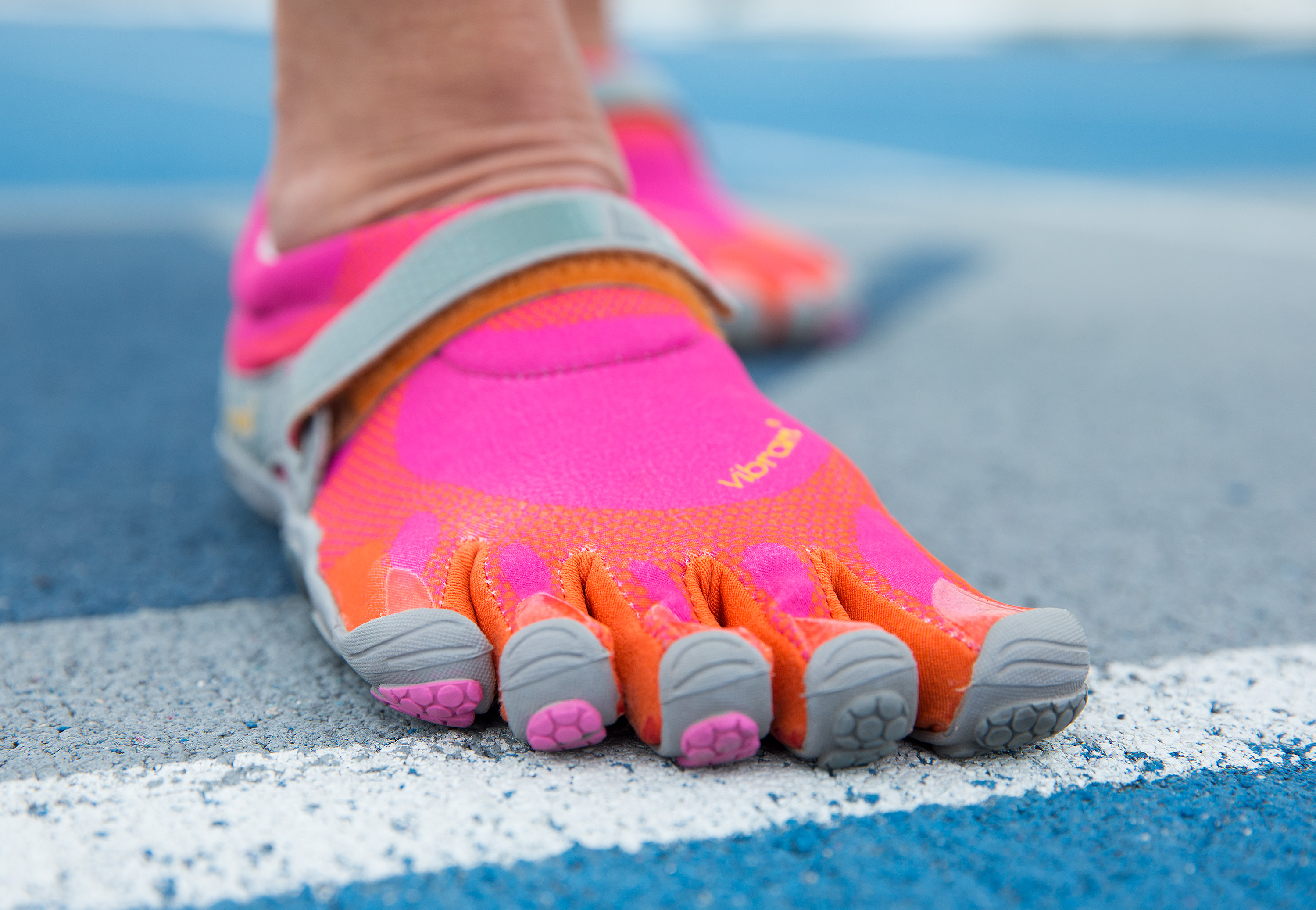
Barefoot shoes are flexible shoes designed to let your feet move with fewer limits. Most have a wide toe box, a thin sole, and a zero-drop shape. Zero drop means the heel and forefoot sit at nearly the same height.
Unlike traditional running shoes, barefoot shoes often have:
• Minimal cushioning
• Little or no arch support
• A flexible sole
• A wide front area for the toes
• A low heel-to-toe drop
• Less protection from rocks, heat, and cold
The basic idea is simple: your feet should work more like they do when you walk barefoot. This may improve foot awareness and allow more toe movement. However, a natural design is not automatically safe for every person.
The key issue is the sudden change in load. If your feet have relied on cushioned shoes for years, moving into thin shoes can be like asking an office worker to run a marathon without training. The muscles and tendons may need time to adapt.
Why Barefoot Shoes Are Bad for Some People
The main reason barefoot shoes are bad for some people is that they remove support before the body is ready. They do not create the same risk for everyone, but certain users may face more problems.
They can increase stress on the feet
Barefoot shoes allow more motion through the foot. That freedom can be useful, but it also makes the small muscles, ligaments, and tendons work harder.
This extra work may cause:
• Sore arches
• Pain under the heel
• Tenderness near the ball of the foot
• Fatigue in the toes
• Swelling after long walks
People with weak foot muscles may notice pain within days. Others may feel fine at first and develop symptoms after several weeks.
They can strain the calves and Achilles tendon
Most traditional shoes raise the heel slightly. Barefoot shoes remove much of that lift. As a result, the calf muscles and Achilles tendon may stay in a more stretched position.
This can lead to calf tightness, Achilles pain, or stiffness near the back of the ankle. The risk may be higher for people with limited ankle mobility or a past Achilles injury.
A gradual transition matters because tendons adapt more slowly than muscles. You may feel strong enough to walk farther before the tendon has truly adjusted.
They may increase impact on hard surfaces
Barefoot shoes have less cushioning between your feet and the ground. This may help you feel the surface, but it can also make concrete, asphalt, and tile feel harsh.
On hard ground, each step may create more discomfort in the heel, forefoot, or joints. The shoe does not necessarily make the impact dangerous by itself, but it gives your body less protection from repeated stress.
This is one reason why barefoot shoes are bad for people who spend all day on hard floors. A cashier, warehouse worker, nurse, or city walker may need more cushioning than a person who takes short walks on soft trails.
They may worsen existing foot problems
Barefoot shoes are not always suitable for people with:
• Plantar fasciitis
• Severe flat feet
• Rigid high arches
• Bunions that hurt during walking
• Stress fractures
• Arthritis in the foot or ankle
• Diabetes-related loss of sensation
• Peripheral neuropathy
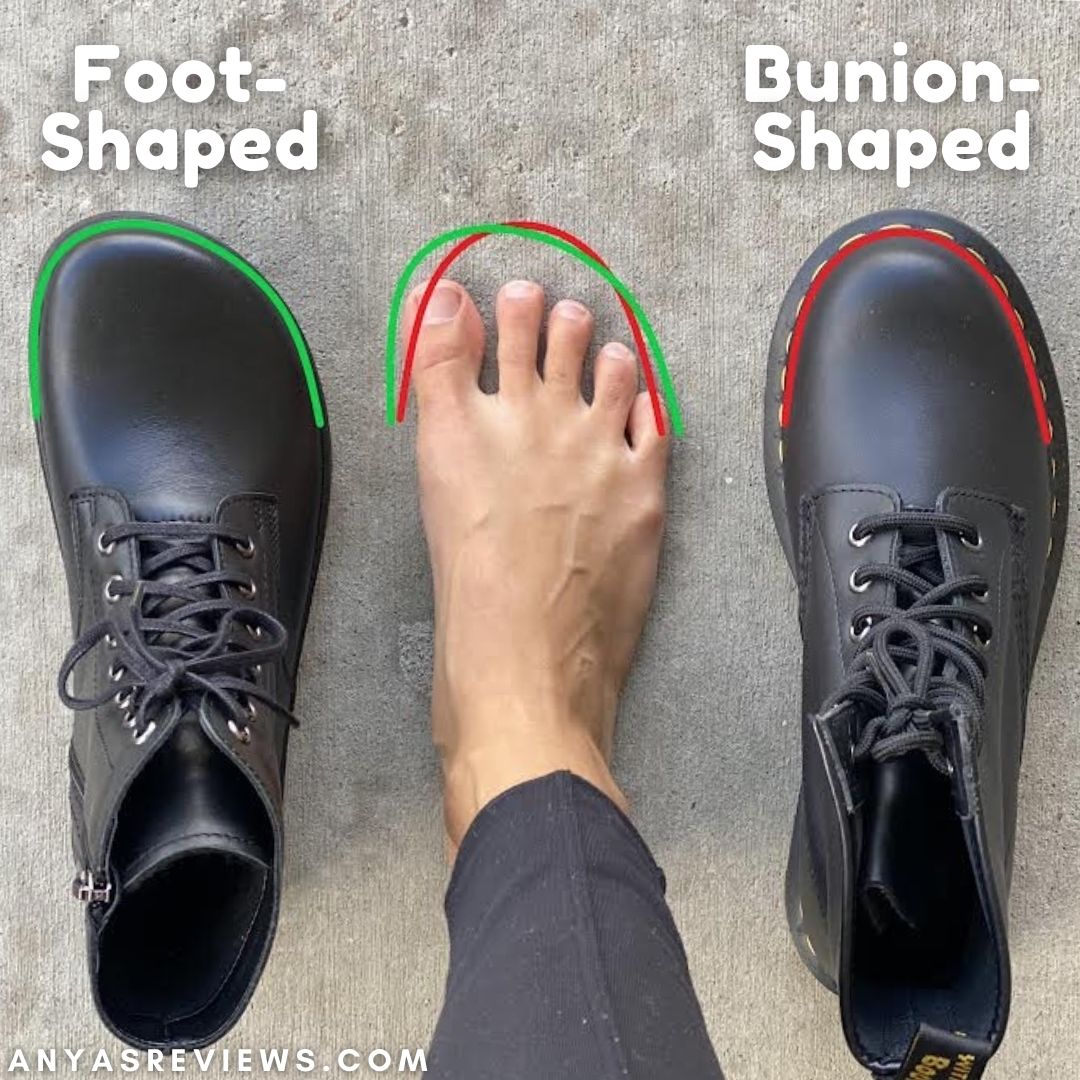
A wide toe box may feel good for some bunion sufferers, but the thin sole may still increase pain. Likewise, a person with flat feet may need stability or medical guidance rather than a sudden move to minimal footwear.
They offer less protection
Thin soles provide less defense against sharp stones, broken glass, hot pavement, and cold weather. They can also leave the feet more exposed to bruises and cuts.
This matters during outdoor work, travel, hiking, and public-gym use. A shoe that feels comfortable on a clean walking path may not be safe on a construction site or rocky trail.
The Most Common Problems Linked to Barefoot Shoes
Research on barefoot footwear is still developing. Some studies suggest possible benefits, such as stronger foot muscles or changes in running form. Other research and clinical reports describe injuries when users switch too fast.
The most common problems include the following.
Plantar fascia pain
The plantar fascia is a strong band of tissue under the foot. It helps support the arch and absorb force. Thin, flexible shoes may place more demand on this tissue.
Pain often appears near the heel, especially with the first steps in the morning. It may also worsen after standing for long periods.
Metatarsal pain
The metatarsals are the long bones behind the toes. Minimal shoes may increase pressure near the front of the foot, especially during running or long walks.
This pain can feel like a bruise under the ball of the foot. In some cases, repeated stress may contribute to a stress reaction or stress fracture.
Achilles tendon irritation
A rapid transition can overload the Achilles tendon. Pain may occur during walking, running, or climbing stairs.
Swelling and morning stiffness are warning signs. Continuing to increase distance despite these symptoms can turn a small problem into a long recovery.
Calf strains
Barefoot shoes often require more work from the calf muscles. New users may develop tightness, cramps, or small muscle strains.
This risk is common among runners who change shoes and training plans at the same time. The body may struggle to handle both changes together.
Cuts, bruises, and skin problems
A thin sole cannot block every hazard. Outdoor users may also experience blisters if the shoe shape does not fit well.
A wide toe box does not guarantee comfort. The heel, upper, and sole still need to match your foot shape and activity.
Why the Transition to Barefoot Shoes Can Go Wrong
Many problems do not come from the shoe alone. They come from using it too much, too soon.
A person may buy barefoot shoes on Monday and walk five miles on Tuesday. That jump can overload tissues that have not worked in the same way for years.
Common transition mistakes include:
- Wearing minimal shoes all day from the start.
- Running in them before walking feels easy.
- Ignoring calf tightness or foot pain.
- Changing shoes and increasing mileage at the same time.
- Using them on concrete before trying them indoors.
- Assuming discomfort means the feet are getting stronger.
- Copying a social media routine without considering body history.
Mild muscle fatigue may be normal. Sharp pain, swelling, numbness, limping, or pain that lasts into the next day is not a sign to push harder.
A safer transition often starts with 10 to 15 minutes of easy walking. You can then add a few minutes every several days if your feet feel normal during and after use.
Are Barefoot Shoes Bad for Running?
Barefoot shoes can be bad for running when the runner lacks a gradual plan. Running produces much greater forces than casual walking, so the feet and lower legs need more time to adapt.
The change may also alter your stride. Some runners land more toward the middle or front of the foot in minimal shoes. This can reduce some forces at the knee while increasing work for the calf, ankle, and foot.
That tradeoff is important. A different running form is not automatically a safer running form. Injury risk depends on training load, speed, surface, strength, sleep, past injuries, and individual structure.
If you want to try barefoot running, begin with short walk-run intervals. Keep your normal shoes available, and avoid hills, sprints, and long distances during the first stage.
Are Barefoot Shoes Bad for Walking?
Barefoot shoes may be bad for long walks if you are not used to them or if the walking surface is hard. They can work well for short periods, but comfort should guide the decision.
Start by wearing them at home or for a brief walk on a smooth surface. Check how your feet feel later that day and the following morning.
Barefoot shoes may not be ideal for:
• Long airport walks
• Full work shifts
• Shopping on concrete floors
• Long city tours
• Hiking over sharp rocks
• Standing for many hours
A cushioned walking shoe may be a better choice for these tasks. There is no prize for choosing the least supportive shoe.

Barefoot Shoes Versus Traditional Shoes
Traditional shoes and barefoot shoes solve different problems. Traditional shoes often provide cushioning, structure, traction, and protection. Barefoot shoes focus on flexibility, ground feel, and toe room.
Neither category is perfect for every person. A stiff, narrow shoe may crowd the toes and restrict natural movement. A thin, flexible shoe may place too much demand on a weak or painful foot.
Think of footwear as a tool. You would not use a kitchen knife for every job, and you do not need one pair of shoes for every activity.
A balanced shoe rotation may include:
• Cushioned shoes for long walks
• Supportive shoes for work shifts
• Barefoot shoes for short, easy activities
• Trail shoes for uneven ground
• Sport-specific shoes for running or court games
The best option is the one that lets you move without pain and supports your real needs.
Who Should Be Careful With Barefoot Shoes?
Some people can use barefoot shoes safely, but extra care is sensible if you have a medical condition or a history of injury.
Speak with a podiatrist, physical therapist, or sports medicine professional before switching if you have:
• Repeated foot or ankle injuries
• Diabetes or reduced foot sensation
• A recent surgery
• A stress fracture history
• Persistent heel pain
• Severe balance problems
• Neurological conditions
• Significant arthritis
People with reduced sensation may not notice cuts, pressure points, or early injuries. In that case, less protection can create a serious problem before symptoms appear.
Children also need special care. Their feet are still developing, and shoe choice should consider fit, activity, growth, and advice from a qualified health professional.

How to Use Barefoot Shoes More Safely
If you decide to try them, treat the change like a training plan. Slow progress is not a weakness. It is how tissues build tolerance.
Follow these practical steps:
- Check the fit. Your toes should spread without rubbing, and your heel should stay secure.
- Start indoors. Wear the shoes for 10 to 15 minutes.
- Use flat, smooth surfaces first.
- Increase time slowly, such as five to 10 minutes every few days.
- Avoid running during the first stage.
- Add basic foot and calf exercises.
- Keep a supportive pair nearby.
- Stop if pain changes your walking pattern.
- Check your feet after each session.
- Return to the prior level if symptoms last more than a day.
Simple exercises may include calf raises, towel scrunches, toe lifts, and single-leg balance. These exercises are not a cure for every foot problem, but they can help build control when performed without pain.
From reviewing many footwear transition stories, one lesson appears again and again: people often mistake soreness for progress. Stronger feet may feel tired, but they should not produce sharp or worsening pain.
When to Stop Wearing Barefoot Shoes
Stop the activity and reassess if you notice clear warning signs. Do not try to “walk through” severe pain.
Contact a health professional if you have:
• Pain that gets worse each day
• Swelling or bruising
• Numbness or tingling
• Pain at rest
• A visible change in foot shape
• Trouble putting weight on the foot
• A limp that does not resolve
• A wound that does not heal
Early care can shorten recovery. A small tendon irritation may improve with rest and a better plan, while continued overload can lead to months of pain.
Remember that discomfort can come from the activity, the shoe fit, the surface, or the transition speed. Finding the cause is more useful than blaming every problem on barefoot shoes.

What the Research Really Says
Evidence on barefoot shoes is mixed. Some studies report changes in foot muscle size, balance, or running mechanics after gradual use. These findings do not prove that minimal shoes prevent injury or improve health for everyone.
Research on running injuries also shows that no single shoe type guarantees safety. Training errors, rapid mileage increases, poor recovery, and previous injuries often matter more than shoe design alone.
Experts generally agree on several points:
• Footwear should fit the person and the activity.
• Sudden changes can increase injury risk.
• Comfort is useful, but it is not the only safety measure.
• Strong muscles and gradual training support adaptation.
• People with medical conditions may need individualized advice.
The honest answer to why barefoot shoes are bad is not that they are always harmful. It is that their low-support design can be a poor match for certain feet, surfaces, activities, and transition plans.
Frequently Asked Questions About Why Barefoot Shoes Are Bad
Why are barefoot shoes bad for your feet?
Barefoot shoes can be bad when they increase stress faster than your feet can adapt. Their thin soles and low support may aggravate heel pain, arch pain, calf strain, or Achilles irritation.
Can barefoot shoes cause plantar fasciitis?
They may contribute to plantar fascia pain in some users, especially after a sudden transition or long periods on hard surfaces. They are not the only possible cause, and a proper evaluation is helpful if heel pain continues.
Are barefoot shoes bad for people with flat feet?
Not always, but people with painful or severe flat feet should be cautious. A podiatrist or physical therapist can help determine whether minimal shoes, supportive shoes, or strengthening work is most appropriate.
Are barefoot shoes bad for running?
They can be risky for running if you switch too quickly or increase distance at the same time. Start with short walk-run sessions and stop if you develop pain, swelling, or a change in your stride.
How long does it take to adjust to barefoot shoes?
Adjustment time varies widely. Some people need several weeks, while others may need months or may never find minimal shoes comfortable for long use.
Should you wear barefoot shoes all day?
You do not need to wear them all day to receive possible benefits. Short sessions are safer during the transition, especially if your feet, calves, or Achilles tendons are not used to minimal footwear.
Are barefoot shoes safe for people with diabetes?
They may not be safe for people with reduced sensation because thin soles offer less protection and injuries may go unnoticed. People with diabetes should ask a qualified health professional before using them.
Conclusion
Barefoot shoes are not automatically bad, but they can cause trouble when they do not match your body or activity. Thin soles, little cushioning, and low support may increase stress on the feet, calves, Achilles tendons, and plantar fascia.
A gradual transition, proper fit, varied footwear, and attention to warning signs can reduce risk. If you have ongoing pain, diabetes, nerve problems, or a history of injury, seek professional advice before making the switch.
Choose shoes based on comfort, protection, and the demands of your day—not on trends alone. If this guide helped, explore more evidence-based footwear and foot-health resources, and share your experience in the comments.

Michael Smith is the Content Strategist behind The Style Hub, where fashion meets function. With a keen eye for trends and a passion for everyday style, he curates content that helps readers make smarter, more stylish choices—from the perfect pair of sneakers to must-have accessories. Michael specializes in breaking down fashion into practical, wearable insights, making style accessible for everyone. When he’s not researching the latest trends, he’s exploring how comfort, innovation, and timeless design come together in modern fashion.