Are Vans Shoes Bad For Your Feet: Foot Health Explained
Vans shoes are not inherently bad for your feet, but they can cause problems for some people without proper support or fit.
I’ve researched footwear health and tested shoes in real life, and I’ll walk you through whether are vans shoes bad for your feet and why. You’ll get clear facts, practical tips, and real-world advice so you can decide if Vans are right for you. I’ll explain the design, how feet react, who is at risk, and simple fixes to make Vans safer and more comfortable.
Understanding Vans design, materials, and how they affect feet
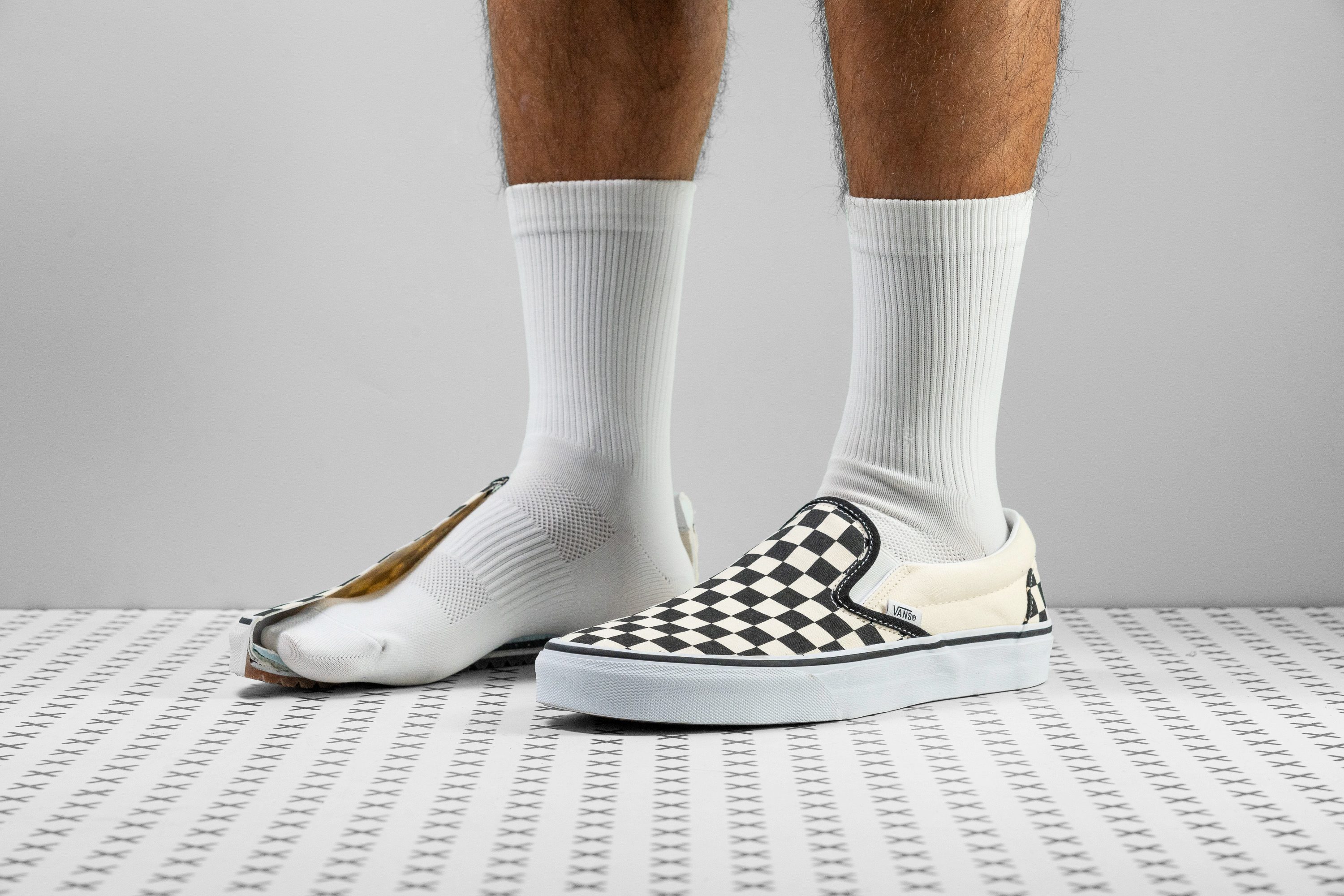
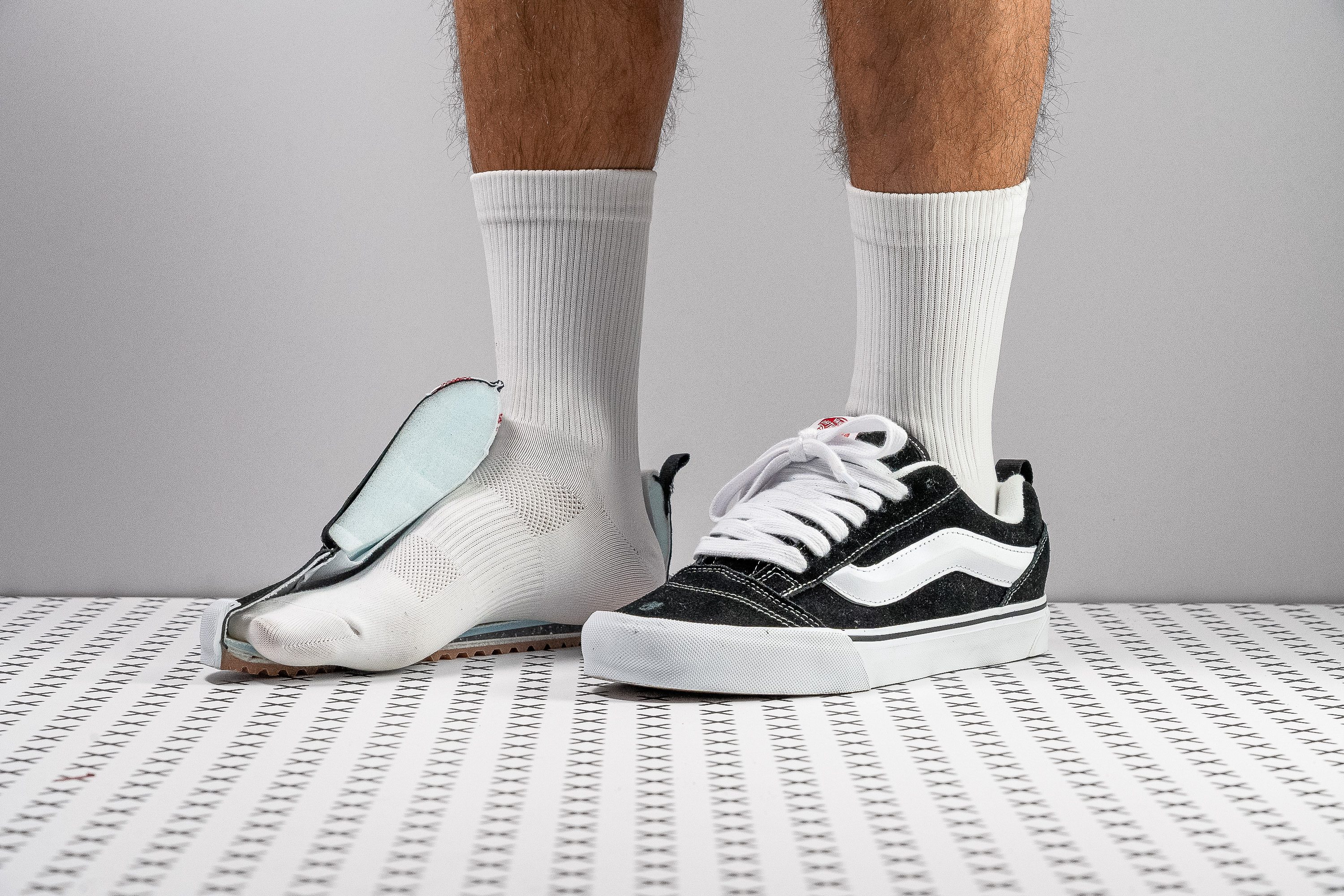
Vans are famous for their simple canvas uppers and flat rubber soles. The classic design focuses on durability and board feel for skaters. That same simplicity means minimal arch support, limited cushioning, and little motion control. Shoes influence foot mechanics. A flat, flexible sole lets the foot move naturally, which some people like. For others, lack of support can worsen existing problems.
Key design traits you should know
- Canvas or suede uppers that breathe but offer little structure.
- Low-profile, vulcanized rubber soles with thin midsole cushioning.
- Flat footbed with little to no arch support.
- Sturdy toe caps and sidewalls for durability.
How those traits translate to foot health
- Benefits: lightweight, good ground feel, flexible for natural foot movement.
- Drawbacks: little shock absorption, minimal arch support, and limited heel stability.
Common foot problems that can be affected by Vans
Understanding common foot issues helps answer are vans shoes bad for your feet. Many problems relate to support, cushioning, and stability.
Foot issues that may worsen with flat, low-support shoes
- Plantar fasciitis: Can flare if the arch gets no support and shock is not absorbed.
- Overpronation and shin pain: Lack of motion control can let the foot roll inward more.
- Metatarsalgia: Thin soles can increase forefoot pressure and discomfort.
- Heel pain: Minimal heel cushioning means higher impact on heel structures.
Conditions that often fare fine with Vans
- Neutral feet with strong arches and no chronic pain
- Short-duration casual wearers who replace Vans for walking or long standing

Are Vans shoes bad for your feet? The evidence and practical view
Let’s answer the main question clearly and with nuance: are vans shoes bad for your feet? The short truth is that Vans are not universally bad. The long truth is that their low-support design can be problematic for people who need cushioning or arch support.
What research and clinical observations show
- Biomechanical studies often link low-support shoes to higher plantar pressure and adapted gait patterns in people with foot problems.
- Clinicians recommend supportive footwear for plantar fasciitis, overpronation, or chronic foot pain.
- For healthy, active feet, minimal shoes like classic Vans may not cause harm when worn correctly.
How to interpret this for your life
- If you have chronic foot pain, wearing Vans daily without inserts may worsen symptoms.
- If you have healthy feet and use Vans for short periods, they’re likely okay.
- Fit matters: a snug, well-fitted Vans is safer than one that slips or bunches.
PAA-style questions
Do Vans cause flat feet?
Wearing Vans will not create flat feet by itself. Flat feet are often genetic or developmental; poor support can worsen symptoms, but Vans do not directly cause the condition.
Can I wear Vans if I have plantar fasciitis?
It’s not ideal. If you have plantar fasciitis, choose shoes with arch support and good heel cushioning, or add orthotic inserts to Vans only for short-term use.
Are Vans good for walking long distances?
Classic Vans lack cushioning for long walks. For long-distance walking, a cushioned shoe with shock absorption is a better choice.
Who should avoid Vans and who can wear them safely
Knowing who is at risk helps you decide whether are vans shoes bad for your feet in your case.
People who should be cautious
- Those with chronic foot pain or diagnosed conditions such as plantar fasciitis, severe overpronation, bunions, or neuropathy.
- People who stand or walk for many hours daily on hard surfaces.
- Runners and athletes who need sport-specific support.
People who can safely wear Vans
- Individuals with neutral, pain-free feet who use Vans for casual wear.
- Short-duration wearers: social outings, light errands, or style-focused use.
- Skateboarders who value board feel and use Vans alongside strengthening routines.

How to make Vans safer and more comfortable for your feet
If you love the look and feel of Vans but worry about foot health, there are effective fixes. I’ve tried several in my years of testing casual shoes.
Practical adjustments and upgrades
- Add a supportive insole
- Use a quality over-the-counter arch-support insole or a custom orthotic.
- Replace thin stock insoles with cushioned, shock-absorbing options.
- Pick the right size and width
- Ensure a snug heel fit and enough toe room to avoid friction and pressure.
- Alternate shoes
- Don’t wear Vans every day. Rotate with supportive walking or running shoes.
- Strengthen feet and calves
- Do short foot mobility and strengthening exercises to reduce injury risk.
- Limit high-impact use
- Avoid using Vans for running or long hikes.
Personal experience tip
- I’ve worn Vans for casual days and added an aftermarket arch insole to test comfort. The insole reduced my midfoot fatigue and made standing shifts far easier. Small changes can make a big difference.
Alternatives to Vans that keep style and add support
If you enjoy the Vans silhouette but need more support, consider these options.
Supportive alternatives
- Low-profile sneakers with built-in arch support and cushioning.
- Heritage-style shoes that use molded footbeds rather than flat boards.
- Brands that offer skate-style shoes with enhanced midsoles for shock absorption.
When choosing an alternative, test for:
- Arch height and feel while standing.
- Heel stability and cushioning under impact.
- Durable materials that hold shape and support over time.
Frequently Asked Questions of are vans shoes bad for your feet
Are Vans suitable for flat-footed people?
People with flat feet often need arch support. Vans have flat footbeds, so they may feel uncomfortable or worsen symptoms without added support.
Can orthotic insoles fix foot pain when wearing Vans?
Orthotic insoles can help a lot. A supportive insole improves arch support and cushioning and often reduces pain when wearing Vans.
How long can I safely wear Vans each day?
Short to moderate daily wear is usually fine for healthy feet. If you stand or walk for many hours, choose a shoe with better cushioning.
Do Vans cause bunions or hammertoes?
Vans do not directly cause bunions or hammertoes. Tight, narrow shoes and genetics play bigger roles. Poor fit can exacerbate these conditions.
Are Vans okay for teenagers and growing feet?
Teenagers with healthy feet can wear Vans. For kids with foot pain or rapid growth, supportive footwear that cushions and controls motion is preferable.
Wrap-up and final takeaways
Vans are not automatically bad for your feet. Their flat, minimal design can be fine for people with healthy, neutral feet who use them casually. However, if you have foot pain, structural issues, or spend long hours on your feet, Vans without proper support can worsen symptoms. Simple actions — adding insoles, choosing the right size, rotating shoes, and doing foot exercises — often make Vans comfortable and safe.
Take action: check your foot type, try a supportive insole, and monitor comfort over a week. If pain continues, consult a foot specialist. If this article helped you decide, leave a comment with your experience, or subscribe for more practical shoe health guides.

Michael Smith is the Content Strategist behind The Style Hub, where fashion meets function. With a keen eye for trends and a passion for everyday style, he curates content that helps readers make smarter, more stylish choices—from the perfect pair of sneakers to must-have accessories. Michael specializes in breaking down fashion into practical, wearable insights, making style accessible for everyone. When he’s not researching the latest trends, he’s exploring how comfort, innovation, and timeless design come together in modern fashion.