What Shoes Have The Best Arch Support: Top Picks For Comfort
Walking shoes, running shoes, and work shoes with firm, shaped midsoles usually offer the best arch support.
Finding what shoes have the best arch support is not only about choosing the firmest insole. The right shoe should support your foot, fit your arch shape, absorb shock, and let your toes move naturally. After reviewing footwear design, podiatry guidance, and common fit problems, I found that the best choice depends on your foot type, daily activity, and any pain you may have.
This guide explains what shoes have the best arch support, which features matter most, how to test a pair, and when you should see a foot specialist.
What Makes a Shoe Supportive?
Good arch support helps spread pressure across the foot. It can also reduce excess foot motion and improve comfort during walking or standing. However, support does not mean the shoe must feel hard or stiff.
The best shoes for arch support usually have:
• A contoured footbed that follows the shape of the arch
• A firm but comfortable midsole
• A stable heel counter that holds the heel in place
• Enough room for the toes to spread
• A secure upper that prevents the foot from sliding
• A sole that bends near the toes rather than in the middle
• Good cushioning for the surface and activity
Think of a shoe as a small support system. The insole supports the bottom of the foot, the midsole manages impact, and the heel counter keeps the foot aligned. If one part fails, the whole shoe may feel uncomfortable.
A soft, flat shoe may feel pleasant for five minutes but offer little control over a long day. On the other hand, an overly rigid shoe can create pressure under the arch. Comfort and support must work together.
What Shoes Have the Best Arch Support?
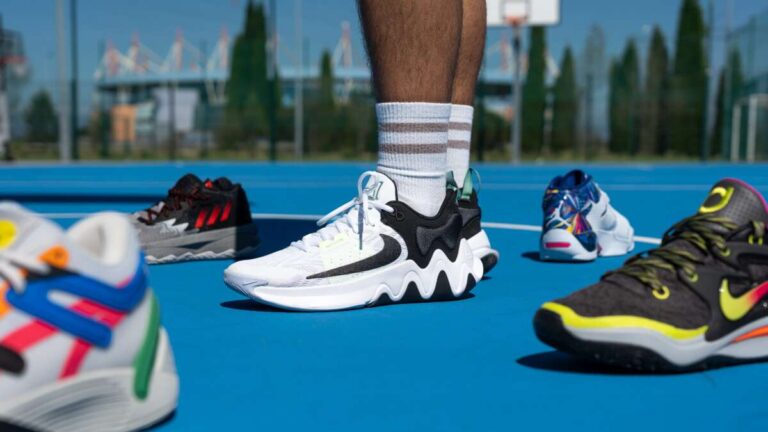
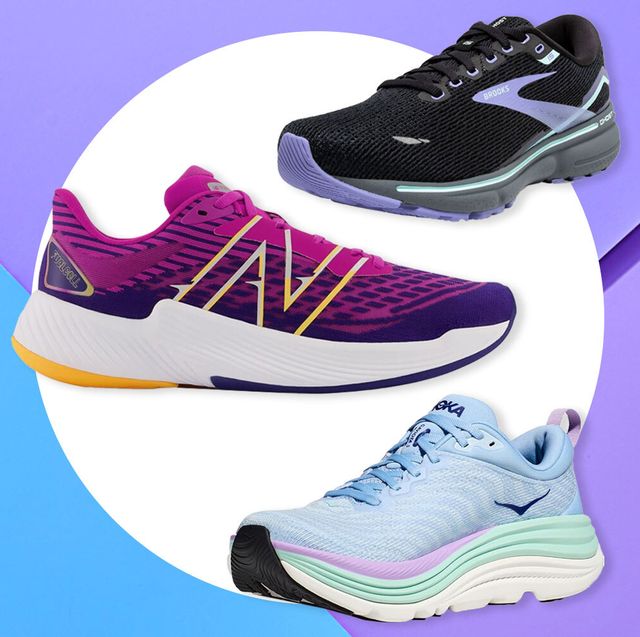
The shoes with the best arch support are usually walking shoes, stability running shoes, supportive work shoes, hiking shoes, and certain sandals with molded footbeds. These categories often include stronger midsoles and better heel control than flat fashion shoes.
Still, no single shoe works for everyone. A person with low arches may need a different shape from someone with a high arch. Foot width, body weight, activity level, and past injuries also affect the ideal choice.
Supportive walking shoes
Walking shoes are often the best starting point for daily arch support. Look for a structured midsole, a stable heel, and a removable insole. A removable insole gives you room to use a custom orthotic if needed.
Good walking shoes should feel secure without squeezing the foot. You should be able to walk without your heel lifting or your toes hitting the front.
Stability running shoes
Stability running shoes can be helpful for people whose feet roll inward during walking or running. They often include a firmer section in the midsole and a supportive heel design.
These shoes are useful for exercise, errands, and long periods on your feet. Yet they may feel too structured for someone who prefers a flexible, natural shoe.
Supportive work shoes
People who stand on hard floors often need more than soft cushioning. The best work shoes for arch support combine a stable base, shock absorption, and a slip-resistant outsole.
A wide toe box is especially useful for workers who wear shoes for eight or more hours. Tight shoes can increase pressure on the forefoot even when the arch support is good.
Hiking shoes and boots
Hiking shoes often provide strong arch support because they need to protect the foot on uneven ground. A firm sole, heel grip, and secure lacing system can reduce foot movement inside the shoe.
Choose a hiking shoe that bends at the front but does not twist easily through the middle. Break it in gradually before wearing it on a long trail.
Supportive sandals
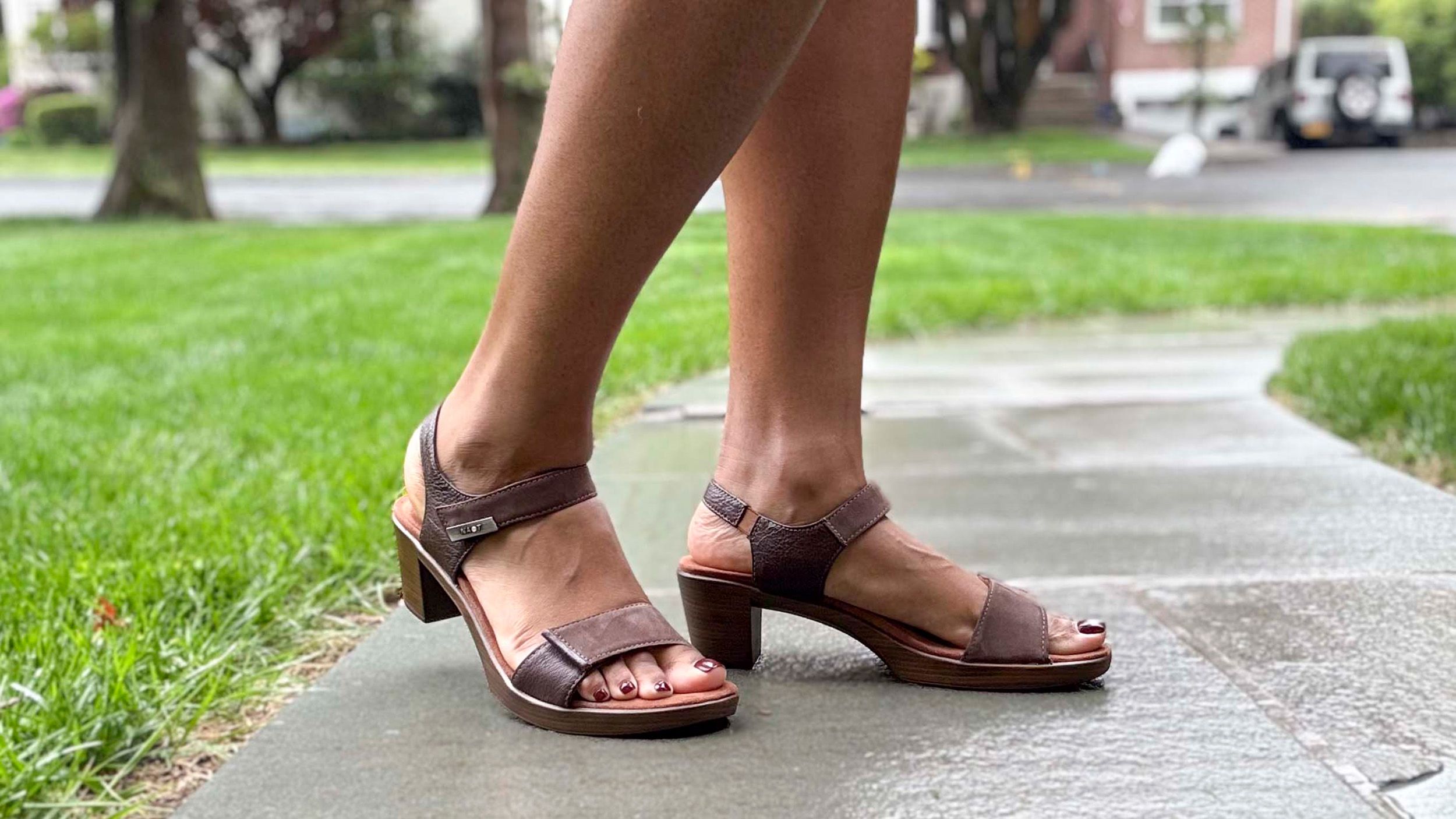
Some sandals have molded footbeds with raised arch areas and deep heel cups. These can be much more supportive than flat flip-flops.
A good supportive sandal should hold the foot in place. If your toes must grip the sole to keep the sandal on, it may cause fatigue and discomfort.
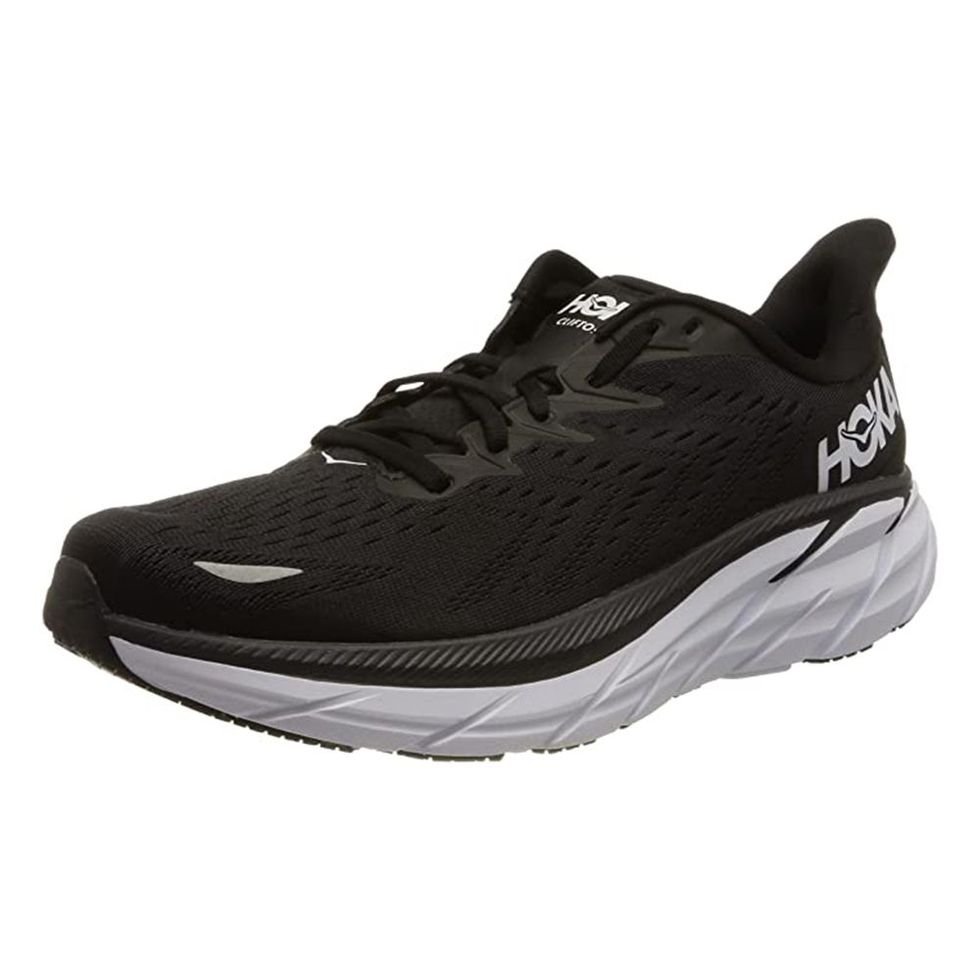
Best Shoe Features for Different Arch Types
Your arch height can influence what shoes feel best. You do not need to diagnose your foot type perfectly at home, but understanding basic arch patterns can guide your search.
Shoes for low arches or flat feet
People with low arches may benefit from shoes with:
• A stable midsole
• Moderate motion control
• A firm heel counter
• A supportive, removable insole
• A straight or semi-curved shape
Low arches do not always cause pain. Some people have flexible flat feet and walk comfortably. The goal is not to force the arch upward. The goal is to improve comfort and control when the foot needs it.
Shoes for high arches
High arches may place more pressure on the heel and the ball of the foot. Cushioned shoes with a supportive but not aggressive arch shape often work well.
Look for:
• Flexible cushioning
• A shock absorbing midsole
• A roomy toe area
• A smooth, well-shaped insole
• A secure heel fit
Very hard arch bumps can irritate a high arch. If you feel a sharp pressure point under the middle of your foot, try another shape.
Shoes for neutral arches
People with neutral arches often have more flexibility when choosing shoes. A balanced walking or running shoe with moderate cushioning may provide enough support.
Even with a neutral arch, fit remains important. A poorly fitted shoe can cause blisters, toe pain, and arch fatigue.
:max_bytes(150000):strip_icc()/I-Got-Serious-This-Year-About-Walking-17e7a9296c08464ca68857ff6a35f498.jpg)
How to Choose Arch Support for Walking
Walking shoes should match your normal pace, walking surface, and daily routine. A shoe for short walks on smooth sidewalks may not work well for long walks on concrete.
Use these steps when shopping:
- Shop later in the day because feet often swell slightly.
- Wear the socks you normally use.
- Measure both feet and choose the size that fits the larger foot.
- Check that your longest toe has about a thumb’s width of space.
- Walk on a hard floor for several minutes.
- Notice whether your heel stays in place.
- Check for pressure under the arch or across the toes.
- Test the shoe with any orthotic you plan to use.
A shoe should feel comfortable when you first put it on. Do not assume you can “break in” severe pain. A short adjustment period may be normal, but numbness, sharp pain, or rubbing is a warning sign.
One common mistake is choosing a shoe based only on softness. Cushioning can reduce impact, but it does not always control foot motion. Another mistake is buying a shoe that is too small because the upper stretches. The sole will not stretch enough to create extra toe space.

Arch Support for Standing All Day
Standing puts constant pressure on the feet. Cashiers, nurses, teachers, restaurant workers, warehouse staff, and retail employees often need shoes that offer support without excessive weight.
The best shoes for standing all day usually include:
• A stable heel and wide base
• Moderate cushioning
• A supportive arch shape
• A breathable upper
• A non-slip outsole
• Enough room for natural swelling
Rotate between two pairs if possible. Alternating shoes can change pressure points and give each pair time to dry. Replace shoes when the outsole wears unevenly or the midsole feels compressed.
A soft insole may help at first, but it can flatten over time. If your feet ache by the end of every shift, consider a shoe with a firmer base rather than simply adding more padding.
Compression socks may also help some people with swelling during long periods of standing. They do not replace proper footwear, and people with circulation problems should ask a health professional before using them.
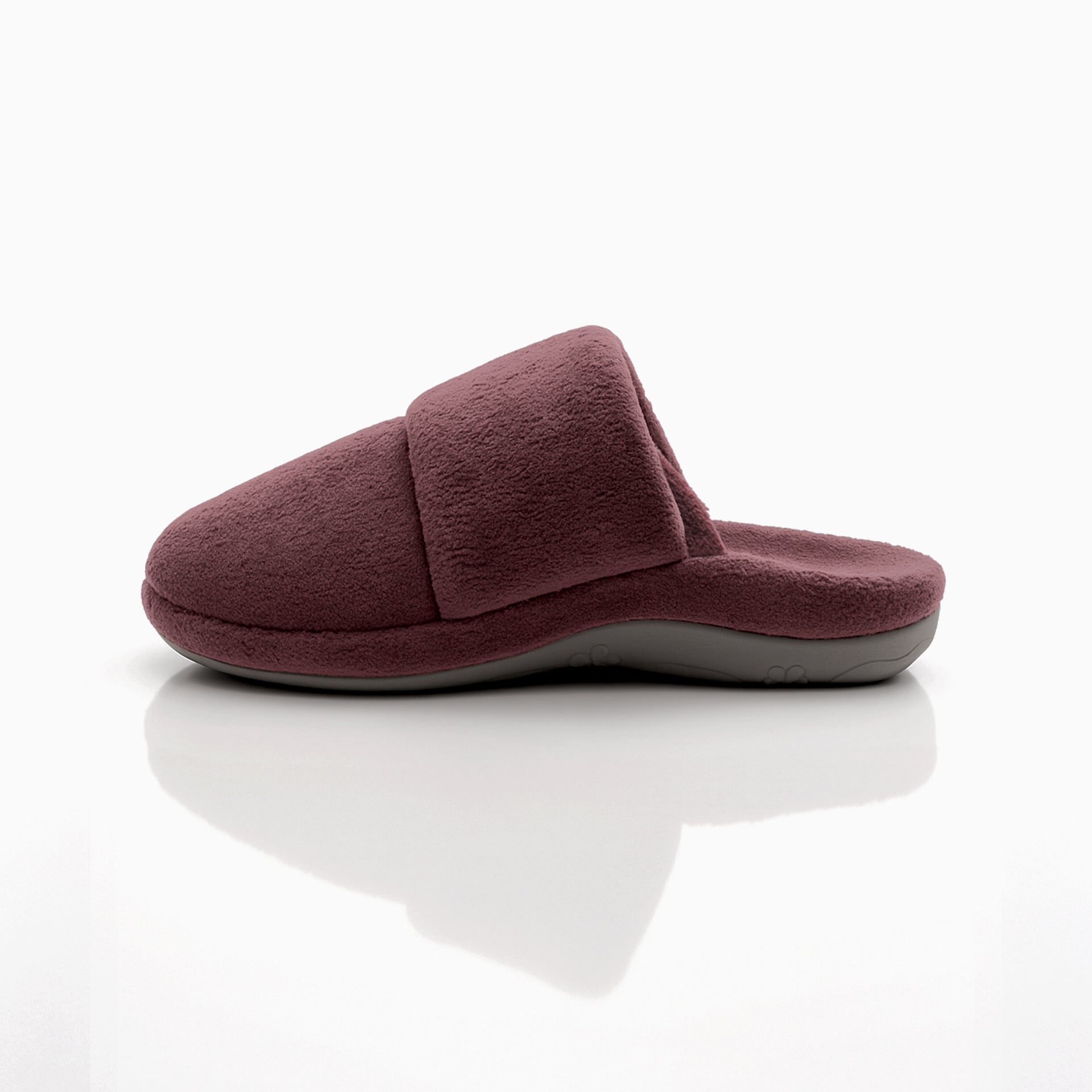
Arch Support for Running and Exercise
Running creates repeated impact, so running shoes must manage force while allowing natural movement. The best running shoe for arch support depends on your running style, foot motion, and comfort.
A stability shoe may help runners who show clear inward rolling and feel better with extra guidance. A neutral shoe may be enough for runners with a comfortable, efficient stride. Shoe labels can offer useful clues, but they do not replace an individual fit test.
When trying running shoes:
• Jog or walk in them before buying
• Compare both feet
• Check for heel movement
• Avoid pressure on the top of the foot
• Leave space in front of the toes
• Replace worn shoes before the sole becomes uneven
Research on running shoes does not show that one design prevents every injury. Injuries can involve training load, muscle strength, running form, recovery, and surfaces. Shoes matter, but they are only one part of the picture.
If you are changing shoe types, do it slowly. Wear the new pair for short sessions before using it for a long run.
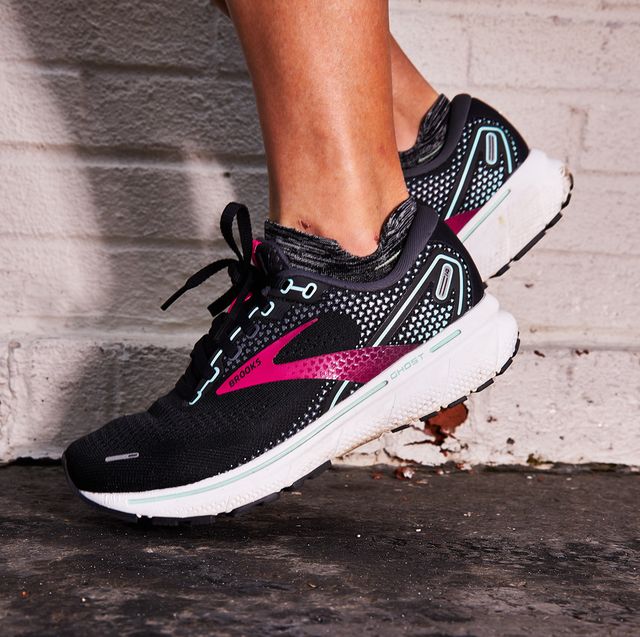
Are Insoles Better Than Built-In Arch Support?
Built-in arch support works well for many people. Insoles can help when the shoe feels comfortable but lacks enough structure, or when you need a specific shape.
Over-the-counter insoles are often useful for mild discomfort. They come in different levels of firmness and arch height. A custom orthotic may be appropriate when a clinician identifies a specific foot problem or when standard inserts do not help.
Insoles should not make the shoe feel cramped. If the original insole cannot be removed, adding another insert may reduce toe space and create pressure.
Use this simple approach:
- Start with a supportive shoe.
- Try a moderate insole if needed.
- Increase wear time gradually.
- Stop if pain becomes sharp or spreads.
- Seek professional advice if symptoms continue.
A custom orthotic is not automatically better. It may be more precise for certain problems, but it can also feel uncomfortable if the design or fit is wrong. Professional assessment matters more than the word “custom.”
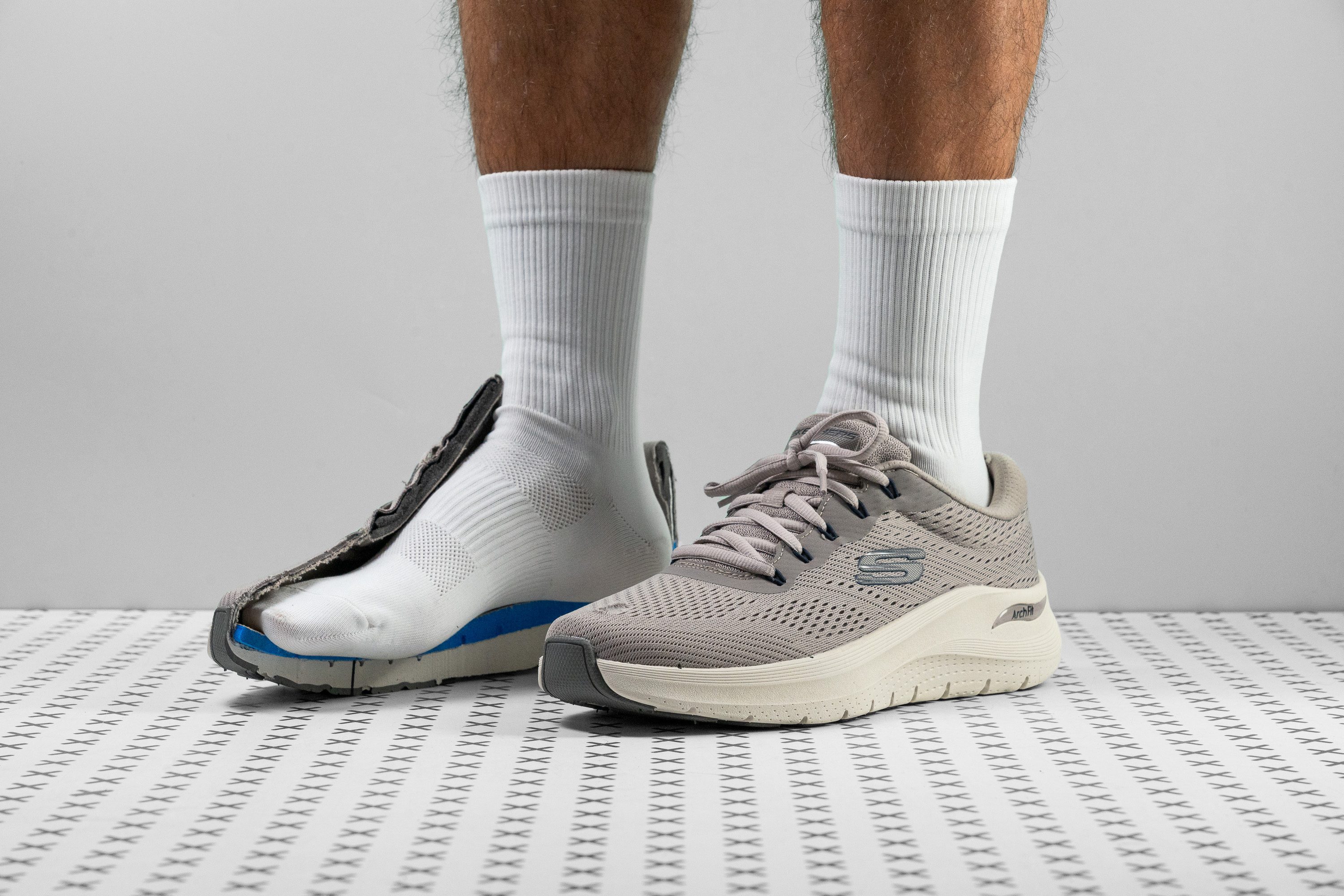
Common Shoe Types That Often Lack Arch Support
Many attractive shoes are not designed for long periods of walking or standing. This does not mean you can never wear them. It means you may need to limit wear time or use a more supportive option for daily activities.
Shoes that often provide limited arch support include:
• Flat flip-flops
• Very thin ballet flats
• Flexible canvas shoes with flat soles
• High heels
• Worn-out sneakers
• Loose slippers
• Narrow dress shoes
High heels move body weight toward the ball of the foot and can shorten the calf muscles over time. Flat shoes may lack cushioning and structure. Both styles can be comfortable for short periods but tiring for extended use.
A useful compromise is to wear fashion shoes for the event and change into supportive shoes for travel. Many people notice a major difference simply by reducing the time spent in unsupportive footwear.
Signs Your Shoes Do Not Support Your Arches
Your shoes may not provide enough arch support if you notice:
• Aching under the arch
• Heel pain after rest
• Tired feet at the end of the day
• Repeated blisters
• Uneven sole wear
• Pain in the knees, hips, or lower back
• Toes gripping the shoe
• Numbness or tingling
These signs can have many causes. Footwear may contribute, but it is not always the main reason. Plantar fasciitis, tendon problems, arthritis, nerve irritation, and stress injuries can also cause foot pain.
Do not ignore swelling, bruising, sudden severe pain, or pain that prevents normal walking. A podiatrist, physical therapist, or other qualified clinician can assess your gait, strength, and foot structure.
Arch support should reduce strain, not hide a serious problem. Pain that lasts more than a few weeks deserves professional attention.
How Long Do Supportive Shoes Last?
Shoe life depends on body weight, walking habits, surfaces, materials, and care. A daily walking shoe may lose useful cushioning before it looks badly damaged.
Replace shoes when:
• The midsole feels flat
• The heel leans to one side
• The outsole is smooth or uneven
• New pain appears during normal activity
• The upper no longer holds the foot securely
• The shoe stays compressed after you remove it
Do not judge a shoe only by its appearance. A sneaker can look clean while its support has already weakened.
Keep shoes dry and avoid using one pair for every activity. Walking shoes, running shoes, and work shoes experience different forces. Matching the shoe to the task can extend its useful life.
My Practical Lessons About Choosing Arch Support
One lesson that comes up again and again in footwear reviews and fit discussions is that people often shop for the label instead of the fit. Words such as “orthopedic,” “motion control,” and “maximum support” can sound reassuring, but they do not guarantee comfort.
A better test is simple. Walk in the shoe, check your toe space, and notice whether the arch feels supported rather than poked. If the shoe feels wrong in the store, it is unlikely to become perfect after a few weeks.
Another common mistake is changing too quickly. Someone may move from a flat shoe to a very rigid stability shoe and develop soreness because the foot is not used to the new pressure. Gradual wear is usually smarter.
My practical checklist is:
• Choose comfort first, then compare support
• Check the shoe at the end of the day
• Bring your normal socks and inserts
• Compare several brands and shapes
• Never ignore numbness or sharp pain
• Replace worn shoes before problems begin
• Ask a clinician about ongoing symptoms
Footwear is personal. A shoe that feels excellent to one person may feel too narrow, too soft, or too firm to another.
Frequently Asked Questions About What Shoes Have the Best Arch Support
What shoes have the best arch support for walking?
Supportive walking shoes with a contoured footbed, stable heel, firm midsole, and roomy toe box are often the best choice. The ideal pair should feel comfortable immediately and keep your heel from sliding.
Are running shoes good for arch support?
Many running shoes offer strong cushioning and stability, so they can provide excellent arch support. Choose a neutral or stability model based on comfort, foot motion, and advice from a qualified professional when needed.
What shoes have the best arch support for flat feet?
People with flat feet often prefer shoes with a stable base, firm heel counter, and moderate motion control. However, flat feet do not always require correction if they cause no pain or walking problems.
Are arch support sandals better than flip-flops?
Arch support sandals are usually better for extended walking because they often have molded footbeds and heel cups. Flip-flops are loose and flat, so they may cause the toes to grip the sole.
Can good arch support cure foot pain?
Good shoes may reduce pain caused by poor fit, impact, or excessive foot motion, but they cannot cure every condition. Persistent or severe pain should be evaluated by a podiatrist or another qualified health professional.
How do I know if my arch support is too high?
Arch support may be too high if you feel a sharp pressure point, burning, numbness, or increased pain under the middle of your foot. Try a lower or softer support and seek professional guidance if symptoms continue.
Conclusion
The best arch support shoes are not always the most rigid or expensive. Supportive walking shoes, stability running shoes, structured work shoes, hiking footwear, and molded sandals can all work well when they fit your foot and match your activity.
Focus on a stable heel, shaped insole, firm but comfortable midsole, flexible forefoot, and enough toe space. Try shoes later in the day, walk in them before buying, and replace them when cushioning or structure fades.
Use these tips to find what shoes have the best arch support for your feet, and take persistent pain seriously. Compare supportive options, ask a qualified professional when needed, and share your own best-fitting shoe tips in the comments.

Michael Smith is the Content Strategist behind The Style Hub, where fashion meets function. With a keen eye for trends and a passion for everyday style, he curates content that helps readers make smarter, more stylish choices—from the perfect pair of sneakers to must-have accessories. Michael specializes in breaking down fashion into practical, wearable insights, making style accessible for everyone. When he’s not researching the latest trends, he’s exploring how comfort, innovation, and timeless design come together in modern fashion.