Best Shoes For Gluteal Tendinopathy: Top Picks
The best shoes for gluteal tendinopathy offer stable support, soft cushioning, and a smooth, low-impact stride.
You may start a walk feeling fine, then notice a deep ache on the outside of your hip. Stairs, long errands, and side sleeping can make it worse. The right footwear cannot cure gluteal tendinopathy, but it can reduce shock and help your body move with less strain. I look for a stable base, a comfortable fit, and enough cushioning without a tall, wobbly sole. I also consider simple inserts, such as a heel cup, when heel impact adds stress to the whole leg.
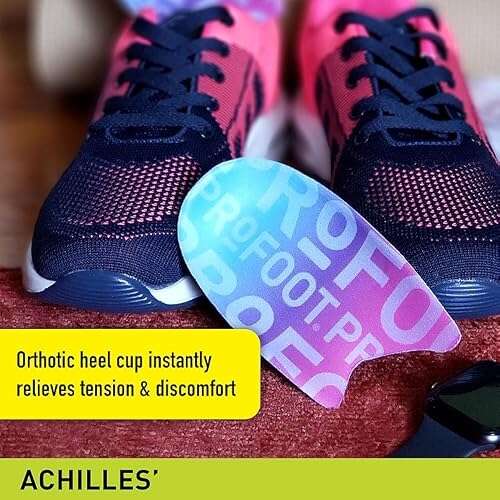
PROFOOT Achilles Heel Cup for Women

The PROFOOT Achilles Tendonitis Orthotic Heel Cup is made for people who want extra heel support inside a regular shoe. It uses a cushioned cup to cradle the heel and help reduce direct impact. That feature may feel useful when hard floors, long walks, or thin shoe soles make your legs feel tired. Although this is not a treatment for gluteal tendinopathy, it can improve comfort when heel impact changes the way you walk.
I like this type of insert for shoppers who already own a stable pair of walking shoes. The heel cup takes little room and can fit many everyday shoes, though the fit depends on the shoe shape. It is most useful when paired with a firm, level shoe rather than a soft shoe that lets your foot roll. Always remove the shoe liner first if the insert makes the shoe feel too tight.
Pros:
- Soft cushioning under the heel
- May reduce harsh impact on hard floors
- Easy way to test extra support
- Compact design fits many everyday shoes
- Useful for people with heel soreness
- Can work with a stable walking shoe
- Simple to place and remove
Cons:
- Designed for women’s sizes 6–10
- May feel bulky in a snug shoe
- Does not treat the cause of hip tendon pain
- May not suit people who need full-length arch support
My Recommendation
I recommend the PROFOOT heel cup for women who want a low-cost comfort test before buying new footwear. It may suit a person whose current shoes feel harsh at the heel but otherwise offer a stable fit. For the best shoes for gluteal tendinopathy, I would use this insert only with a firm, comfortable shoe that does not rock from side to side. It is not the right choice if you need a custom orthotic, strong arch control, or a full-length support system. Overall, it offers good value for a simple heel comfort upgrade, and its Amazon availability makes it easy to try.
| Best for | Why |
|---|---|
| Daily walking | It adds soft heel cushioning to a stable everyday shoe. |
| Heel-sensitive users | The cup can soften contact with hard floors and pavement. |
| Budget testing | It lets you test added heel support before buying new shoes. |
What Is Gluteal Tendinopathy?
Gluteal tendinopathy affects the tendons that connect the gluteus medius and gluteus minimus muscles to the outside of the hip. These tendons help keep the pelvis level when you walk, climb stairs, or stand on one leg. When the tendon becomes sensitive, pain often appears over the bony side of the hip. Some people also feel pain down the outer thigh.
The word “tendinopathy” describes tendon pain and reduced tendon tolerance. It does not always mean a sudden tear or active swelling. The tendon may react to too much load, too much compression, or a quick change in activity. A long hike, a new running plan, or repeated stair work can push the tendon beyond its current capacity.
Many people notice pain when lying on the sore side. Sitting with crossed legs can also increase pressure at the outer hip. Standing with the hip pushed out to one side may feel natural, but it can compress the tendon. A physical therapist can assess the hip, back, pelvis, and leg to identify the main source of pain.
Footwear does not directly heal the tendon. Still, shoes affect the way your foot meets the ground. They also affect balance, shock, and how much your leg turns during each step. That is why finding the best shoes for gluteal tendinopathy can be a useful part of a broader care plan.
How Shoes Can Affect Hip Comfort
Every step sends force from the ground through the foot, ankle, knee, and hip. Your muscles manage that force. If a shoe feels unstable, hard, or too loose, your body may make small changes to stay balanced. You may take shorter steps, grip with your toes, or shift your weight to one side.
Those changes do not prove that a shoe caused your pain. They can, however, make walking feel less smooth. A comfortable shoe may help you keep an even stride. It can also reduce the need to brace your hip on uneven ground.
I do not look for the softest shoe alone. Very soft foam can feel pleasant at first, but it may also feel unstable. A high, narrow sole can make the ankle and hip work harder to control side-to-side movement. In many cases, a balanced shoe with moderate cushioning works better.
The best shoes for gluteal tendinopathy should feel calm underfoot. They should not force your toes into a tight point. They should not slide at the heel. They should also let you walk without thinking about every step.
Key Features to Look For
Stable heel counter
The heel counter is the firm part around the back of the shoe. It helps hold the heel in place. A stable heel counter can reduce excess slipping when you walk. It should feel supportive, not sharp or stiff against the Achilles area.
Press the back of the shoe with your thumb. It should resist easy collapse. Then put the shoe on and walk. If your heel lifts with each step, try another size or another design. Heel movement can make the shoe feel less secure.
Moderate cushioning
Cushioning can make pavement and indoor floors feel kinder. It may help if your feet feel sore after long periods of standing. Yet more cushioning is not always better. A shoe that sinks too much may make balance harder.
I prefer cushioning that feels even from heel to toe. The foot should land softly but remain supported. For many walkers, moderate foam gives a better mix of comfort and control than a very plush sole.
Wide and comfortable toe box
Your toes need room to spread. A narrow toe box can cause pressure and may change the way you push off. That change can travel up the leg. It can also make a long walk feel tiring.
Shop later in the day, when your feet are often slightly larger. Wear the socks you plan to use. Leave about a thumb’s width between your longest toe and the front of the shoe. Your toes should move without touching the upper.
Firm, level platform
A firm platform gives you a steady base. It should bend near the toes but not twist like a towel. A shoe that twists too easily may provide less control on uneven ground.
Place the shoe on a flat surface. Look at the sole from the back and front. A broad base often feels more stable than a narrow one. This does not mean every person needs a wide shoe. It means the shoe should match your foot shape and balance needs.
Secure lacing
Laces let you adjust pressure across the top of the foot. They can hold the heel in place while leaving more room near the toes. A secure fit can help you walk with less worry.
Do not tie the shoe so tight that your foot feels numb. Use the top eyelet only if it improves heel hold. If the shoe has no laces, look for a firm strap or a snug heel fit.
Low to moderate heel rise
A small heel-to-toe drop can feel comfortable for some walkers. It may reduce the stretch felt in the calf and Achilles tendon. A very high drop, however, may alter your natural stride. A completely flat shoe may also feel wrong if your calves are tight.
There is no perfect drop for everyone. Choose the height that feels natural. Avoid sudden changes. If you usually wear a cushioned walking shoe, do not move straight into a thin, flat shoe for long walks.
Good grip
Traction matters because slipping makes the hip react fast. A grippy outsole can help on wet sidewalks, smooth floors, and light trails. Check the tread if you walk outside in changing weather.
Replace shoes when the sole wears unevenly. A tilted outsole can change how your foot meets the ground. It may also make one side of the body work harder than the other.
What I Avoid in Shoes for Hip Tendon Pain
I avoid shoes that feel loose at the heel. I also avoid shoes with a narrow front, weak side walls, or a sole that folds in the middle. Those traits may not hurt everyone, but they can reduce confidence during a walk.
I am careful with very soft maximal shoes. Some people love them. Others feel as if they are standing on a mattress. If you have hip pain, test the shoe indoors first. Walk, turn, and stand on one leg near a counter.
I also avoid worn-out shoes. A shoe can look clean while its foam has lost support. If the outsole slopes to one side or the midsole has deep creases, the shoe may be past its useful life.
Minimal shoes deserve a slow transition. They ask the foot and lower leg to do more work. That may be fine for a healthy, trained walker. It may not be wise during a painful flare without professional guidance.
How I Tested the PROFOOT Heel Cup
I judged the insert by comfort, fit, stability, and daily usefulness. A heel cup should sit under the heel without sliding forward. It should not lift the heel so much that the shoe becomes loose. It should also leave enough room for the foot.
The first test should happen indoors. I suggest ten to fifteen minutes of easy walking. Pay attention to heel pressure, arch comfort, and any new pain in the calf or hip. A good insert should feel supportive, not distracting.
Next, test the insert during a short outdoor walk. Choose a flat route. Do not combine a new shoe and a new insert on the same day if you can avoid it. If something feels wrong, you will not know which change caused the problem.
The PROFOOT cup is most practical for people who need heel cushioning. It does not replace a full orthotic. It also does not correct every walking pattern. Think of it as a small comfort tool that works best inside a well-fitting shoe.
How to Choose the Right Size
Start with the shoe, not the label. Two shoes with the same size can feel very different. One may have a narrow heel. Another may have a deeper toe box. Your foot should sit centered without pressure points.
Measure both feet while standing. Use the larger foot when choosing a size. Wear your normal walking socks. If one foot is much larger, a shoe fitter or podiatrist can help you choose a better match.
Check four areas: the toes, the widest part of the foot, the heel, and the top of the foot. Your toes need space. The midfoot should feel held but not squeezed. The heel should stay in place. The upper should not leave red marks after a short walk.
When using a heel cup, remove the factory insole if needed. Never force the foot into a shoe that was already snug. A crowded shoe can cause new pressure and defeat the purpose of the insert.
Best Shoe Types for Gluteal Tendinopathy
Walking shoes
A good walking shoe is often the simplest choice. It usually has a stable base, a flexible forefoot, and enough cushioning for pavement. Look for a secure heel and a toe box that matches your foot.
Walking shoes work well for errands, exercise walks, and daily use. They are also easy to test because you can walk on a flat floor before going outside. The best shoes for gluteal tendinopathy often look ordinary. Their value comes from fit and balance, not flashy features.
Light trail shoes
Light trail shoes can help if you walk on gravel, grass, or packed dirt. Their outsole often has more grip. Some also have stronger side support than a basic road shoe.
Do not choose a heavy hiking boot for a simple park walk unless you need ankle protection. Heavy footwear can tire the legs. Pick the lightest shoe that gives you the control you need.
Supportive sneakers
A supportive sneaker may suit people who stand for work. It should have a solid midsole and a stable heel. It should also feel comfortable after several hours, not just during a quick store visit.
Do not confuse a stiff shoe with a supportive shoe. A shoe can be rigid yet poorly shaped. Support means the shoe helps you feel balanced without creating pressure.
Recovery shoes
Recovery shoes often use thick foam and a broad sole. They may feel comfortable after exercise. They can work for short, easy walks if you feel stable in them.
Because some recovery shoes are tall and soft, test them with care. Walk across a room. Turn slowly. If the shoe makes your ankle wobble, choose a lower and firmer model.
Shoes and Hip Exercises: The Best Combination
Footwear is only one piece of care. A physical therapist may suggest gradual strengthening for the gluteal muscles. The goal is to improve the tendon’s ability to handle load. Progress should be steady, not rushed.
Many plans begin with gentle isometric work. This means the muscle works without much joint movement. Later, the plan may include bridges, controlled step-ups, side steps, or single-leg work. The right exercise depends on your symptoms and strength.
Do not use a shoe to push through sharp pain. Mild effort can be normal during exercise, but strong pain or a clear rise in symptoms needs attention. Pain that remains worse the next day may mean the load was too high.
I also suggest managing compression. Avoid sitting with your legs crossed for long periods. Try not to stand with one hip pushed out. Sleep on your back or place a pillow between your knees if side sleeping increases pain.
How to Break In New Shoes
Start with a short indoor session. Wear the shoes for fifteen to thirty minutes. Check your skin after you remove them. Red spots, hot areas, or rubbing are signs to adjust the fit.
On the next day, take a short walk on a flat surface. Keep the pace easy. Do not add hills, stairs, and a long distance at the same time.
Use your old shoes for longer walks during the first week. This gives your body time to adapt. If the new pair causes hip pain, stop and compare the fit with your old pair.
Some shoes feel better after a few uses. Others never become comfortable. Do not wait for a painful shoe to “break in.” The shoe should feel close to right from the start.
Common Mistakes When Buying Shoes
Choosing softness over control
A soft shoe can feel great for five minutes. Then it may feel unstable during turns. Comfort must include control. Walk on different surfaces before you decide.
Buying the same size every time
Brand sizes vary. Foot shape also changes over time. Try both shoes and compare them with your usual socks. Never rely on the number alone.
Ignoring heel slip
A loose heel can make each step feel uncertain. Try another lace pattern or another shoe. If the heel still moves, choose a different design.
Replacing treatment with footwear
Shoes can support comfort, but they do not diagnose tendon pain. Persistent pain deserves a clinical assessment. A physical therapist can tell the difference between hip tendon pain, back-related pain, joint pain, and other causes.
Changing too much at once
A new shoe, new insert, new exercise, and longer walk can create confusion. Change one factor at a time. This makes it easier to learn what helps.
When to See a Health Professional
See a clinician if hip pain lasts for several weeks, limits sleep, or keeps returning. You should also seek care if you cannot walk normally. A sudden injury, marked weakness, swelling, fever, or numbness needs prompt medical advice.
A doctor or physical therapist can assess your strength and movement. They may check the lower back, hip joint, pelvis, knee, and foot. This matters because pain on the outside of the hip does not always come from the gluteal tendons.
Bring your walking shoes to the visit if possible. The wear pattern may offer useful clues. Tell the clinician how far you walk, what surfaces you use, and whether stairs or side sleeping make symptoms worse.
Do not let online reviews replace personal care. Reviews can help you compare comfort and fit. They cannot confirm the cause of your pain or choose an exercise plan for your body.
Are Heel Cups Useful for Gluteal Tendinopathy?
A heel cup may help when heel impact affects your comfort. It can also make a firm shoe feel more forgiving. That said, no insert works for every foot. The cup must fit the shoe and your walking style.
If the insert raises your heel too much, the shoe may lose its secure fit. If it shifts, it can create pressure. If your foot needs arch support, a heel cup alone may not be enough.
I would test the PROFOOT cup in a stable shoe for short periods. Keep notes about how you feel during the walk and the next morning. The delayed response matters because tendon symptoms can build after activity.
For many people, the best shoes for gluteal tendinopathy do not need an insert. A good shoe may already provide enough cushioning and control. Use an insert only when it solves a clear comfort problem.
Care and Replacement Tips
Keep the insert dry and clean. Follow the care directions on the package. Do not use an insert that has flattened, cracked, or changed shape.
Rotate two pairs of shoes if your budget allows. This gives the foam time to recover and lets you notice whether one pair feels better. It also reduces daily wear on a single pair.
Replace shoes when the tread is smooth or the midsole feels dead. There is no single mileage number for every person. Body weight, walking surface, stride, and shoe design all affect wear.
Look at the outsole once each month. Compare the left and right shoes. Uneven wear can show that the shoe no longer gives you a balanced platform.
Simple Walking Plan for a Sensitive Hip
Start on level ground for five to ten minutes. Walk at a pace that lets you speak in full sentences. Keep your steps smooth and avoid a long stride.
If symptoms stay calm during the walk and the next day, add a few minutes. Do not increase distance and speed in the same session. Small gains protect your confidence and your tendon.
Use a railing on stairs if needed. Take one step at a time during a flare. Avoid steep hills until flat walking feels easy again.
Track three things: pain during the walk, pain later that day, and pain the next morning. This simple record can show whether your shoes and activity level are helping.
FAQs Of best shoes for gluteal tendinopathy
What are the best shoes for gluteal tendinopathy?
The best shoes for gluteal tendinopathy usually have a stable base, moderate cushioning, a secure heel, and a roomy toe box. Choose the pair that feels steady and comfortable during your normal walk.
Can shoes cure gluteal tendinopathy?
No. Shoes cannot cure tendon pain. They may reduce discomfort and help you walk with better control, but a suitable exercise plan and clinical advice may also be needed.
Are cushioned shoes good for gluteal tendinopathy?
Moderate cushioning can help reduce harsh impact. Very soft or tall shoes may feel unstable for some people. Test the shoe indoors before using it for long walks.
Can I use a heel cup with my walking shoes?
Yes, if the shoe has enough room and the heel stays secure. The PROFOOT heel cup may help soften heel contact. Stop using it if it causes pressure, slipping, or new pain.
Should I wear shoes indoors if my hip hurts?
Some people feel better with supportive shoes indoors, especially on hard floors. Others prefer bare feet or slippers. Choose the option that gives you the best balance without increasing symptoms.
Final Verdict: Which Should You Buy?
The PROFOOT heel cup is the best pick here for women who want simple heel cushioning in a stable walking shoe. It can improve comfort, but it is not a cure. For the best shoes for gluteal tendinopathy, focus on fit, balance, and steady support.
Choose shoes that help you walk with confidence, then increase activity slowly. If pain persists, see a qualified health professional for a personal plan.

Michael Smith is the Content Strategist behind The Style Hub, where fashion meets function. With a keen eye for trends and a passion for everyday style, he curates content that helps readers make smarter, more stylish choices—from the perfect pair of sneakers to must-have accessories. Michael specializes in breaking down fashion into practical, wearable insights, making style accessible for everyone. When he’s not researching the latest trends, he’s exploring how comfort, innovation, and timeless design come together in modern fashion.