How To Stop Shoes Rubbing The Back Of Your Heel: Best Tips
Use the right fit, soft heel protection, smooth socks, and gradual wear to stop shoes rubbing your heel.
Learning how to stop shoes rubbing the back of your heel starts with finding the cause. Friction may come from a stiff heel counter, loose sizing, rough seams, damp skin, or shoes that need more time to soften. This guide explains practical fixes, safe blister care, and simple ways to prevent the problem from returning.
Why Shoes Rub the Back of Your Heel
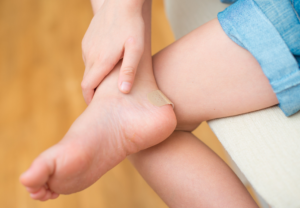
Shoes rub when your heel moves against the inside of the shoe. Each step creates friction, heat, and pressure. Over time, that repeated contact can leave your skin red, sore, raw, or covered by a painful blister.
The most common causes include:
• Shoes that are too loose and let your heel slide up and down
• Shoes that are too short, forcing your heel against a stiff back panel
• A rigid heel counter that has not softened
• Rough seams, worn lining, or exposed stitching
• Thin socks that do not reduce friction
• Sweaty feet, which make skin softer and more likely to break
• Walking for long periods before breaking in new shoes
• A heel shape that does not match the shoe
A good fit should feel secure without squeezing. Your heel should stay fairly stable as you walk, while your toes should have room to move. If your heel lifts with every step, learning how to stop shoes rubbing the back of your heel will require more than simply adding a bandage.
How to Stop Shoes Rubbing the Back of Your Heel Quickly
If your shoes are rubbing today, use a short term fix before the skin becomes damaged. The goal is to reduce direct contact and stop your heel from sliding.
Try these steps:
-
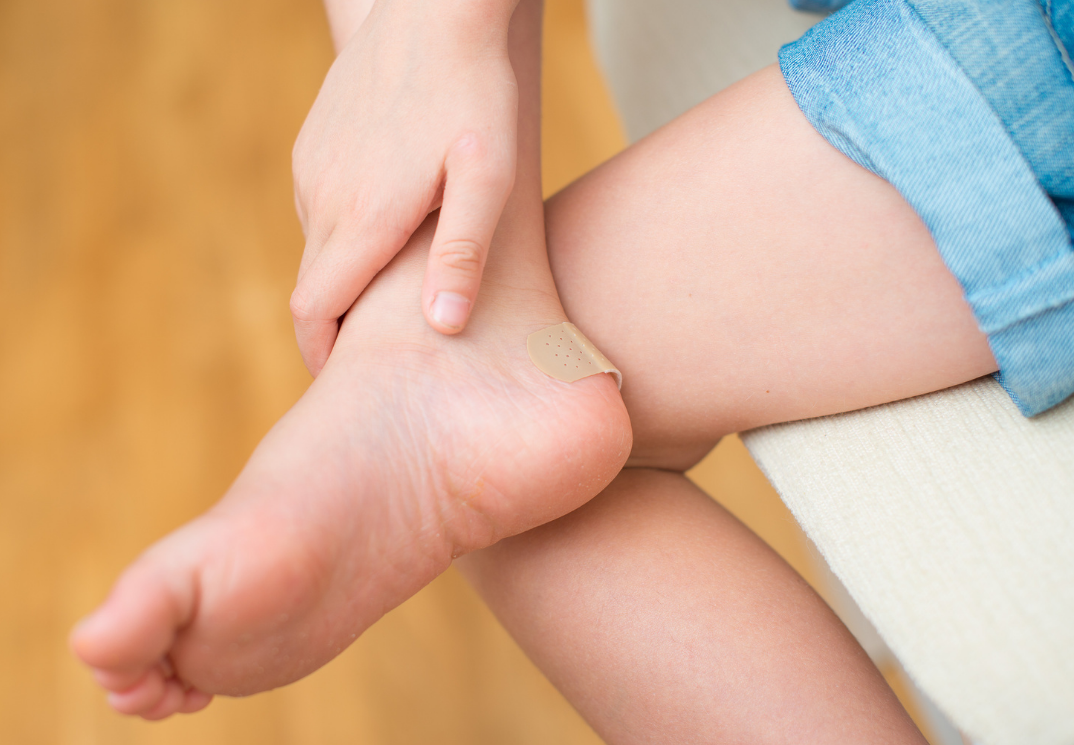
Cover the area with a blister bandage or soft padded dressing.
-
Add a heel grip to the inside back of the shoe.
-
Wear smooth, moisture wicking socks.
-
Tighten the laces around the midfoot, but do not over tighten them.
-
Stop wearing the shoes if the skin feels hot, sharp, or raw.
A hydrocolloid blister bandage can protect an unbroken blister and reduce friction. Leave it in place according to the product instructions. Do not pull it off just because the skin looks white beneath it; that pale color often comes from moisture held inside the dressing.
For an immediate fix, some people use a small amount of lubricant on healthy skin. This may reduce rubbing for a short time, but it should not go on broken skin. Lubricant can also make the foot slide, so it is not a substitute for a better fit.
These simple steps are often the fastest answer to how to stop shoes rubbing the back of your heel when you are away from home.

Check the Fit Before Changing the Shoe
A poor fit is one of the main reasons shoes rub the heel. Before buying inserts or changing your walking style, check the shoe itself.
Stand in the shoes at the end of the day, when your feet may be slightly larger. Make sure there is about a thumb’s width of space between your longest toe and the front of the shoe. Your heel should feel held in place without pressure from the back panel.
Look for these signs:
• Your heel lifts when you take a step
• Your toes touch the front when walking downhill
• The shoe bends in the wrong place
• The back edge presses into one spot
• Your foot slides forward inside the shoe
• One foot feels tighter than the other
Feet are rarely the exact same size. Fit the larger foot first, then adjust the smaller side with an insole, tongue pad, or heel grip. Avoid buying shoes that feel painful with the hope that they will stretch. Leather may soften, but a shoe that is too short will not become longer.
When people ask how to stop shoes rubbing the back of your heel, I often point to fit before padding. A pad can help a good shoe, but it cannot fully rescue a shoe with the wrong shape or size.
Use Heel Grips, Insoles, and Lacing Methods
Heel grips are small pads that stick to the inside of the shoe. They can fill extra space and reduce heel movement. Choose a soft, smooth grip that does not create a new pressure point.
An insole may also help. A slightly thicker insole can lift the foot and improve contact with the shoe. However, it can make the shoe tighter across the toes, so check the fit again after adding one.
For lace up shoes, try a heel lock, also called a runner’s loop:
-
Lace the shoe normally until the second to last eyelet.
-
Leave a small loop on each side at the top.
-
Cross the laces and pass them through the opposite loops.
-
Pull the laces back toward your ankle.
-
Tie them firmly, but keep the front of the foot comfortable.
This method helps secure the heel without squeezing the toes. It works best in athletic shoes and walking shoes with suitable eyelets.
For slip on shoes, heel grips and a well fitting insole usually work better than thick socks alone. Too much padding can crowd the foot and increase pressure.

Soften Stiff Shoes Safely
New shoes often have a firm heel counter. This is the structured part that supports the back of the foot. If it presses against your Achilles area, the shoe may need gentle softening.
Wear the shoes indoors for short periods. Start with 10 to 20 minutes, then increase the time if your skin feels comfortable. Walk on clean floors so you can return the shoes if needed.
You can also:
• Massage the inside of a leather heel counter with your fingers
• Bend the shoe gently with your hands
• Wear thick socks for a short indoor session
• Use a shoe stretcher designed for the heel area
• Ask a shoe repair professional to soften or stretch the back
Avoid soaking shoes in water or heating them with a hair dryer. Heat can damage glue, dry out leather, and change the shape of the shoe. A professional repair shop is the safer choice for expensive leather footwear.
One common mistake is wearing new shoes for a full day right away. A short break in period gives you time to find pressure points before they become blisters. This is a key part of how to stop shoes rubbing the back of your heel before the problem starts.
Choose Socks That Reduce Friction
Socks act as a protective layer between your skin and the shoe. The best pair depends on the activity, weather, and shoe type.
Choose socks that:
• Fit smoothly around the heel
• Do not bunch up at the back
• Cover the area that rubs
• Move moisture away from the skin
• Have flat or low profile seams
Cotton socks feel soft, but they can hold sweat against the skin. For walking, running, or warm weather, synthetic blends, merino wool, or technical fabrics may manage moisture better.
A double layer sock can reduce skin to skin friction. The layers move against each other instead of the skin moving against the shoe. Make sure the sock is not so thick that it makes the shoe tight.
Replace socks when they become damp. Wet skin is more vulnerable to damage, much like wet paper tears more easily than dry paper.
Protect Your Heel Before It Hurts
Prevention works best when you apply it before a hot spot becomes a blister. A hot spot is an area that feels warm, tender, or irritated after repeated rubbing.
Before a long walk, inspect the shoe and cover areas that often cause trouble. You can use:
• A blister prevention patch
• Moleskin placed around, not directly over, a blister
• Athletic tape on clean, dry skin
• A thin layer of anti friction balm on healthy skin
Test any product during a short walk first. Adhesive products may irritate sensitive skin, and some balms may stain socks or affect how your foot moves.
Keep toenails trimmed and address rough skin carefully. Thick, cracked skin can change the way pressure spreads across the foot. Do not aggressively file sore or broken skin.
If one exact spot keeps rubbing, mark the location on the shoe. Check for a seam, folded lining, hard edge, or damaged heel counter. Finding the source is often more effective than adding another layer of padding.

How to Treat a Heel Blister
If a blister has formed, reduce friction at once. Keep the area clean and cover it with a padded or hydrocolloid dressing.
Do not intentionally pop a small, intact blister. The skin over it helps protect the tissue below. If a large blister is very painful, a health professional can drain it using a clean technique.
If a blister breaks:
-
Wash your hands.
-
Rinse the area gently with clean water.
-
Do not remove the remaining skin unless it is dirty or dead.
-
Apply a clean dressing.
-
Change the dressing when it becomes wet or dirty.
Watch for infection. Increasing redness, warmth, swelling, pus, worsening pain, or red streaks needs medical attention. People with diabetes, poor circulation, reduced sensation, or a weakened immune system should seek medical advice early, even for a small foot wound.
A blister will not heal well if the same shoe keeps rubbing it. Treating the skin and correcting the shoe must happen together.

How to Stop Shoes Rubbing the Back of Your Heel During Walking
Walking shoes need enough room for natural foot movement, but they must hold the heel securely. Try the shoes indoors before taking them on a long route.
Walk on stairs, slopes, and uneven ground. These movements reveal heel lift that may not appear on a flat floor. If the shoe feels fine for five minutes but rubs after 30 minutes, the problem may involve swelling, heat, or moisture.
For longer walks:
• Start with a short route
• Carry blister patches and spare socks
• Tighten the laces after your feet warm up
• Change damp socks during the day
• Take a short break when you notice a hot spot
• Stop before the skin breaks
In practical shoe testing, a small change often makes a bigger difference than a large amount of padding. A heel lock, smoother sock, or better size can solve the problem without making the shoe bulky.
How to Stop Shoes Rubbing the Back of Your Heel in Work Shoes
Work shoes can be difficult because they are often stiff, heavy, and worn for many hours. Start by checking whether the shoe meets workplace safety rules before adding inserts or changing its structure.
Choose a work sock with cushioning around the heel and a smooth fit. If the shoe has laces, use a heel lock to reduce movement. If it is a slip on style, a professional may be able to adjust the heel counter.
Avoid wearing thick layers that make your toes feel cramped. Tight footwear can create pressure at the heel and front of the foot at the same time. If the shoe remains painful after fit changes, ask your employer whether another approved style is available.
For steel toe footwear, do not remove or reshape protective parts. Safety features are designed to meet specific standards, and changing them may reduce protection.
Mistakes That Make Heel Rubbing Worse
Some popular fixes can create new problems. Avoid these common mistakes:
• Wearing painful shoes for a full day to “break them in”
• Applying tape to wet, sweaty skin
• Using a thick heel pad in an already tight shoe
• Popping a blister with an unclean needle
• Putting lubricant on broken skin
• Ignoring a rough seam inside the shoe
• Wearing socks that slip down during movement
• Continuing a walk after a sharp hot spot appears
Another mistake is focusing only on the heel. If the foot slides forward, the toes may grip the ground and push the heel into the back of the shoe. In that case, better lacing or a supportive insole may help more than a heel patch.
The best approach to how to stop shoes rubbing the back of your heel is usually a combination of fit, moisture control, and friction protection.
When to Replace the Shoes or See a Professional
Sometimes the shoe is the problem, not your feet. Replace footwear when the lining is torn, the heel counter is bent, the sole is uneven, or the shoe has lost its support.
See a podiatrist or health professional if:
• Heel wounds keep returning
• Pain continues after changing shoes
• You have numbness or burning
• There is swelling, pus, or spreading redness
• You have diabetes or poor circulation
• The pain affects your normal walking
A podiatrist can assess foot shape, walking pattern, heel alignment, and pressure points. A shoe repair specialist can sometimes soften a rigid heel or adjust the fit. These services have limits, though. A badly sized shoe may be better replaced than repaired.
Frequently Asked Questions About How to Stop Shoes Rubbing the Back of Your Heel
How can I stop new shoes from rubbing my heel?
Wear new shoes indoors for short periods and use a blister patch before irritation begins. Smooth socks, heel grips, and gradual break in time can also reduce friction.
Why do my shoes rub my heel even when they fit?
A shoe can have the right length but still have the wrong heel shape. Heel lift, a stiff counter, rough lining, sweat, and poor lacing can all cause rubbing.
Should I wear thick socks to prevent heel blisters?
Thick socks may help if the shoe has enough room, but they can increase pressure in a tight shoe. Choose smooth, moisture managing socks that fit without bunching.
Is it safe to pop a heel blister?
It is usually best to leave a small, intact blister alone because the skin protects the tissue below. A large or painful blister should be assessed by a health professional, especially if you have diabetes or poor circulation.
Do heel grips stop shoes from rubbing?
Heel grips can reduce heel movement and fill extra space in the shoe. They work best when the shoe is close to the correct fit, but they may not fix a shoe that is too short or badly shaped.
How long does a heel blister take to heal?
A small blister may improve within several days if you stop the rubbing and keep it covered. Healing may take longer if the blister breaks, becomes infected, or is exposed to continued pressure.
Conclusion
The most reliable way to stop shoes rubbing the back of your heel is to control movement, reduce moisture, and protect the skin before it becomes sore. Check the shoe fit, secure the heel with proper lacing or a grip, wear smooth socks, and break in stiff footwear slowly.
Do not ignore a hot spot or keep walking through sharp pain. Try one change at a time, test it on a short walk, and replace shoes that continue to cause damage. Share your own heel comfort tips or explore more footwear guides to make every step easier.
Michael Smith is the Content Strategist behind The Style Hub, where fashion meets function. With a keen eye for trends and a passion for everyday style, he curates content that helps readers make smarter, more stylish choices—from the perfect pair of sneakers to must-have accessories. Michael specializes in breaking down fashion into practical, wearable insights, making style accessible for everyone. When he’s not researching the latest trends, he’s exploring how comfort, innovation, and timeless design come together in modern fashion.