

How To Measure Width For Shoes: Easy Fit Guide
Measure both feet at day’s end, then match the widest foot’s measurement with each brand’s width chart.
Learning how to measure width for shoes can prevent pinched toes, heel slip, blisters, and sore arches. The process is simple, but small details matter, such as measuring both feet, standing up, and checking the shoe brand’s own chart. This guide explains the best home method, common width letters, fitting mistakes, and when to seek professional help.
Why Shoe Width Matters
Shoe width is the space across the foot, mainly through the ball of the foot and the toe area. A shoe can have the right length and still feel painful if its width is wrong.
Your feet spread slightly when you stand. This is why measuring while seated can give a number that is too small. A proper width measurement helps the shoe support your foot without squeezing it.
The right width can improve comfort in daily walking, work, running, and sports. It may also reduce pressure on bunions, corns, calluses, and sensitive toes. However, shoe width is only one part of fit. Toe room, arch support, heel hold, and shoe shape also matter.

What You Need to Measure Shoe Width
You can measure shoe width at home with a few basic items. You do not need special tools, but a second person can make the process more accurate.
Gather these items:
• A blank sheet of paper larger than your foot
• A pencil or pen
• A ruler or tape measure
• The socks you plan to wear with the shoes
• A hard, flat floor
• A chair or wall for balance
Avoid measuring on carpet. Soft flooring can change how your foot spreads and may affect the result. A flat floor gives your foot a more natural position.
If possible, ask someone to trace your foot. A helper can hold the pencil straight and prevent the outline from leaning inward or outward.
How to Measure Width for Shoes at Home
Follow these steps to measure shoe width with a paper tracing. The method works for most casual, work, walking, and athletic shoes.
1. Measure at the end of the day
Feet often swell after hours of standing and walking. Measure in the late afternoon or evening to reflect your largest normal foot size.
If you measure first thing in the morning, your shoes may feel tight later. This is especially important if you work on your feet or walk long distances.
2. Put on your usual socks
Wear the socks that match the shoes you plan to buy. Thick hiking socks can change the needed width more than thin dress socks.
For sandals or barefoot shoes, measure without socks. Keep the conditions close to how you will use the footwear.
3. Place the paper on a hard floor
Put the paper against a wall. Stand with your heel lightly touching the wall.
Keep your weight evenly balanced. Do not sit down, lift your heel, or curl your toes. Your foot should rest in its natural position.
4. Trace around your foot
Ask a helper to trace the outline of your foot. Hold the pencil straight up, not at an angle.
A pencil tilted inward can make the foot look narrower. A pencil tilted outward can make it look wider. Trace both feet, since one foot is often slightly larger than the other.
5. Mark the widest points
Look for the widest part of the outline. This is usually across the ball of the foot, near the joints behind the big toe and little toe.
Mark the outermost point on the big-toe side and the outermost point on the little-toe side. Draw a straight line between these points.
6. Measure the width
Use a ruler to measure the line in inches or centimeters. Record the result for each foot.
Do not measure the paper from edge to edge. Measure the traced foot itself. Also, do not include extra pencil space outside the outline.
7. Use the larger measurement
Compare both width measurements. Use the larger foot when checking a shoe width chart.
Most people have one foot that is a little longer or wider. Buying for the smaller foot can lead to pressure on the larger one. You can often improve the fit on the smaller foot with an insole or a thin sock.
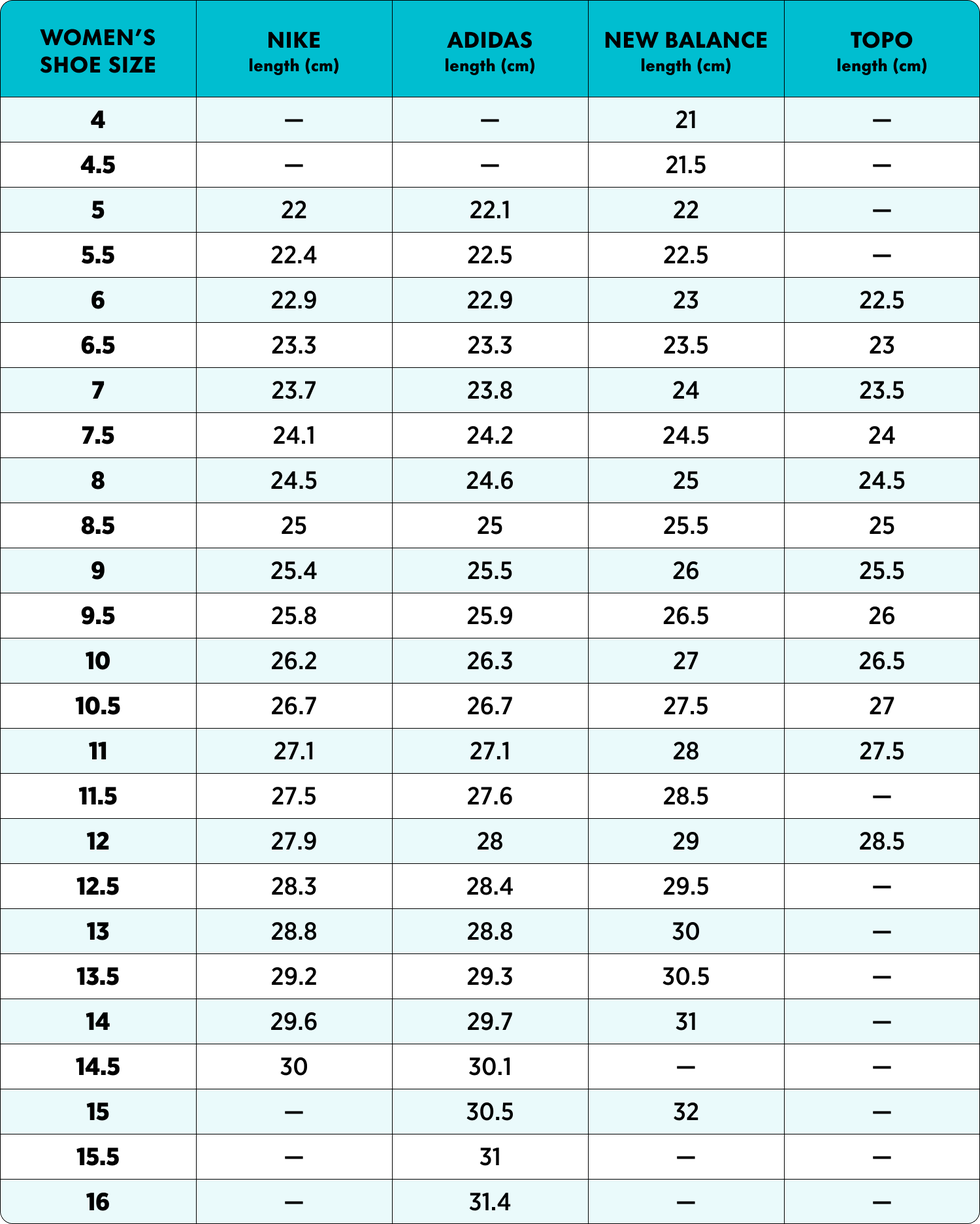
8. Check the brand’s size chart
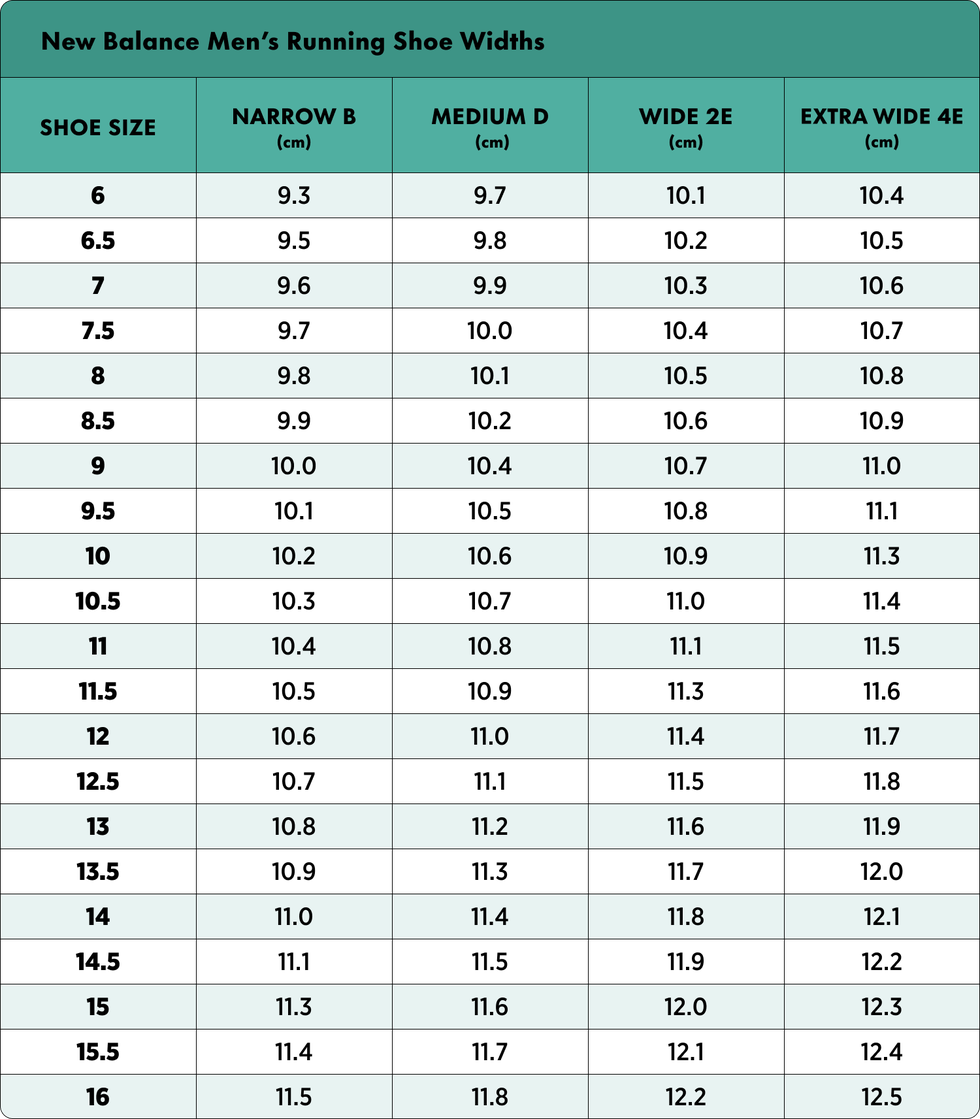
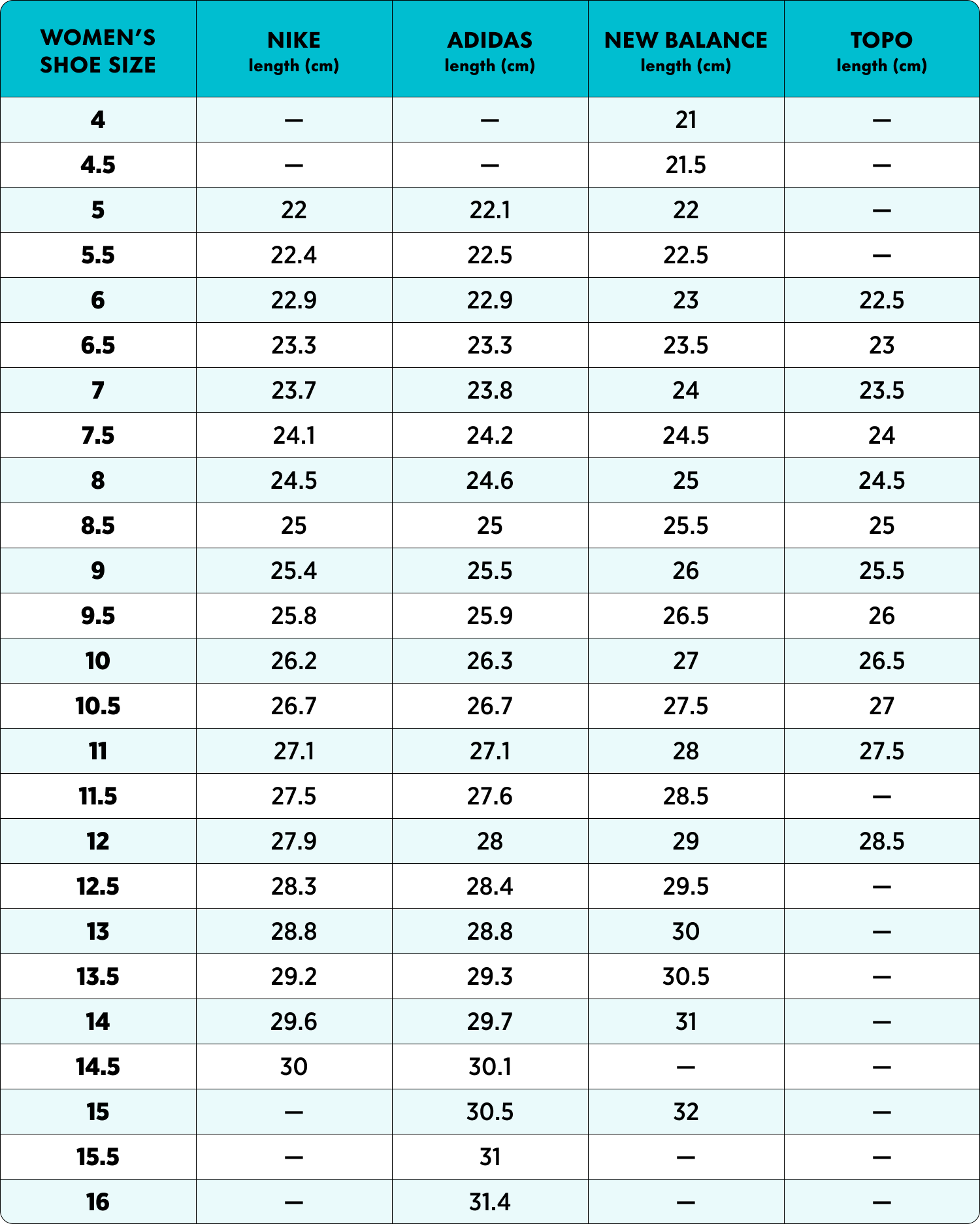
There is no single width standard used by every shoe company. A “wide” shoe from one brand may fit like a “medium” shoe from another.
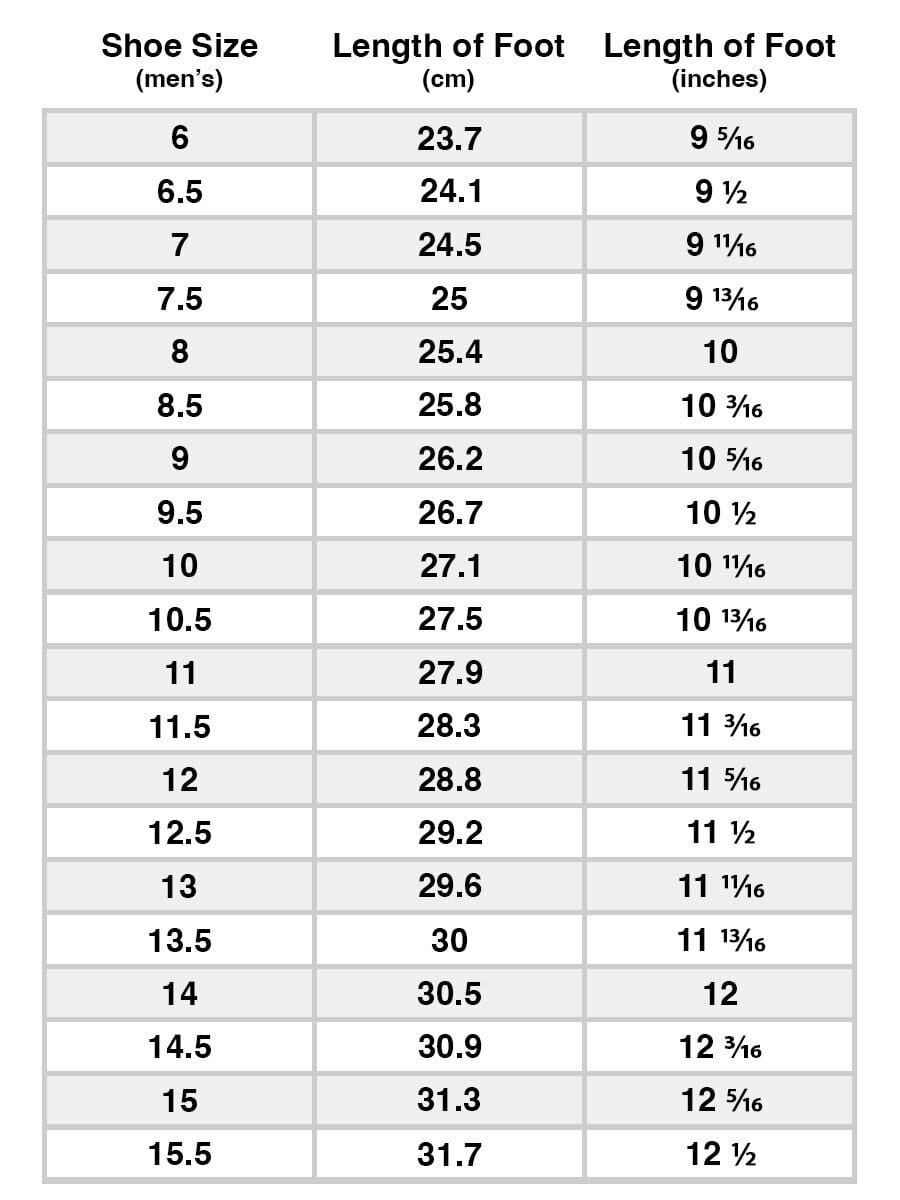
Compare your foot length and width with the brand’s chart. If your measurement falls between sizes, consider the larger size or the wider option, depending on the shoe shape.
How to Measure Width for Shoes Without Tracing
A tracing is useful, but you can also measure shoe width with a ruler or tape measure. This method is quicker, though it may be less precise.
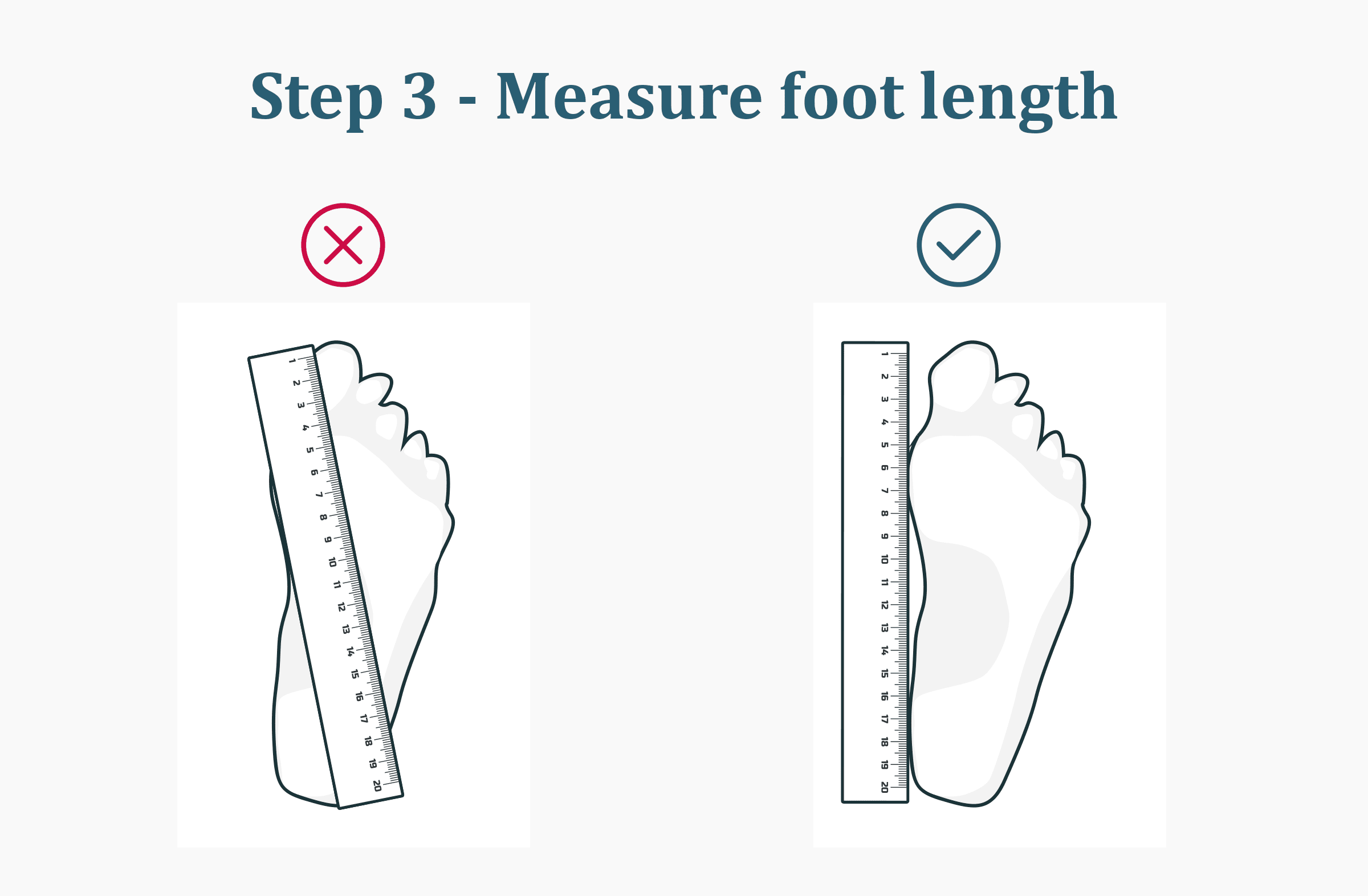
Stand barefoot on a hard floor with your weight evenly spread. Measure across the widest part of your foot, usually the ball of the foot.
Use a soft tape measure if you want to measure around the foot. Wrap it around the widest part without pulling it tight. This gives foot circumference, not flat width, so use it only if the shoe company provides a circumference chart.
When people ask how to measure width for shoes, they often confuse flat width with circumference. Flat width is the straight distance across the foot. Circumference measures around the foot. They are different measurements and should not be compared directly.
A simple ruler method
• Stand with your foot flat on the floor.
• Find the widest part of the forefoot.
• Place the ruler straight across those two points.
• Measure both feet.
• Record the larger result.
This method works best when another person takes the measurement. Bending down can shift your weight and change the shape of your foot.

Shoe Width Letters and What They Mean
Shoe widths often use letters, but the meaning can vary by brand, gender, and shoe type. The chart below shows common US width labels.
• AAA or 3A: Extra narrow
• AA or 2A: Narrow
• B: Standard width for women’s shoes
• D: Standard width for men’s shoes
• C: Often wider than women’s standard and narrower than men’s standard
• E: Wide
• EE or 2E: Extra wide
• EEE or 4E: Very wide
• 6E: Extra-extra wide in some men’s shoes
These labels are not universal. For example, a B width often means standard in women’s footwear, while a D width often means standard in men’s footwear.
Always read the chart for the specific shoe. A letter alone does not tell the full story because the shoe’s upper material, toe shape, and construction also affect fit.
Children’s shoe widths may use different labels, such as N for narrow, M for medium, W for wide, and XW for extra wide. Check the child’s foot while standing because growing feet need space and flexibility.
How to Match Your Measurement to a Shoe Width Chart
After you measure your foot, compare the result with the chart for the exact shoe model. Do not rely only on your usual size.
A chart may list foot length and width in inches or centimeters. Find your length row first, then compare your width measurement with the available width options.
For example, imagine your larger foot measures 10.4 inches long and 4.1 inches wide. One brand may label that width as standard. Another may place it between standard and wide. In that case, reviews, return policies, and a store fitting can help you choose.
Use these tips when comparing charts:
• Check whether the chart lists foot measurements or shoe measurements.
• Confirm whether the chart uses US, UK, or European sizing.
• Look for separate charts for men, women, and children.
• Measure the actual shoe model when possible.
• Read reviews for comments about narrow or roomy construction.
• Consider the shoe’s material and whether it stretches.
A leather upper may soften with wear, but it should not need to stretch enough to fix severe tightness. Running shoes and work shoes should feel comfortable at once, with enough room for normal swelling.

How Shoes Should Feel When the Width Is Correct
A well-fitting shoe should hold your foot without squeezing it. Your toes should be able to spread and move slightly.
The widest part of your foot should line up with the widest part of the shoe. This is called proper flex alignment. If the shoe bends behind the ball of your foot, it may create pressure and change how you walk.
Use this fit check:
• Your toes should not touch the sides of the toe box.
• Your little toe should not sit on the edge of the sole.
• The upper should not create deep pressure lines over the forefoot.
• Your heel should stay secure without painful rubbing.
• Your foot should not slide forward when you walk.
• You should have about a thumb’s width of space in front of the longest toe.
The thumb’s-width rule mainly checks length, not width. A shoe can have enough space in front and still be too narrow across the forefoot.
Walk on a firm surface for several minutes. Try stairs, turns, and a normal walking pace. Pain, numbness, burning, or strong pressure usually means the fit is not right.
Common Mistakes When Measuring Shoe Width
Many poor shoe fits come from small measuring errors. Avoid these common problems.
Measuring only one foot
One foot may be wider or longer. Measuring only one can leave the larger foot cramped.
Measuring while sitting
Your foot spreads under body weight. A seated measurement may be smaller than your standing measurement.
Tilting the pencil
The pencil should stay vertical. An angle changes the outline and can distort the width.
Measuring in the morning
Feet may swell during the day. Evening measurements often provide a more useful fit for everyday shoes.
Using the wrong socks
A thick sock can make a medium shoe feel narrow. Measure with the socks you will actually wear.
Trusting the shoe size alone
Size numbers and width letters vary across brands. A size 9 in one brand may not fit like a size 9 in another.
Expecting shoes to stretch dramatically
Most shoes soften with use, but they do not reliably grow a full width. Severe pressure is a sign to choose another width or shape.
Ignoring the toe box
A shoe may measure wide at the ball but still taper sharply near the toes. Look at the entire front of the shoe, not just one measurement.

How to Measure Width for Shoes for Bunions or Wide Toes
If you have a bunion, hammertoe, swelling, or a broad forefoot, measure the widest part of the foot as usual. Then pay close attention to the shoe’s toe-box shape.
A rounded or anatomical toe box usually gives toes more useful space than a pointed toe box. A shoe can have a wide label but still feel tight if its front tapers.
Do not press a painful bunion against the shoe to test the fit. The upper should sit over the foot without strong pressure. Soft materials may improve comfort, but they cannot replace the correct shape and width.
People with diabetes, reduced sensation, circulation problems, or recurring foot wounds should seek advice from a qualified health professional. Reduced feeling can make it hard to notice harmful pressure.
Professional Ways to Measure Shoe Width
A shoe store may use a Brannock-style measuring device. This tool measures foot length, width, and sometimes arch length while you stand.
Professional measurement can help when:
• Your feet have a major size difference.
• You have repeated blisters or foot pain.
• You need work boots or athletic shoes for long hours.
• You have bunions, swelling, or a medical foot condition.
• Home measurements do not match how shoes feel.
A professional fitting is helpful, but it is not perfect. The device gives useful numbers, yet comfort depends on the shoe’s last, materials, support, and intended use.
Try the shoes on both feet. Walk in them with the socks and inserts you plan to use. A fitting number is a starting point, not a guarantee.
My Practical Lessons From Measuring Shoe Width
One lesson I have learned from helping people compare footwear is that the larger foot should guide the purchase. Many shoppers measure one foot, choose their usual size, and then wonder why one side hurts by the end of the day.
Another common mistake is choosing a wider shoe when the real issue is a short toe box. If your toes hit the front, moving up in length may help more than choosing a wider letter. If the sides pinch but the length feels right, a wider width is usually the better answer.
I also recommend testing shoes late in the day. A pair that feels perfect for two minutes in the morning may feel tight after a full work shift. Comfort should remain steady, not depend on hoping the shoe will change.
My best rule is simple: use measurements to narrow your options, then use movement and comfort to make the final choice. Numbers guide the decision, but your feet deliver the final verdict.
Benefits and Limits of Measuring Shoe Width
Measuring shoe width can help you:
• Find a better match across different brands.
• Reduce pressure on the toes and forefoot.
• Compare standard, wide, and extra-wide options.
• Shop online with more confidence.
• Explain fit problems clearly to a shoe specialist.
However, a width measurement has limits. It does not show foot volume, arch height, toe shape, flexibility, swelling, or how your foot moves.
Two people can have the same measured width but need different shoes. One may need a roomy toe box, while the other may need more depth over the instep. For this reason, combine measurements with a real walking test and a clear return policy.
Frequently Asked Questions About How to Measure Width for Shoes
How do I measure width for shoes at home?
Trace each foot while standing on paper, then measure across the widest part of each outline. Use the larger measurement and compare it with the shoe brand’s width chart.
Should I measure shoe width while standing or sitting?
Measure while standing because your feet spread under your body weight. Standing gives a more realistic measurement for shoes worn during daily activity.
What part of the foot shows shoe width?
Shoe width is usually measured across the ball of the foot, behind the big toe and little toe. This is often the widest part of the forefoot.
Is a D width considered wide?
A D width is commonly standard for men’s shoes and may be wide for women’s shoes. Width labels vary, so always check the brand’s chart before buying.
Should I measure both feet for shoe width?
Yes. Measure both feet because one may be wider or longer. Choose shoes based on the larger foot, then adjust the smaller side with a suitable insole or sock if needed.
Can I measure shoe width with a tape measure?
Yes, you can measure across the widest part with a ruler or measure around the foot with a soft tape. Check which type of measurement the shoe brand requests because flat width and circumference are not the same.
Do wide shoes need to be longer?
Not always. If the length fits but the sides pinch, choose a wider width. If your toes touch the front, you may need a longer size, a wider size, or a shoe with a deeper and roomier toe box.
Conclusion
Learning how to measure width for shoes is a simple way to make better footwear choices. Trace both feet while standing, measure at the end of the day, use the larger foot, and compare your results with the exact brand chart.
Remember that width letters are not universal. Check how the shoe feels across the forefoot, around the toes, and at the heel before wearing it for long periods. Measure your feet before your next purchase, test shoes with your usual socks, and explore more fitting guides or share your own shoe-fitting experience in the comments.

Michael Smith is the Content Strategist behind The Style Hub, where fashion meets function. With a keen eye for trends and a passion for everyday style, he curates content that helps readers make smarter, more stylish choices—from the perfect pair of sneakers to must-have accessories. Michael specializes in breaking down fashion into practical, wearable insights, making style accessible for everyone. When he’s not researching the latest trends, he’s exploring how comfort, innovation, and timeless design come together in modern fashion.