What Are The Best Shoes For Neuropathy: Top Comfort Picks
The best shoes for neuropathy are wide, cushioned, supportive, seamless, and roomy enough to protect sensitive feet.
Choosing the best shoes for neuropathy is about more than comfort. Neuropathy can reduce your ability to feel heat, pressure, rubbing, and small injuries. After reviewing clinical foot-care guidance and common fitting problems, I find that the safest choice is a soft, well-fitted shoe that protects the foot without squeezing it. This guide explains what to look for, what to avoid, and how to test shoes before wearing them all day.
What is neuropathy, and why do shoes matter?
Neuropathy is nerve damage. It often affects the feet and lower legs. Diabetes is a common cause, but neuropathy can also result from chemotherapy, vitamin deficiencies, alcohol use, kidney disease, certain medicines, and other health conditions.
Nerve damage may cause:
• Tingling or pins and needles
• Burning or sharp pain
• Numbness
• Weakness or poor balance
• Extreme sensitivity to touch
• Less awareness of blisters, cuts, heat, or pressure
A healthy foot usually warns you when a shoe rubs. A foot with neuropathy may not send that warning. A small hot spot can become a blister, open sore, or infection before you notice it.
That is why the best shoes for neuropathy should act like a protective barrier. They should spread pressure, reduce friction, support balance, and leave enough room for natural foot movement.
Foot-care groups and diabetes specialists commonly stress daily foot checks, proper shoe fit, and prompt care for wounds. Shoes cannot repair damaged nerves, but the right pair can lower avoidable pressure and injury.

What are the best shoes for neuropathy?
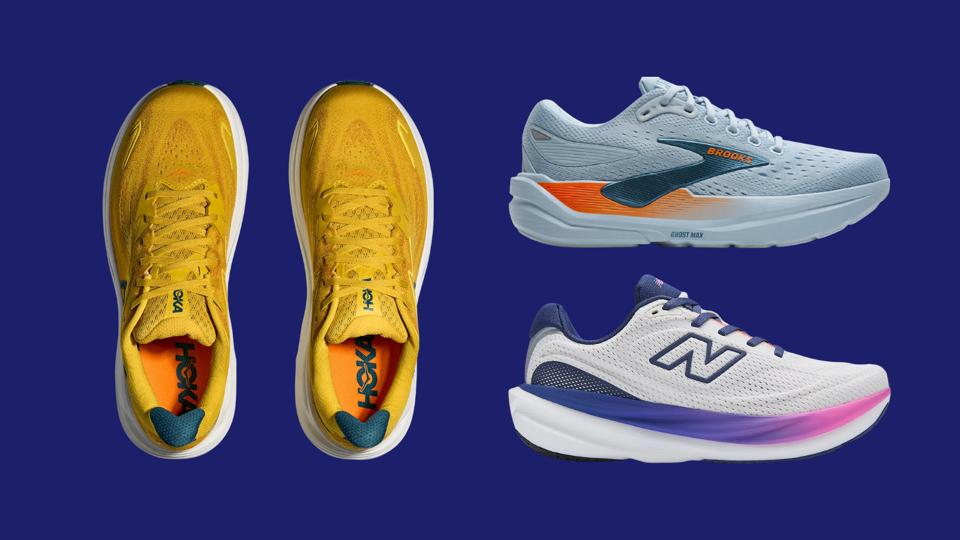
The best shoes for neuropathy usually have a wide toe box, soft materials, firm support, shock-absorbing cushioning, and a smooth interior. The ideal design depends on your foot shape, walking pattern, balance, swelling, and the cause of your neuropathy.
Here are the main shoe types to consider.
Extra-depth walking shoes
Extra-depth walking shoes provide more room above the toes and across the top of the foot. This space can help if you have swelling, hammertoes, bunions, or custom inserts.
Look for a stable heel, a flexible front, and a sole that bends near the ball of the foot. A shoe that twists easily in the middle may offer too little support.
Diabetic shoes
Diabetic shoes are designed to reduce pressure and friction. Many have extra depth, a wide shape, removable insoles, soft uppers, and protective interiors.
Some therapeutic shoes may qualify for insurance coverage when specific medical requirements are met. Coverage rules differ, so ask your clinician, podiatrist, or insurer before buying.
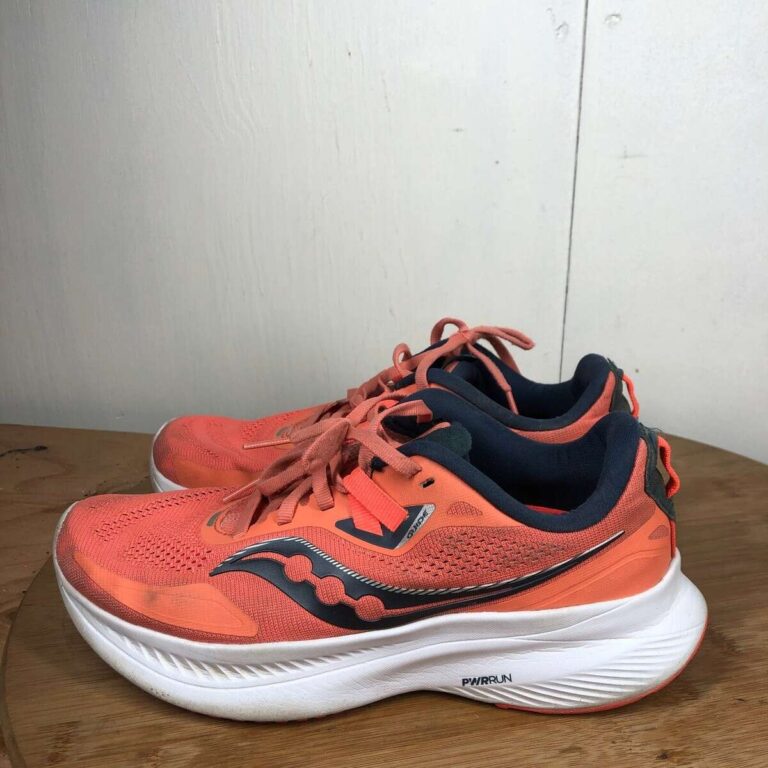
Cushioned walking shoes
A cushioned walking shoe may be one of the best shoes for neuropathy if you walk often. A padded midsole can soften impact on hard floors and pavement.
Cushion alone is not enough. A very soft shoe may feel pleasant at first but allow too much foot movement. Choose cushioning with a stable base and a secure heel.
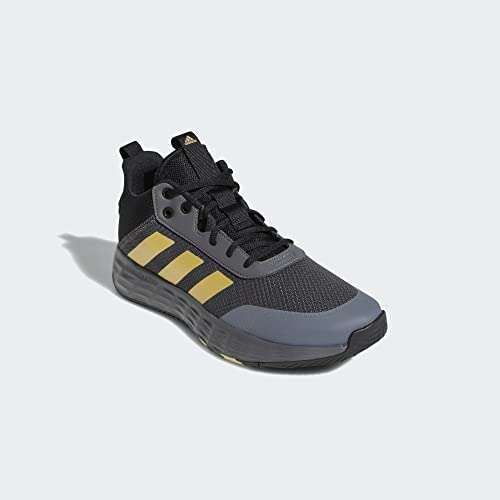
Athletic shoes with a wide toe box
Athletic shoes can work well for neuropathy when they fit correctly. They often provide good traction, cushioning, and heel support.
Avoid narrow performance shoes made for a pointed or slim foot. Your toes should not overlap, curl, or press against the upper.
Custom orthopedic shoes
Custom shoes may help when you have severe deformity, repeated ulcers, major swelling, or a strong difference between your feet. They are made around your measurements and may work with custom orthotics.
They can cost more and may take time to adjust to. A podiatrist or certified pedorthist can help decide whether custom footwear is truly needed.
Supportive house shoes
Many foot injuries happen at home. Walking barefoot, in socks, or in loose slippers can expose numb feet to sharp objects, hot surfaces, and falls.
A good house shoe should cover the toes, stay securely on the foot, have a non-slip sole, and provide enough room for the toes. Avoid backless slippers if you have balance problems.
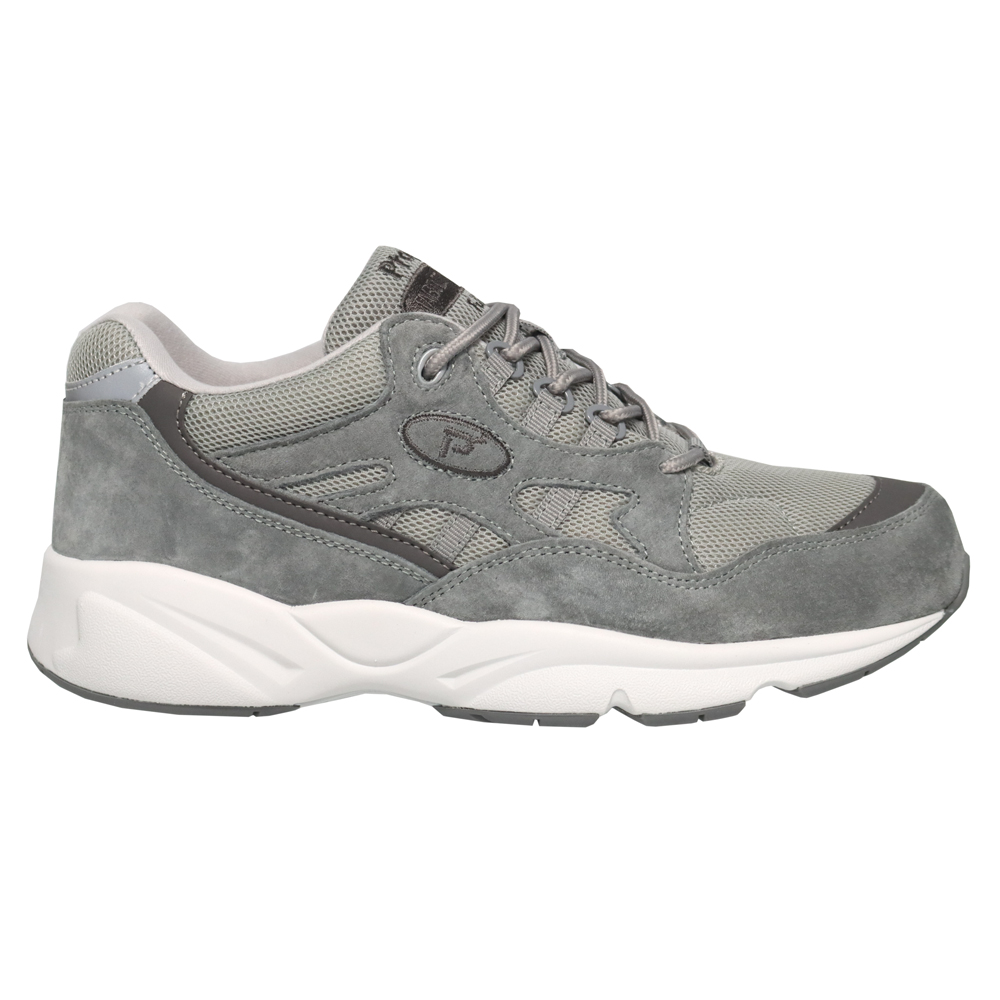
Features to look for in neuropathy shoes
When comparing the best shoes for neuropathy, focus on function rather than appearance. A stylish shoe that causes pressure is not a good bargain.
A wide and deep toe box
Your toes should lie flat and move slightly. The shoe should not press on the sides or top of the toes.
A useful test is to stand in the shoe and check for about half an inch of space between your longest toe and the end. Do not assume your big toe is the longest. Some people have a longer second toe.
A soft, breathable upper
Choose leather, mesh, stretch fabric, or another soft material that does not create hard pressure points. Avoid stiff seams over bunions, hammertoes, or areas of numbness.
Breathable materials can also reduce moisture. Damp skin is more likely to break down and develop blisters.
A smooth inside
Run your hand around the inside of the shoe. Check for rough seams, hard labels, sharp edges, or loose stitching.
Seamless socks can add another layer of protection. Turn the socks inside out if the seams bother your feet.
Removable insoles
Removable insoles make room for custom orthotics or medical inserts. They also let you replace a worn insole without replacing the whole shoe.
Make sure an insert does not lift your foot too high. If it pushes your toes into the top of the shoe, the fit is not safe.
A firm heel counter
The heel counter is the back part of the shoe. It should hold your heel steady without rubbing.
A secure heel can reduce sliding. Less sliding means less friction and fewer pressure spots.
A stable, non-slip outsole
Look for rubber or another material with good grip. A stable outsole can help reduce slips, especially when neuropathy affects balance.
Avoid very smooth soles and worn tread. Replace shoes when the tread is uneven or the sole tilts to one side.
Adjustable closures
Laces, straps, and hook-and-loop closures allow you to fine-tune the fit. This matters when feet swell during the day.
Slip-on shoes may be convenient, but they often let the foot move too much. If you use them, choose a secure heel and a close but gentle fit.

How to choose the right shoe size and fit
Even the best shoes for neuropathy can cause harm if they do not fit. Shoe size is only a starting point. Shape, width, depth, and support matter just as much.
Use this fitting process:
-
Shop later in the day. Feet often swell after walking and standing.
-
Wear the socks and inserts you plan to use with the shoes.
-
Measure both feet while standing. One foot is often slightly larger.
-
Fit the larger foot. Never choose a pair that only fits the smaller foot.
-
Check the toe box. Your toes should move without touching the front or sides.
-
Walk indoors for several minutes. Watch for slipping, pressure, rubbing, or instability.
-
Look at your feet after removing the shoes. Red marks that last more than a short time may signal excessive pressure.
-
Increase wear slowly. Start with 30 to 60 minutes, then inspect your feet.
Your heel should stay in place, but it should not feel trapped. The shoe should bend near the ball of your foot, not in the middle. If the shoe folds sharply under the arch, it may lack structure.
A common mistake is buying shoes that feel “snug.” With neuropathy, snug can become harmful. The shoe should feel secure, not tight.

The best socks to wear with neuropathy shoes
Socks are part of your foot protection system. The wrong pair can create folds, tight bands, and extra moisture.
Choose socks that are:
• Smooth and low-seam
• Moisture-wicking
• Not tight around the ankle
• Large enough to avoid stretching across the toes
• Free of thick ridges or rough fibers
Avoid socks with tight elastic that leaves deep marks. Avoid cotton socks if your feet sweat heavily during long walks, since wet fabric can increase friction.
Change socks each day, or more often if they become damp. Check them for blood, drainage, or unusual stains. These signs may point to a hidden wound.
Compression socks require special care. They may help some people with swelling, but they are not right for everyone. If you have poor circulation, a blocked artery, or reduced sensation, ask a clinician before using them.

Shoes to avoid when you have neuropathy
Some shoes create pressure even when they look comfortable. The best shoes for neuropathy should protect your feet, so be cautious with these styles:
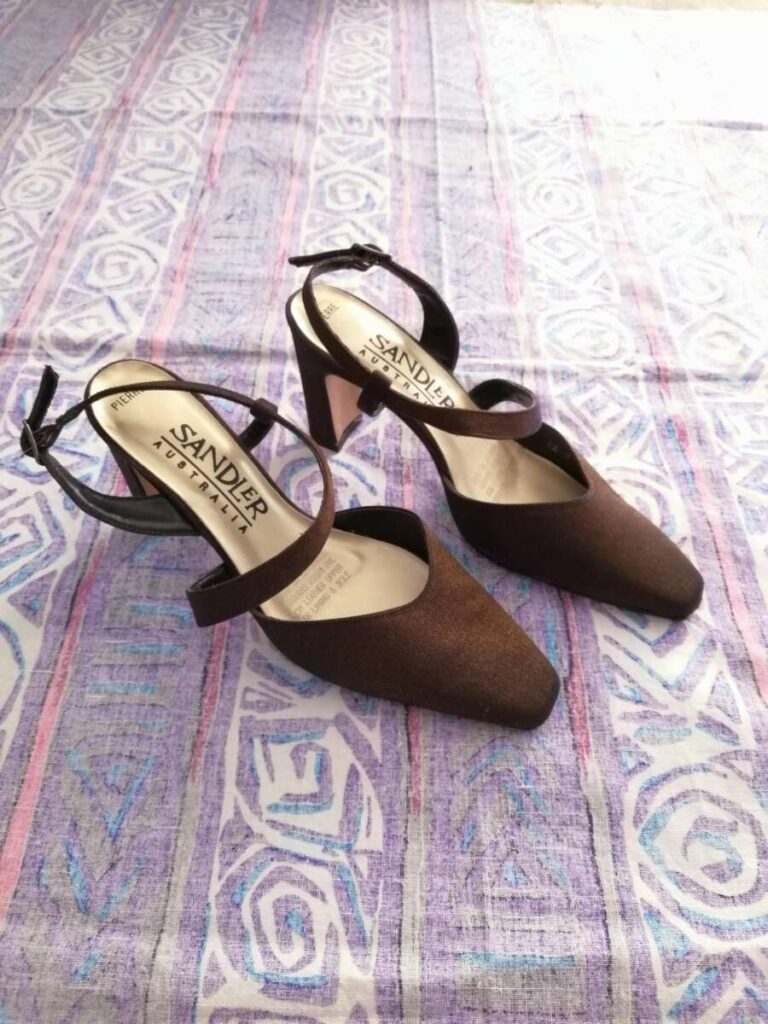
• High heels, which shift pressure toward the toes
• Pointed-toe shoes, which squeeze the forefoot
• Flip-flops, which offer little protection or stability
• Backless slippers, which can increase slipping and toe gripping
• Barefoot walking, especially outdoors
• Rigid shoes with rough seams
• Tight boots that restrict swelling
• Worn shoes with uneven soles
• Shoes that require a painful break-in period
Do not try to “break in” a shoe that causes numbness, pain, or a red mark. A safe shoe may soften slightly with use, but it should not injure your feet while doing so.
I often see a practical mistake in shoe advice: people focus on the brand name and ignore the fit. A highly rated shoe can still be wrong for a wide foot, a high instep, or a foot with swelling. Fit beats fashion, price, and popularity.
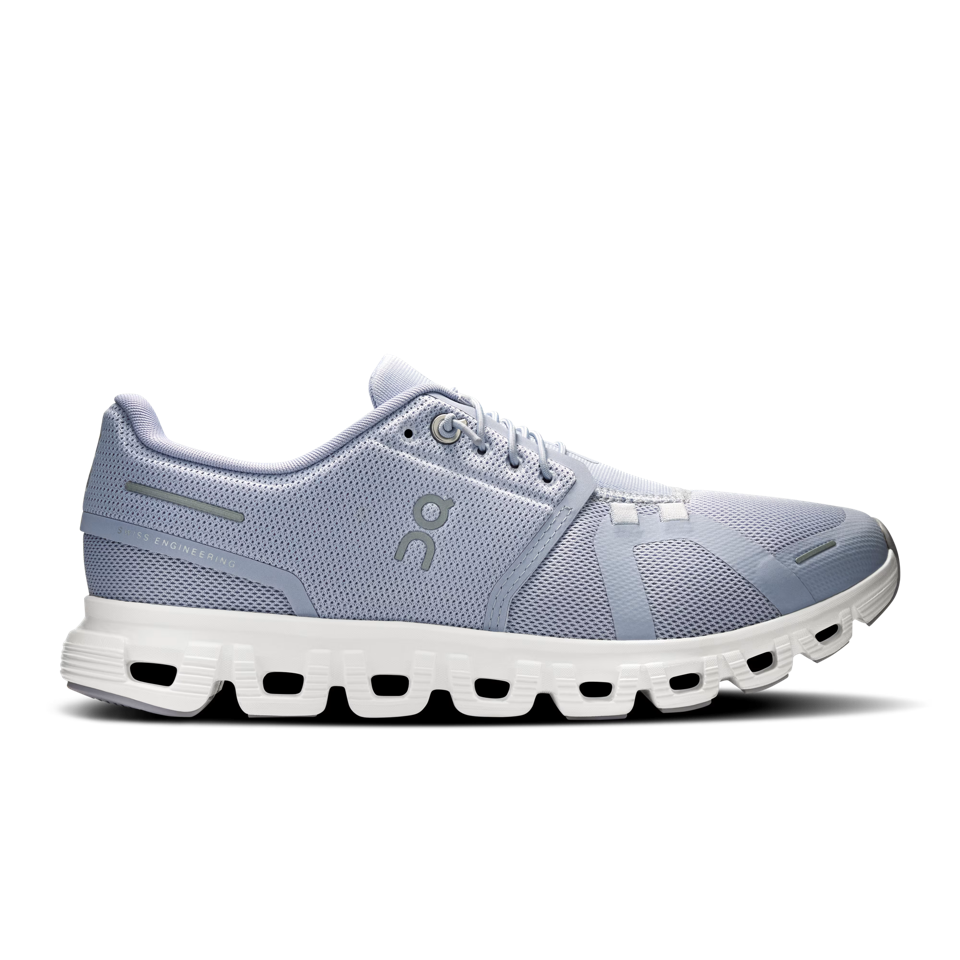
How to inspect your feet and shoes
Daily inspection is especially important if you cannot feel your feet well. Use a mirror to see the bottoms, or ask someone you trust to help.
Check for:
• Blisters
• Cuts or cracks
• Redness
• Swelling
• Bruises
• Warm areas
• Drainage
• Dark or pale skin changes
• Corns or pressure spots
Also inspect the inside of your shoes. A small pebble, folded insole, or torn lining can cause damage without causing pain.
Never test bath water with a numb foot. Use your hand or a thermometer. Avoid heating pads and hot water bottles near numb areas because burns may occur before you feel the heat.
Contact a health professional promptly for an open wound, spreading redness, pus, increasing warmth, fever, a black area, or a sore that does not improve. People with diabetes should be especially careful, because foot infections can progress quickly.
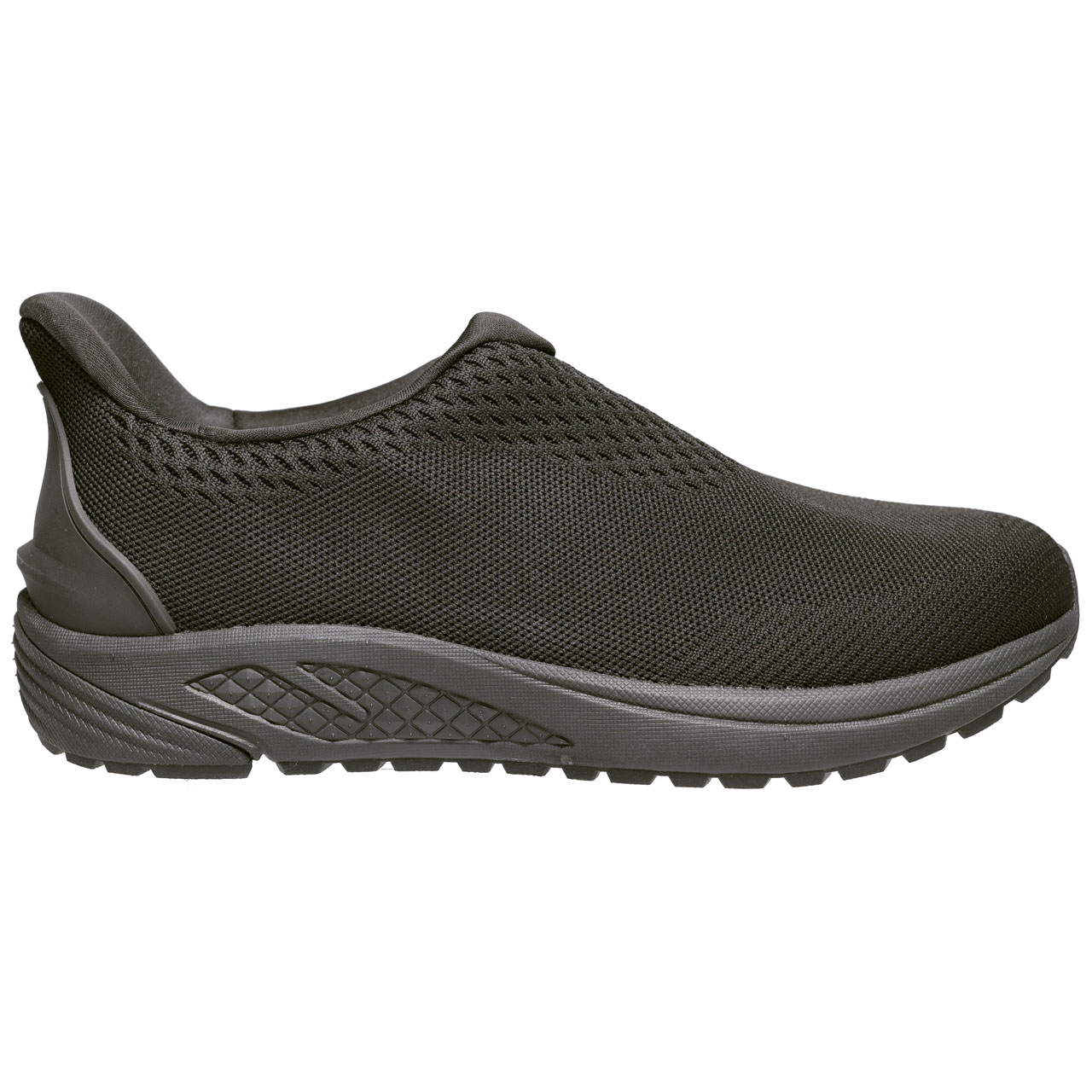
Can insoles help neuropathy?
Insoles may help by spreading pressure across a larger area. They can also improve alignment and reduce stress under the heel or ball of the foot.
However, an insole is not automatically safe. A thick insert inside a regular shoe may reduce toe room and create pressure on the top of the foot.
Consider a professional assessment if you have:
• Repeated blisters or calluses
• A history of foot ulcers
• Severe flat feet or high arches
• Bunions or hammertoes
• Uneven walking
• Major swelling
• Pain that continues despite new shoes
A podiatrist, physical therapist, or certified pedorthist can assess your gait and pressure points. They may recommend a specific insole, custom orthotic, or therapeutic shoe.
Remember that calluses are clues. Do not simply remove them and ignore the cause. A callus often shows where pressure is too high.
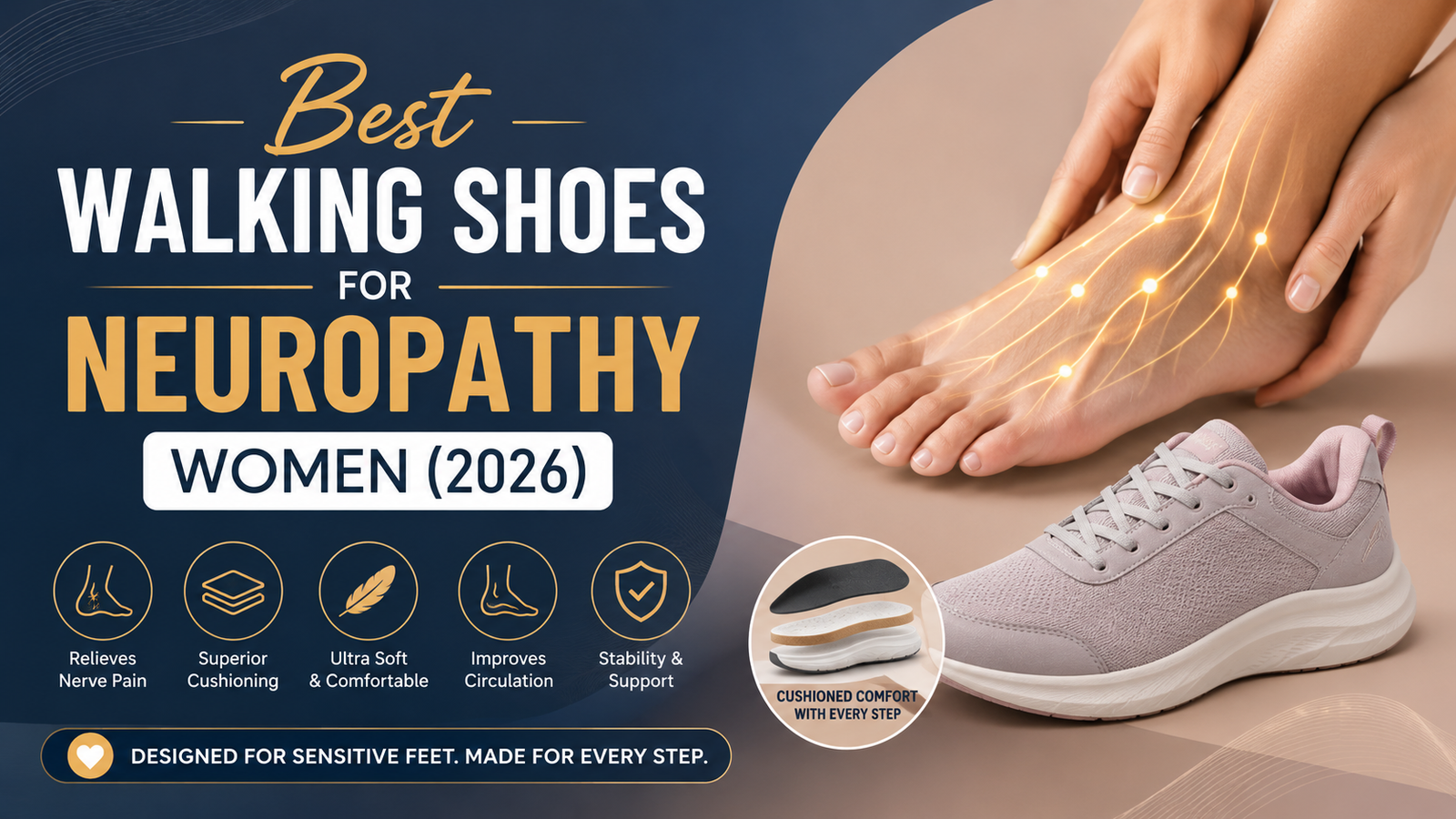
Best shoes for neuropathy for different activities
Your daily shoes may not be right for every activity. Match the shoe to the task.
For walking
Choose a supportive walking shoe with cushioning, a stable heel, a roomy toe box, and a grippy sole. Replace it when the midsole feels flat or the tread becomes uneven.
For standing at work
Choose shoes with broad support and enough depth for swelling. If you stand on concrete, cushioning may help, but stability remains important.
For exercise
Use activity-specific shoes. Walking shoes are not always suitable for running, court sports, or hiking. Start with short sessions and inspect your feet afterward.
For hiking
Select a lightweight hiking shoe or boot with a secure heel, protective toe area, and strong traction. Wear it on short outings first. Watch for hot spots, especially on descents.
For formal events
Look for dress shoes with a rounded toe, low heel, soft upper, and supportive insole. Bring a safer pair for travel and limit the time spent in formal footwear.
When to see a podiatrist or other clinician
Shoes can reduce risk, but they do not treat the underlying cause of neuropathy. A medical evaluation can help identify the cause, manage symptoms, and protect your long-term health.
Arrange an appointment if numbness is new, worsening, spreading, or affecting your balance. You should also seek care for burning pain that disrupts sleep, muscle weakness, or repeated falls.
People with diabetes should follow a regular foot-care plan. Blood sugar control, smoking cessation, nutrition, medication review, and treatment of circulation problems may all matter.
A clinician can also check pulses, skin condition, sensation, strength, and foot structure. This evaluation gives you better advice than choosing shoes by online reviews alone.
Simple shopping checklist
Take this checklist when you shop for the best shoes for neuropathy:
• Do the shoes fit both feet?
• Is the toe box wide and deep?
• Can you wiggle your toes?
• Is there about half an inch of space at the front?
• Does the heel stay secure?
• Are there rough seams inside?
• Can the shoe hold your prescribed insert?
• Does the sole grip the floor?
• Can you adjust the fit as your feet swell?
• Do your feet show red marks after walking?
• Can you return the shoes if they fail an indoor test?
Keep two or more suitable pairs and rotate them when possible. This gives each pair time to dry and lets you notice whether one pair creates a repeated pressure spot.
Frequently Asked Questions
What are the best shoes for neuropathy?
The best shoes for neuropathy have a wide toe box, soft upper, smooth interior, stable heel, cushioned sole, and good traction. They should fit securely without squeezing or rubbing your feet.
Are barefoot shoes safe for neuropathy?
Barefoot shoes are not always safe for people with reduced sensation. Thin soles may expose your feet to sharp objects, heat, cold, and uneven surfaces, so ask a clinician before using them.
Are memory foam shoes good for neuropathy?
Memory foam can feel comfortable, but it does not guarantee proper support or protection. Choose memory foam only when the shoe also provides a stable base, enough depth, a secure heel, and good traction.
Should neuropathy shoes be loose?
Neuropathy shoes should not be loose. They need enough room for your toes and swelling, while the heel and midfoot remain secure to prevent sliding and friction.
Can shoes cure neuropathy?
Shoes cannot cure nerve damage. They may reduce pressure, protect numb feet, improve comfort, and lower the chance of skin injury while the underlying condition is treated.
How often should I replace neuropathy shoes?
Replace them when the soles wear unevenly, cushioning feels flat, the upper breaks down, or the inside develops rough areas. Inspect them often, because a shoe can look fine outside while becoming unsafe inside.
Conclusion
The best shoes for neuropathy protect your feet without creating new pressure. Prioritize a roomy toe box, soft materials, a smooth interior, stable support, cushioning, traction, and a secure fit. Wear them for short periods at first, inspect your feet every day, and never ignore redness, swelling, or a wound.
Your feet deserve the same care as any other part of your health. Use this checklist when shopping, ask a podiatrist for help when needed, and choose protection over fashion when the two compete.

Michael Smith is the Content Strategist behind The Style Hub, where fashion meets function. With a keen eye for trends and a passion for everyday style, he curates content that helps readers make smarter, more stylish choices—from the perfect pair of sneakers to must-have accessories. Michael specializes in breaking down fashion into practical, wearable insights, making style accessible for everyone. When he’s not researching the latest trends, he’s exploring how comfort, innovation, and timeless design come together in modern fashion.