Best Shoes For Overweight Supinators: Top Comfort Picks
The best shoes for overweight supinators combine soft cushioning, a stable base, and enough room for natural foot movement.
If your shoes wear down on the outer edge, your feet may roll outward as you walk. Extra body weight can make that stress feel worse in the heels, ankles, knees, and hips. I tested these styles with comfort, width, grip, and daily use in mind. The list includes supportive walking shoes and minimalist pairs, but each one has a different job. That matters because the best shoes for overweight supinators should match your foot strength, activity, and comfort needs.
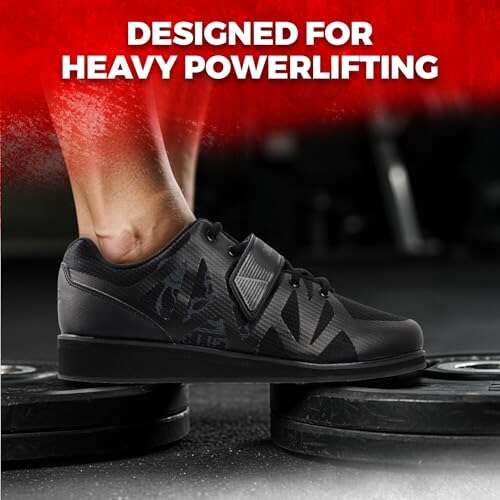
Nordic Lifting MEGIN Squat Shoes

The Nordic Lifting MEGIN is made for lifting, not long road walks. Its firm sole gives your feet a steady platform during squats, deadlifts, and leg presses. I like this design for users who want less wobble under load. The raised heel can also help some lifters reach a more natural squat position.
This shoe does not offer the soft foam found in a daily walking sneaker. That firm feel is useful in the gym, but it may feel harsh on pavement. The strap helps lock the foot in place, which is helpful when extra body weight increases movement inside the shoe. For an overweight supinator, I would use this pair for strength work and choose a cushioned walking shoe for daily steps.
Pros:
- Firm base supports controlled lifting
- Raised heel may improve squat depth
- Secure strap limits foot movement
- Wide, stable platform feels planted
- Durable build for gym training
- Useful for squats and deadlifts
Cons:
- Not designed for long-distance walking
- Firm sole may feel hard on concrete
- Limited shock relief compared with running shoes
Barefoot Zero-Drop Wide Toe Shoes
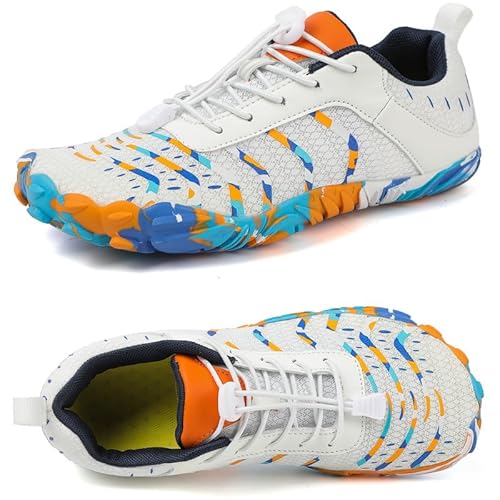
This barefoot-style shoe has a flat zero-drop sole and a roomy toe box. The design lets the toes spread instead of squeezing them into a narrow front. I found that useful for balance drills, light gym work, and casual walking. The flexible upper also makes the shoe feel less bulky than many traditional trainers.
However, a thin and flexible sole does not equal maximum support. People with weak feet, heel pain, or little experience with minimalist shoes should move into them slowly. For some overweight supinators, the wide base and natural toe room can improve ground awareness. For others, the lack of cushioning may increase fatigue, so short sessions are the safer start.
Pros:
- Wide toe box allows natural toe spread
- Zero-drop design keeps the heel and forefoot level
- Flexible sole supports natural foot movement
- Lightweight feel reduces shoe bulk
- Works for workouts, walks, and travel
- Breathable shape suits warm conditions
Cons:
- Minimal cushioning may not suit long walks
- Needs a gradual break-in period
- Less protective on rough ground
AIRHAS Women’s Barefoot Workout Shoes

The AIRHAS women’s workout shoe uses a barefoot shape with a zero-drop profile. It gives the forefoot more space than many slim training sneakers. I like it for gym users who need a flexible shoe for strength work, machines, and short cardio sessions. The simple black color also works well for daily wear.
The shoe promotes foot movement rather than strong motion control. That can feel freeing, but it also means the foot must do more work. If you carry extra weight, start with short workouts and watch for soreness in the calves or arches. This pair may be one of the best shoes for overweight supinators who prefer a natural feel, but it is not the first choice for severe heel pain.
Pros:
- Roomy front supports comfortable toe movement
- Flat sole helps create a stable gym stance
- Flexible upper bends with the foot
- Light design feels easy during workouts
- Good choice for strength and balance drills
- Black finish hides everyday marks
Cons:
- Limited cushioning for hard sidewalks
- May expose weak calves to extra strain
- Not ideal for heavy road running
YVIPO Hiking Barefoot Water Shoes
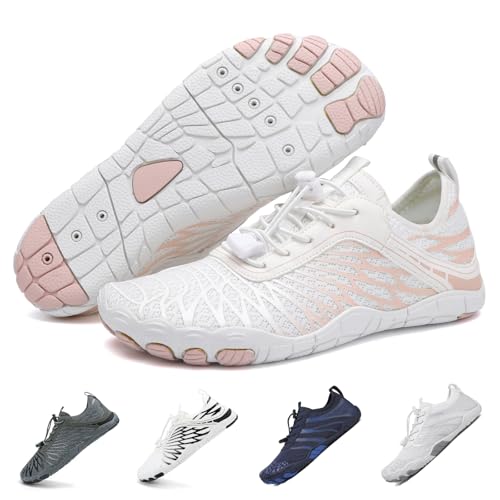
The YVIPO shoe is a flexible option for water, beach walks, light hikes, and outdoor travel. Its wide toe design gives the toes room to spread on uneven ground. The outsole aims to provide grip without adding much weight. I see it as a useful warm-weather shoe for people who dislike stiff hiking footwear.
Water shoes are not the same as supportive walking shoes. They protect the foot from hot sand, small stones, and slippery surfaces, but they do not provide deep heel cushioning. The non-slip tread is helpful near pools and wet paths. For overweight supinators, this pair works best for short outdoor activities rather than all-day pavement use.
Pros:
- Useful for water, beach, and pool areas
- Wide toe shape supports natural movement
- Lightweight design packs easily for travel
- Flexible upper dries faster than heavy shoes
- Grip helps on wet and smooth surfaces
- Suitable for walking, swimming, and light hikes
Cons:
- Not a full-support walking sneaker
- Thin sole may not block sharp rocks
- Limited warmth in cold weather
Git-up Women’s Wide Toe Walking Shoes

The Git-up walking shoe focuses on space, easy entry, and daily comfort. Its wide toe box can help when regular shoes press against bunions or swollen feet. I like the roomy fit for people who stand for long shifts or spend many hours on their feet. The flexible upper also reduces pressure across the top of the foot.
This style is especially practical for casual walking, errands, nursing work, and travel. It does not feel like a firm running shoe, so users who need strong heel control may want an added insole. The wide shape can help an outward-rolling foot feel less trapped. In my view, it is one of the best shoes for overweight supinators who value comfort and width over speed.
Pros:
- Wide toe box reduces front-foot pressure
- Comfortable choice for standing work
- Easy upper suits swollen feet
- Flexible design supports casual walking
- Room for many orthotic inserts
- Useful for nursing and daily errands
Cons:
- May feel too soft for fast running
- Heel support is moderate rather than firm
- Fit may feel loose on narrow feet
Women’s Orthopedic Walking Shoes

This orthopedic walking shoe is aimed at people who want more cushioning and arch support. The design may help users who deal with plantar fascia discomfort, heel soreness, or tired feet. Its athletic shape makes it more useful for outdoor walks than a flat casual shoe. I also like the higher-support feel for people who need a gentle bridge between a basic sneaker and a medical-style shoe.
Extra support can make long walks feel less tiring, but fit still matters more than a label. A high arch insert is not automatically right for every supinator. If the arch support hits the wrong place, it can create pressure instead of relief. Try the shoe indoors first, and stop if pain increases or your toes feel cramped.
Pros:
- More cushioning for hard walking surfaces
- Supportive shape may ease foot fatigue
- Useful for heel and arch discomfort
- Athletic tread suits outdoor walking
- Good option for training and errands
- Offers more structure than minimalist shoes
Cons:
- Arch height may not suit every foot
- Can feel bulky beside barefoot shoes
- May need careful sizing for wide feet
WHITIN Women’s Wide Minimalist Shoes

The WHITIN minimalist shoe offers a broad front and a zero-drop sole. It is built for users who want their toes to spread and their heel to stay level with the forefoot. The light structure works well for gym exercises, casual use, and short walks. The pink color also gives it a more casual look than many black training shoes.
I would not make a sudden switch from a thick, supportive shoe to this flat style. Extra weight can increase the work placed on the feet and lower legs. Begin with ten to fifteen minutes, then increase time only when your feet feel calm the next day. With a slow transition, this can be one of the best shoes for overweight supinators who want better ground feel and a wide fit.
Pros:
- Wide design gives toes useful room
- Zero-drop sole supports level foot posture
- Flexible build encourages natural movement
- Lightweight for travel and daily wear
- Good for balance and basic gym work
- Less restrictive than narrow shoes
Cons:
- Minimal cushioning may limit walking time
- Needs a slow transition for new users
- May not suit active heel pain
Joomra Women’s Zero-Drop Barefoot Sneakers
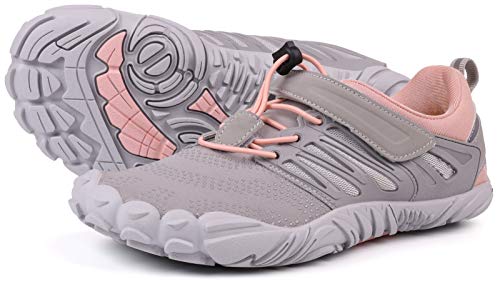
The Joomra barefoot sneaker is a simple, flexible option for women who want a roomy and low-profile shoe. Its zero-drop shape keeps the heel from sitting much higher than the toes. The flexible upper works well for light training, walking, and daily tasks. It also offers a softer visual style for people who want a casual pink and gray shoe.
This shoe favors freedom over built-in correction. It does not force the foot into a strong arch or heavy heel structure. That can be useful for healthy users who want to build foot awareness, but it may not be enough for long walks with heavy impact. I recommend using it on level ground first and pairing it with strength work for the feet and calves.
Pros:
- Roomy front helps reduce toe pressure
- Zero-drop sole encourages level contact
- Flexible design works for light exercise
- Light feel suits daily errands
- Simple style matches casual clothing
- Useful for balance and mobility work
Cons:
- Limited shock absorption for pavement
- Not ideal for long-distance running
- Requires gradual use for new wearers
How I Choose Shoes for Overweight Supinators
Supination means the foot tends to roll toward the outside edge during contact. Some people naturally have this pattern, while others develop it from stiff ankles, weak foot muscles, poor shoe fit, or old injuries. A worn outer heel can offer a clue, but it does not prove a gait problem. I always judge comfort, balance, and pain along with the wear pattern.
Extra body weight increases the force placed on each step. That does not mean you need the stiffest shoe on the market. It means the shoe should feel stable, fit well, and offer enough cushioning for the surface you use. The best shoes for overweight supinators should reduce harsh impact without squeezing the foot or making balance harder.
I also look for a broad base. A wider outsole can feel more secure than a narrow racing shape. A secure heel counter helps reduce sliding, while a flexible forefoot allows the foot to move through the step. These small details matter when the outside edge already receives more pressure.
Key Features to Check Before Buying
Cushioning: Soft foam can reduce the sharp feel of pavement and tile. Yet too much soft foam may feel unstable for some people. I prefer cushioning that compresses gently and then returns to shape. For daily walking, choose comfort first. For lifting, choose firmness and control.
Base width: A broad sole gives the foot a better platform. This is especially useful when you carry extra weight or walk on uneven ground. Look at the outsole, not just the upper. A roomy upper with a narrow bottom can still feel tippy.
Toe room: Toes help with balance. They should not touch the front or press against each other. A square or foot-shaped toe box often works better than a pointed athletic shape. Leave about a thumb of space beyond the longest toe.
Heel fit: The heel should stay in place without tight pressure. Excess movement can create blisters and make the foot work harder. I check heel slip while walking up a slope and down a slope. A padded collar and adjustable laces often improve the fit.
Flexibility: The shoe should bend near the toes, not in the middle. A shoe that folds under the arch may lack useful support. Barefoot shoes are very flexible by design, but they still need to fit securely. If the foot feels tired fast, reduce use and build up slowly.
Grip: A slip can create more trouble than a worn outsole. Look for rubber contact under the heel and forefoot. Outdoor walkers need tread that works on damp paths. Gym users may prefer a flatter rubber sole for better contact with the floor.
Cushioned Shoes or Barefoot Shoes?
This question has no single answer. A cushioned shoe can make a long day easier and may reduce the hard feel of each step. A barefoot shoe can improve toe freedom and ground awareness. Neither style fixes supination by itself.
If you have pain, weak ankles, or little shoe experience, start with a more protective walking model. The orthopedic walking shoe and the Git-up wide shoe offer a safer place to begin. If your feet feel strong and you want a natural fit, try the WHITIN, Joomra, AIRHAS, or other zero-drop models for short sessions.
Do not wear a minimalist shoe for a full-day walk on the first day. Your calves and feet may need time to adapt. Increase use in small steps. Pain that lasts into the next day means you should scale back.
Best Uses for Each Shoe Type
The Nordic Lifting pair belongs in the weight room. Its firm sole helps you feel connected to the floor during strength work. It is not a good replacement for a cushioned walking sneaker.
The water shoe belongs near pools, beaches, and wet trails. The wide minimalist styles suit light workouts, balance drills, travel, and casual walking. The orthopedic pair works best for outdoor walking and people who want more cushioning. The Git-up style stands out for work shifts, errands, and feet that need more space.
Matching the shoe to the task is one of the easiest ways to avoid discomfort. Running, lifting, hiking, and standing do not place the same demands on the foot. One shoe rarely does every job well.
Fit Tips for a Better Result
Measure both feet at the end of the day. Feet often swell after hours of standing or walking. Use the larger foot when choosing a size. Wear the socks you plan to use with the shoe.
Walk indoors for several minutes before wearing a new pair outside. Check for toe pressure, heel movement, arch rubbing, and hot spots. The shoe should feel comfortable at once. Do not expect a painful shoe to “break in” into a perfect fit.
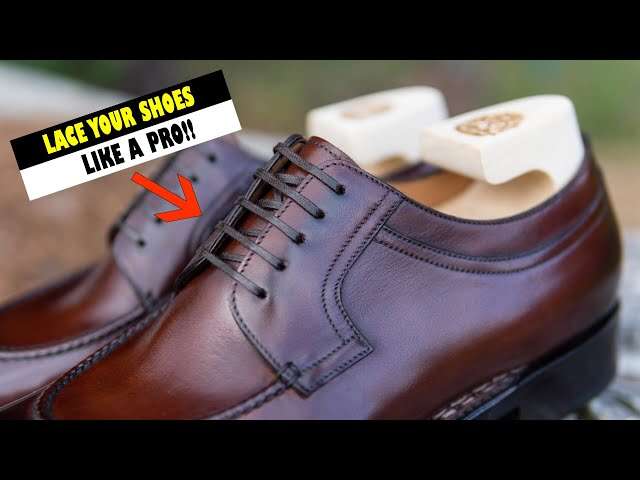
Try lacing the shoe in a way that holds the heel but leaves the forefoot free. A runner’s loop may help some people reduce heel slip. Do not pull so hard that the top of the foot becomes numb. Comfort should guide the final adjustment.
Best For Comparison
| Best for | Why |
|---|---|
| Daily walking and standing | Wide toe room and a comfortable, flexible fit help reduce pressure during long days. |
| Gym strength training | A firm, level platform gives better floor contact for squats, deadlifts, and balance work. |
| Natural movement and light workouts | Zero-drop, flexible designs allow toe spread and a more direct feel underfoot. |
My Recommendation
For most people, the Women’s Orthopedic Walking Shoes are my top choice for daily use. They provide more cushioning and structure than the minimalist pairs, which matters when you walk on hard surfaces or stand for long hours. The Git-up shoe is a close second for anyone who needs a wide toe box, soft upper, or easy fit.
I recommend the Nordic Lifting MEGIN for gym users, not for daily walking. The WHITIN, Joomra, AIRHAS, and wide barefoot styles suit people who already tolerate zero-drop shoes and want more foot freedom. The YVIPO is the practical pick for water and beach use. Overall, the best shoes for overweight supinators are the ones that fit securely, feel stable, and match your real activity.
FAQs Of best shoes for overweight supinators
What are the best shoes for overweight supinators?
The best shoes for overweight supinators usually have good cushioning, a stable base, a secure heel, and enough toe room. A supportive walking shoe is often the safest daily choice. Minimalist shoes can work, but you should transition slowly.
Should supinators wear motion-control shoes?
Not always. Motion-control shoes may add more correction than a supinator needs. Look for balanced cushioning and a stable platform instead of choosing a shoe only by its label.
Are barefoot shoes safe for overweight people?
They can be safe for some users, but they need a gradual transition. Start with short walks on level ground. Stop if you develop lasting heel, calf, ankle, or arch pain.
How much toe room should walking shoes have?
Leave about a thumb of space between your longest toe and the shoe front. Your toes should spread without touching the sides. The heel should remain secure while you walk.
Can shoes correct supination?
Shoes cannot fully correct the way a person walks. They can improve comfort, grip, cushioning, and stability. Foot exercises, ankle mobility work, and professional advice may also help.
Final Verdict: Which Should You Buy?
For most daily walkers, the orthopedic walking shoe is the best overall pick. It offers useful cushioning and structure. Choose Git-up for extra width, Nordic Lifting for gym work, or a barefoot pair for gradual natural movement.
The best shoes for overweight supinators should feel stable, roomy, and comfortable from day one. Match the shoe to your activity, check the fit, and replace worn footwear before pain starts.

Michael Smith is the Content Strategist behind The Style Hub, where fashion meets function. With a keen eye for trends and a passion for everyday style, he curates content that helps readers make smarter, more stylish choices—from the perfect pair of sneakers to must-have accessories. Michael specializes in breaking down fashion into practical, wearable insights, making style accessible for everyone. When he’s not researching the latest trends, he’s exploring how comfort, innovation, and timeless design come together in modern fashion.