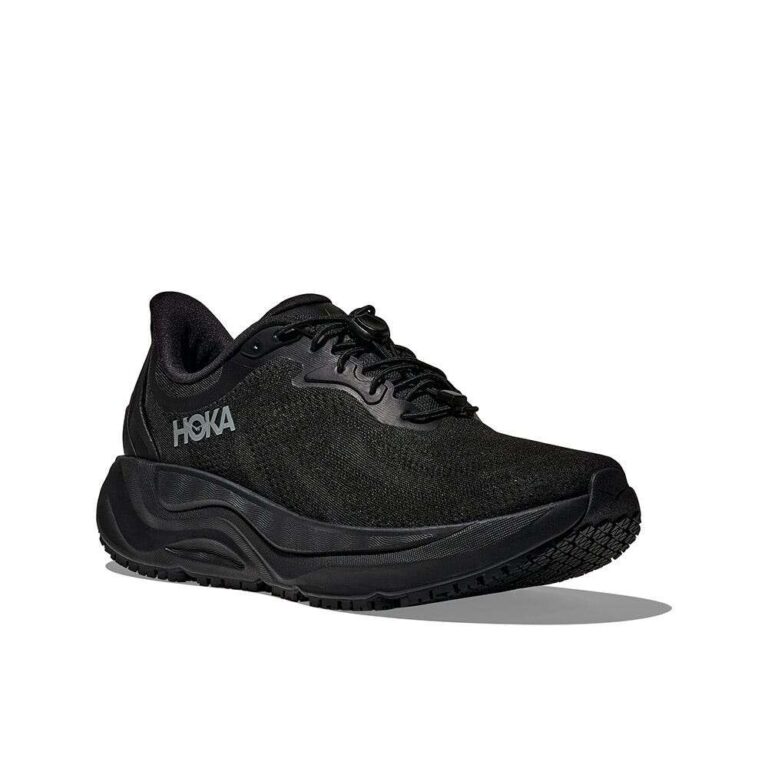
Are Trail Running Shoes Good For Hiking: Hiking Guide
Yes, trail running shoes are good for hiking when the route, pack, and shoe design match your needs.
Are trail running shoes good for hiking? In many cases, yes. They offer a light feel, strong grip, and fast break-in time. I have seen hikers switch from heavy boots to trail shoes and move with less foot fatigue. Still, trail shoes are not right for every trail or every hiker. This guide explains where they work, where they fall short, and how to choose a safe pair.
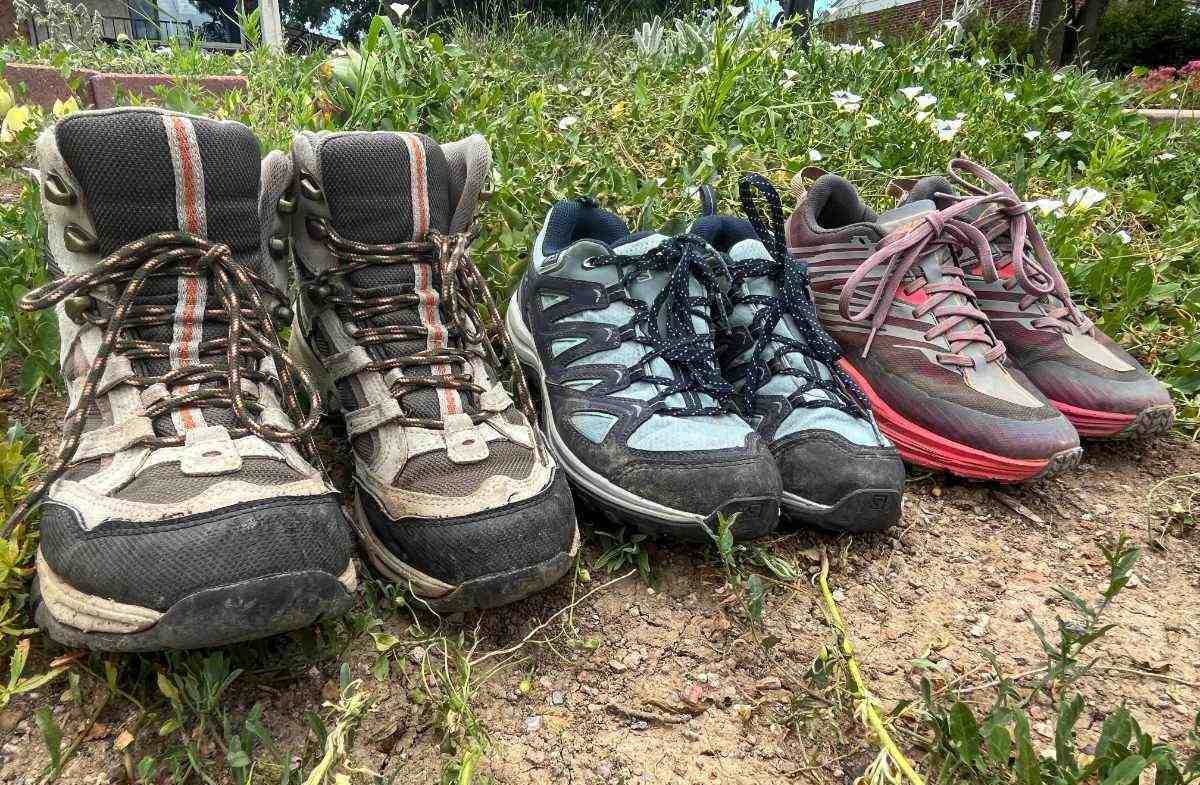
Are trail running shoes good for hiking?
Trail running shoes can be excellent hiking shoes for day hikes, fast hikes, and well-kept trails. They are made to handle dirt, rocks, roots, and uneven ground. Most also have deep lugs, firm midsoles, and tough mesh uppers.
The main trade-off is support. Trail running shoes are often lower, softer, and lighter than hiking boots. They may not protect your ankles or carry heavy loads as well. So, the best choice depends on the trail, weather, pack weight, and your foot strength.
Are trail running shoes good for hiking on a simple 5-mile forest path? Usually, yes. Are trail running shoes good for hiking on a steep, wet, rocky route with a 40-pound pack? A sturdy hiking shoe or boot may be safer.
Here are the main factors to check:
• Trail surface: Dirt, gravel, and dry rock suit trail shoes well.
• Pack weight: A light day pack places less stress on your feet.
• Weather: Dry conditions favor breathable trail shoes.
• Ankle needs: People with weak or unstable ankles may prefer more structure.
• Shoe fit: A poor fit can cause more harm than a lack of ankle support.

Why hikers choose trail running shoes
Trail shoes are popular because they feel more like athletic shoes than traditional hiking boots. They let your feet move with less weight. This can make a long hike feel easier, much like trading a heavy backpack for a lighter one.
They are light and fast
Many trail running shoes weigh far less than leather hiking boots. Less weight can reduce leg fatigue over many miles. This matters on warm days, long climbs, and trips where you want to cover ground quickly.
Light shoes also help hikers who dislike stiff footwear. You may feel more natural balance and better contact with the trail. That feeling can improve confidence on smooth rocks and narrow paths.
They dry faster
Trail running shoes often use mesh or synthetic fabric. These materials allow air to move through the shoe. They also tend to dry faster after rain or a shallow stream crossing.
Fast drying does not mean waterproof. Water can enter mesh shoes quickly. However, a wet trail shoe may dry sooner than a thick leather boot.
They provide strong grip
Many trail shoes use rubber outsoles with lugs. Lugs are the raised shapes under the shoe that grip soil and rock. A lug pattern of 3 to 5 millimeters often works well for mixed trails.
Grip varies by rubber compound and design. Some shoes grip wet rock well. Others work better in loose dirt or mud. Check the outsole before buying, rather than judging the shoe by its look.
They break in quickly
A good trail shoe may feel comfortable on the first hike. Most need less break-in time than stiff boots. This is helpful when you need a shoe for an upcoming trip.
Still, “comfortable in the store” does not prove a shoe is ready for a 15-mile hike. Test it on short walks first. Watch for hot spots, heel lift, and toe pressure.
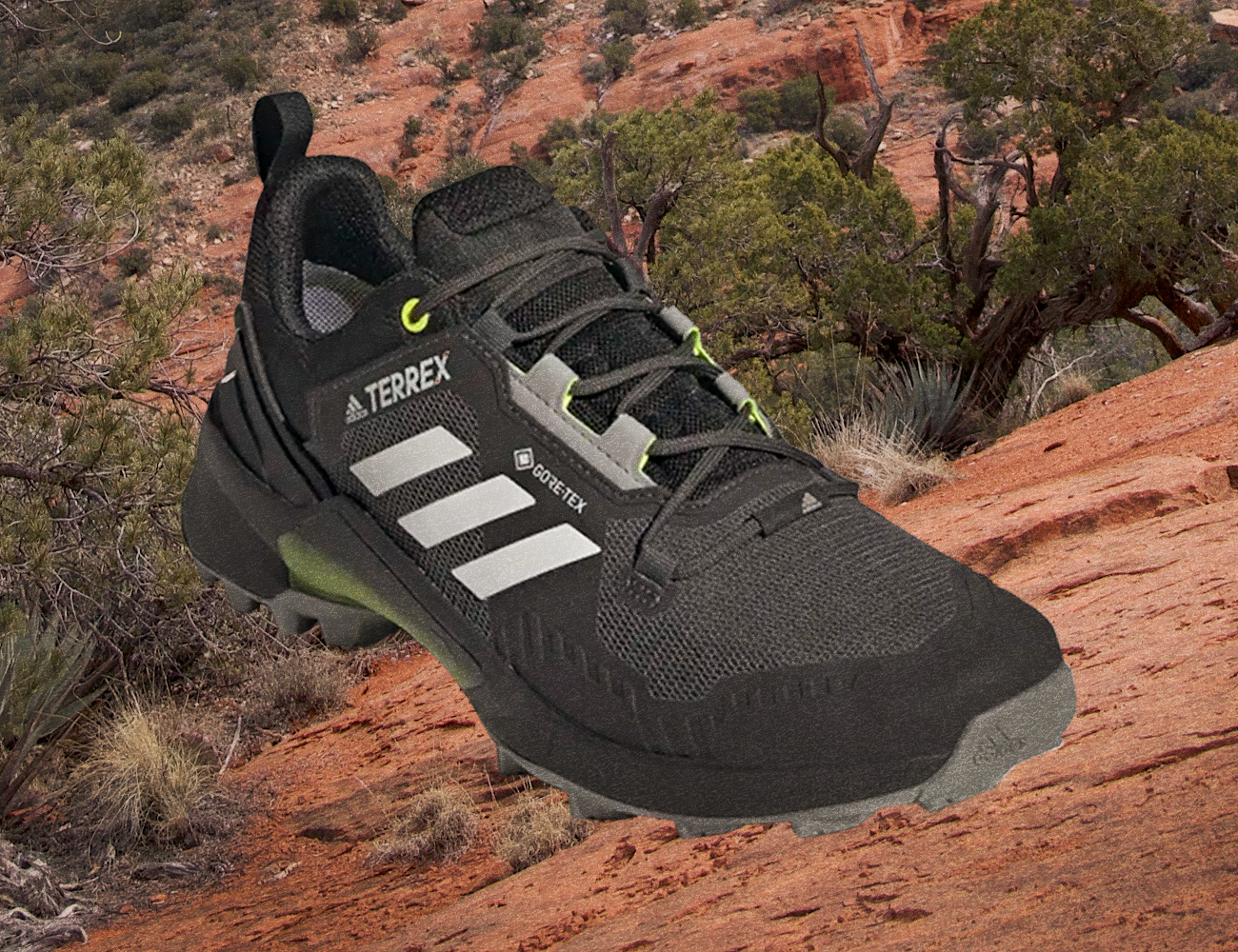
Limitations of trail running shoes for hiking
Are trail running shoes good for hiking in every setting? No. Their low weight comes with limits. Understanding those limits can prevent blisters, bruised toes, and ankle injuries.
Less ankle protection
Most trail running shoes stop below the ankle. They cannot shield the ankle from brush, cold air, or a direct hit as well as high-cut boots. They also do not prevent every ankle roll.
Research on footwear and ankle injuries does not show that high boots solve every ankle problem. Balance, strength, terrain, and attention still matter. Yet hikers with past ankle injuries may feel safer in a more supportive shoe.
Less protection from rocks
Trail shoes often have a toe cap, but the protection may be thin. A hard rock can still hurt when it hits the front or side of your foot. Some shoes also have a flexible upper that offers little defense against sharp objects.
Look for a firm toe guard if you hike on rocky trails. A rock plate under the foot can also help reduce pressure from stones and roots. This plate does not make the shoe puncture-proof, but it can improve comfort.
Faster wear
Trail running shoes are built for movement, not always for years of use. Their foam may lose some bounce after many miles. The outsole can also wear down faster on pavement.
A rough guide is to inspect a pair after 300 to 500 miles. Some last longer, while others wear out sooner. Your weight, stride, trail surface, and shoe quality all affect the life span.
Poor performance with heavy loads
A large backpack changes how your feet and legs handle each step. It adds force during descents and can increase foot strain. A soft trail shoe may feel unstable under a heavy pack.
For backpacking, look for a firm midsole, a strong heel counter, and a wide, stable base. A mid-height hiking shoe may offer a better balance of comfort and support.
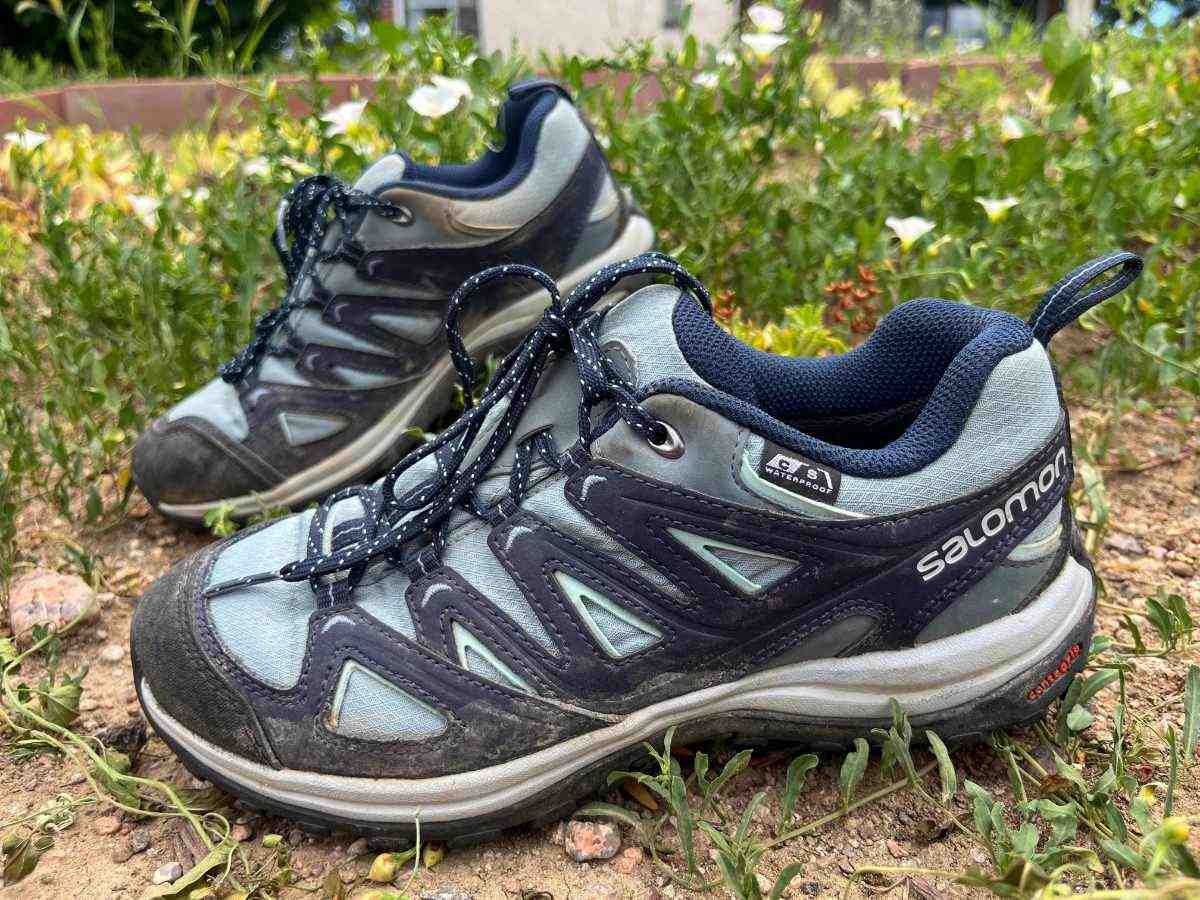
Trail running shoes versus hiking shoes and boots
Are trail running shoes good for hiking when compared with hiking shoes? The answer depends on what you value most. Each type solves a different problem.
| Footwear type | Main strengths | Main limits |
|---|---|---|
| Trail running shoes | Light weight, breathability, grip, flexibility | Less protection and support |
| Hiking shoes | More structure, good grip, moderate weight | Less airy and less flexible |
| Hiking boots | Strong protection, support, and weather resistance | Heavier, stiffer, and slower to break in |
Trail running shoes often suit hikers who move fast and carry little. Hiking shoes suit mixed terrain and moderate loads. Boots suit cold weather, rough terrain, long trips, and hikers who want more protection.
Do not assume one style is always safer. A badly fitted boot can cause blisters and poor balance. A well-fitted trail shoe can feel stable and secure on a moderate trail.

How to choose trail running shoes for hiking
If you decide trail running shoes are good for hiking in your case, focus on fit and function. Brand names matter less than the way the shoe works with your feet.
1. Match the outsole to the trail
Choose shallow lugs for pavement, gravel, and hard-packed paths. Choose deeper lugs for mud, loose soil, and wet grass. A mixed lug pattern works well for many day hikes.
Do not use worn lugs on steep trails. Smooth rubber can slide even when the shoe once had excellent grip.
2. Check the fit at the end of the day
Feet often swell during a hike. Try shoes in the afternoon or evening. Wear the socks you plan to use on the trail.
Your heel should stay in place without a tight grip. Your toes should have room to spread and move. On a downhill walk, your toes should not slam into the front.
A useful fit check includes:
• Leave about a thumb’s width in front of your longest toe.
• Make sure the midfoot feels secure but not squeezed.
• Walk down a ramp to test toe pressure.
• Bend and twist the shoe to check comfort.
• Compare both feet, since one foot may be larger.
3. Consider heel-to-toe drop
Heel-to-toe drop is the height difference between the heel and the forefoot. A high drop may feel familiar to people who wear standard running shoes. A low drop may encourage a flatter foot position.
Neither option is best for everyone. If you move from a high-drop shoe to a low-drop shoe, transition slowly. A sudden change can stress the calves, Achilles tendon, or feet.
4. Look for a rock plate
A rock plate adds protection between the outsole and midsole. It can make rocky trails more comfortable. It may also reduce pressure from roots and sharp stones.
A rock plate can make a shoe feel less flexible. That is not always bad. On rough trails, extra firmness may improve control.
5. Choose waterproofing with care
Waterproof trail shoes can help in cold rain, wet grass, and shallow snow. They are less breathable than non-waterproof shoes. Once water enters from the top, they can also take longer to dry.
For warm climates, breathable shoes may feel better. For cold and wet trips, waterproof shoes may be worth the trade-off. Gaiters can help keep water, sand, and debris out of either type.

When trail running shoes are a good choice
Are trail running shoes good for hiking during a short day trip? They often are. They work especially well in these situations:
• Day hikes on marked trails
• Fast hiking and trail travel
• Warm or dry weather
• Routes with moderate elevation gain
• Hikes with a light pack
• Hikers who prefer flexible footwear
• Trails with dirt, gravel, roots, and firm rock
They can also work for hikers who have strong feet and a history of using athletic shoes. Comfort and familiarity count. A shoe that matches your normal movement may reduce strain.
One lesson I often share from trail testing is to judge the shoe after a full downhill section. Many shoes feel great while climbing. The real test comes when your toes slide forward and your knees take more load. A short downhill walk before a major trip can reveal problems early.
When hiking shoes or boots are better
Are trail running shoes good for hiking in snow, deep mud, or rough alpine terrain? Often, no. A more protective shoe may be the better tool.
Choose hiking shoes or boots when you expect:
• Heavy rain, snow, or cold temperatures
• Loose rock and steep descents
• Long trips with a large pack
• Thick brush and sharp vegetation
• Frequent off-trail travel
• Poor trail maintenance
• A need for more underfoot protection
• A known need for extra foot or ankle support
Boots also work well when you need durable materials and a firm platform. They may feel clumsy at first, but that can be a fair trade on harsh routes.
Keep in mind that hiking boots do not remove the need for care. You still need to watch your footing, use trekking poles when helpful, and take breaks before fatigue affects your balance.
Common mistakes to avoid
Are trail running shoes good for hiking if you buy them based only on color or brand? Not always. Small mistakes can lead to big problems after several miles.
Wearing new shoes on a major hike
Do not make your first test a long trip. Start with a short walk. Then try a 3 to 5-mile hike near home. This helps you find pressure points while you still have easy options.
Ignoring socks
Cotton socks hold moisture and may increase friction. Wool and synthetic hiking socks usually manage sweat better. The best sock is the one that fits your shoe without creating tight spots.
Choosing too much room
Extra toe space helps on descents, but a loose heel can cause blisters. Use the laces to secure the midfoot. If your heel still lifts, try another shoe shape.
Using one shoe for every trail
A shoe made for dry dirt may slide in wet mud. A soft, flexible shoe may feel weak under a heavy pack. Match the shoe to the trip instead of forcing one pair to do every job.
Forgetting foot care
Trim your toenails before a long hike. Carry blister tape or moleskin. Stop when you feel a hot spot. A small issue can become a painful injury when ignored.

How to care for trail running shoes
Good care can extend the useful life of trail running shoes. Remove dirt after each hike with a soft brush and cool water. Avoid harsh soap unless the care label allows it.
Let the shoes air dry at room temperature. Do not place them on a heater or use high heat. Heat can damage adhesives, foam, and waterproof membranes.
Inspect the outsole, midsole, laces, and upper. Replace the shoes when the tread is badly worn, the foam feels flat, or the upper no longer holds your foot securely. Comfort alone is not enough if the shoe has lost its grip.
Frequently Asked Questions
Are trail running shoes good for hiking long distances?
Are trail running shoes good for hiking long distances? Yes, if they fit well and match the trail. For long routes, test them on several shorter hikes first and check their grip, cushioning, and stability.
Can you wear trail running shoes on rocky trails?
Yes, many trail running shoes work well on rocky trails. Choose a pair with a rock plate, protective toe cap, firm midsole, and outsole rubber suited to dry or wet rock.
Are trail running shoes good for hiking in rain?
They can be, but the answer depends on the design. Waterproof models help in cold rain, while breathable models dry faster after becoming wet.
Are trail running shoes better than hiking boots?
Neither is always better. Trail shoes are lighter and more flexible, while hiking boots offer more protection and structure for rough terrain, bad weather, and heavy loads.
Do trail running shoes prevent ankle sprains?
No shoe can fully prevent an ankle sprain. Good fit, careful foot placement, strength, balance, and trekking poles may all help reduce risk.
Can you wear trail running shoes for backpacking?
You can use them for lightweight backpacking on suitable trails. For heavy packs, steep terrain, or long trips far from help, choose a firmer shoe or boot with more support.
Conclusion
So, are trail running shoes good for hiking? They are a strong choice for many day hikes, fast trips, warm weather routes, and light packs. Their low weight, grip, flexibility, and breathability can make walking feel easier.
They are less suitable for heavy loads, deep mud, snow, severe weather, and rugged off-trail travel. The right fit matters more than the shoe category. Test your pair before a major trip, check the outsole, and choose protection based on the trail ahead.
Start with a short hike and pay attention to how your feet feel on climbs and descents. Then make your choice with confidence, and share your own trail shoe experience in the comments.

Michael Smith is the Content Strategist behind The Style Hub, where fashion meets function. With a keen eye for trends and a passion for everyday style, he curates content that helps readers make smarter, more stylish choices—from the perfect pair of sneakers to must-have accessories. Michael specializes in breaking down fashion into practical, wearable insights, making style accessible for everyone. When he’s not researching the latest trends, he’s exploring how comfort, innovation, and timeless design come together in modern fashion.