Are Running Shoes Supposed To Be Tight: Find The Right Fit
Running shoes should feel secure and comfortable, not painfully tight or cramped.
Wondering “are running shoes supposed to be tight” is common, especially when a new pair feels snug in the store. The right fit holds your heel and midfoot in place while giving your toes room to spread, swell, and move during a run. This guide explains how running shoes should fit, how much space you need, and how to spot a poor fit before it causes blisters or pain.

Are running shoes supposed to be tight?
Running shoes should feel snug around the heel and midfoot. They should not squeeze your toes, press hard on your toenails, or make your feet feel numb. Think of the fit as a gentle handshake: secure enough to prevent sliding, but not so firm that it causes pain.
A running shoe may feel tighter than a casual shoe because it is designed to control movement. However, tightness should never reduce comfort. If you feel pressure across the top of your foot, your shoe may be too narrow, too short, or poorly shaped for your foot.
A proper running shoe fit includes:
• A secure heel that does not lift much
• A snug midfoot that supports your arch without squeezing it
• Enough room in the toe box for your toes to spread
• No painful pressure points
• No numbness, tingling, or burning
So, are running shoes supposed to be tight? They should be close-fitting, but not restrictive. Comfort matters more than a locked-in feeling.

How tight should running shoes be?
The best running shoes feel secure from the first step. You should not need to “break them in” through pain. While some materials soften with use, a shoe that feels painfully tight in the store will rarely become a good running shoe later.
Use this simple fit guide:
Heel fit
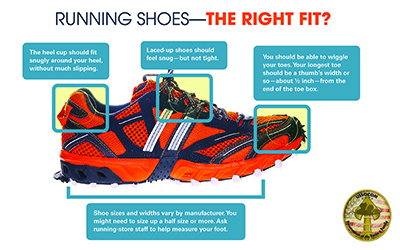
Your heel should stay in place when you walk, jog, or go down stairs. A small amount of movement is normal, but repeated heel lifting can cause friction and blisters.
Try the runner’s knot if your heel slips slightly. This lacing method uses the extra eyelet near the ankle to create a more secure hold. It can improve fit without forcing you to tighten the whole shoe.
Midfoot fit
The middle of the shoe should feel comfortably snug. You should feel support, but not pressure or throbbing. If the laces leave deep marks or your foot feels squeezed after a few minutes, the shoe may be too narrow.
A shoe that fits well should let you flex your foot naturally. Your arch should not feel as if it is being pushed into a hard ridge.
Toe box fit
Your toes need space to move. During a run, your feet may swell, and your toes may slide forward on hills or when you slow down. A cramped toe box can lead to blisters, black toenails, corns, and pain.
A useful rule is to leave about half an inch to a full inch between your longest toe and the front of the shoe. Measure this while standing, because your foot spreads under body weight.
Width fit
Length is not the only concern. Many runners need a wider shoe rather than a longer shoe. If your toes feel squeezed at the sides but you have plenty of space in front, try a wide or extra-wide model.
The answer to “are running shoes supposed to be tight” also depends on foot shape. A narrow shoe may feel tight even when the length is correct.

How much space should be in the toe box?
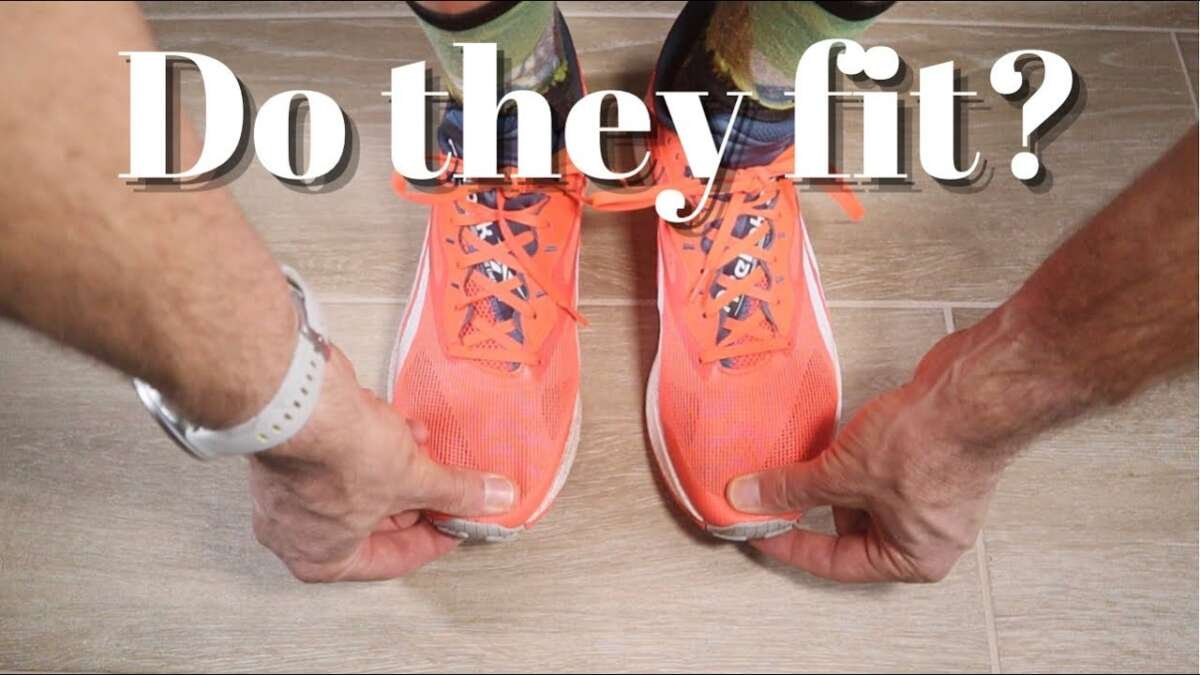
Most runners need about a thumb’s width of space between the longest toe and the front of the shoe. For many adults, this equals roughly half an inch to one inch. The exact amount depends on your foot shape, running style, and the shoe design.
Check the space in three ways:
-
Stand up while wearing your usual running socks.
-
Press down at the front of the shoe and compare the empty space with your thumb.
-
Walk downhill or down stairs to see whether your toes hit the front.
Your longest toe may not be your big toe. Some people have a second toe that extends farther forward. Always judge the fit by the longest toe.
Too little space can cause:
• Black or bruised toenails
• Toe blisters
• Numbness
• Pain when running downhill
• Hammer toes or other pressure-related problems
Too much space can also create problems. Your foot may slide inside the shoe, which can cause rubbing, instability, and blisters. The goal is not a large gap. The goal is useful space with a secure overall fit.
This is why running shoes are supposed to be snug in some areas and roomy in others. The heel and midfoot should hold your foot. The toe box should allow natural movement.
Why do running shoes feel tight while running?
Running shoes can feel comfortable at first and tight later. This often happens because your feet change during exercise. Blood flow increases, your feet may swell, and repeated impact can make small pressure points feel much worse.
Several factors can make shoes feel tighter:
Foot swelling
Feet often swell during long runs, warm weather, and races. A shoe that feels perfect for a five-minute walk may feel too small after an hour.
For this reason, try running shoes later in the day. Many people have slightly larger feet in the afternoon or evening than in the morning.
Thick socks
Heavy socks can reduce the space inside a shoe. Test new running shoes with the socks you plan to wear. Do not judge a pair while wearing thin store socks if you normally run in thick ones.
Incorrect lacing
Laces that are pulled too tightly can create pressure across the top of the foot. Try loosening the eyelets over the tight area while keeping the lower and upper sections secure.
Shoe shape
Different brands and models use different shapes. One shoe may suit a narrow heel and another may suit a broad forefoot. A correct size in one brand may feel too tight in another.
Running downhill
Your foot moves forward more during downhill running. If the shoe is short or the heel is not secure, your toes may hit the front. This can cause pain even when the shoe feels fine on flat ground.
If running shoes are supposed to be tight, the answer is still no when tightness increases with distance. A good pair should remain comfortable as your run gets longer.
Signs your running shoes are too tight
Your body usually gives clear warning signs. Do not ignore them simply because the shoes look stylish or cost a lot.
Your running shoes may be too tight if you notice:
• Numb toes during or after a run
• Tingling or burning in the forefoot
• Blisters along the toes or sides of the foot
• Toenails turning dark or falling off
• Red marks that remain for a long time
• Pain across the top of the foot
• Cramping in the toes
• A feeling that your toes cannot spread
• Pain that improves when you remove the shoes