Are New Balance Shoes Non Slip: What You Need To Know
Some New Balance shoes are slip resistant, but the brand does not make every shoe non-slip.
The answer to “are New Balance shoes non slip” depends on the exact model, outsole, and workplace conditions. New Balance offers shoes made for work, healthcare, food service, and industrial use, but many everyday walking and running shoes are designed for comfort rather than strong traction. This guide explains how to identify a truly slip-resistant pair, where New Balance performs well, and what limits to keep in mind before you buy.
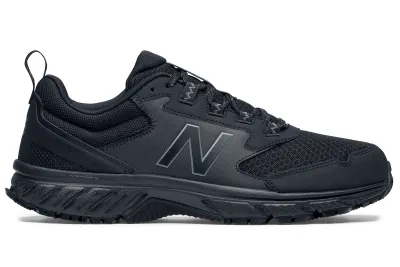
Are New Balance shoes non slip?
Some New Balance shoes are non-slip, while others are not. The most reliable options are models that clearly say “slip resistant,” “oil resistant,” or “work shoe” in the product details.
A shoe is not automatically non-slip because it has a rubber sole. Rubber can improve grip, but slip resistance also depends on:
• The outsole rubber compound
• The tread pattern
• The depth and shape of the grooves
• The surface underfoot
• Water, grease, oil, soap, or food residue
• How worn the sole has become
New Balance running shoes often grip well on dry sidewalks and gym floors. However, they may not provide enough traction on greasy restaurant floors, wet hospital floors, or oily workshop surfaces.
If your job requires slip-resistant footwear, choose a New Balance model that is specifically labeled for workplace traction. Do not rely on the brand name alone.
Which New Balance shoes are slip resistant?
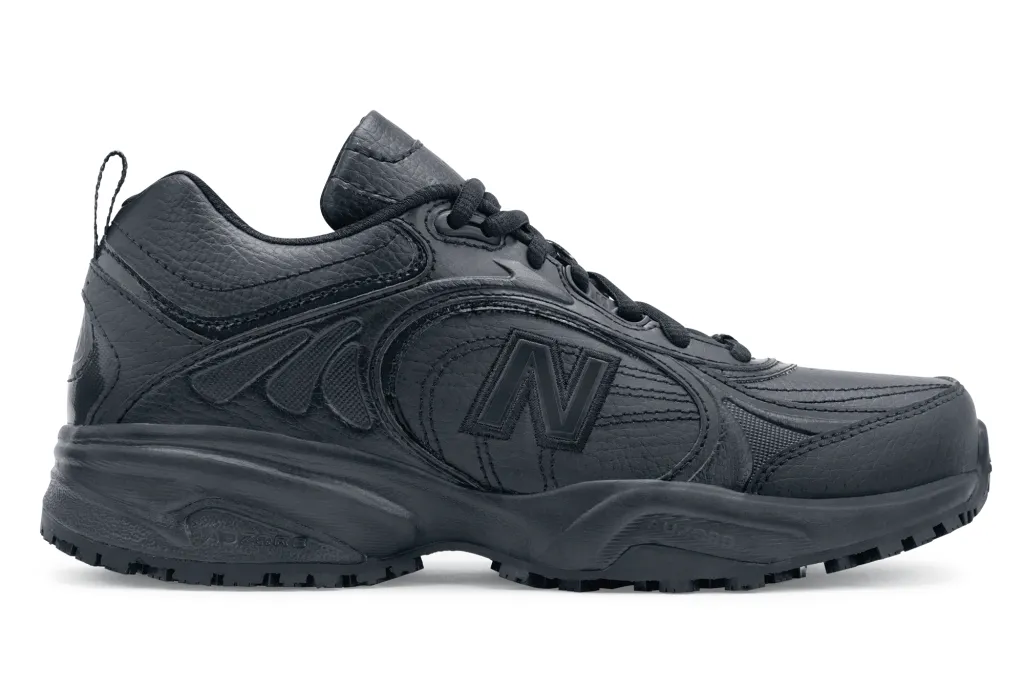
New Balance has several work-focused shoes that are designed to reduce slipping. One well-known example is the New Balance 626 series, which has been sold as a slip-resistant work shoe in several versions.
Other New Balance work models may also include slip-resistant outsoles. Product names and features can change over time, so check the current product page or shoe label before buying.
Look for terms such as:
• Slip resistant
• Oil resistant
• Non-marking outsole
• Work outsole
• ASTM-tested traction
• Food service shoe
• Healthcare work shoe
A model made for nurses, restaurant workers, warehouse staff, or other standing jobs usually has more suitable traction than a standard lifestyle sneaker.
Still, product labels need careful reading. “Rubber outsole” only tells you what the sole is made from. It does not prove that the shoe meets a workplace slip-resistance standard.
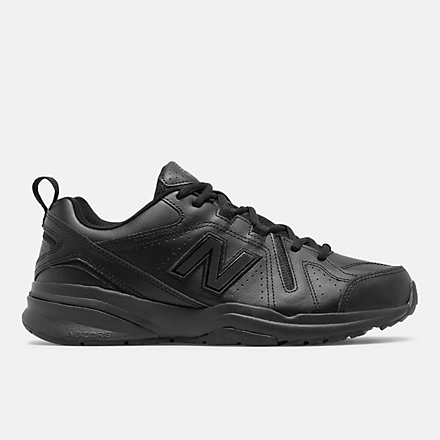
How to tell if New Balance shoes are non-slip
The best way to determine whether New Balance shoes are non-slip is to inspect the official specifications. Product photos can help, but written details matter more.
Use this checklist before you order:
-
Check the product name and description
Look for clear wording such as “slip resistant” or “oil resistant.” -
Inspect the outsole
A work shoe often has a dense rubber sole with many small grooves. These grooves help move water and liquid away from the contact area. -
Look for workplace testing
Some shoes list testing under standards such as ASTM F2913. Testing details provide more useful information than broad claims like “excellent grip.” -
Read customer reviews carefully
Search reviews for words like grease, wet tile, kitchen, hospital, rain, and oil. These comments can show how the shoe performs in real settings. -
Check the return policy
Traction can feel different on each surface. A good return policy gives you time to check the fit and outsole safely. -
Confirm the exact model number
Two shoes can look almost identical but use different soles. Always compare the full model name and version.
When I assess work footwear, I treat the outsole like a car tire. A tire made for dry roads is not the same as one made for snow. In the same way, a running shoe made for pavement may not be suitable for a greasy kitchen.
New Balance work shoes versus running shoes
New Balance running shoes are built mainly for forward movement, cushioning, and comfort. Their outsoles may offer good traction on dry roads, tracks, and sidewalks, but that does not make them certified or suitable as non-slip work shoes.
New Balance work shoes usually focus on a different set of needs:
• Better grip on wet or oily floors
• Stronger outsole wear resistance
• More stable construction
• Easy-clean materials
• Wider fit options
• Support for long hours of standing
• Protection from common workplace hazards
A running shoe can feel soft and comfortable at first. Yet a soft foam midsole does not prevent a slip. Traction comes mainly from the outsole and its contact with the floor.
For example, a Fresh Foam running shoe may be excellent for walking outside. It may still be a poor choice for a restaurant worker who walks through cooking oil and water. Comfort and slip resistance are separate features.
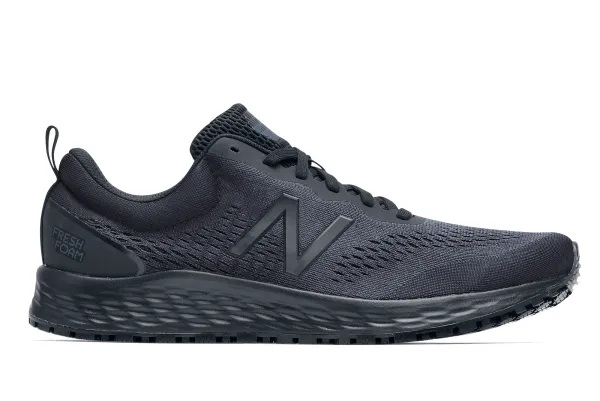
Are New Balance shoes good for nurses and healthcare workers?
Some New Balance work shoes are suitable for nurses and healthcare workers, especially models with slip-resistant outsoles and supportive cushioning. Nurses often spend 8 to 12 hours walking, standing, and turning on hard floors, so both grip and comfort matter.
A good healthcare shoe should offer:
• Reliable traction on smooth floors
• Cushioning for long shifts
• A stable heel
• A secure fit
• Easy-to-clean materials
• Enough room for natural toe movement
• Support that matches your foot shape
Hospitals may have floors with water, disinfectant, powder, or other liquids. Even a slip-resistant shoe can lose grip when a spill is large or when the floor has not been cleaned.
Before wearing New Balance shoes at work, check your employer’s dress code. Some facilities require a specific slip-resistant rating, a closed heel, or a particular color.
Are New Balance shoes good for restaurant work?
New Balance makes work shoes that can be useful for restaurant employees, but the exact model matters. Restaurant floors can contain oil, grease, water, food waste, and cleaning products. These conditions are more demanding than ordinary outdoor walking.
Choose a model that states it is designed for slip resistance and oil resistance. A smooth fashion sneaker or ordinary running shoe may not give you enough protection.
Restaurant workers should also consider:
• A tread pattern that can clear liquid
• A closed toe
• A sole that does not collect food debris
• Materials that are easy to wipe clean
• A snug heel that reduces foot movement
• A durable outsole for long shifts
One common mistake is choosing a shoe because it feels comfortable in a store. Comfort is important, but it does not tell you how the shoe will behave on a wet, greasy floor. Test the fit indoors, then follow the maker’s care and return instructions.
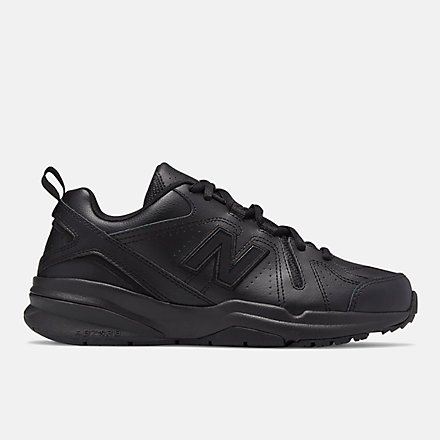
What surfaces can New Balance slip-resistant shoes handle?
New Balance slip-resistant shoes can perform well on many common work surfaces, but no shoe can prevent every fall. Performance depends on the amount and type of contamination on the floor.
They may provide useful traction on:
• Dry tile
• Smooth vinyl
• Sealed concrete
• Polished hospital floors
• Lightly wet indoor surfaces
• Typical retail flooring
Oil and grease are more challenging. A shoe may be rated for slip resistance and still slide if the floor has a heavy layer of cooking oil or if the tread is clogged.
Be especially careful on:
• Wet metal
• Ice or snow
• Thick grease
• Loose gravel
• Mud
• Floors covered with soap
• Uneven surfaces
Walk slowly when moving from a dry floor to a wet one. Keep your steps short, place your feet flat, and avoid sharp turns. Good footwear helps, but safe movement is part of fall prevention too.
What makes a shoe slip resistant?
Slip resistance comes from the relationship between the outsole and the floor. The outsole must create enough friction to keep your foot from moving forward or sideways.
Important design features include:
Rubber compound
The rubber must stay flexible enough to make contact with the floor. Very hard rubber may last a long time but can feel less secure on smooth surfaces.
Tread pattern
Small channels and grooves help move water and other liquids away from the contact area. A flat outsole may have less grip when the floor is wet.
Contact area
A stable outsole spreads pressure across the floor. More contact can help, but the design must still allow liquid to escape.
Shoe stability
A shoe with a firm heel and steady base can reduce unwanted foot movement. This is different from traction, but it still affects how secure you feel.
Testing organizations can measure slip performance under controlled conditions. However, test results do not perfectly predict every workplace. A laboratory floor is not the same as a busy kitchen with spilled oil.
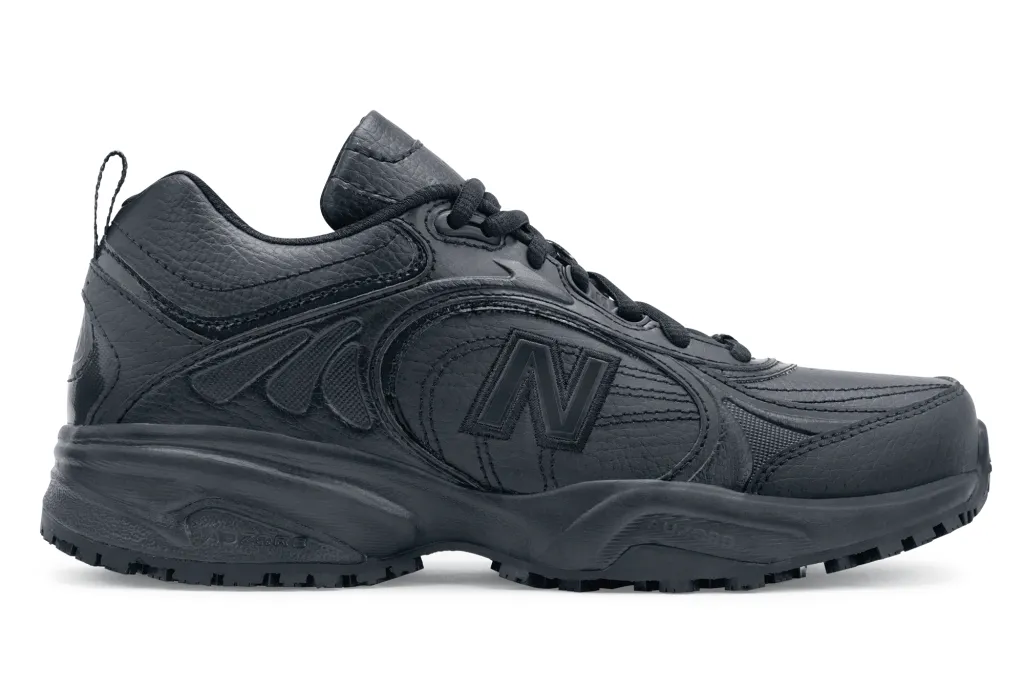
Benefits of choosing New Balance slip-resistant shoes
New Balance is known for comfort-focused footwear, and that can be helpful for people who work on their feet. A suitable work model may combine cushioning, support, and a more useful outsole.
Potential benefits include:
• Comfort during long shifts
• Multiple width options
• Cushioning that reduces foot fatigue
• Work-specific slip-resistant outsoles
• Designs made for walking and standing
• Familiar sizing across some product lines
• Supportive heel construction
Many people like New Balance because the brand offers narrow, standard, wide, and extra-wide options in selected models. A good fit matters because a foot that slides inside the shoe can feel unstable, even when the outsole has strong grip.
However, cushioning is personal. A very soft shoe may feel comfortable at first but may not offer the stability you need. If you have foot pain, diabetes, balance problems, or a history of falls, ask a qualified health professional for advice.
Limitations of New Balance non-slip shoes
The phrase “non-slip” can sound absolute, but it is not. Slip-resistant footwear lowers risk; it does not guarantee that you will never slide.
Important limitations include:
• Grip decreases as the outsole wears
• Heavy grease can overwhelm the tread
• Ice requires specialized traction
• Wet metal may remain slippery
• Poor fit can reduce stability
• A dirty outsole may lose contact with the floor
• Different models have different traction levels
New shoes may also need a short break-in period. During this time, check for heel movement, pressure points, and unusual foot fatigue. Do not wear a new pair for a full work shift until you know they fit well.
Another limitation is that “oil resistant” does not mean the upper is waterproof. Oil resistance usually refers to the outsole or specific material. Read the product details to understand what the claim covers.
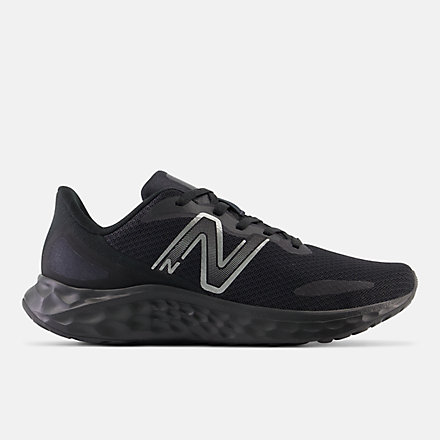
How to care for New Balance slip-resistant shoes
Good care can help maintain traction and extend the life of your shoes. A worn or dirty outsole cannot perform as well as a clean, intact one.
Follow these practical steps:
• Remove dirt from the tread after each shift
• Use a soft brush and mild soap when needed
• Let the shoes air dry at room temperature
• Do not place them on a heater or use high heat
• Check the sole for smooth patches and cracks
• Replace the shoes when the tread is badly worn
• Keep a second pair if your work requires daily use
Avoid strong chemicals unless the manufacturer says they are safe. Harsh cleaners can damage rubber, glue, or protective coatings.
Inspect the outsole once a week if you work in a kitchen, hospital, warehouse, or other high-risk setting. If the grooves have become shallow or the edges look rounded, it may be time for a replacement.
How to choose the right New Balance non-slip shoes
Start with your work environment, not the color or style. A shoe that works well in a hospital may not be ideal for a construction site or icy outdoor job.
Use this simple buying process:
-
Identify the main hazard
Decide whether you face water, oil, grease, chemicals, uneven ground, or long hours of standing. -
Choose the correct shoe category
Look at New Balance work shoes rather than ordinary lifestyle or running shoes. -
Confirm the traction claim
Read the specifications and check for slip-resistant and oil-resistant wording. -
Select the right fit
Your heel should stay in place, while your toes should have room to spread. -
Consider your work rules
Check whether your employer requires a specific standard or shoe color. -
Test the shoe at home
Walk on clean indoor surfaces and check comfort, stability, and pressure points. -
Replace old shoes on time
Do not wait until the outsole is completely smooth.
My practical lesson is simple: never buy a work shoe from a product photo alone. Study the outsole, read the technical details, and match the shoe to the floor you actually use.
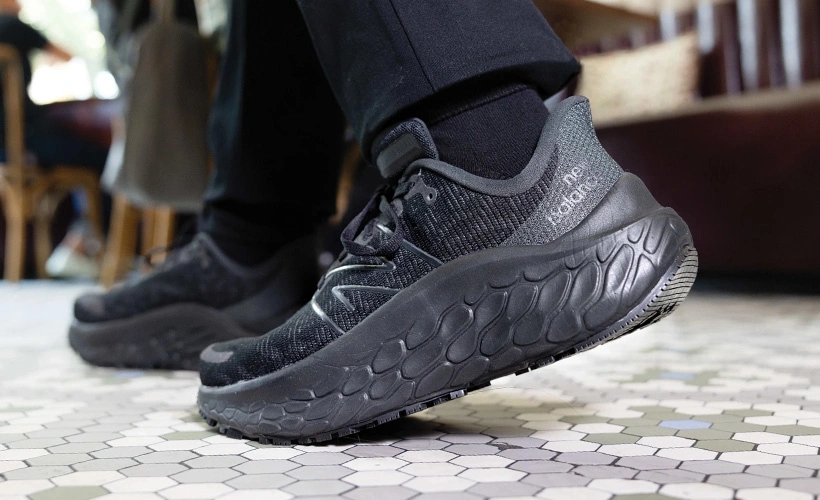
New Balance slip-resistant shoes compared with other work shoes
New Balance often stands out for cushioning and width choices. Other work-shoe brands may focus more heavily on protective toes, waterproofing, or industrial safety features.
The best option depends on your job:
• Choose New Balance when comfort, walking support, and fit options are top priorities.
• Choose a safety-toe work shoe when falling objects or compression are possible.
• Choose a waterproof boot when you work outdoors in heavy rain.
• Choose a specialty kitchen shoe when grease exposure is severe.
• Choose an insulated boot for cold or snowy conditions.
A slip-resistant sneaker is not the same as a protective work boot. It may not provide puncture protection, electrical hazard protection, chemical protection, or a safety toe.
Check workplace safety rules before making a purchase. In the United States, employers may have requirements based on the hazards identified in their workplace. General footwear claims should not replace a proper hazard assessment.
Frequently Asked Questions About Are New Balance Shoes Non Slip
Are all New Balance shoes non-slip?
No. New Balance makes running, walking, lifestyle, and work shoes, and they do not all have slip-resistant outsoles. Check the exact model description for a clear slip-resistant or oil-resistant claim.
Which New Balance shoes have the best grip?
New Balance work models that are specifically labeled slip resistant are usually the better choice for workplace traction. The 626 series is one example often associated with slip-resistant work footwear, but always confirm the current specifications.
Can I wear New Balance running shoes in a restaurant?
You can, but ordinary running shoes may not provide enough grip on greasy or wet restaurant floors. Choose a New Balance work model made for slip resistance if your employer allows it.
Are New Balance non-slip shoes waterproof?
Not always. Slip resistance describes traction, while waterproofing describes protection from water entering the shoe. Read the product details to see whether the upper has water-resistant or waterproof construction.
Do New Balance slip-resistant shoes work on ice?
They may offer better grip than casual sneakers, but they are not a replacement for ice-specific footwear. Ice can be extremely slippery, so use approved traction devices and walk carefully when conditions are hazardous.
How long do New Balance slip-resistant shoes last?
Their life depends on work hours, floor conditions, body weight, cleaning, and outsole wear. Replace them when the tread becomes smooth, the sole cracks, or the shoe no longer feels stable.
Are New Balance work shoes good for people who stand all day?
Many are designed with cushioning and support for extended standing and walking. Fit is still personal, so choose the correct width and test the shoes before wearing them for a long shift.
Conclusion
So, are New Balance shoes non slip? Some are, but the answer is never true for the entire brand. New Balance work models with clearly stated slip-resistant outsoles can be a strong choice for nurses, restaurant workers, retail staff, and others who spend long hours on hard floors.
Focus on the exact model, outsole design, workplace hazards, and fit. Remember that even the best slip-resistant shoe cannot defeat heavy grease, ice, or a badly maintained floor. Check the specifications, inspect the tread, and choose footwear that matches your daily work surface. Share your experience with New Balance work shoes or explore the brand’s current work collection before making your next purchase.

Michael Smith is the Content Strategist behind The Style Hub, where fashion meets function. With a keen eye for trends and a passion for everyday style, he curates content that helps readers make smarter, more stylish choices—from the perfect pair of sneakers to must-have accessories. Michael specializes in breaking down fashion into practical, wearable insights, making style accessible for everyone. When he’s not researching the latest trends, he’s exploring how comfort, innovation, and timeless design come together in modern fashion.