New Balance FuelCell SuperComp Elite V4 Review: Full Review
Yes — a race-day rocket with booming propulsion, best for speed-focused runners.
You’ve trained for months and want every edge on race day. The problem: most race shoes feel fast but soft, or stiff but clunky. You need a shoe that launches you forward, holds a line, and doesn’t feel like a compromise. The New Balance FuelCell SuperComp Elite V4 aims to solve that. It’s built for fast training runs and race efforts where milliseconds matter. Below I break down what worked, what didn’t, and who should lace these up.

Is New Balance FuelCell SuperComp Elite V4 Good?
Yes — for runners chasing speed and race-day performance. The Elite V4 is a clear “yes” if you want a shoe that prioritizes propulsion and responsiveness over plush everyday comfort. I found it excellent on tempos, race-pace intervals, and faster long-run efforts. It gives a quick snap off the toe and a forward-driving sensation that helps maintain turnover. If you’re a casual runner who wants soft daily miles, this might feel firm and aggressive. In my experience, this shoe shone during a 10K time trial and a fast half-marathon tune-up. It rewarded focused pacing and felt alive when I pushed tempo efforts.

My First Impression for New Balance FuelCell SuperComp Elite V4
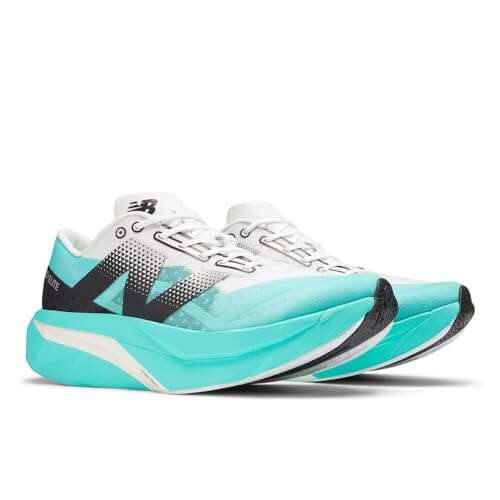
The box arrived neatly with the pair wrapped and clean. The build looks purposeful: bold midsole stack, sleek upper, and a race-ready profile. My first touch told me this is firm but well-made. The knit upper hugs the foot with minimal stretch. Lacing feels secure and the heel cup holds the foot steady. First run was a mix of surprise and delight. The ride felt propulsive from step one. It’s not a cushy trainer; instead it gives a crisp, planted feel. I left that run impressed and eager to test longer race-pace efforts.

What Makes It Stand Out / Key Features
- FuelCell midsole tuned for explosive forward propulsion
- High stack with a firm rocker geometry for quick toe-off
- Lightweight, breathable knit upper with lockdown lacing
- Carbon-like plate (or stiff internal structure) for stability at speed
- Durable outsole rubber focused on forefoot traction
- Race-oriented geometry that encourages a mid-to-forefoot strike

What I Like
- Immediate and sustained propulsion at race pace
- Secure fit that minimizes slip during fast reps
- Efficient energy return that helps maintain turnover
- Lightweight feel despite a tall stack height
- Durable forefoot rubber for confident sprints and finishes

What Could Be Better
- Firm ride may feel harsh on recovery or easy days
- Narrower fit could bother wider-footed runners
- Less forgiving on very long easy runs compared to plush trainers

My Recommendation
If you chase time goals and race often, the New Balance FuelCell SuperComp Elite V4 is for you. I recommend it for tempo runs, tune-ups, and race day. It rewards precise pacing and a committed midfoot strike. Use it for fast workouts or a goal race. For daily easy miles, pick a softer daily trainer instead. The Elite V4 delivers high value if speed and propulsion are your priority.
| Best for | Why |
|---|---|
| Race day (5K–Half) | Explosive propulsion and efficient toe-off for fast finishes |
| Tempo and intervals | Stable at speed and responsive during repeats |
| Experienced racers | Needs technique and adaptation to a firmer ride |

Alternative Products You Can Consider
Here are shoes I’d compare if you’re weighing options for speed shoes.
Nike Alphafly Next% 2 — Best for elite marathon pace and long races. It offers a plush feel with a strong carbon plate and more cushioning than the Elite V4. Choose this if you want a mix of comfort and marathon pace efficiency.
Adidas Adizero Adios Pro — Great for tempo and road races. It has a layered carbon plate design and a snappy forefoot. Compared to the New Balance FuelCell SuperComp Elite V4, it feels slightly more cushioned but equally race-ready.
Hoka Carbon X 3 — Ideal for runners wanting softer cushioning with a carbon plate. It’s friendlier on long easy days while still helping with speed. If you want more forgiveness than the Elite V4, consider this model.
| Product | Best For | Key Difference |
|---|---|---|
| New Balance FuelCell SuperComp Elite V4 | Race-day speed and short-to-mid distance races | Explosive propulsion with a firmer, race-tuned ride |
| Nike Alphafly Next% 2 | Marathon racing and long-distance events | More cushioning and slightly smoother ride |
| Adidas Adizero Adios Pro | Tempo runs and road races | Layered plate design with snappy forefoot |
| Hoka Carbon X 3 | Long tempo runs with more cushion | Softer midsole, more forgiving on easy days |
Final Verdict: Which Should You Buy?
If speed and a race-day edge are your top priorities, go with the New Balance FuelCell SuperComp Elite V4. It gives sharp propulsion, a locked-in fit, and confident responsiveness on fast efforts. If you want more cushioning for longer races or daily comfort, consider the Nike Alphafly Next% 2 or Hoka Carbon X 3. For a balance of snappy forefoot and smoother feel, the Adidas Adizero Adios Pro is a fine pick. In short: pick the Elite V4 when you want raw speed and a firm race platform.
FAQs Of new balance fuelcell supercomp elite v4 review
Are these shoes good for marathon distance?
They can work for marathons if you adapt to the firmer ride. Many runners prefer slightly plusher models for the full 26.2 miles. If you want maximum speed and are used to firm race shoes, the Elite V4 can be a strong choice.
Do they run true to size?
I found the length to be true to size but slightly narrow in the forefoot. If you have wide feet, consider going a half size up or trying a wider fit option where available.
Can I use them for daily training?
They are built for speed work and races. You can use them for occasional fast sessions, but for daily easy miles a softer trainer will be more comfortable and kinder to your legs.
How durable is the outsole?
The forefoot rubber held up well during high-speed workouts. Expect typical race-shoe lifespan—good for many hard sessions but not as durable as heavy-duty trainers. Rotate with a trainer for best value.
Who should avoid these shoes?
If you prefer plush cushioning or have chronic foot discomfort, avoid this shoe. Also, beginners who lack consistent speed training may find it too aggressive.

Michael Smith is the Content Strategist behind The Style Hub, where fashion meets function. With a keen eye for trends and a passion for everyday style, he curates content that helps readers make smarter, more stylish choices—from the perfect pair of sneakers to must-have accessories. Michael specializes in breaking down fashion into practical, wearable insights, making style accessible for everyone. When he’s not researching the latest trends, he’s exploring how comfort, innovation, and timeless design come together in modern fashion.