Are Tennis Shoes Good For Running: What To Know
Usually, tennis shoes are not ideal for running because they lack running-specific cushioning and support.
The answer depends on your distance, pace, surface, and shoe design. Tennis shoes are built for quick side-to-side movement, while running shoes are made for repeated forward steps. Understanding that difference can help you avoid sore feet, blisters, and common running injuries.
Are tennis shoes good for running?
Tennis shoes can work for short, easy runs in some cases. However, they are usually not the best choice for regular running, long distances, or hard training.
Running creates repeated impact as your feet strike the ground. A running shoe is designed to support this forward motion. It often has:
• More cushioning under the heel and forefoot
• A lighter and more flexible build
• A curved shape that helps forward movement
• Breathable materials for longer workouts
• A sole designed for roads, tracks, or trails
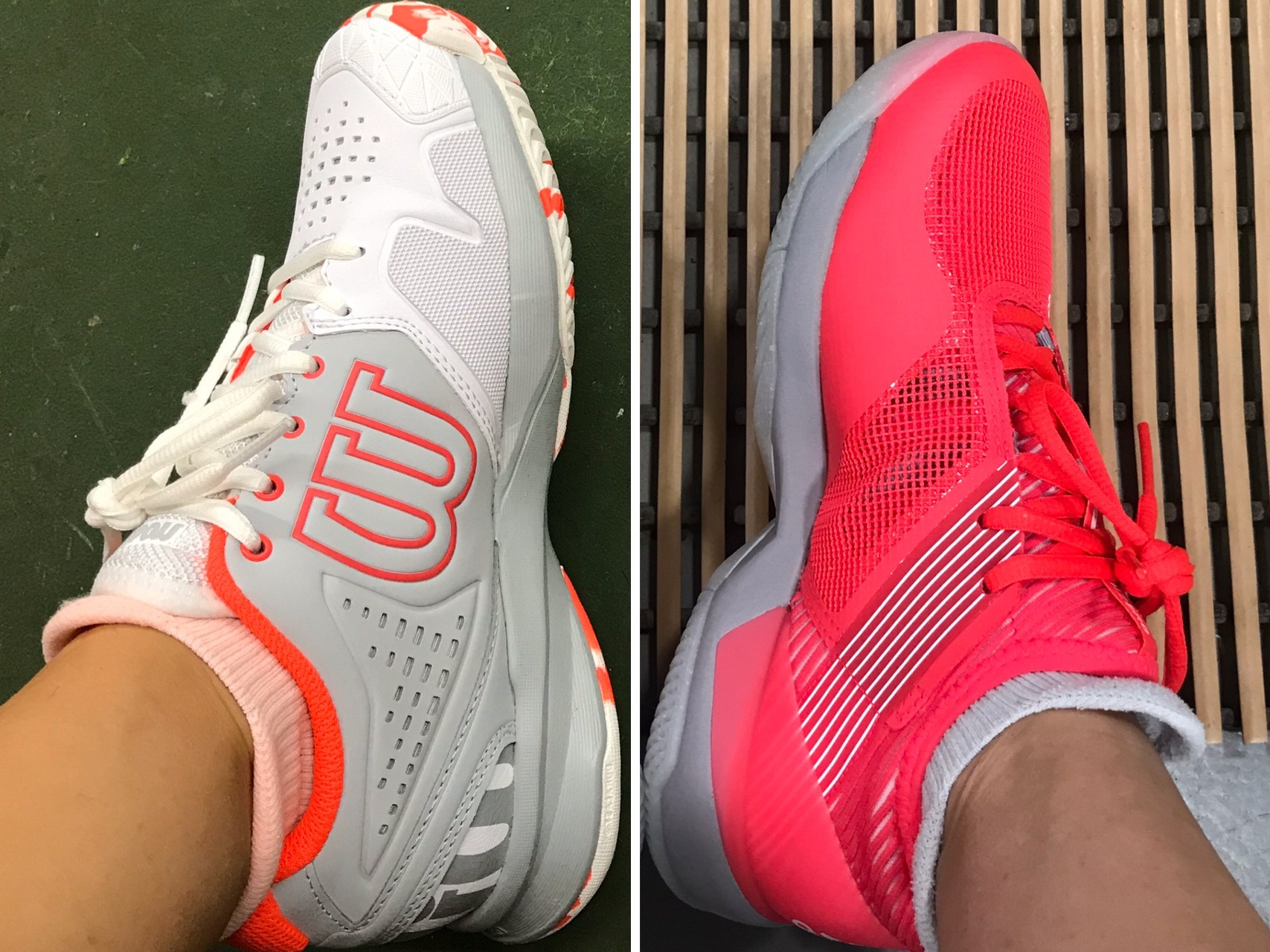
Tennis shoes serve a different purpose. They help you stop, turn, slide, and move sideways on a court. Their soles are often flatter and more stable from side to side.
So, are tennis shoes good for running? They may be fine for a short jog or warm-up, but running shoes are safer and more comfortable for consistent training.

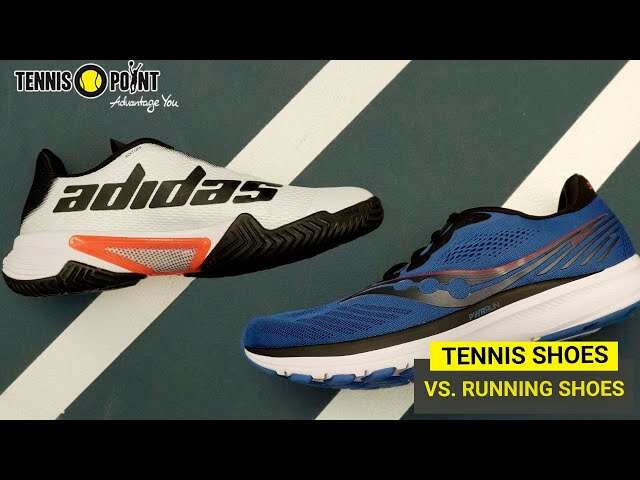
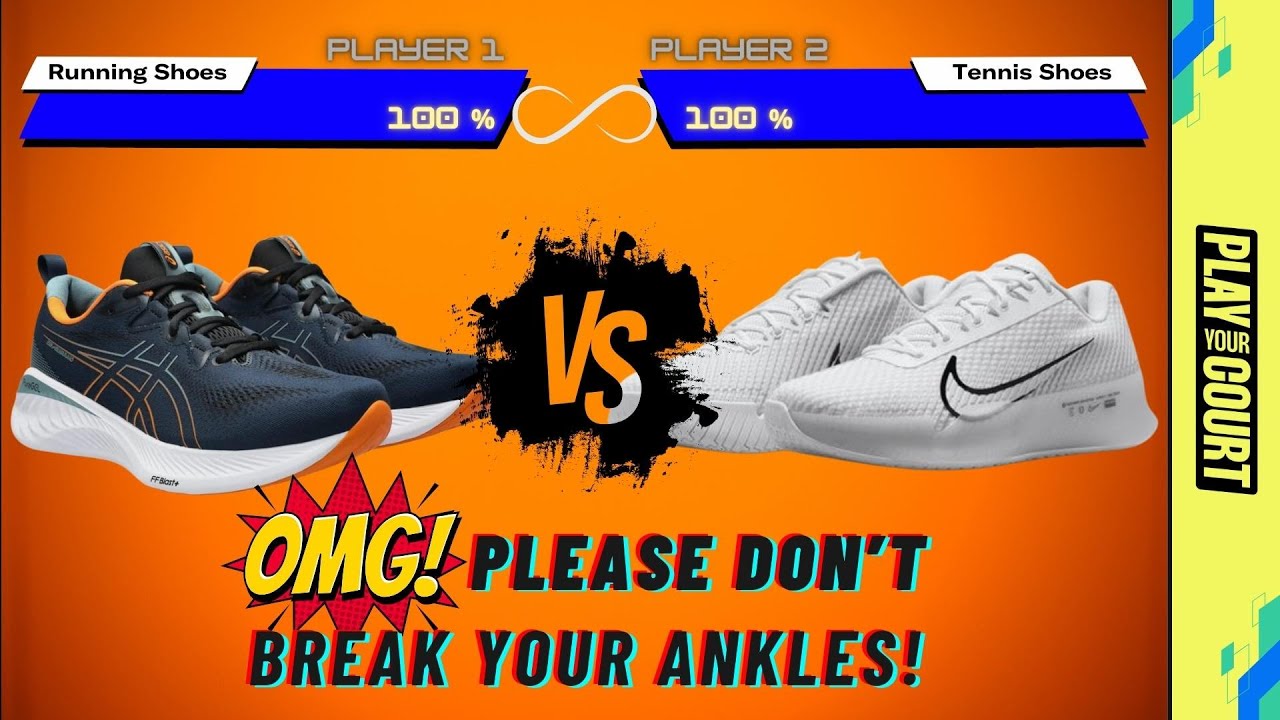
Tennis shoes versus running shoes
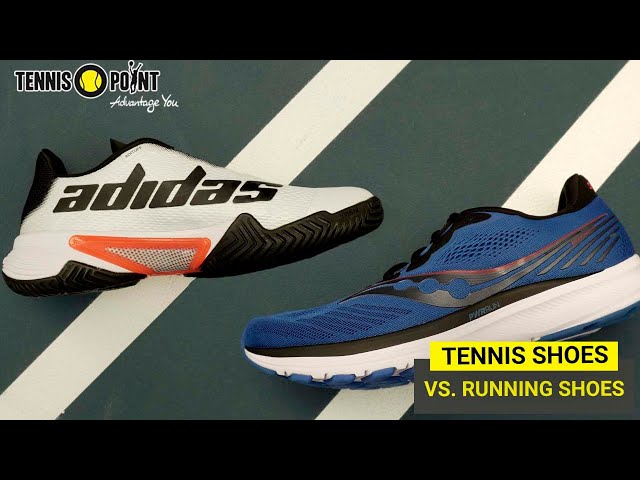
The main difference is the movement each shoe supports. Tennis involves sudden cuts and quick lateral movements. Running involves thousands of repeated steps in one main direction.
Cushioning
Running shoes often use foam systems that reduce the feel of repeated impact. The amount of cushioning varies by model, but most running shoes are made for longer periods of forward travel.
Tennis shoes usually have firmer cushioning. This helps you feel stable when changing direction. That firmness can feel harsh during a long run, especially on pavement.
Stability
Tennis shoes often have a wide base. This helps keep your foot steady during side-to-side play. It can also make the shoe feel less smooth when you move forward.
Running shoes focus on forward stability. Some models also offer support features for runners who need help with excessive inward foot motion. Still, a shoe cannot replace a proper gait assessment or medical advice.
Flexibility
A good running shoe bends in the right place, usually near the ball of the foot. It should allow a natural stride without feeling stiff.
Tennis shoes may be flexible near the forefoot, but they are often reinforced around the sides. These extra supports are useful on a court but may add weight during a run.
Weight
Tennis shoes tend to be heavier because they need strong sidewalls and durable outsoles. The extra material protects your feet during hard stops and court contact.
A heavier shoe is not always bad. Yet, over several miles, that extra weight may make your legs feel tired sooner.
Outsole design
Tennis shoes have outsoles made for court surfaces. The tread may be smooth for indoor courts or more rugged for outdoor courts.
Running shoes use different outsole patterns for roads, tracks, and trails. The right grip can improve comfort and reduce slipping.

When can you run in tennis shoes?
Tennis shoes may be acceptable for certain low-risk situations. They are not automatically dangerous, but their limits matter.
You might use tennis shoes for:
• A five to ten-minute warm-up
• A short jog between tennis drills
• A casual run when no running shoe is available
• Light exercise on a soft, even surface
• Walking mixed with brief jogging
The shoe should fit well and feel comfortable from the first step. Do not use a worn tennis shoe for running just because it still looks clean. The midsole may lose its spring before the upper shows clear damage.
A short test can help. Walk for five minutes, then jog for five minutes. Stop if you feel sharp pain, numbness, rubbing, or unusual pressure.
One practical lesson from comparing court shoes and running shoes is simple: comfort during the first minute does not always predict comfort after three miles. Many people notice the problem only when their calves, arches, or knees begin to tire.

Benefits of using tennis shoes for running
Although running shoes are usually better, tennis shoes can offer a few benefits.
Strong side support
Tennis shoes often hold the foot securely during lateral movement. This can help people who feel unstable in very soft running shoes.
Durable construction
Many tennis shoes use thick rubber and reinforced uppers. They may handle daily wear well, especially if you also play tennis.
Good court-to-gym use
A tennis shoe can work well for strength training, indoor sports, and short cardio sessions. It gives you a stable base for exercises such as squats and lunges.
Firm ground feel
Some runners prefer a firm shoe. A tennis shoe can provide a direct connection with the floor, which may feel useful during short workouts.
Still, these benefits do not make every tennis shoe suitable for running. A stable shoe can still be too heavy, too stiff, or poorly cushioned for distance work.
Drawbacks of running in tennis shoes
The risks increase as your distance and training time increase. A tennis shoe may feel fine at first, then create problems through repeated stress.
Common drawbacks include:
• More foot fatigue from extra weight
• Less shock absorption on hard ground
• Greater heat and moisture inside the shoe
• Stiffness during the natural running stride
• Increased rubbing around the heel or toes
• Faster wear on areas not designed for road running
Tennis shoes can also have a flatter shape. This may not match the needs of runners who prefer a higher heel-to-toe drop or more forefoot cushioning.
The American College of Sports Medicine recommends choosing athletic footwear that fits the activity and provides a comfortable fit. That basic rule matters here. A shoe designed for tennis is not automatically a good running shoe simply because both are athletic shoes.
If you already have foot pain, knee pain, Achilles pain, or a history of stress injuries, be more careful. Consider advice from a podiatrist, physical therapist, or qualified running specialist.
Can tennis shoes cause running injuries?
Tennis shoes do not directly cause every running injury. Injury risk usually comes from several factors working together.
These factors may include:
• Running too far too soon
• Poor recovery
• Weak muscles
• Sudden changes in training
• A poor shoe fit
• Hard or uneven surfaces
• Existing foot or joint problems
The wrong shoe can add stress to this mix. For example, a heavy and stiff tennis shoe may make your calves work harder. A flat shoe may also feel uncomfortable if your body is used to a cushioned running shoe.
Research on running injuries shows that training load is a major factor. In simple terms, the body needs time to adjust to more miles, more speed, or more hills. Shoes matter, but they are only one part of the picture.
Watch for warning signs:
• Pain that changes your stride
• Pain that gets worse during a run
• Swelling after exercise
• Numbness or tingling
• A blister that returns in the same place
• Pain that remains after rest
Do not try to “run through” sharp or worsening pain. Rest, review your shoes and training plan, and seek professional care if the problem continues.
How to choose shoes for running
If running is your main activity, choose a shoe made for running. You do not need the most expensive model. You need the right fit, purpose, and comfort.
Match the shoe to your running surface
Road shoes are light and smooth for pavement and sidewalks. Trail shoes have deeper lugs and stronger protection for dirt, rocks, and uneven ground. Track shoes are specialized and may not suit daily road running.
Check the fit
Your toes need room to spread and move. Leave about a thumb’s width between your longest toe and the end of the shoe.
The heel should feel secure without squeezing. Your foot should not slide forward when you walk downhill or stop suddenly.
Consider your running needs
Think about:
• Your usual distance
• Your weekly mileage
• Your pace
• Your running surface
• Your foot width
• Your comfort preferences
• Any past injuries
A neutral running shoe works for many runners. A stability shoe may help some people, but it should feel natural rather than corrective or uncomfortable.
Shop at the right time
Feet often swell slightly during the day. Try shoes in the afternoon or evening. Wear the socks you normally use for running.
Walk, jog, and bend in the shoes before buying them. Do not assume a painful “break-in period” is normal. Most modern running shoes should feel comfortable without a long break-in.
Replace worn shoes
There is no perfect replacement number for every runner. Shoe life depends on body weight, running style, surface, shoe materials, and care.
Replace shoes when you notice:
• Flattened or uneven foam
• New aches after normal runs
• A worn outsole
• Torn upper material
• Reduced comfort
• A change in your normal stride
Many runners track mileage as a guide, but comfort and wear matter more than a fixed number.

Can you use running shoes for tennis?
Running shoes are also not ideal for tennis. They usually do not provide enough lateral support for quick cuts and sudden stops.
A running shoe may allow your foot to roll over the edge during a side movement. This can increase the chance of slipping or twisting an ankle. The outsole may also wear quickly on a tennis court.
Use tennis shoes for tennis and running shoes for running when possible. Cross-training shoes can be a reasonable middle option for gym workouts, short cardio sessions, and mixed activities, but they still may not match a specialized shoe for either sport.
This is one mistake many active people make. They buy one pair for every activity, then wonder why the shoes feel uncomfortable. One versatile pair can work for casual exercise, but separate shoes often perform better and last longer.
Tips for running safely in tennis shoes
If tennis shoes are your only option, reduce the risk with a careful approach.
-
Keep the first run short and easy. Start with a walk and add brief jogging intervals.
-
Choose a flat, forgiving surface. A smooth track or packed path may feel better than concrete.
-
Check the outsole and midsole. Avoid shoes with severe wear, cracks, or compressed foam.
-
Wear moisture-wicking socks. This can reduce rubbing and blisters.
-
Stop at the first sign of sharp pain. Mild effort is normal, but pain that changes your movement is not.
-
Avoid speed work and long hills. These place more stress on your feet and lower legs.
-
Do not use court shoes for a sudden race or long-distance event. Test your footwear well before any major goal.
A gradual run-walk plan is often the safest way to begin. Increase time slowly, and allow rest days between harder sessions.
Frequently asked questions: Are tennis shoes good for running?
Are tennis shoes good for short runs?
Tennis shoes can work for short, easy runs if they fit well and cause no discomfort. Running shoes are still a better choice for regular training.
Can I run one mile in tennis shoes?
Many people can run one mile in tennis shoes without a problem. However, stop if you feel foot pain, rubbing, numbness, or unusual leg fatigue.
Are tennis shoes better than running shoes for walking?
Tennis shoes can be excellent for walking because they offer firm support and durable soles. For long walks, choose the pair that feels most comfortable and does not create pressure points.
Can tennis shoes cause knee pain while running?
They may contribute to discomfort if their design does not suit your stride, surface, or foot shape. Knee pain can have many causes, so ongoing symptoms deserve an assessment from a health professional.
How are tennis shoes different from running shoes?
Tennis shoes support side-to-side movement, quick stops, and court traction. Running shoes support repeated forward motion with features such as running-focused cushioning and flexibility.
Should beginners run in tennis shoes?
A beginner may use tennis shoes for a very short jog if they have no other option. A properly fitted running shoe is a better investment when running becomes a regular habit.
Do tennis shoes have enough cushioning for running?
Some tennis shoes have enough cushioning for brief, easy runs, but many are firmer than running shoes. Their cushioning is designed for court movement rather than repeated miles on pavement.
Conclusion
Tennis shoes can be useful for short, gentle runs, but they are not usually the best shoes for regular running. Their firm cushioning, strong side support, and durable court soles serve tennis well but may feel heavy or stiff over longer distances.
Choose running shoes when running is your main activity. Focus on fit, comfort, surface, and gradual training rather than price or brand alone. Try your shoes before a long workout, listen to early pain signals, and replace worn footwear when it stops supporting your stride.
Ready to improve your next run? Compare a few running shoe types, test the fit, and share your experience or questions in the comments.

Michael Smith is the Content Strategist behind The Style Hub, where fashion meets function. With a keen eye for trends and a passion for everyday style, he curates content that helps readers make smarter, more stylish choices—from the perfect pair of sneakers to must-have accessories. Michael specializes in breaking down fashion into practical, wearable insights, making style accessible for everyone. When he’s not researching the latest trends, he’s exploring how comfort, innovation, and timeless design come together in modern fashion.