
Best Walking Shoes For Overweight Men: Top Comfort Picks
The best walking shoes for overweight men combine wide fit, steady support, soft cushioning, and a durable, stable sole.
A long walk can feel great until sore heels, tight toes, or tired knees cut it short. Extra body weight places more force on each step, so a thin, loose, or narrow shoe may feel harsh fast. I looked at fit, cushion, grip, ease of use, and daily comfort in six popular men’s walking shoes. This guide will help you choose a pair that feels steady from the first step to the last.
Skechers Hands Free Go Walk Flex

The Skechers Hands Free Go Walk Flex is built for men who want a simple shoe for daily walking. Its slip-in design lets you step in without bending down to pull a heel tab or tie laces. That small detail matters when bending, balancing, or reaching your feet feels hard. The brown color also looks more like a casual shoe than a gym-only sneaker.
The flexible sole gives the shoe an easy, rolling feel during short walks and daily errands. The X-Wide option gives broad feet more room than many standard sneakers, though every foot has a different shape. I see this model as a comfort-first choice for men who value easy entry and light walking over intense training. For many shoppers, it is a strong starting point when searching for the best walking shoes for overweight men.
Pros:
- Hands-free entry helps users with limited bending or balance
- X-Wide size gives more room for broad feet
- Flexible outsole supports a natural walking motion
- Light feel works well for errands and daily use
- Casual brown color suits jeans and everyday clothes
- Slip-in design makes quick trips easier
Cons:
- Flexible support may feel too soft for heavy trail use
- Slip-in fit may not feel snug enough for every foot shape
- Brown styling may not suit people who want an athletic look
My Recommendation
I recommend this Skechers model for overweight men who need an easy, low-effort shoe for home, shopping, travel, and casual walks. It is especially useful for people with stiff backs, limited mobility, or trouble tying laces. The wide option can also help when feet swell later in the day. Still, I would choose a more structured trainer for long fast walks, uneven paths, or demanding workouts.
Its main value comes from convenience. A shoe that is easy to put on can remove one more barrier to movement. If that feature matches your routine, this model is a practical and widely available choice among the best walking shoes for overweight men.
Under Armour Charged Assert 11

The Under Armour Charged Assert 11 has a sporty build for walking, light running, and gym work. It uses a cushioned midsole that aims to soften the impact of each step. The shoe also has a breathable upper, which can help keep feet more comfortable during warm walks. This black-on-black version looks clean and easy to match.
I like this model for men who want one pair that can handle more than a slow stroll. Its running-shoe shape encourages a forward roll, while the outsole gives useful traction on common sidewalks and indoor floors. The listed 10.5 US size is not a wide model, so men with broad feet should check the fit chart or look for a wide option. With the right fit, it can be one of the best walking shoes for overweight men who want an active, athletic feel.
Pros:
- Sporty design works for walking, gym sessions, and light runs
- Cushioned midsole helps reduce the hard feel of pavement
- Breathable upper supports airflow in warm conditions
- Black color hides daily marks well
- Running-style shape encourages a smooth toe-off
- Outsole provides useful grip for sidewalks and indoor floors
Cons:
- Standard width may pinch some broad feet
- Athletic fit may feel less relaxed than a casual walking shoe
- Soft running cushion may not provide enough motion control for everyone
My Recommendation
This Under Armour shoe suits overweight men who want to increase pace or mix walking with light exercise. It has more of an active feel than the Skechers slip-in model. I would consider it for treadmill sessions, paved park paths, and daily fitness walks. I would not buy it without checking width, since a tight forefoot can cause pressure, blisters, and toe pain.
When the fit is right, the Charged Assert 11 offers good versatility. It may be a better match than a soft casual shoe for users who want to build a regular exercise habit. That blend of movement and cushion makes it a serious option among the best walking shoes for overweight men.
New Balance 608 V5 Comfort Trainer

The New Balance 608 V5 is a classic cross trainer with a roomy, familiar shape. This version comes in a wide size, which can be helpful for men who need extra space across the forefoot. It has a sturdy look and a cushioned footbed for daily comfort. The white and navy color is traditional, so it works well for casual wear and light work settings.
Unlike a very flexible knit sneaker, the 608 V5 feels more grounded under the foot. That stable feel can inspire confidence for men who dislike shoes that twist or fold too much. It is also a useful pick for standing, walking around a large store, or doing simple gym exercises. I consider it one of the best walking shoes for overweight men who prefer a classic trainer with wide-size support.
Pros:
- Wide 11 size gives broad feet more usable room
- Stable trainer design feels secure under heavier loads
- Cushioned footbed supports long periods on the feet
- Classic styling suits casual and workwear outfits
- Good choice for walking, standing, and light cross-training
- Structured upper helps the foot feel held in place
Cons:
- Chunkier design feels heavier than a modern mesh sneaker
- White upper may show dirt more quickly
- It may feel warm during very hot outdoor walks
My Recommendation
I recommend the New Balance 608 V5 for men who want stability, a wide fit, and a shoe that can handle daily life. It is a sensible choice for large-footed users, people who stand at work, and walkers who prefer a firm platform. The structured build may also feel more reassuring than a thin, flexible shoe. However, its weight may bother shoppers who want an ultra-light walking shoe.
This model offers practical value rather than flashy design. It can serve as a dependable daily trainer for walking, errands, and light exercise. If a stable wide shoe is your top need, the 608 V5 deserves close attention when comparing the best walking shoes for overweight men.
Skechers Go Run Consistent Walking Shoe

The Skechers Go Run Consistent is an athletic walking shoe made for people who want a lighter, more active feel. It includes an Air Cooled Foam insole, which gives the foot a soft surface for daily movement. The charcoal and blue color adds a clear sport look without being too bright. Its X-Wide size is a useful feature for men who need more room at the sides.
This shoe fits the space between a casual sneaker and a workout trainer. It feels ready for brisk walks, simple workouts, and everyday errands. The mesh-style athletic design may also allow more air around the foot than a thick leather trainer. For men comparing the best walking shoes for overweight men, this model is worth a look when comfort, width, and an active style all matter.
Pros:
- X-Wide option offers extra room for broad feet
- Air Cooled Foam insole gives a soft step-in feel
- Athletic shape suits brisk walking and light workouts
- Breathable build can help reduce a hot, trapped feeling
- Charcoal color hides some daily dust and marks
- More flexible than a heavy cross-training shoe
Cons:
- Soft foam can compress over time with heavy daily use
- It may not offer enough arch control for every foot type
- Sport styling may not fit formal or office clothing
My Recommendation
This Skechers Go Run model is best for overweight men who want to walk at a steady pace and keep their shoes light. I would choose it for fitness walks, indoor tracks, gym warmups, and casual daily use. The X-Wide option makes it more appealing to men whose toes feel crowded in standard shoes. If you need strong correction for severe overpronation, ask a podiatrist or look for a more supportive design.
The balance is simple: soft comfort, a wide option, and an athletic shape. It may not be the most rigid shoe here, but it can make regular walking feel less like work. That makes it a useful contender for anyone seeking the best walking shoes for overweight men on a moderate budget.
Joomra Whitin Men’s Running Sneaker
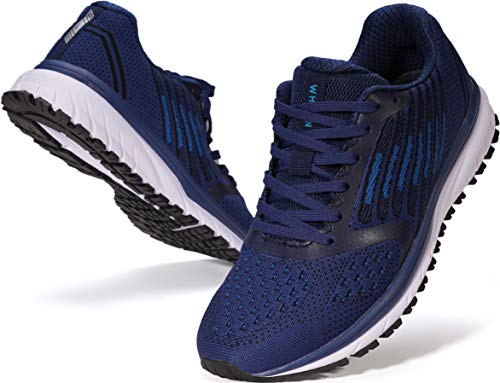
The Joomra Whitin running sneaker is a lightweight option for men who dislike bulky shoes. Its blue design has a casual athletic look, and the size 12 listing gives larger-footed shoppers a useful starting point. The flexible construction allows the shoe to move with the foot during simple walks. It is also easy to pair with jeans, shorts, or workout clothing.
This shoe may appeal to men who want a roomy, flexible feel rather than a firm traditional trainer. I would use it for level sidewalks, indoor walking, errands, and short daily outings. It may not be my first choice for very long walks on hard pavement if you need maximum support, but it can feel free and easy for lighter use. As with all minimalist-feeling shoes, increase walking time slowly so your feet can adjust.
Pros:
- Lightweight feel reduces the sense of carrying a heavy shoe
- Flexible build supports easy foot movement
- Size 12 listing helps shoppers with larger feet
- Blue styling adds a casual athletic look
- Works for errands, indoor walking, and short outings
- Often feels less stiff than a structured cross trainer
Cons:
- Flexible support may not suit users needing strong stability
- Long walks may require more cushion for some heavier users
- Fit can vary, so careful sizing is important
My Recommendation
I recommend the Joomra Whitin for overweight men who value a light, flexible sneaker and mostly walk on even surfaces. It may suit a larger-footed shopper who wants a casual shoe for daily tasks. I would start with short walks and watch for heel, arch, or calf soreness. If discomfort appears, move to a more cushioned and structured model.
This is not the universal answer for every walker. Its value comes from a simple, flexible feel and a casual design. For the right user, it can be a comfortable low-cost choice among the best walking shoes for overweight men, especially for short daily wear.
FitVille Extra Wide Slip-On Walking Shoe

The FitVille Extra Wide Slip-On is designed for men who need more space and easy entry. Its extra-wide shape can help when standard shoes press against the toes or sides of the foot. The shoe also focuses on arch support, heel comfort, and a high-rebound midsole. That combination makes it especially interesting for men who spend many hours standing or walking.
The breathable upper may help keep the shoe more comfortable during everyday use. Its slip-on style saves time, but the fit should still hold the heel securely rather than feel loose. I would consider this model for wide feet, flat feet, mild heel discomfort, or users who dislike bending to tie laces. Among the best walking shoes for overweight men, it stands out for room and comfort-focused features.
Pros:
- Extra-wide design helps relieve side pressure
- Slip-on entry supports users with limited bending ability
- Arch-support features may help flat-footed walkers feel steadier
- Heel-focused cushioning can soften daily steps
- Breathable upper supports comfort in warm weather
- High-rebound midsole aims to keep the step feeling lively
Cons:
- Extra-wide fit may feel loose on narrow feet
- Slip-on designs offer less fine adjustment than laces
- Support features may feel unusual during the first few wears
My Recommendation
The FitVille is my strongest match for overweight men who need an extra-wide shoe or who often deal with pressure around the forefoot. It also suits people who stand for long periods and want a soft heel with added arch structure. I would check the return policy and measure both feet before ordering. If one foot is larger, fit the shoe to the larger foot.
This model focuses on the problems that stop many people from walking: tight space, heel strain, and difficult entry. It may not have the sleekest athletic shape, but comfort often matters more than looks during a daily walk. For wide-foot shoppers, it is one of the best walking shoes for overweight men in this group.
How I Evaluate Walking Shoes for Heavier Men
A good walking shoe must do more than feel soft in the box. I look at the full walking cycle, from heel strike to toe-off. I also consider how the upper holds the foot, how the sole bends, and whether the shoe feels stable when the walker turns. A soft shoe can feel nice for ten minutes but fail after an hour if it lacks structure.
Body weight does not tell me a person’s exact shoe needs. Foot width, arch shape, stride, joint health, walking surface, and personal comfort all matter. The American Academy of Orthopaedic Surgeons advises choosing shoes that fit well and match the activity. I also follow a simple rule from practical shoe fitting: the heel should stay secure, the toes should have room to move, and no area should feel pinched.
I pay close attention to these features:
- Fit: A wide or extra-wide option can reduce pressure on broad feet.
- Cushion: Foam can soften impact, but too much softness may feel unstable.
- Stability: A firm base helps the shoe feel planted during turns.
- Upper support: Mesh should breathe, while overlays can help hold the foot.
- Outsole grip: Rubber or durable tread helps on sidewalks and indoor floors.
- Ease of use: Slip-on designs can help people with limited mobility.
- Durability: A heavier user may wear down foam and tread faster.
Why Fit Matters More Than Extra Cushion
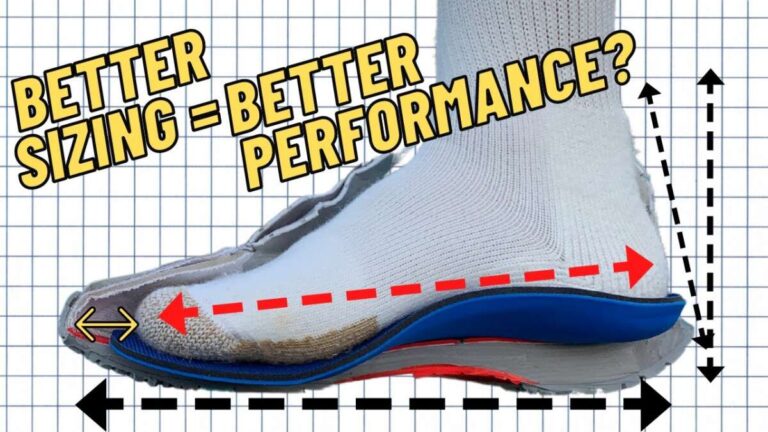
Many shoppers search for the softest shoe. I understand why. A padded shoe can feel like a small mattress under the foot. Yet walking comfort depends on fit as much as foam. If the shoe is too loose, the foot may slide and create friction. If it is too tight, the toes cannot spread well, and pressure can build during the day.
Try shoes late in the day when feet may be at their largest. Wear the socks you plan to use for walking. Leave roughly a thumb’s width between the longest toe and the front of the shoe, but do not use that rule alone. Walk on a hard floor, turn, and check for heel slip or side pressure.
Men with swelling, diabetes, numbness, or repeated sores should take extra care. The National Institute of Diabetes and Digestive and Kidney Diseases recommends checking feet and wearing well-fitting footwear for people with diabetes. A doctor or podiatrist can give personal advice when pain or reduced sensation is present. No online shoe review can replace a medical exam.
How Much Cushioning Do Overweight Men Need?
There is no single cushion level that works for every heavier walker. Some men prefer a firm midsole because it feels stable. Others need more foam under the heel because hard surfaces cause pain. The goal is not to find the softest shoe. The goal is to find a shoe that absorbs shock without wobbling.
A stable cushioned shoe often works well for city walks and daily errands. The New Balance 608 V5 has a more grounded feel, while the Joomra Whitin feels lighter and more flexible. The Skechers Go Run and Under Armour models sit closer to the athletic middle ground. Try to match the shoe to your surface, pace, and walking time.
If you currently wear flat casual shoes, do not jump into long walks with a new high-cushion model. Give your feet several short sessions to adjust. Increase time in small steps. A gradual plan may help limit soreness in the feet, calves, and Achilles area.
Wide Shoes, Extra-Wide Shoes, and Toe Room
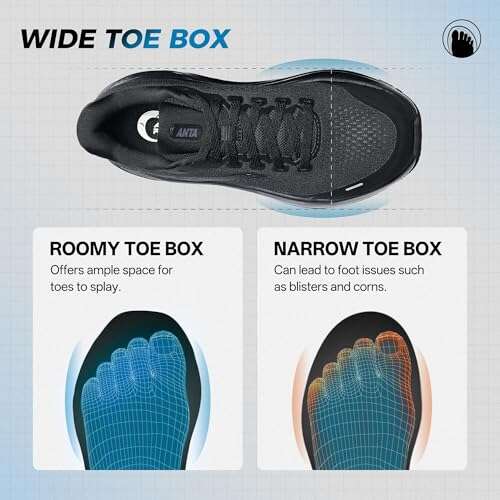
A wide label is not the same on every brand. One company’s wide may feel like another company’s regular size. Some shoes add width across the whole foot, while others add room mainly in the toe box. Read the size details and customer feedback, but use feedback as a guide rather than a promise.
Your toes should not touch the front while walking downhill or stopping. They should also not press into each other. The heel should remain mostly in place, and the upper should not cut into the top of the foot. If you have a bunion, hammer toe, or swelling, look for a shape that follows your foot instead of forcing it into a narrow point.
The FitVille and the X-Wide Skechers models are the most direct choices for shoppers who need extra room. The New Balance 608 V5 also comes in a wide size. The Under Armour listing shown here is a standard-width option, so it deserves more careful measuring before purchase.
Walking Shoe Care and Replacement Tips
Even the best walking shoes for overweight men will wear out. Look at the outsole every few weeks. If the tread is smooth, the heel leans to one side, or the midsole feels flat, the shoe may no longer protect your stride as well. A shoe can look clean while its foam has already lost spring.
Do not use walking shoes for every task if you can avoid it. Rotating two pairs gives foam time to recover and lets each pair dry. Remove dirt with a soft brush and follow the care label. Do not place most sneakers in a hot dryer, since heat can weaken glue and change the fit.
Keep a note of when you start using a pair. Some people replace shoes by time, while others replace them by feel and wear. Your body is useful feedback. New pain in the heel, knees, hips, or lower back can signal that the shoe no longer suits you, although pain can have many causes.
Best Features at a Glance
| Best for | Why |
|---|---|
| Easy, hands-free entry | Skechers Hands Free Go Walk Flex slips on quickly and comes in an X-Wide option. |
| Stable wide daily trainer | New Balance 608 V5 offers a structured feel and a wide size for everyday use. |
| Extra-wide comfort and heel support | FitVille gives broad feet more room and focuses on arch and heel comfort. |
Choosing the Right Pair for Your Walking Style
If you walk mainly to run errands, you may want comfort and easy entry first. The Skechers Hands Free model makes sense in that case. It removes the small hassle of tying laces and works well with casual clothes. This can be a big help when the hardest part of a walk is getting ready.
If you walk for exercise, choose a shoe that feels secure as your pace rises. The Under Armour Charged Assert 11 and Skechers Go Run Consistent have a more athletic shape. They may feel better when you move your arms, take longer steps, or spend time on a treadmill. Check width before ordering, since exercise shoes should not squeeze the forefoot.
If you stand for work or have broad feet, start with the New Balance 608 V5 or FitVille Extra Wide. Both focus more on steady comfort than on a slim, racing look. FitVille may be better when you need extra-wide space and easy entry. New Balance may be better when you want a firm, traditional trainer.
If you prefer a light shoe, consider the Joomra Whitin. It may feel less tiring during short walks, but it does not replace a medical support shoe. Start slowly and pay attention to your feet. The best walking shoes for overweight men should support your real routine, not just look good in a product photo.
Common Buying Mistakes to Avoid
The first mistake is buying by size alone. A size number does not show the shape of your foot. Two shoes in the same size can have very different toe boxes, heel cups, and arch positions. Measure both feet and compare the brand’s chart when possible.
The second mistake is choosing a shoe that feels soft but unstable. Push gently on the heel and twist the shoe in your hands. Some flexibility is useful, but the shoe should not fold with no control. When you walk, it should bend near the toes rather than collapse through the middle.
The third mistake is ignoring socks. Thick cotton socks can change the fit and create heat. Thin socks can make a shoe feel loose. Test the shoe with the socks you plan to wear most often.
The fourth mistake is expecting a new shoe to solve every pain problem. Shoes can improve comfort, but they cannot diagnose plantar fasciitis, arthritis, nerve pain, or a joint injury. If pain lasts, worsens, or changes your gait, seek professional care.
FAQs Of best walking shoes for overweight men
What should overweight men look for in walking shoes?
Look for a secure fit, enough toe room, useful cushioning, and a stable outsole. Wide or extra-wide sizes can help broad feet. The shoe should feel comfortable without sliding or squeezing.
Are wide shoes better for heavier men?
Wide shoes are better only when your feet need more width. A loose shoe can cause sliding and blisters. Choose the width that lets your toes spread while keeping the heel secure.
Is a soft shoe always the best choice?
No. Soft foam can reduce the harsh feel of pavement, but too much softness may feel unstable. Many walkers do best with balanced cushion and a firm, steady base.
Can walking shoes help with heel pain?
A cushioned, well-fitting shoe may reduce stress for some people. It cannot treat every cause of heel pain. If pain continues, see a qualified health professional for an evaluation.
How often should I replace walking shoes?
Replace them when the tread is worn, the foam feels flat, or new discomfort appears. Heavy daily use can wear shoes sooner. Check the outsole and midsole often instead of relying on a fixed calendar date.
Final Verdict: Which Should You Buy?
My top overall pick is the New Balance 608 V5 for its stable feel, wide fit, and daily versatility. Choose Skechers for easy entry, FitVille for extra-wide comfort, and Under Armour or Go Run for active walks.
The best walking shoes for overweight men should fit your feet, pace, and surface. Start with short walks, check comfort often, and choose steady support over hype.

Michael Smith is the Content Strategist behind The Style Hub, where fashion meets function. With a keen eye for trends and a passion for everyday style, he curates content that helps readers make smarter, more stylish choices—from the perfect pair of sneakers to must-have accessories. Michael specializes in breaking down fashion into practical, wearable insights, making style accessible for everyone. When he’s not researching the latest trends, he’s exploring how comfort, innovation, and timeless design come together in modern fashion.