
How To Soften Leather Shoes: Easy Methods That Work
To soften leather shoes, condition the leather, add gentle flexing, and wear them in short, comfortable sessions.
Learning how to soften leather shoes is easier when you treat the material with care. Leather is strong, but it can dry out, tighten, and rub when it is new. This guide explains safe methods, common mistakes, and simple ways to make stiff shoes more comfortable without damaging their shape or finish.
Why Leather Shoes Feel Stiff
New leather shoes often feel firm because the leather has not yet adjusted to the shape of your feet. The fibers need time to bend and relax. A tight shoe may also feel stiff when its leather has lost moisture during storage or manufacturing.
Some leather types are naturally firmer than others. Full grain leather, vegetable tanned leather, and thick work boot leather may need more time to soften. Suede and nubuck need different care because their textured surfaces can stain or flatten.
Common causes of stiff leather shoes include:
• New, thick leather that has not been broken in
• Dry leather with low moisture
• Tight shoes that restrict natural movement
• A rigid sole or hard heel counter
• Poor storage in hot, dry conditions
• Leather finishes that make the surface feel firm
A stiff shoe is not always a poor-quality shoe. In many cases, firm leather offers better support and can last for years. The goal is to soften the areas that rub while keeping the shoe’s structure intact.
How to Soften Leather Shoes Safely
The safest approach combines light conditioning, gentle movement, and gradual wear. Do not try to force the leather to become flexible in one day. Sudden heat or heavy moisture can cause cracking, stains, shrinkage, or loose glue.
1. Clean the Shoes First
Remove dust and dirt with a soft horsehair brush or clean cotton cloth. If the shoes are muddy, let the mud dry first, then brush it away. Dirt can block conditioner from reaching the leather evenly.
For smooth leather, use a small amount of leather cleaner made for footwear. Test it on a hidden area before cleaning the whole shoe. Never use household soap, bleach, or strong chemicals.
Allow the shoes to dry at room temperature before applying any conditioner. Leather should be clean and dry, but it should not feel hot or brittle.
2. Apply a Small Amount of Leather Conditioner
Choose a conditioner made for smooth leather shoes. Cream conditioners usually soften leather while adding light color protection. Leather balm can provide more moisture, but it may darken pale leather.
Use a soft cloth to spread a thin layer over the upper. Focus on stiff areas such as the vamp, tongue, heel counter, and sides. Wait several minutes, then wipe away any excess.
A little conditioner goes a long way. Too much can make leather greasy, weaken its finish, or cause the shoe to lose its shape. Test the product first, especially on light, painted, patent, or delicate leather.
3. Flex the Shoes by Hand
After conditioning, gently bend the shoes with your hands. Move the toe box upward and press the vamp with your thumbs. Work slowly for a few minutes rather than folding the shoe sharply.
This method helps loosen the leather fibers in the same places your feet will move. It is especially useful for loafers, oxfords, and leather sneakers.
Do not bend the sole until it creases deeply. A sharp fold can create permanent wrinkles or damage the finish.
4. Use a Shoe Tree or Stretching Tool
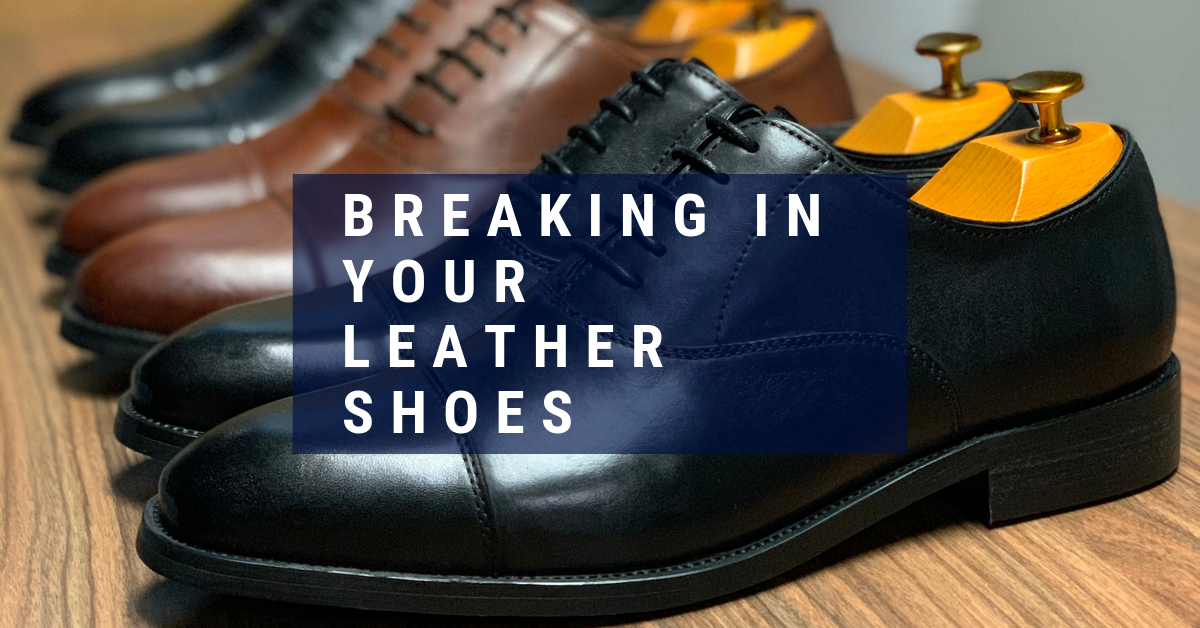
Insert a wooden shoe tree after conditioning. A shoe tree helps maintain the correct shape while the leather relaxes. Cedar shoe trees can also help reduce moisture and odor after wear.
For a tight spot, use a professional shoe stretcher. Add a small amount of leather stretching spray only if the product is suitable for your shoe’s leather. Turn the stretcher slowly and leave it in place overnight.
Stretching works best for width and small pressure points. It cannot make a shoe several sizes larger. If your toes touch the front, the shoe is likely too short and should be exchanged.
5. Wear the Shoes for Short Periods
Wear the shoes indoors for 15 to 30 minutes at first. Use clean, medium-thick socks to reduce friction and protect your skin. Increase wear time slowly over several days.
This gradual process lets the shoes adapt to your feet without creating painful blisters. It also helps you find pressure points before wearing the shoes to work, a wedding, or a long trip.
Stop if you feel sharp pain, numbness, or strong pressure. Discomfort that worsens with each wear may signal a poor fit rather than stiff leather.

Home Methods That Can Help
Several home methods may help soften leather shoes, but they do not all carry the same level of risk. Start with the mildest option and test it on a hidden area.
Thick Socks and Gentle Walking
Put on thick socks and wear the shoes around the house. If the shoes feel tight, warm them slightly with normal body heat rather than using a high heat source.
Walk, sit, and flex your feet for short periods. This method is slow, but it has a low risk of damaging the leather.
Leather Stretching Spray
Leather stretching spray can help relax tight areas. Spray lightly inside the shoe or on the area recommended by the label. Then wear the shoes with socks or place them on a shoe stretcher.
Do not soak the leather. Excess liquid may leave dark marks or loosen adhesives. Always follow the product directions and test first.
A Warm, Damp Cloth
For some smooth leather shoes, a barely damp cloth can make a stiff area more flexible. The cloth should be damp, not wet. Wipe the inside or outside only where needed, then wear the shoes briefly while they dry naturally.
This method is not suitable for suede, nubuck, patent leather, or shoes with untreated delicate finishes. Moisture can create water marks and change the texture.
Professional Shoe Stretching
A cobbler can soften and stretch leather with controlled tools. This is the best choice for expensive dress shoes, vintage shoes, boots, or leather with a special finish.
Professional help is also wise when the problem affects one small area, such as a bunion or a hard seam. A skilled cobbler can target that spot without overstretching the entire shoe.

Methods to Avoid When Softening Leather Shoes
Some popular online tips can cause more harm than good. Leather is not the same as fabric, and extreme treatment may permanently change its surface.
Avoid these methods:
• Do not soak leather shoes in water.
• Do not place them in a clothes dryer.
• Do not hold a hair dryer close to the leather.
• Do not use rubbing alcohol, vinegar, or household oil.
• Do not freeze shoes filled with water.
• Do not apply large amounts of petroleum jelly.
• Do not microwave shoes or expose them to direct sunlight for long periods.
High heat can dry leather, shrink it, and damage glue. Household oils may leave stains, block pores, or create a sticky surface that attracts dust. Water can also affect dyes and cause uneven marks.
One common mistake is trying to soften leather shoes overnight with heat. This may work for a short time, but the leather often becomes dry and cracked later. Slow care is less dramatic, yet it is much safer.

How to Soften Different Types of Leather Shoes
The correct method depends on the leather finish. Always check the care label or the brand’s instructions when available.
Smooth Finished Leather
Smooth leather usually responds well to brushing, a compatible conditioner, hand flexing, and gradual wear. Use cream or balm in a thin layer and buff the surface after it absorbs.
Avoid heavy conditioning on highly polished dress shoes. Too much product can reduce shine or make the finish look cloudy.
Full Grain Leather
Full grain leather is durable and often feels firm at first. It can soften with regular wear and careful conditioning, but it may take several weeks.
Use a conditioner designed for full grain footwear. Work it into areas that bend, not every surface repeatedly. Overconditioning can make boots feel limp.
Suede and Nubuck
Suede and nubuck should not receive standard smooth leather cream. Use a suede brush and a product made for the specific material.
To soften suede shoes, brush the nap gently and wear them gradually. A professional should handle deep stains, water damage, or severe stiffness.
Patent Leather
Patent leather has a glossy coating that can crack or become cloudy. Do not use normal leather conditioner unless the manufacturer approves it.