How To Tell If Shoes Are Fake: Easy Authenticity Checks
Check the box, materials, stitching, logo, seller, and price before trusting any pair of shoes.
Learning how to tell if shoes are fake can save you money, protect your feet, and prevent a frustrating return. Fake shoes often look convincing in photos, so one clue is rarely enough. The best check combines close inspection, seller research, product details, and common sense. This guide explains how to tell if shoes are fake with clear steps you can use on sneakers, designer shoes, boots, and athletic footwear.
Why counterfeit shoes are difficult to spot
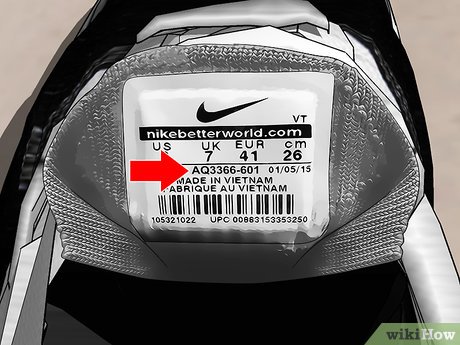
Fake shoes are no longer easy to identify at a glance. Some counterfeit factories copy popular colors, logos, packaging, and product names with surprising skill. A shoe may look real in a social media photo but show clear flaws when you hold it.
The risk is also higher when a shoe is sold through an unknown marketplace, social media account, or private seller. Counterfeit shoes may use weak glue, poor foam, unsafe dyes, or materials that wear out fast. In some cases, the shoe may not offer the support claimed by the original brand.
A single flaw does not always prove a shoe is fake. Real shoes can have small factory defects, especially during busy releases. Instead, look for a pattern of problems across the shoe, box, label, and seller history.
When learning how to tell if shoes are fake, think like a detective. Each detail is a clue, and several matching clues form a stronger answer.

Start with the seller and the price
The seller is often your first and strongest clue. Before inspecting the shoe, check who is selling it and how they handle buyers.
Trusted sellers usually provide clear product photos, a return policy, proof of purchase, and accurate product details. They should not pressure you to pay quickly through a method that offers no buyer protection.
Be careful when a seller:
• Uses stock photos instead of photos of the actual pair
• Refuses to show the size tag, box label, or sole
• Has many new pairs in rare sizes
• Offers a popular shoe far below its normal market price
• Uses copied reviews or vague product descriptions
• Requests payment by gift card, wire transfer, or unprotected payment
Price alone does not prove a shoe is fake. A genuine pair may be discounted because it is used, damaged, old, or from an unwanted colorway. However, a brand-new, highly sought-after shoe at an unusually low price deserves serious caution.
Search for the same model across several trusted stores. Compare prices for the exact size and condition. This gives you a more useful benchmark than comparing it with a different version of the shoe.
A practical lesson is simple: do not let a bargain rush your judgment. Many buyers focus so much on saving money that they ignore obvious seller warnings.
Check the box, wrapping, and accessories
Packaging can reveal errors, but it should never be your only test. Counterfeiters may copy a box well, and genuine boxes can become damaged during shipping.
Inspect the box for:
• Correct brand colors and design
• Sharp printing and clean edges
• A label that matches the shoe size, color, and model
• A barcode or product code that looks properly printed
• Strong cardboard and accurate folding
• Correct spelling and spacing
Look for loose ink, blurry text, strange fonts, uneven labels, and incorrect logos. Compare the box with official product photos or a trusted pair of the same model.
The shoe’s accessories can also help. Check tissue paper, extra laces, inserts, hang tags, and dust bags. Some brands use special paper patterns or printed cards, while others do not include them at all. Missing extras may be normal for a used pair, so consider the shoe’s condition before judging.
A common mistake is assuming perfect packaging proves authenticity. Skilled counterfeiters can reproduce packaging, while genuine shoes may arrive in a replacement box. Packaging supports your decision, but it does not make the final decision.
Inspect the shoe label and product code
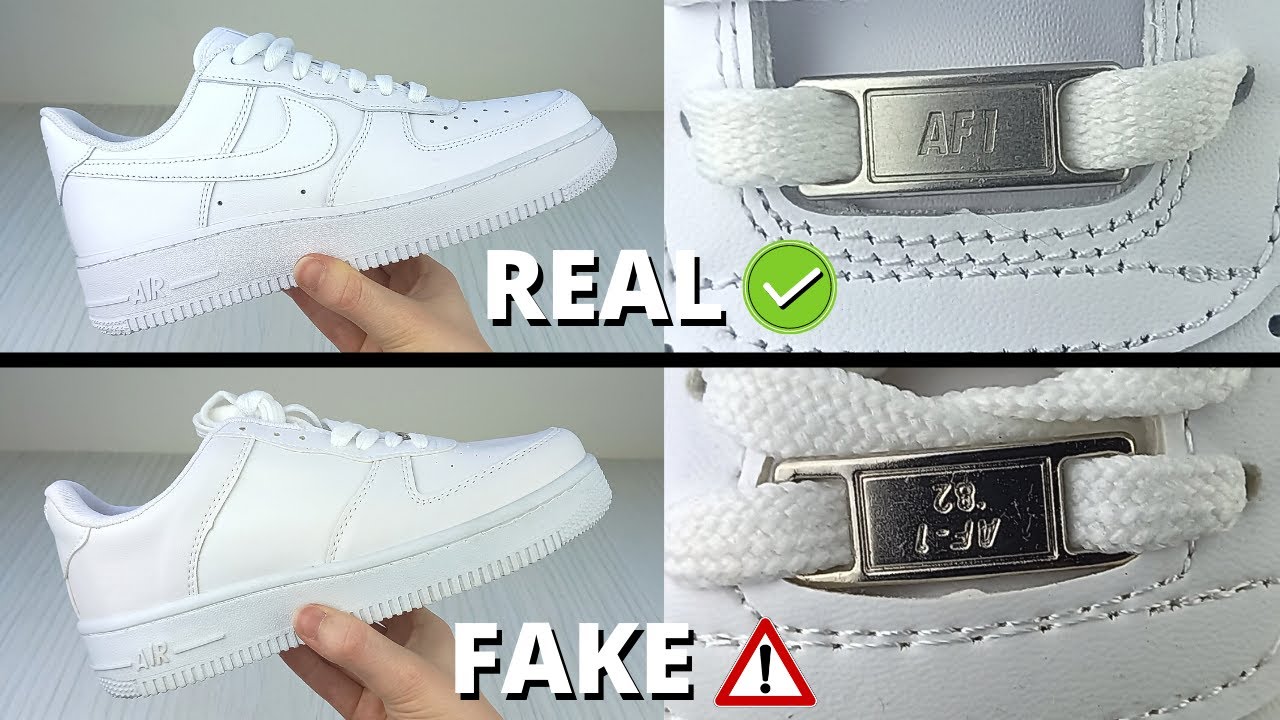
The size tag is one of the most useful areas to inspect. It often contains the model number, size conversions, manufacturing details, and a barcode or QR code.
Compare the information on the shoe with the box label. Check that:
• The model or style code matches
• The size is consistent across the shoe and box
• The color description is correct
• The font, spacing, and print quality look normal
• The label is placed evenly
• The country of manufacture fits the brand’s usual production details
A product code can help, but it is not proof by itself. Counterfeiters often copy real codes from authentic shoes. Some fake shoes even use a code that leads to a real product page.
A QR code may also be copied or linked to a simple website. Scan it only as an extra step. Do not enter payment details or personal information on a suspicious page.
When learning how to tell if shoes are fake, compare the full set of details. A code that matches the box but not the shoe’s shape, color, or construction is a warning sign.
Examine the logo, shape, and design
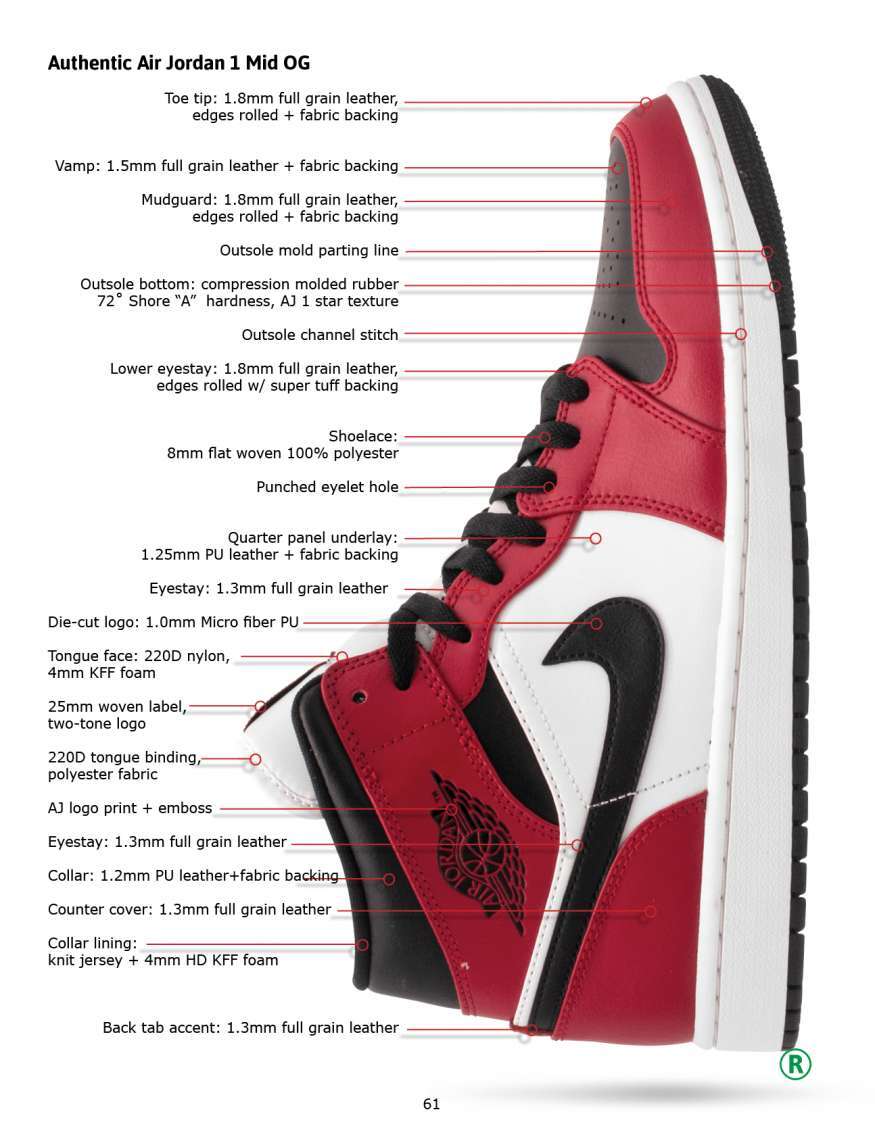
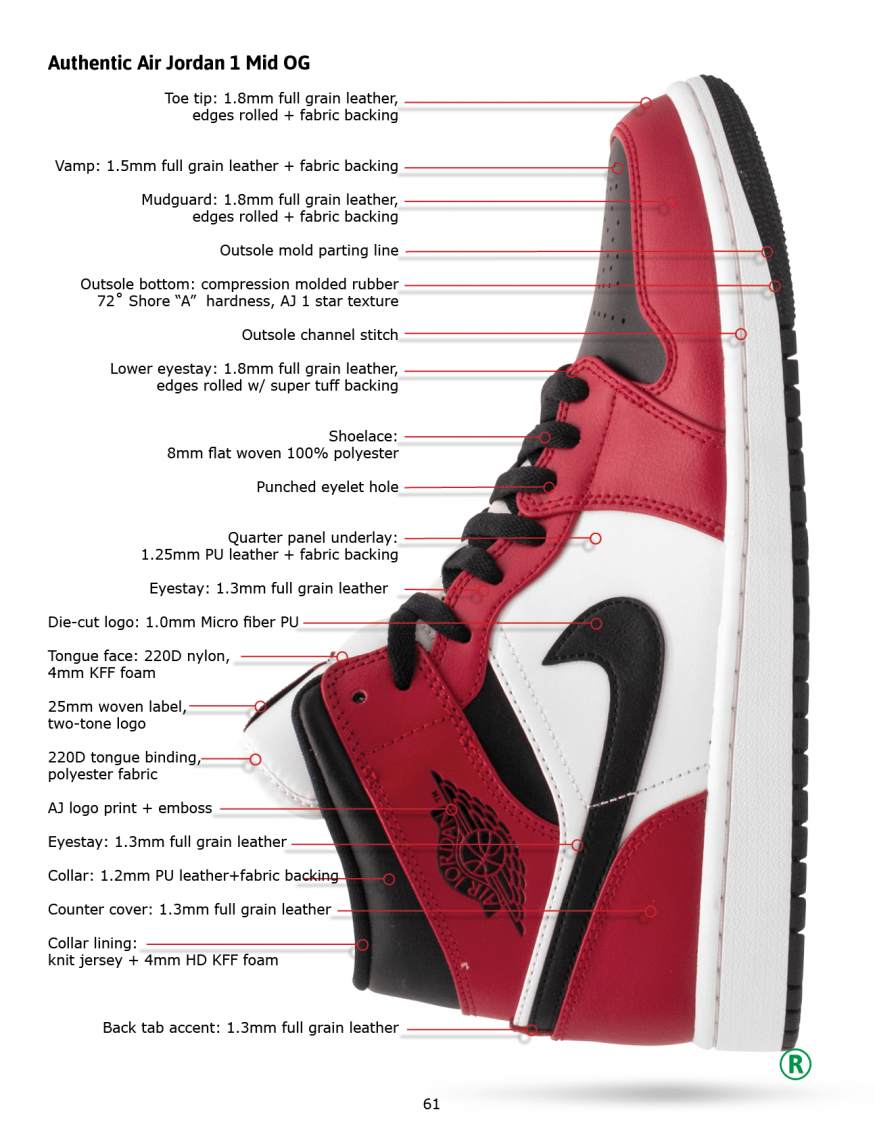
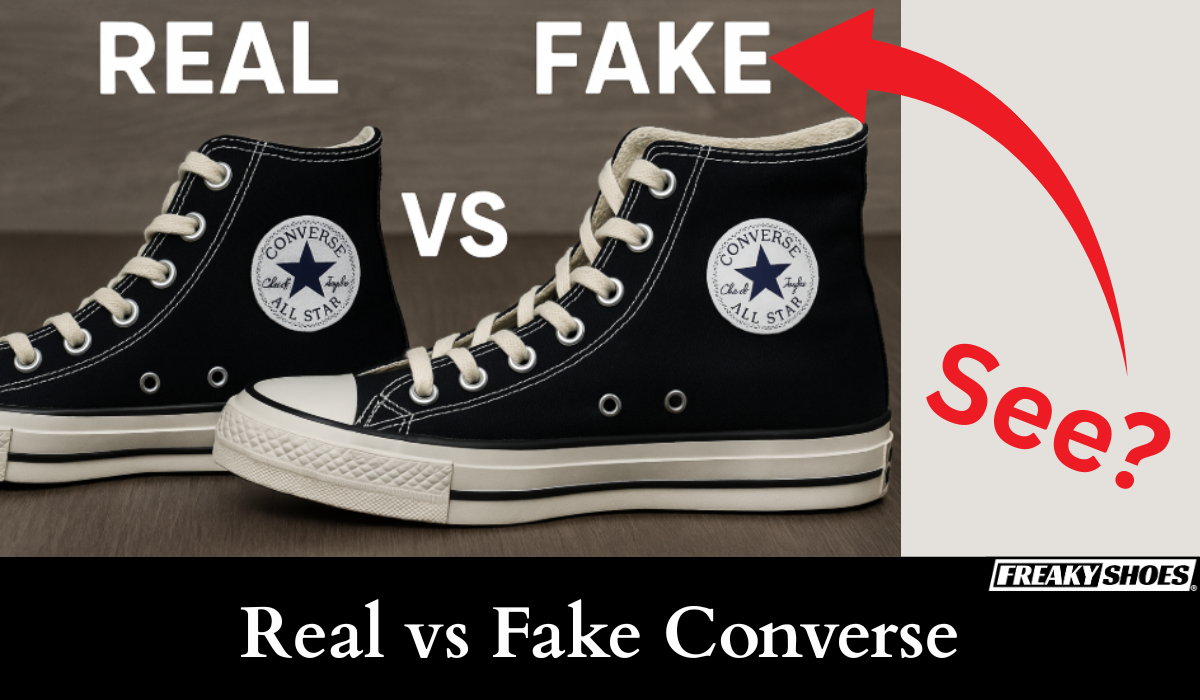
Brand logos should look clean and consistent. Check the logo on the tongue, heel, insole, outsole, and sides of the shoe. Look for odd spacing, uneven stitching, incorrect proportions, or a logo that sits too high or too low.
Compare the shoe with official photos of the same model and release. Pay attention to small design features such as:
• The shape of the toe box
• The height of the heel
• The curve of the midsole
• The position of overlays
• The size and angle of the logo
• The pattern of perforations
• The shape of the tongue
• The color and texture of the outsole
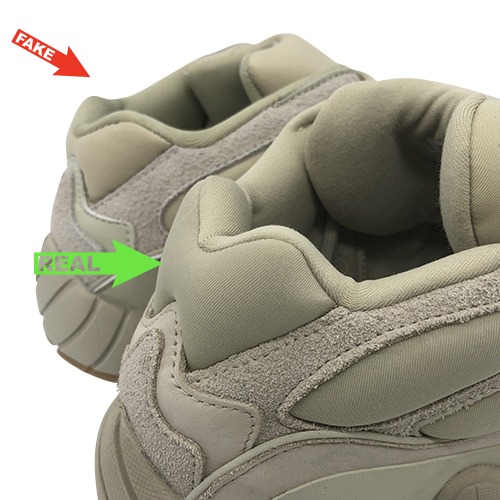
Counterfeit shoes often have a slightly wrong shape. The toe may look too round, the heel may lean, or the shoe may sit too high. These differences can be hard to see in a quick photo but obvious beside an authentic pair.
Do not compare a low-quality online image with your shoe. Use clear images from the brand or a trusted retailer. Also confirm that you are comparing the same release, since brands may change materials and details between versions.
Look closely at stitching, glue, and materials
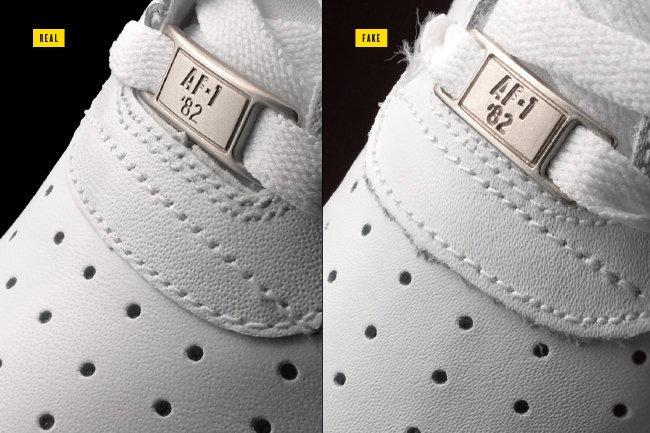
Construction quality is a major part of how to tell if shoes are fake. Turn the shoe slowly in your hands and inspect every panel.
Watch for:
• Uneven or crooked stitching
• Long loose threads
• Stitches that stop suddenly
• Panels that do not line up
• Excess glue around the sole
• Wrinkled material in clean areas
• Rough or sharp edges
• Thin, plastic-like fabric
• A strong chemical smell
A small amount of glue does not automatically mean a fake. Even genuine shoes can have minor glue marks. The concern grows when glue appears in several places or when the materials feel much cheaper than expected.
Compare the weight and flexibility of the pair. Authentic shoes usually feel balanced from left to right. A fake pair may have one shoe that feels heavier, stiffer, softer, or less stable.
Smell is only a supporting clue. New shoes can have a factory odor, and genuine shoes may smell different after storage. Use smell together with visible construction problems rather than treating it as a final test.
Test the sole, cushioning, and comfort
A shoe can pass a visual check and still feel wrong on foot. Try the pair on a clean surface, if possible. Check whether both shoes fit in the same way and whether the sole bends at a natural point.
Notice:
• Uneven cushioning
• A hard spot under one foot
• A sole that twists too easily
• Poor heel stability
• A footbed that slides
• Uneven traction
• Discomfort caused by rough internal seams
Real shoes are made to meet a specific design and performance goal. Running shoes should offer the intended support, while basketball shoes should provide stable movement and traction. A fake pair may copy the look but fail in these areas.
Do not perform risky tests such as soaking, cutting, burning, or aggressively bending the shoe. These methods can damage a genuine product and may create a safety hazard.
Comfort cannot prove authenticity. A counterfeit shoe may feel comfortable for a few minutes. Still, unusual stiffness, poor balance, or weak construction adds useful evidence.

Compare the pair with trusted references
The most reliable visual comparison uses several sources. Check the brand’s official product page, major authorized retailers, detailed review videos, and high-quality photos from reputable sneaker communities.
Compare the same:
• Model
• Colorway
• Release or production version
• Size range
• Condition
Do not rely on memory. Popular shoes may have several editions that look nearly alike. A design change may be legitimate, especially between regional releases or later production runs.
You can also ask an experienced authentication service to review the pair. Some services use trained inspectors, image checks, or a combination of both. Read the terms carefully because policies, fees, and guarantees vary.
No online check is perfect. Poor photos, worn shoes, replacement parts, and factory variations can make authentication harder. A careful reviewer should explain uncertainty instead of promising certainty from one image.
Use technology with caution
Digital tools can support the authentication process. A barcode scanner, reverse image search, and product database may help you find inconsistencies.
Useful steps include:
-
Photograph the shoe from several angles.
-
Search the model code and color description.
-
Compare the code with trusted product listings.
-
Reverse-search unusual product photos.
-
Check whether the seller’s images appear on other accounts.
-
Save screenshots of the listing, messages, and payment record.
Technology has limits. A copied barcode can scan correctly. An online database may contain incorrect information. Artificial intelligence image tools can also miss small construction details or label a genuine variation as fake.
Treat online tools as assistants, not judges. The strongest decision comes from combining digital research with a physical inspection and seller review.
What to do if you think your shoes are fake
Stop wearing the shoes until you understand the situation. Continued use can make a return or dispute harder, especially if the seller claims you caused damage.
Save:
• The original box and packaging
• Your receipt or order confirmation
• Photos of every problem
• Seller messages and listing details
• Payment records
• Any authentication report
Contact the seller in writing and explain the issue clearly. If the seller refuses to help, use the payment provider’s dispute process. Credit cards and some online payment services may offer stronger protection than cash or direct bank transfers.
You can also report suspected counterfeit goods to the marketplace, brand, or appropriate consumer protection agency. Do not resell the pair as authentic. If you are not certain, describe the issue honestly and seek professional guidance.
If the shoes cause pain, skin irritation, or an unusual reaction, stop wearing them. Counterfeit materials may not meet the same quality or safety controls as genuine products.
Common mistakes when checking shoe authenticity
Many buyers make the same errors. Avoiding them can improve your results.
• Trusting a low price because it feels like a lucky find
• Checking only the box
• Assuming a QR code proves authenticity
• Comparing the shoe with the wrong model
• Treating one loose thread as definite proof
• Ignoring the seller’s return policy
• Paying without buyer protection
• Relying on smell alone
• Using blurry photos for comparison
• Believing every online authentication comment
The goal is not to find one dramatic flaw. The goal is to build a fair picture from several details. This approach helps you avoid both false positives and false accusations.
It is also wise to consider the shoe’s history. A used pair may have replaced laces, a new insole, fading, or repairs. Those changes can explain differences without proving the entire shoe is fake.
A simple checklist for how to tell if shoes are fake
Use this checklist before you buy or keep a questionable pair:
-
Research the seller and read recent reviews.
-
Compare the price with trusted retailers.
-
Ask for clear photos of the actual shoes.
-
Match the box label to the shoe label.
-
Check the model code, size, and color name.
-
Compare the logo and shape with official photos.
-
Inspect stitching, glue, and materials.
-
Test the sole, balance, and cushioning safely.
-
Review the return and buyer protection terms.
-
Seek professional authentication when the price or risk is high.
If several checks raise concern, walk away. Losing a possible bargain is better than losing money on a counterfeit pair.
Frequently Asked Questions About How to Tell If Shoes Are Fake
How can you tell if shoes are fake from the box?
Check the box label, printing, logo, color, and product code. The box should match the shoe’s size, model, and color, but good packaging can also be copied, so inspect the shoes too.
Does a shoe’s product code prove it is authentic?
No. Counterfeiters can copy product codes from genuine pairs. A matching code is helpful, but you should also inspect construction, materials, shape, labels, and the seller.
Can fake shoes look exactly like real shoes?
Some fake shoes look very close to genuine models, especially in online photos. Small differences in shape, stitching, materials, cushioning, and labels often become clearer during a close inspection.
Is a very low price proof that shoes are fake?
No, but an unusually low price is a strong warning sign. Used shoes, damaged boxes, clearance sales, and older releases may be genuine, so check the seller and the shoe’s condition before deciding.
Are shoes from online marketplaces always fake?
No. Many marketplaces have genuine sellers, but counterfeit risk varies by platform and seller. Check seller reviews, buyer protection, return terms, product photos, and the seller’s history before paying.
Can a QR code confirm that shoes are real?
A QR code cannot confirm authenticity by itself. It may be copied, inactive, or linked to a real product page without proving that your pair is genuine.
Should I use smell to identify fake shoes?
Smell can provide a small clue, but it is not reliable alone. New authentic shoes may have a factory odor, and fake shoes may have little smell after airing out, so use construction and seller evidence instead.
What should I do if a seller sends fake shoes?
Keep the shoes, packaging, photos, messages, and payment records. Contact the seller first, then use the marketplace or payment provider’s dispute process if the seller does not provide a fair solution.
Conclusion
Knowing how to tell if shoes are fake means checking more than a logo or a box. Review the seller, price, packaging, product code, shape, stitching, materials, and comfort as one complete picture. When several details look wrong, trust the warning signs and avoid the purchase.
Take your time, use buyer protection, and request clear proof before paying. If you have found useful ways to spot counterfeit footwear, share your experience or explore trusted authentication resources before your next purchase.

Michael Smith is the Content Strategist behind The Style Hub, where fashion meets function. With a keen eye for trends and a passion for everyday style, he curates content that helps readers make smarter, more stylish choices—from the perfect pair of sneakers to must-have accessories. Michael specializes in breaking down fashion into practical, wearable insights, making style accessible for everyone. When he’s not researching the latest trends, he’s exploring how comfort, innovation, and timeless design come together in modern fashion.