
Do Running Shoes Make A Difference: Find Out Why
Yes, running shoes can make a real difference by improving comfort, grip, stability, and confidence on every run.
The answer to “do running shoes make a difference” depends on your feet, running style, training goals, and the surface beneath you. Good shoes cannot fix every running problem, but the right pair can reduce discomfort, improve your experience, and help you stay consistent.
Do running shoes make a difference?
Yes, running shoes can make a difference, especially when they fit well and match your needs. Running creates repeated impact through your feet, ankles, knees, hips, and back. Shoes help manage that stress, although they cannot remove it completely.
The main benefits often come from comfort, traction, protection, and a secure fit. A shoe that feels natural may help you run with less distraction and better form.
However, expensive shoes are not always better. A simple pair that fits your foot may work better than a costly model with features you do not need.

How running shoes differ from regular sneakers
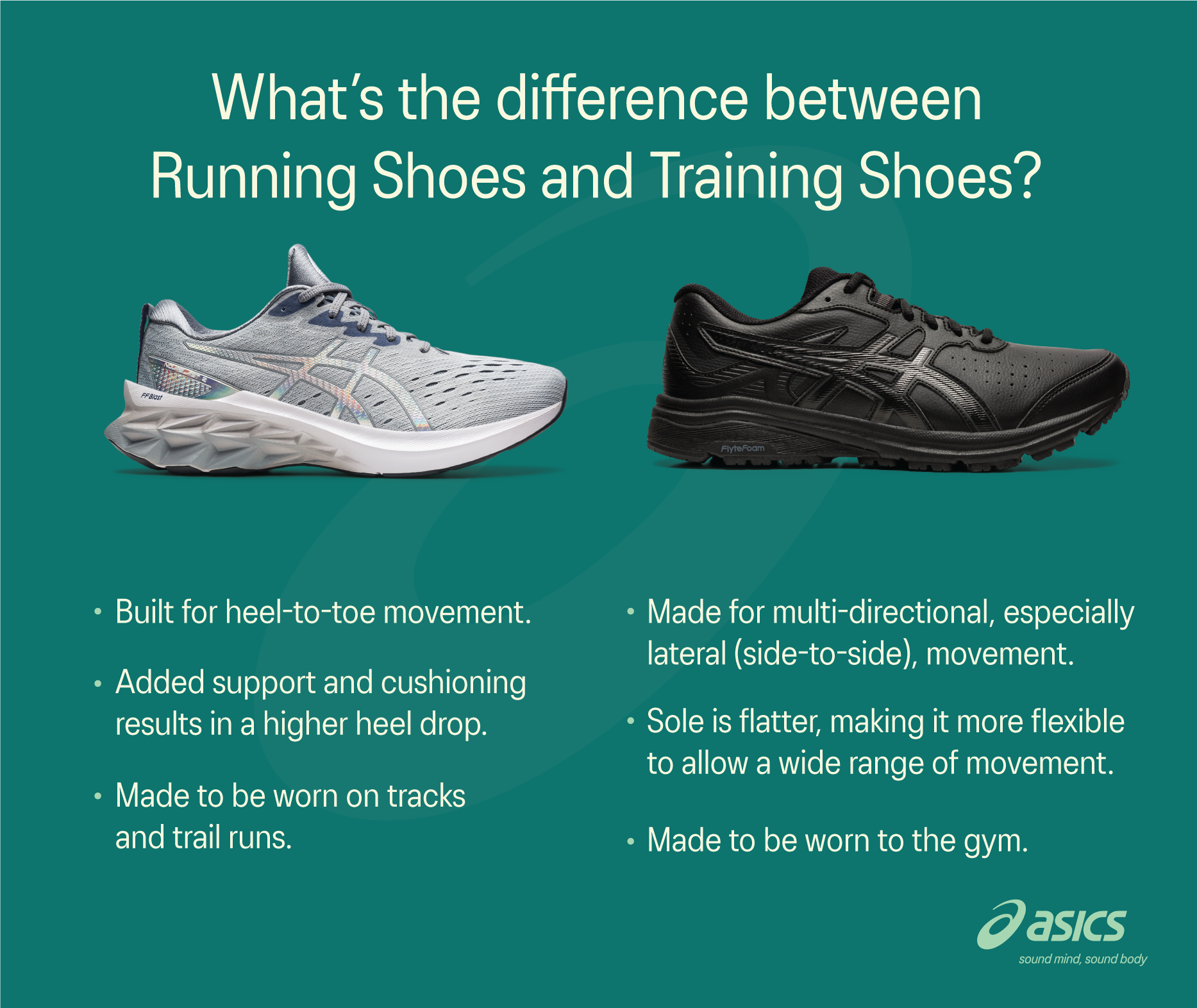
Running shoes are built for repeated forward movement. Most have cushioning, a flexible sole, breathable materials, and rubber areas that improve grip.
Regular sneakers may look similar, but they often lack the structure needed for long walks or runs. Casual shoes may also have flat soles, heavy materials, or poor airflow.
Here are some common differences:
• Running shoes usually have more impact protection.
• Their outsoles are designed for better grip during movement.
• Their uppers often hold the foot more securely.
• Their midsoles are made to balance cushioning and energy return.
• Their shape may better support the natural movement of a runner’s foot.
This does not mean every run requires a high-tech shoe. For a short, easy jog, many comfortable athletic shoes may feel fine. Problems tend to appear when you run often, run far, or use shoes that are worn out.
What benefits can the right running shoes provide?
Better comfort
Comfort is one of the clearest reasons running shoes matter. A good fit can reduce pressure on your toes, heel, arch, and the top of your foot.
Small problems can become large problems during a run. A tight toe box may cause numbness or blisters. A loose heel may rub and create painful hot spots.
More protection from hard surfaces
Roads, sidewalks, and treadmills can place repeated stress on your legs. Cushioning does not prevent every injury, but it can make hard surfaces feel more manageable.
The best amount of cushioning varies. Some runners prefer a soft feel, while others feel more stable in a firmer shoe.
Improved grip
Good traction helps your foot stay connected to the ground. This matters on wet pavement, indoor tracks, gravel, and uneven paths.
Trail running shoes usually have deeper lugs for dirt and rocks. Road shoes often use a smoother outsole that feels lighter on pavement.
A more secure fit
A running shoe should hold your foot without squeezing it. Your heel should stay in place, while your toes should have room to spread.
A secure fit may help you feel more stable when turning, running downhill, or increasing your pace.
More confidence
This benefit is easy to overlook. When your feet feel comfortable, you may focus more on your pace, breathing, and surroundings.
Running shoes are not magic. Still, confidence can help you enjoy training and follow a regular routine.
Can running shoes prevent injuries?
This question needs a careful answer. Running shoes can improve comfort and reduce some sources of irritation, but no shoe can guarantee injury prevention.
Research on footwear and running injuries is complex. Injuries may relate to training errors, sudden mileage increases, weak muscles, poor sleep, past injuries, running surfaces, and individual anatomy. Shoes are only one part of that picture.
A useful way to think about it is this: shoes can help manage stress, but they cannot replace gradual training.
To lower your risk:
• Increase weekly distance slowly.
• Add rest or easy days to your schedule.
• Replace shoes when the cushioning feels flat or the outsole is badly worn.
• Strengthen your calves, hips, glutes, and core.
• Stop or reduce training when pain changes your stride.
• Seek medical advice for sharp, lasting, or worsening pain.
A shoe that feels comfortable is often a sensible choice. Comfort is not a perfect injury test, but it is a useful starting point.
Do expensive running shoes make a difference?
Not always. Price may reflect research, materials, brand marketing, or special features, but it does not guarantee a better fit.
A more expensive shoe may offer:
• Lighter foam.
• A carbon-fiber plate.
• More durable materials.
• Advanced water resistance.
• Extra cushioning.
These features may help some runners. They may also feel awkward or unnecessary for others.
For most beginners, fit and comfort matter more than price. A mid-range shoe that feels good can support your training just as well as a premium model.
Try not to buy a shoe only because a professional athlete wears it. Elite runners may have different goals, speeds, body weights, and training plans.

How to choose the right running shoes
Choosing shoes becomes easier when you focus on how you run and how the shoe feels.
1. Know where you run
Choose road shoes for pavement, sidewalks, and treadmills. Select trail shoes for dirt, mud, rocks, and uneven paths.
If you use one shoe on many surfaces, look for a versatile outsole with moderate grip.
2. Measure both feet
Many people have one foot that is slightly larger than the other. Measure both feet near the end of the day, when your feet may be a little swollen.
Choose the size that fits the larger foot. Leave about a thumb’s width between your longest toe and the front of the shoe.
3. Wear your running socks
Try shoes with the socks you plan to wear during runs. Thick socks can change the fit more than you might expect.
If you use orthotics, bring them to the fitting. They may require a different size or a roomier shoe.
4. Check the heel and midfoot
Your heel should feel secure without painful pressure. The middle of the shoe should hold your foot, but it should not create numbness.
Walk, jog, and bend your knees in the shoes if possible. A few minutes of movement can reveal problems that standing still may hide.
5. Judge the shoe by feel
Do not assume you need a certain support category because of your arch shape. A professional gait check can offer useful information, but it should not override pain or discomfort.