Can Women Wear Mens Running Shoes: Fit, Comfort And Style
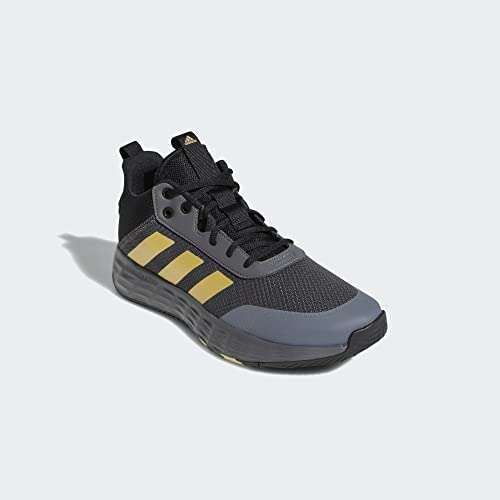
Yes, women can wear men’s running shoes when the fit, comfort, and support match their feet.
The question “can women wear mens running shoes” has a simple answer, but the best choice depends on foot shape, shoe width, gait, and running goals. After comparing many running shoe designs and fit patterns, I find that gender labels matter less than proper sizing, comfort, and performance.
Can women wear mens running shoes?
Yes, women can wear men’s running shoes. Running shoes are not restricted by gender, and many women prefer men’s models because they offer a wider fit, more room in the toe box, or a better color and style choice.
The main difference is usually the shoe’s shape. Men’s running shoes often have a wider platform and a larger heel-to-toe volume. Women’s running shoes may have a narrower heel, a slightly different midsole design, and a fit shaped around common female foot patterns.
These are general design trends, not strict rules. Feet vary widely among individuals. Some women have broad feet, while some men have narrow feet, so a women’s shoe or men’s shoe may work for either person.
The best running shoe is the one that feels secure, comfortable, and stable from the first mile to the last.

Key differences between men’s and women’s running shoes
Men’s and women’s running shoes often use similar technology. Both may include foam cushioning, carbon-fiber plates, stability features, breathable mesh, and rubber outsoles. The differences tend to appear in the shape and volume of the shoe.
Common differences include:
• Width: Men’s shoes often offer more space through the midfoot and forefoot.
• Heel shape: Women’s running shoes may have a narrower heel area.
• Shoe volume: Men’s models may feel taller or roomier over the top of the foot.
• Weight: Some women’s shoes weigh slightly less, but this varies by size and brand.
• Cushioning: Foam density may differ in some models, but there is no universal rule that men’s shoes are firmer or women’s shoes are softer.
• Color and style: This is a personal preference and does not affect performance.
Research on foot shape shows that average differences can exist between male and female feet. However, averages do not describe every runner. A woman with a wide forefoot may feel better in a men’s shoe, while another woman may need the narrower heel of a women’s model.
That is why the label should be a starting point, not a final decision.
Why some women choose men’s running shoes
Many women try men’s running shoes because standard women’s models feel too narrow. This is especially common for runners with wide feet, swollen feet, bunions, or a preference for extra toe room.
A men’s shoe can also provide a more secure fit for runners with a larger foot size. Some brands offer a wider size range in men’s shoes, which can make shopping easier.
Other possible reasons include:
• A wider toe box that allows the toes to spread naturally
• More room across the instep
• Better availability in certain sizes
• A firmer feel under the foot
• A preferred design, color, or price
• A better fit for custom orthotics
In my experience helping people compare running shoes, the biggest mistake is choosing a shoe based only on its label. A runner may reject a great shoe because it is marked “men’s,” even when it matches the foot perfectly.
If the shoe keeps your heel in place, gives your toes room, and feels smooth while you run, it may be the right choice.

How to know if mens running shoes fit correctly
Fit matters more than the gender category. When trying on men’s running shoes, use the same care you would use with any athletic shoe.
Follow these steps:
-
Try the shoes later in the day. Feet often swell after walking and activity.
-
Wear the socks you normally use for running.
-
Leave about half an inch of space between your longest toe and the front of the shoe.
-
Check that your heel does not lift during walking or jogging.
-
Make sure the widest part of your foot rests over the widest part of the shoe.
-
Walk, jog, and turn in the shoes before buying them.
Your toes should be able to move slightly. They should not hit the front of the shoe during downhill movement or long runs.
The upper should hold your foot without pressure points. If you need to tighten the laces very hard to stop your heel from slipping, the shoe may be too wide or the heel may have the wrong shape.
A proper fit should feel like a gentle handshake. It should be secure, but never crushing.

Benefits and drawbacks of mens running shoes for women
Men’s running shoes can offer real benefits, but they are not perfect for every runner.
Potential benefits
• More room for wide feet
• A roomier toe box
• Greater comfort for high-volume feet
• More size options in some brands
• A stable platform for certain runners
• Better compatibility with thick socks or orthotics
Possible drawbacks
• The heel may feel too loose
• The shoe may be too long or too heavy
• The midsole may feel too firm for your preference
• A wide platform may feel less nimble
• The upper may create pressure in the wrong places
• The shoe may not match your gait or running style
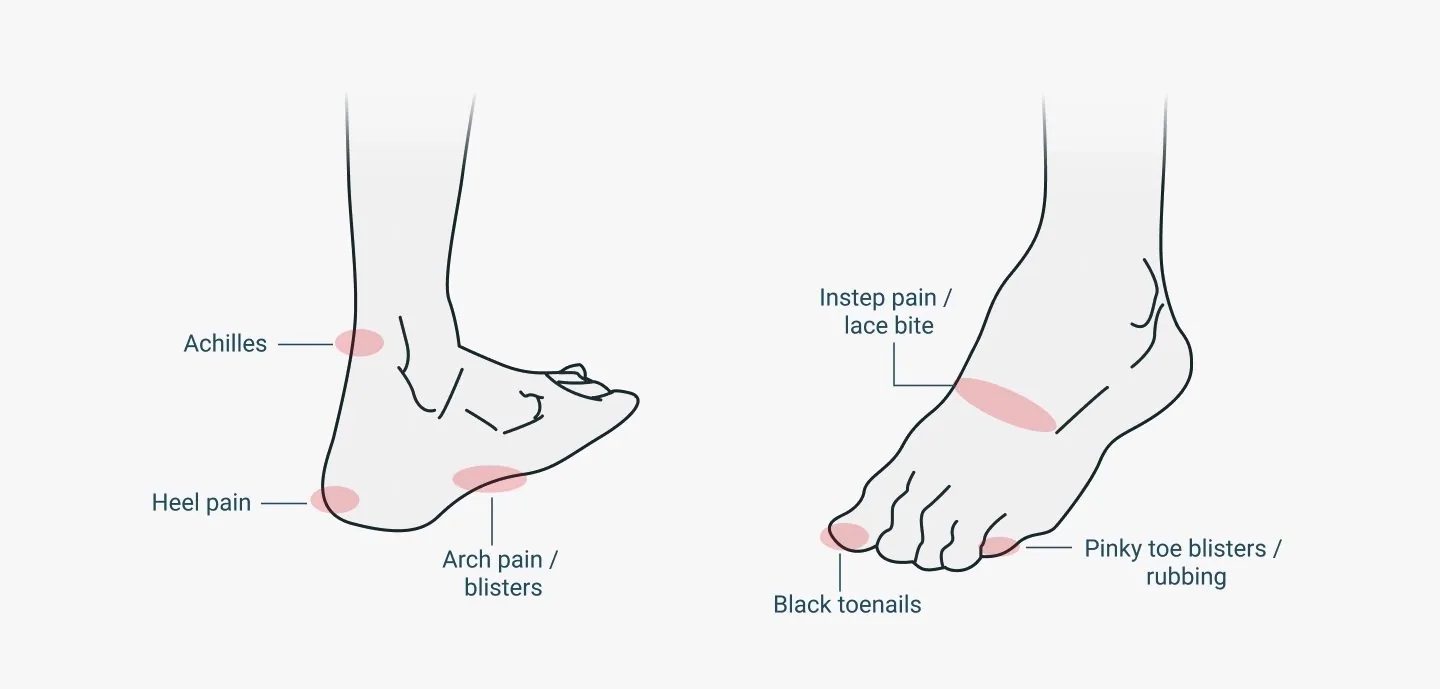
A wider shoe is not automatically better. Extra space can allow the foot to slide, which may lead to blisters, black toenails, or poor control. The goal is a balanced fit with room where you need it and support where you need it.
Women with narrow heels should pay special attention to heel lock and lace adjustment when testing men’s shoes.
Does shoe size change between men’s and women’s models?
Yes. Men’s and women’s shoe sizes use different scales in the United States. A common starting point is to subtract about 1.5 sizes from a women’s US size to estimate the comparable men’s size.
For example:
• Women’s US 9 may be close to men’s US 7.5
• Women’s US 10 may be close to men’s US 8.5
This conversion is only a guide. Shoe brands use different lasts, materials, and sizing systems. A men’s size 8 in one brand may not fit like a men’s size 8 in another.
Width labels can also vary. A standard men’s width is often marked D, while a standard women’s width is often marked B. In many brands, a men’s D width may feel similar to a women’s wide shoe, but this is not guaranteed.
Always check the brand’s size chart and measure both feet. Choose the size that fits your larger foot.
Can women wear mens running shoes for long-distance running?
Women can wear men’s running shoes for long-distance running if the shoes remain comfortable and stable over time. A shoe that feels good for five minutes in a store may feel very different after 15 miles.
Before using a new pair for a race, test them during shorter runs. Then use them for a medium-distance workout and, if they still feel good, a longer training run.
Watch for these signs:
• Numbness or tingling
• Burning under the forefoot
• Heel rubbing
• Toe contact with the front of the shoe
• Pain along the arch
• Knee or hip discomfort
• New blisters
Some discomfort may come from training load rather than the shoe. Still, repeated pain should not be ignored. A qualified health professional, such as a podiatrist or physical therapist, can help identify the cause.
Running shoes should support your movement, not force your feet into a shape that feels unnatural.
How to choose the best mens running shoes for women
Start with your foot, not the product label. Think about your foot width, arch comfort, running surface, pace, and weekly mileage.
Use this checklist:
• Measure both feet while standing.
• Look for enough toe room.
• Select a width that holds the foot without squeezing it.
• Check the heel for secure contact.
• Match the shoe to your running surface.
• Consider neutral or stability features if recommended by a qualified professional.
• Test the shoe with your usual running socks.
• Buy from a store with a clear return policy.
The shoe should bend in a way that feels natural. It should also provide enough cushioning for your comfort without making you feel unstable.
Avoid choosing a shoe only because it is popular. A highly rated model can still be wrong for your foot. Fit, comfort, and intended use are more useful guides than reviews alone.
One lesson I often share is to compare at least two sizes and two widths when possible. Small changes in fit can make a large difference after several miles.
Common mistakes to avoid
Buying men’s running shoes can work well, but avoid these common errors:
• Assuming men’s shoes are always wider
Some men’s models are narrow, and some women’s models are wide. Check the actual width options.
• Choosing a larger size for extra room
Length does not replace width. A shoe that is too long can cause heel movement and poor control.
• Ignoring heel fit
A spacious toe box is useful only if the heel stays secure.
• Testing shoes only while standing
Walk and jog in them. Foot movement changes during activity.
• Wearing brand-new shoes in a race
Give your feet time to adjust. Use a new pair on several training runs first.
• Ignoring pain
A shoe should not cause sharp pain, numbness, or repeated blisters.
• Trusting old size numbers
Your foot size can change over time. Pregnancy, aging, injury, and changes in activity can affect foot shape.
These simple checks can help prevent wasted money and uncomfortable miles.

When women’s running shoes may be a better choice
Women’s running shoes may be better when you have a narrow heel, a lower-volume foot, or a fit that feels loose in men’s models. Some women also prefer the way a women’s shoe wraps around the midfoot.
A women’s model may help when:
• Your heel slips in men’s shoes
• You need a narrower heel
• Your foot feels lost inside a wider upper
• The shoe feels too heavy
• You prefer the cushioning or shape of a women’s model
There is no performance prize for wearing one category over another. The right shoe may come from the women’s range, the men’s range, or a unisex design.
Try to think of running shoes as tools. A carpenter does not choose a hammer based on who marketed it. The choice depends on the task and the person using it.
Expert guidance and safety considerations
The American College of Sports Medicine and other sports health experts generally emphasize comfort, fit, and gradual training when choosing footwear. Modern research also shows that shoe comfort can be a useful factor when runners select footwear for regular training.
Still, shoes do not prevent every running injury. Training errors, sudden mileage increases, weak muscles, poor recovery, and previous injuries can also contribute to pain.
Replace running shoes when the cushioning feels flat, the outsole is badly worn, or the upper no longer holds your foot. There is no exact mileage number for every runner because body weight, terrain, pace, shoe design, and running form all affect wear.
If you have diabetes, significant foot pain, nerve problems, or a history of serious injury, ask a medical professional for personalized advice before changing footwear.
Frequently Asked Questions
Can women wear mens running shoes every day?
Yes, women can wear mens running shoes for daily walking, workouts, and regular errands if they fit well. Check for heel security, toe room, and comfort during longer periods of use.
Are men’s running shoes wider than women’s running shoes?
Men’s running shoes are often wider in the standard width, but this varies by brand and model. Always check the listed width instead of assuming the shoe will fit broadly.
Can women wear mens running shoes for running races?
Yes, women can wear mens running shoes in races if they have tested them during training. Do not use an untested shoe for a long race because small fit problems can become painful over many miles.
How do women convert their shoe size to men’s?
A common US conversion is to subtract about 1.5 sizes from a women’s size. The result is only an estimate, so use the brand’s size chart and try the shoe on when possible.
Are men’s running shoes heavier than women’s running shoes?
They may be slightly heavier in the same size and model, but the difference is not universal. Foam type, shoe size, upper materials, and outsole design often matter more than the gender label.
Can women with narrow feet wear men’s running shoes?
They can, but the shoe must hold the heel and midfoot securely. A narrow-width men’s model, a smaller volume shoe, or a women’s model may provide a better fit.
Do men’s and women’s running shoes have different cushioning?
Some brands use different foam densities or geometry, but many models share similar cushioning systems. Focus on how the shoe feels under your foot and whether it suits your running needs.
Conclusion
Women can wear men’s running shoes when the shoes provide the right length, width, heel hold, cushioning, and stability. The best choice is based on your feet and running habits, not the label on the box.
Try shoes later in the day, test them with running socks, and use them on several training runs before a race. If a men’s model gives you a secure and comfortable fit, there is no reason to avoid it.
Use these tips the next time you shop, compare several models, and choose the pair that helps you run with confidence. Share your experience or explore more running shoe guides to find your best fit.

Michael Smith is the Content Strategist behind The Style Hub, where fashion meets function. With a keen eye for trends and a passion for everyday style, he curates content that helps readers make smarter, more stylish choices—from the perfect pair of sneakers to must-have accessories. Michael specializes in breaking down fashion into practical, wearable insights, making style accessible for everyone. When he’s not researching the latest trends, he’s exploring how comfort, innovation, and timeless design come together in modern fashion.