
How To Clean Bottom Of Rene Caovilla Shoes: Easy Guide
Clean Rene Caovilla shoe soles gently with a soft brush, mild soap, little water, and careful drying.
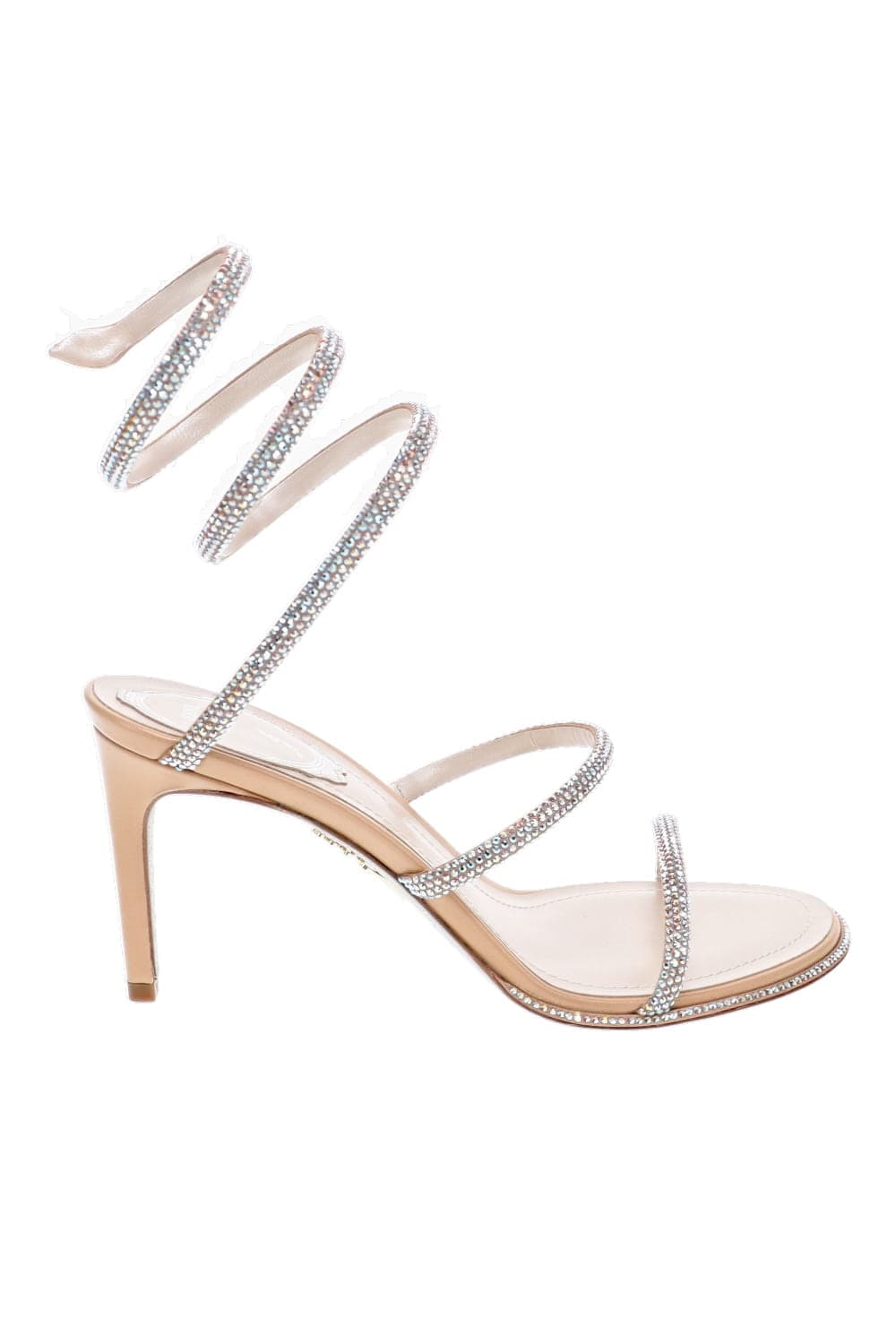
Rene Caovilla shoes often combine delicate leather, suede, crystal details, and sculpted soles. That mix needs a careful method. As someone who has cleaned luxury footwear, I have learned that the bottom of the shoe should be treated like a fine surface, not a rough utility item. This guide explains how to clean bottom of Rene Caovilla shoes without spreading dirt, damaging leather, or loosening decorative details.
What to Know Before Cleaning Rene Caovilla Shoe Soles
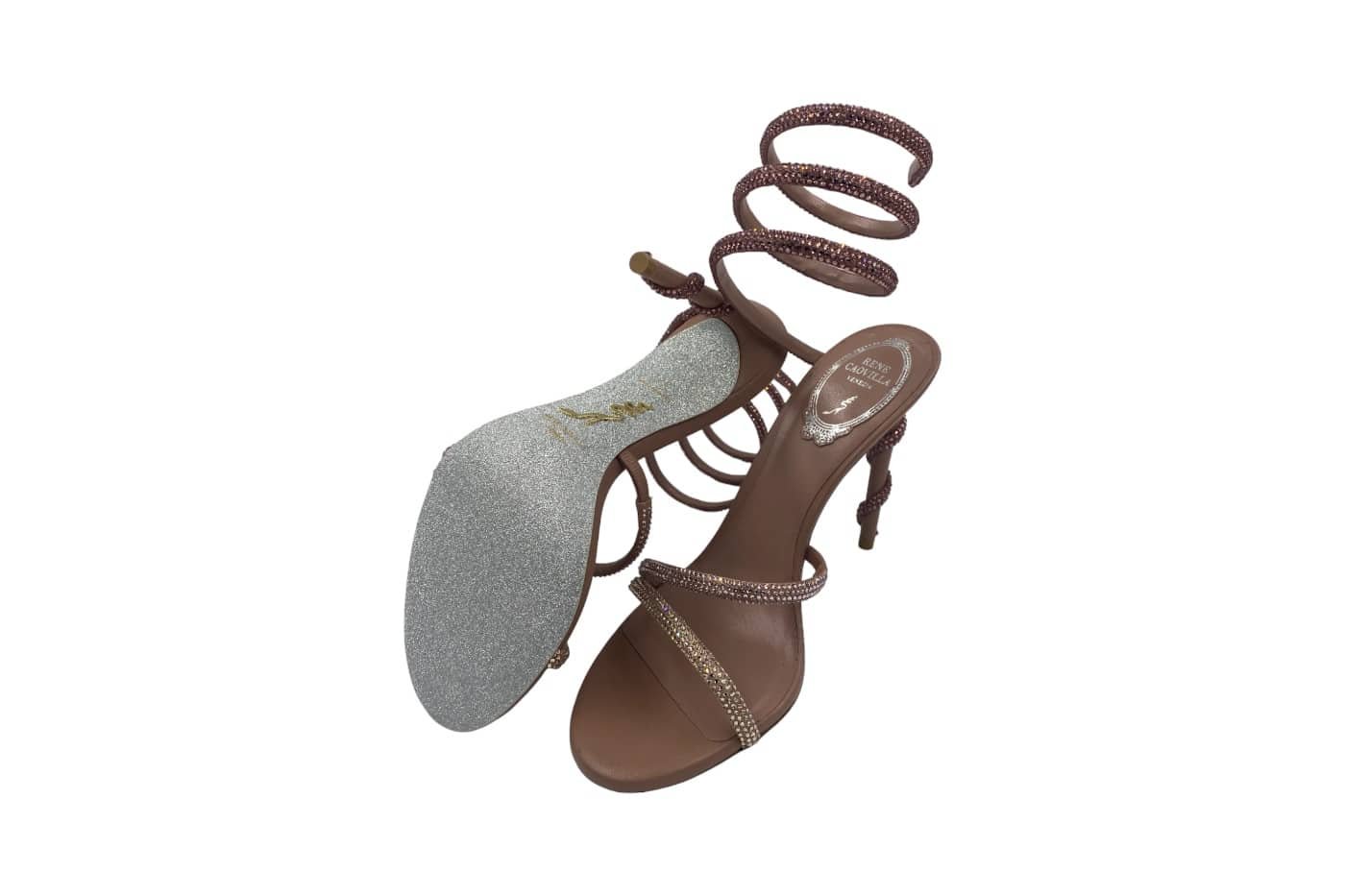
Before learning how to clean bottom of Rene Caovilla shoes, check the sole and upper materials. Some styles have smooth leather soles, rubber inserts, textured synthetic soles, or a combination of materials. The right cleaning method depends on the surface.
Turn the shoe over and inspect it in bright light. Look for dried mud, loose grit, sticky marks, water stains, or dark scuffs. Also check whether the sole is stitched, glued, painted, or decorated.
Keep these points in mind:
• The bottom of the shoe may be leather, rubber, or synthetic material.
• Water can stain unfinished leather and suede.
• Strong cleaners may strip color or weaken adhesive.
• Crystal, metal, and satin details should not be soaked.
• The care instructions supplied with the shoes should always come first.
Luxury shoes need a light touch. Think of the dirt as dust on a camera lens. You want to lift it away, not grind it into the surface.
Supplies for Cleaning the Bottom of Rene Caovilla Shoes
Gather your supplies before you begin. Working with clean tools helps prevent new marks and scratches.
You will need:
• A soft shoe brush or clean, soft toothbrush
• Two white microfiber cloths
• Lukewarm water
• A small bowl
• A few drops of mild soap
• A dry cotton swab
• A clean towel
• A wooden toothpick for deep grooves
• A soft rubber eraser for limited scuff testing
Avoid bleach, alcohol, acetone, household degreasers, rough sponges, and stiff wire brushes. These products can damage color, finish, glue, and surface texture.
Use white cloths when possible. Colored fabric can transfer dye, especially when it becomes damp. This small step prevents a frustrating second problem while learning how to clean bottom of Rene Caovilla shoes.

How to Clean Bottom of Rene Caovilla Shoes Step by Step
The safest method starts dry and uses very little moisture. Do not place the shoes under a running faucet or soak them in a basin.
1. Remove loose dirt
Place the shoes on a clean towel with the soles facing upward. Use a soft brush to sweep away dust, sand, and loose soil.
Brush from the heel toward the toe. Use short strokes around the edge and in the tread. Do not press hard, since grit can act like sandpaper.
For packed dirt in grooves, use a wooden toothpick. Work slowly and lift the dirt out instead of pushing it deeper. Never use a metal pin or knife.
2. Mix a mild cleaning solution
Add lukewarm water to a small bowl. Mix in only two or three drops of mild soap.
The solution should feel barely soapy. Too much soap can leave a film that attracts more dirt. This mild mix is useful for rubber and finished synthetic soles, but it should be used very carefully on leather.
3. Test a hidden area
Dampen a cotton swab or corner of a microfiber cloth. Test it on a small, hidden part of the sole.
Wait several minutes. Check for color transfer, dullness, swelling, or a sticky feel. If the finish changes, stop and use a professional shoe cleaner instead.
A patch test is one of the most important steps in how to clean bottom of Rene Caovilla shoes. It takes less than a minute and can prevent permanent damage.
4. Wipe the sole
Dampen the cloth, then wring it out well. It should be moist, not wet.
Wipe a small section of the sole at a time. Use gentle circular motions on smooth rubber or synthetic material. For textured areas, follow the pattern instead of scrubbing across it.
Rinse the cloth often in clean water. A dirty cloth can spread grime back over the sole.
5. Clean the sole edge
The edge between the sole and the upper often holds dark dirt. Use a damp cotton swab or the corner of the cloth to clean this narrow line.
Keep moisture away from the upper. Water that reaches leather, suede, satin, or crystal details may cause marks or loosen adhesive.
If the dirt is greasy, do not add a stronger chemical at once. Repeat the mild cleaning process instead. Several gentle passes are safer than one harsh pass.
6. Wipe away soap
Use a second cloth dampened with plain water. Wring it out well and wipe the sole to remove soap residue.
Soap left behind can make the sole look cloudy. It can also attract dust as the shoe is worn.
7. Dry the shoes correctly
Pat the sole with a dry towel. Leave the shoes in a cool, dry room with good air movement.
Do not use a hair dryer, radiator, heated floor, or direct sun. Heat can dry leather, distort materials, and affect glue.
Allow the shoes to dry fully before storing or wearing them. Depending on the amount of moisture used, this may take several hours.

How to Clean Different Rene Caovilla Sole Materials
Material identification makes the cleaning process safer. If you are unsure, treat the sole as delicate and use the least amount of water possible.
Smooth leather soles
Smooth leather soles should be cleaned with a nearly dry cloth. Remove dust first, then use a tiny amount of mild leather cleaner only if the product is approved for the leather type.
Do not saturate the sole. After cleaning, a qualified cobbler can advise whether the leather needs a suitable conditioner. Avoid applying oily conditioner near the edge of a satin or suede upper.
When learning how to clean bottom of Rene Caovilla shoes with leather soles, remember that clean does not mean glossy. A naturally worn leather sole may still show marks after safe cleaning.
Rubber soles
Rubber soles are usually more tolerant of gentle soap and water. Use a soft toothbrush for tread lines and a microfiber cloth for flat areas.
A white rubber sole may respond to a soft rubber eraser for light surface scuffs. Test first, and stop if the finish becomes rough or dull.
Do not use abrasive powder. It may remove dirt, but it can also scratch the sole and create a rough surface that holds more grime.
Synthetic soles
Synthetic soles can often be wiped with diluted mild soap. Still, the surface may have a painted or polished finish that reacts badly to chemicals.
Avoid nail polish remover, rubbing alcohol, and strong solvent cleaners. If the sole has a glossy coating, use light pressure and short cleaning passes.
Suede or nubuck near the sole
Suede and nubuck should remain as dry as possible. Use a suede brush on the dry surface and avoid spreading wet dirt toward the upper.
If moisture has already caused a mark, allow the area to dry fully before brushing it. Deep stains may require a professional suede specialist.
Crystal and embellished shoes
Rene Caovilla designs may include crystals, metal accents, or decorative wraps. Keep the cleaning cloth on the sole only.
Do not dip the whole shoe into water. Moisture can enter beneath decorative pieces and weaken the adhesive. A dry cotton swab is safer for dust near small details.
How to Remove Common Marks From the Sole
Different stains need different levels of care. Start with the gentlest option and stop when the mark is gone.
Dry mud
Let the mud dry completely. Brush it away, then use a barely damp cloth for the remaining film.
Trying to wipe wet mud can spread it across the sole and into the seam.
Black scuff marks
Use a dry microfiber cloth first. If the scuff remains on rubber, test a soft rubber eraser with very light pressure.
Do not use the eraser on leather, suede, painted finishes, or decorative areas unless a professional confirms it is safe.
Sticky residue
Lift the residue with the edge of a wooden toothpick. Then dab the area with a slightly damp cloth and mild soap.
Never pour oil or solvent onto the sole. These substances can migrate into the upper and leave a larger stain.
Salt or white marks
Salt marks often appear after contact with winter streets or dried moisture. Brush away the dry residue, then wipe gently with a barely damp cloth.
Do not cover the stain with polish before cleaning. Polish can trap the salt and make the mark harder to remove.
Oil or grease
Blot fresh grease with a clean, dry cloth. Do not rub it.
Grease on leather, suede, or porous material often needs professional treatment. Home cleaners may spread the stain or change the color.

Mistakes to Avoid When Cleaning Designer Shoe Soles
Many shoe problems come from using too much force or too much water. Avoid these common mistakes when learning how to clean bottom of Rene Caovilla shoes.
• Do not soak the shoes.
• Do not put them in a washing machine.
• Do not use bleach or ammonia.
• Do not scrub with a rough kitchen sponge.
• Do not use a toothbrush with hard bristles.
• Do not scrape with a blade.
• Do not dry them with direct heat.
• Do not clean the sole while wearing the shoe.
• Do not use a product before testing it.
• Do not polish over dirt.
One mistake I have seen often is aggressive scrubbing on a white sole. The mark may fade, but the finish becomes uneven. The damaged area then catches light and looks more noticeable than the original dirt.
Another common mistake is cleaning the entire shoe when only the sole is dirty. Targeted cleaning protects the upper and reduces the chance of water stains.

When to Use a Professional Shoe Cleaner
Home cleaning works best for loose dirt, light dust, and mild surface marks. It may not be suitable for deep oil stains, dye transfer, mold, cracked leather, loose crystals, or damaged seams.
Take the shoes to a professional who handles luxury footwear if:
• The sole is separating from the upper.
• Decorative pieces are loose.
• The upper has water rings.
• The sole has deep black stains.
• The material is exotic or unfamiliar.
• The shoe has a strong odor or visible mold.
• You are unsure whether the sole is leather or synthetic.
A professional cobbler can also add a protective sole layer or replace a worn outsole. This may help preserve the original sole and improve grip. However, any alteration can affect the look and value of a designer shoe, so choose a specialist with experience in luxury footwear.
The main limitation of home care is simple: cleaning cannot repair worn material. If the sole is deeply scratched, peeling, or thin, restoration is safer than repeated scrubbing.

How to Keep Rene Caovilla Soles Cleaner
Good maintenance reduces the need for deep cleaning. Wipe light dirt away soon after wearing the shoes, before it becomes compacted.
Store each shoe in its dust bag. Keep pairs away from damp closets, radiators, and rough surfaces. Use tissue paper or a shaped shoe insert to help the shoes keep their form.
Helpful habits include:
• Rotate wear instead of using the same pair every day.
• Avoid puddles, loose gravel, and oily floors.
• Let shoes air out before storage.
• Check the soles after outdoor events.
• Clean small marks early.
• Keep shoes upright and separated.
• Use a professional protector only when it matches the material.
For special events, inspect the walking route when possible. A short walk across wet pavement can create more trouble than an entire evening indoors. Prevention is often the best answer to how to clean bottom of Rene Caovilla shoes.

How Often Should You Clean the Bottom of Rene Caovilla Shoes?
Clean the sole whenever visible dirt appears, but use a full damp cleaning only when needed. Light brushing after each wear can prevent grit from building up.
The right schedule depends on use. Shoes worn indoors may need only occasional dust removal, while shoes worn on city streets may need attention after every outing.
Use this simple guide:
• After light indoor use: brush away dust.
• After outdoor use: inspect and wipe the sole if needed.
• After wet weather: dry the shoe naturally before cleaning.
• After mud exposure: let the mud dry, then brush it away.
• Before long-term storage: clean, dry, and inspect the shoes.
Overcleaning can be harmful. Repeated moisture and rubbing may wear the finish faster than normal use.
Frequently Asked Questions About How to Clean Bottom of Rene Caovilla Shoes
Can I wash Rene Caovilla shoes with water?
Do not wash or soak the full shoe in water. Use a barely damp cloth on the sole only, and protect the upper from moisture.
Can I use dish soap to clean the sole?
A tiny amount of mild dish soap may work on rubber or synthetic soles after a hidden spot test. Avoid it on delicate leather, suede, satin, and embellished areas unless the product is confirmed safe.
How do I clean white Rene Caovilla soles?
Brush off dry dirt first, then wipe the sole with a diluted mild soap solution. Avoid bleach and abrasive powders, as they can yellow, scratch, or dull the surface.
How do I remove black marks from the bottom of designer shoes?
Start with a dry microfiber cloth. On a rubber sole, you can test a soft rubber eraser with light pressure, but do not use it on delicate or coated materials without testing.
Can I use a Magic Eraser on Rene Caovilla soles?
A Magic Eraser is abrasive and may remove the finish along with the mark. It is safer to avoid it, especially on leather, painted soles, and polished surfaces.
How long should the shoes dry after cleaning?
Let them dry naturally in a cool room for several hours. Do not use a hair dryer, heater, or direct sunlight because heat may damage leather and adhesive.
What should I do if the sole is peeling?
Stop cleaning and avoid wearing the shoes. A luxury shoe repair specialist can assess the adhesive and repair the sole without causing further separation.
Conclusion
The safest way to clean bottom of Rene Caovilla shoes is to start dry, use a soft brush, apply minimal moisture, and test every product first. Clean only the sole area, protect delicate uppers, and let the shoes dry away from heat.
Gentle care preserves more than appearance. It helps protect the materials, structure, and decorative details that make these shoes special. Try the careful method above, and share your own shoe-care tips or questions in the comments.

Michael Smith is the Content Strategist behind The Style Hub, where fashion meets function. With a keen eye for trends and a passion for everyday style, he curates content that helps readers make smarter, more stylish choices—from the perfect pair of sneakers to must-have accessories. Michael specializes in breaking down fashion into practical, wearable insights, making style accessible for everyone. When he’s not researching the latest trends, he’s exploring how comfort, innovation, and timeless design come together in modern fashion.


