How Should Basketball Shoes Fit: Find The Perfect Fit
Basketball shoes should fit snugly, hold your heel firmly, and leave a thumb’s width for toe movement.
Knowing how should basketball shoes fit can improve comfort, control, and confidence on the court. The right pair should feel secure without squeezing your foot, sliding at the heel, or blocking natural movement. This guide explains the fit details that matter, from toe space and heel lock to width, socks, sizing, and common mistakes.
How should basketball shoes fit?
Basketball shoes should fit close to your foot, but they should not feel painfully tight. Your foot should stay centered inside the shoe during sprints, jumps, hard stops, and side-to-side cuts.
A good fit has three main parts:
• The heel stays locked in place.
• The middle of the foot feels supported.
• The toes can move slightly without hitting the front.
Think of the shoe as a secure glove for your foot. It should move with you, not fight you. If your foot slides inside the shoe, your ankle and toes must work harder to stay stable.
How should basketball shoes fit also depends on your foot shape. A player with wide feet may need a wider model, while someone with a narrow heel may need a shoe with stronger heel padding or a better lacing system.
A snug fit is helpful, but a smaller size is not always better. Basketball shoes often feel firm when new because the upper and cushioning have not softened. However, they should feel comfortable from the first try. Breaking in a painful shoe rarely fixes a poor fit.
How much space should be in basketball shoes?
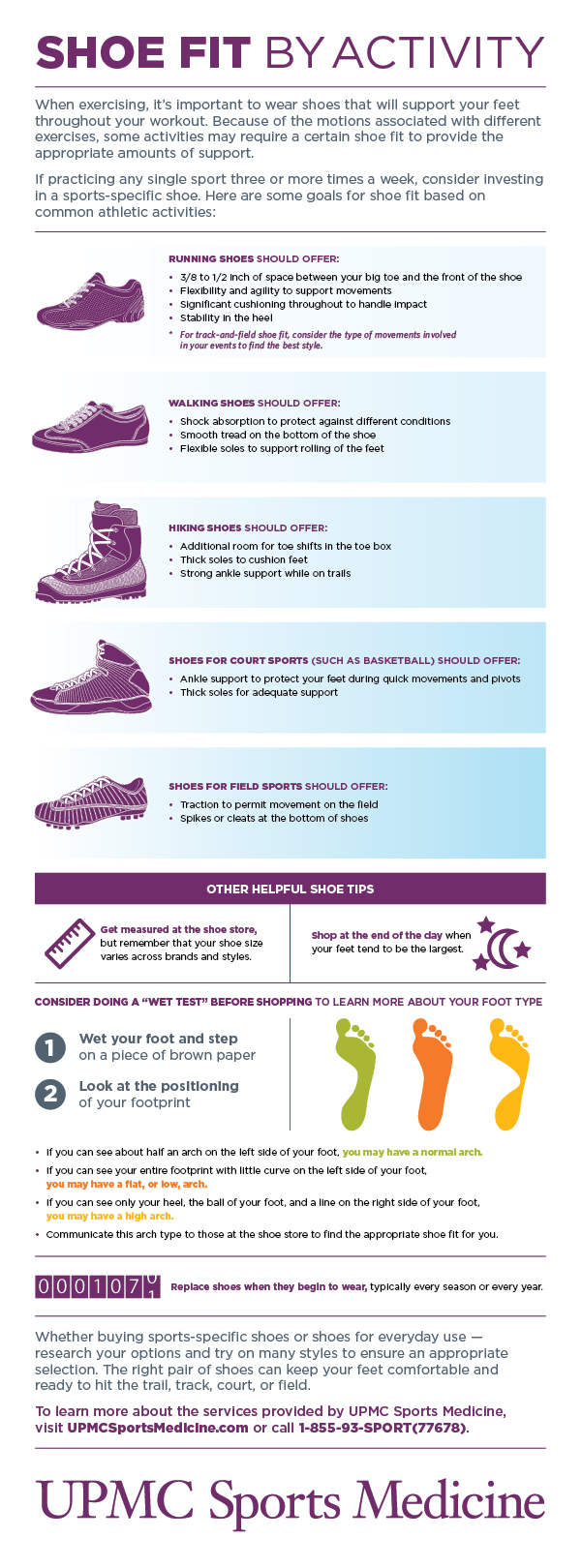
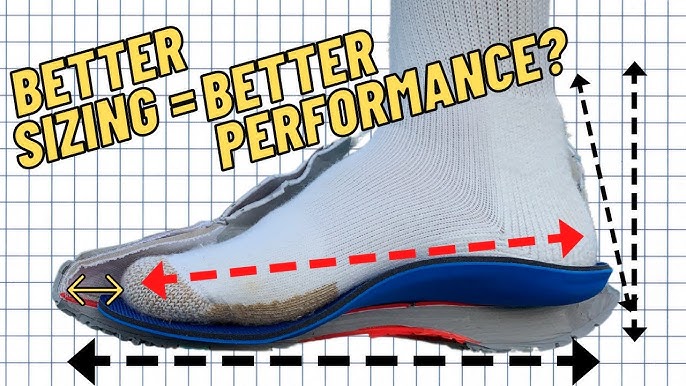
Most players need about a thumb’s width, or roughly ⅜ to ½ inch, between the longest toe and the front of the shoe. This space allows your foot to move naturally when you run, land, and stop.
Do not judge space by your big toe alone. Some people have a second toe that is longer than the big toe. Check the longest toe on each foot.
To test the space:
-
Stand up with your weight spread evenly across both feet.
-
Press your foot forward inside the shoe.
-
Place your thumb between your heel and the back of the shoe.
-
Check the gap between your longest toe and the front.
Your toes should not touch the front when you stand or walk. A tiny amount of movement is normal. Too much space can make your foot slide, especially during quick changes of direction.
Feet also swell during long practices and games. For this reason, test basketball shoes later in the day when your feet are slightly larger. This simple step can prevent a pair from feeling fine in a store but tight during the fourth quarter.

How should basketball shoes fit around the heel?
The heel should feel locked down without pain. When you walk, your heel should not lift more than a small amount. During a jump or cut, it should remain centered over the shoe’s base.
Heel movement can cause blisters, rubbing, and a loss of control. It may also make you tighten the laces too much, which can create pressure across the top of your foot.
Try these checks:
• Walk forward and backward.
• Rise onto your toes.
• Perform a few controlled side steps.
• Try a quick stop if the store allows it.
If your heel slips, try the top eyelet or a heel-lock lacing method. This uses the final eyelets to create a small loop that holds the heel in place. If the heel still moves, the shoe may be too large or too wide in the rear.
A secure heel does not mean crushing your Achilles tendon. You should be able to bend your ankle and move naturally. The collar should support the area without digging into it.

How should basketball shoes fit in the toe box?
The toe box should let your toes spread and flex. It should not pinch the sides of your foot or press down on your toenails.
A narrow toe box can cause hot spots, blisters, numbness, and sore toenails. Over time, repeated pressure may also worsen problems such as bunions or hammertoes. A wide toe box is not automatically better, though. If it is too loose, your foot can slide during sharp cuts.
Check the toe box while standing, not only while sitting. Your foot becomes longer and wider when it bears weight. Try bending your knees and moving into a defensive stance. This position often reveals pressure that you may not notice while upright.
Players with wide feet should look for basketball shoes labeled as wide or models known for a roomier forefoot. Do not assume that going up a full size will solve a width problem. A longer shoe may create excess space in front while still squeezing the sides.
The best fit gives your toes room to spread but keeps your foot from drifting. Your toes should feel relaxed, not trapped or swimming inside the shoe.

How should basketball shoes fit across the midfoot?
The midfoot should feel held in place by the upper and laces. You should feel even pressure across the foot, with no sharp spot or tight band.
A loose midfoot can allow your foot to shift from side to side. That movement may reduce your control when you plant for a jump shot or drive toward the basket. A very tight midfoot can cause tingling, numbness, or pain on the top of the foot.
Lace the shoes as you would for a game. Do not leave them loose during testing. At the same time, avoid pulling the laces as hard as possible. Tighten them enough to secure the foot, then walk and move for several minutes.
Different lacing patterns can change the fit:
• Skip an eyelet over a pressure point.
• Use a tighter lace pattern near the ankle for more heel control.
• Use a looser pattern across the forefoot if your toes feel crowded.
If you have a high instep, look for a shoe with an adjustable upper and enough vertical room. If your foot is narrow, a structured upper and more eyelets may help create a closer fit.
Should basketball shoes fit tight or loose?
Basketball shoes should fit snugly, not tight and not loose. “Snug” means the shoe holds your foot in place while allowing normal circulation and toe movement.
A tight shoe may feel stable at first, but it can create pain during a long session. A loose shoe may feel comfortable while standing but become unstable when you sprint or cut.
Use these signs to judge the difference:
• Snug fit: Your foot feels secure, with no painful pressure.
• Too tight: Your toes go numb, your foot tingles, or the upper leaves sharp marks.
• Too loose: Your heel lifts, your foot slides, or you must over-tighten the laces.
Your feet should not feel trapped. You should also avoid relying on thick socks to fill a shoe that is too large. Socks can change the feel, but they cannot fully correct the wrong size or shape.
When people ask how should basketball shoes fit, the simplest answer is this: choose the smallest comfortable size that gives your longest toe enough space and keeps your heel stable.

How to check basketball shoe fit at home
You can perform a useful fit test at home before wearing the shoes outdoors. Wear the same socks you plan to use for basketball, then lace both shoes evenly.
Follow this process:
-
Stand still for one minute.
-
Walk across the room.
-
Walk backward and rise onto your toes.
-
Bend into a defensive stance.
-
Take several controlled side steps.
-
Jump lightly and land with soft knees.
-
Check for rubbing, pressure, sliding, or numbness.
Keep the shoes on for at least 10 to 15 minutes. Some fit problems appear only after your feet warm up and swell. Pay close attention to the little toes, heel, arch, and top of the foot.
Try both shoes because feet are rarely the exact same size. Many people have one foot that is slightly longer or wider. Fit the larger foot first, then adjust the smaller foot with lacing or an insole if needed.
One fitting mistake I often see is testing shoes while sitting down. Your feet spread under body weight, so a shoe that feels roomy in a chair may feel short or narrow once you stand.

Does basketball shoe size match regular shoe size?
Basketball shoe size does not always match your regular shoe size. Brand shapes, shoe materials, cushioning systems, and width designs can all change the fit.
Use your regular size as a starting point, not a final answer. Check the brand’s size chart and read current customer feedback for comments about length and width. Product names such as “wide,” “low volume,” or “roomy fit” may also offer useful clues.
Measure your feet if you are buying online:
• Place a sheet of paper on a hard floor.
• Stand on it with your heel against a wall.
• Mark the end of your longest toe.
• Measure both feet from the wall to the mark.
• Use the larger measurement with the brand’s chart.
Measure while wearing the socks you will use on the court. If your measurement falls between sizes, compare the brand’s fit notes. Some players prefer the larger size for more room, but only if they can secure the heel well.
Sizing can also change by model. A size 10 in one basketball shoe may not feel the same as a size 10 in another. Fit matters more than the printed number.
How socks and insoles affect basketball shoe fit
Socks can change how should basketball shoes fit more than many players expect. Thin socks create more room, while thick socks add pressure and can make a close-fitting shoe feel too small.
For basketball, choose socks that fit smoothly and do not bunch under the toes or heel. Moisture-wicking material can help reduce wet friction, although it does not replace a proper shoe fit.
Insoles can also change the internal space. A supportive insole may improve comfort for some players, but it can raise your foot and reduce room across the top. Test the shoes with the exact insole you plan to use.
If you use custom orthotics, bring them when shopping. A shoe that fits well with its original insole may become too tight after an orthotic is added. Look for a removable insole and enough depth inside the upper.
Do not use multiple pairs of socks to fix a loose shoe. This may create pressure and reduce your foot’s ability to move. Correct the size or choose a different shape instead.
How should basketball shoes fit for different playing styles?
Your position does not completely determine fit, but your movement style can affect what you value most. Guards often want a secure, close fit for quick cuts and fast transitions. Bigger players may prefer more room, cushioning, and support for repeated landings.
A fast guard should pay close attention to heel lock and midfoot security. A small amount of movement inside the shoe can feel obvious during rapid changes of direction.
A forward or center may place more force through the forefoot and heel. The shoe still needs a secure fit, but adequate cushioning and a stable base may matter more than an especially low or tight design.
Outdoor players should also consider surface and wear. Outdoor courts can be rough, so outsole durability matters. However, a durable outsole cannot compensate for a shoe that slips inside or causes pain.
The safest approach is to choose fit first, then compare cushioning, traction, weight, and support. Features are useful only when the shoe stays properly connected to your foot.
Common basketball shoe fit mistakes
A poor fit often comes from a small mistake during shopping. Avoid these common problems:
• Buying a size too small because the shoe feels “locked in.” Pain is not stability.
• Choosing a longer size to gain width. This can cause heel slip and toe sliding.
• Testing shoes with casual socks instead of game socks.
• Trying only one shoe. Your feet may differ in length or width.
• Shopping early in the morning when feet are at their smallest.
• Ignoring numbness or tingling. These can signal excessive pressure.
• Assuming the shoe will stretch a full size. Most modern basketball uppers soften slightly, but they do not usually transform their shape.
• Wearing new shoes in a full game before testing them. A short practice can reveal problems with less risk.
I once saw a player blame sore toes on “weak feet” when the real issue was a short toe box. Moving to a wider model solved the pressure within one practice. The lesson is simple: listen to your feet before blaming your body or your playing style.
Signs your basketball shoes do not fit
Your feet often tell you when the fit is wrong. Pay attention to pain that appears during or after activity.
Common warning signs include:
• Heel blisters or repeated rubbing.
• Black or sore toenails.
• Numb toes or tingling across the foot.
• Pain along the sides of the forefoot.
• A burning sensation under the ball of the foot.
• Your foot sliding forward during stops.
• Your heel lifting during sprints.
• Needing to tighten the laces until they hurt.
• Feeling unstable even on a clean, dry court.
Some discomfort may come from a new shoe, but sharp pain is not normal. Stop using the pair if it causes repeated symptoms. A medical professional, podiatrist, or qualified athletic trainer can help if pain continues after changing shoes.
Basketball shoes cannot prevent every injury. Fit is one part of performance, along with strength, warm-ups, landing technique, court conditions, and proper training.
How long should basketball shoes feel comfortable?
Basketball shoes should feel comfortable during a full practice, not just during a short try-on. New shoes may feel firm, but they should not cause hot spots or pain after 10 to 15 minutes.
Wear them for short sessions at first. Start with shooting and light movement, then increase the intensity. This lets you identify rubbing before a long game turns it into a blister.
Watch for changes as the shoes age. Foam can compress, the upper can loosen, and the outsole can lose traction. When the shoe no longer holds your foot securely, the original fit may be gone even if the size has not changed.
Replace basketball shoes when you notice:
• Worn traction that causes slipping.
• Flattened or uneven cushioning.
• A loose upper that no longer locks the foot.
• Torn seams or damaged eyelets.
• New pain in your knees, ankles, or feet.
There is no universal replacement date. Heavy players, frequent players, and outdoor athletes may wear shoes out faster. Inspect the outsole and cushioning often rather than relying only on time.
How to improve the fit of basketball shoes
If the size is correct but the fit needs a small adjustment, try simple changes before returning the shoes.
• Use a heel-lock lacing method if the heel slips.
• Loosen the forefoot eyelets if the top of your foot feels pressured.
• Wear smooth, well-fitting basketball socks.
• Test a different insole if the original one feels flat or uncomfortable.
• Use a small heel pad only when the shoe has enough room and the issue is minor.
• Select a wider or narrower model when the shape does not match your foot.
Do not add thick inserts, extra socks, and tight lacing all at once. These changes can create new pressure. Make one adjustment, walk and move in the shoes, then judge the result.
If the shoe still causes pain, return it when possible. No lacing trick can fix a shoe that is too short, too narrow, or built for a foot shape unlike yours.
Frequently Asked Questions: How should basketball shoes fit?
Should basketball shoes fit bigger than running shoes?
Basketball shoes should not automatically fit bigger than running shoes. Choose enough room for your longest toe, but make sure the heel and midfoot remain secure during cuts and jumps.
Should my toes touch the front of basketball shoes?
Your toes should not touch the front when you stand, walk, or land. Leave about a thumb’s width of space beyond your longest toe so your foot can move without hitting the shoe.
How tight should I lace basketball shoes?
Lace basketball shoes firmly enough to hold your foot in place, but not so tightly that you feel numbness, tingling, or sharp pressure. Use the upper eyelets for heel security and adjust the forefoot area for comfort.
Is heel slip normal in basketball shoes?
A small amount of movement may occur while walking, but noticeable heel lifting during cuts or jumps is not ideal. Try heel-lock lacing, and choose a smaller or narrower model if the slipping continues.
Should basketball shoes feel uncomfortable at first?
Basketball shoes may feel firm when new, but they should not cause pain, numbness, or hot spots. Comfort should improve with short break-in sessions, not require you to tolerate serious discomfort.
Can I wear thick socks if my basketball shoes are too loose?
Thick socks may reduce minor movement, but they are not a reliable fix for shoes that are too large. They can also create pressure, heat, and friction, so a better size or shoe shape is usually the safer choice.
How do I know if basketball shoes are too narrow?
A shoe may be too narrow if it squeezes the sides of your foot, presses your little toe, or causes numbness and burning. Try a wider model instead of simply buying a longer size.
Conclusion
The answer to how should basketball shoes fit is clear: they should feel snug, stable, and comfortable, with a secure heel, supported midfoot, and about a thumb’s width of space in front of your longest toe.
Test both shoes while standing, wear your real basketball socks, and move through game-like positions before making a decision. Do not ignore pain, numbness, heel slip, or toe pressure. The best basketball shoe is not the most expensive model; it is the one that matches your foot and stays secure when the game speeds up.
Use these checks during your next shoe fitting, then share your experience or explore more footwear guides to make your next court purchase with confidence.

Michael Smith is the Content Strategist behind The Style Hub, where fashion meets function. With a keen eye for trends and a passion for everyday style, he curates content that helps readers make smarter, more stylish choices—from the perfect pair of sneakers to must-have accessories. Michael specializes in breaking down fashion into practical, wearable insights, making style accessible for everyone. When he’s not researching the latest trends, he’s exploring how comfort, innovation, and timeless design come together in modern fashion.