How Much Wider Are Wide Shoes: Width Guide & Fit Tips
Wide shoes are usually one width step wider, often adding about 3/16 to 1/4 inch, depending on size and brand.
The answer sounds simple, but shoe width is not measured by one universal rule. A wide shoe may feel much roomier across the ball of the foot, while another may add only a small amount of space. This guide explains how much wider wide shoes are, how US width letters work, how to measure your feet, and how to choose a fit that feels supportive rather than loose.
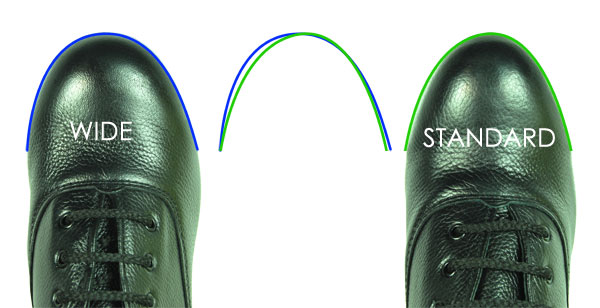
What does “wide shoe” mean?
A wide shoe has more space across the forefoot than the standard version of the same shoe. The extra room usually appears around the toe box, ball of the foot, and sometimes the midfoot.
A wide shoe is not normally longer than a regular shoe. It is wider from side to side. Think of it as widening a hallway without making it longer.
In the United States, shoe widths are shown with letters. The most common width labels include:
• A or 2A: Narrow widths, often used in women’s shoes
• B: Standard width for many women’s shoes
• D: Standard width for many men’s shoes
• D: Often a wide width in women’s shoes
• 2E or EE: Wide width in many men’s shoes
• 2E: Extra-wide width in many women’s shoes
• 4E or EEEE: Extra-wide width in many men’s shoes
• 6E and wider: Specialty extra-wide sizes
These labels are useful, but they are not perfectly consistent. A 2E shoe from one brand may fit like an EE or even a 4E from another brand. The shoe’s shape, materials, toe box, and internal mold all affect the final fit.

How much wider are wide shoes?
Wide shoes are often about 3/16 to 1/4 inch wider than standard shoes at the widest part. However, the exact difference changes with the shoe size, brand, width system, and design.
A larger shoe may show a greater total width difference than a smaller shoe. This happens because width grading usually increases as shoe length increases. For example, the difference between a regular and wide size 8 may not match the difference between a regular and wide size 12.
Here is a general guide for common US widths:
| Width label | Common meaning | Typical use |
|---|---|---|
| B | Standard women’s width | Regular women’s fit |
| D | Wide women’s or standard men’s width | Depends on the shoe |
| 2E | Extra-wide women’s or wide men’s width | Roomier forefoot |
| 4E | Extra-wide men’s width | Very broad feet |
| 6E | Specialty extra-wide width | Feet needing substantial room |
These measurements are estimates, not guarantees. Shoe makers do not all use the same last, which is the mold used to shape a shoe. That is why two shoes marked “wide” can feel very different.
If you are asking how much wider wide shoes are in practical terms, the answer is usually one width step, not a dramatic expansion. The change may feel small on paper but can make a major difference when your toes are pressed together.

How wide shoes compare with regular shoes
A regular shoe follows the brand’s standard width for that length. A wide shoe keeps a similar heel length but adds space in selected areas.
The extra width may be placed in different parts of the shoe:
• Toe box: More room for the toes to spread
• Ball area: Less pressure over the widest part of the foot
• Midfoot: More space for a broad arch or high instep
• Heel: Sometimes wider, though many wide shoes keep the heel fairly secure
Not every wide shoe adds space in every area. Some models have a wide forefoot but a normal heel. Others are wide from heel to toe. This difference matters because a roomy toe box can feel comfortable, while a loose heel can cause slipping and blisters.
A useful fitting lesson is to look at where your foot feels tight. If the pressure is only over your toes, choose a shoe with a broader toe box. If the sides of your whole foot feel squeezed, you may need a true wide or extra-wide width.
Wide shoes should not feel like oversized shoes. Your heel should stay in place, your toes should move freely, and the sides should not bulge over the sole.

How US shoe width letters work
US shoe width letters can be confusing because the same letter does not always mean the same thing for men and women.
For many women’s shoes, B is considered standard. A D width is often labeled wide. For many men’s shoes, D is standard, while 2E is usually wide. This difference means you should always check the brand’s width chart before ordering.
A simple comparison looks like this:
• Women’s standard: B
• Women’s wide: D
• Women’s extra wide: 2E or 4E
• Men’s standard: D
• Men’s wide: 2E
• Men’s extra wide: 4E or 6E
Some brands use words instead of letters. You may see “wide,” “W,” “extra wide,” “XW,” or “XXW.” These terms can vary from one company to another.
European shoe sizes often use different width systems. A US wide shoe does not convert perfectly to a European width label. If you buy imported shoes, use the brand’s foot length and width measurements rather than relying only on the size number.

Why do people need wide shoes?
Many people need wide shoes because their feet are naturally broad. Others develop a need for extra space due to swelling, foot changes, activity, or certain medical conditions.
Common reasons include:
• Naturally broad feet
• Bunions or bunionettes
• Hammertoes or curled toes
• Flat feet and increased foot spread
• Pregnancy-related swelling
• Standing for long hours
• Exercise that causes temporary foot expansion
• Diabetes-related foot concerns
• Arthritis or joint pain
• Feet that swell during the day
Feet often become slightly longer and wider as the day goes on. Walking and standing can also make the arch flatten, which causes the foot to spread. This is why a shoe that feels fine in the morning may feel tight by late afternoon.
A shoe that is too narrow can create pressure, rubbing, redness, and numbness. It may also encourage you to change the way you walk. Proper width does not treat a foot condition, but it can reduce avoidable pressure.
People with diabetes, poor circulation, nerve loss, or ongoing foot pain should ask a qualified health professional for individual advice. A comfortable shoe is important, but it cannot replace medical care.

How to measure your foot width at home
Measuring your foot can help you find a better starting point. It will not replace trying on shoes, because brands use different shapes, but it can narrow your choices.
Follow these steps:
- Place a sheet of paper on a hard floor.
- Wear the socks you plan to use with the shoes.
- Stand with your full weight on the paper.
- Trace around your foot, or ask someone else to trace it.
- Measure the distance from the widest left point to the widest right point.
- Measure both feet.
- Use the larger foot when checking a brand chart.
Measure at the end of the day if your feet swell. Keep the pencil straight up while tracing. Tilting it inward can make your foot look smaller.
Do not measure only while sitting. Your foot spreads under body weight, so a standing measurement is more useful.
Your feet may not match. It is common for one foot to be slightly longer or wider. Fit the larger foot and use the laces, an insole, or a small heel grip to fine-tune the smaller side.

Signs that you need wide shoes
Your feet may need wide shoes if you notice repeated pressure in the same places. Look for signs that appear during normal walking, not just after intense activity.
Possible signs include:
• Toes touching or overlapping
• Red marks along the sides of your feet
• Blisters near the little toe or big toe
• A bunion rubbing against the shoe
• Numbness or tingling
• Your foot spilling over the edge of the sole
• Laces that seem too short or spread far apart
• Pain that improves when you remove your shoes
• A feeling that your toes cannot spread
A common mistake is buying a longer shoe to gain more width. This may give your toes extra room, but it can also make your heel slide and your foot move forward. Choosing the correct width is usually safer than simply sizing up.
Another mistake is assuming that soft material fixes a narrow fit. Flexible mesh may stretch, but it should not be expected to solve strong pressure or deformity.

How to choose the right wide shoe
Start with the width, then check the full fit. A shoe can be wide enough but still unsuitable if the heel slips or the arch support feels wrong.
Use this checklist:
• Shop later in the day when feet are largest
• Try on both shoes
• Wear your usual socks or orthotics
• Leave about a thumb’s width in front of the longest toe
• Make sure your toes can wiggle
• Check that the sides do not press into your foot
• Walk on a firm surface for several minutes
• Look for heel movement that is small, not excessive
• Compare the shoe with your foot shape
Laces often provide a more adjustable fit than slip-on shoes. A wide toe box may help if your forefoot is broad, while a deeper shoe may work better if you have a high instep.
For running and walking shoes, your feet may swell during longer activity. Many people need more room for exercise than for short daily trips. Still, a shoe should not feel loose enough for your foot to slide inside.
From practical fitting experience, the best test is simple: walk, stop, bend, and walk again. A shoe may feel fine while standing still but reveal pressure when your foot bends. I have also found that people often focus on the label and ignore the shape. The shape usually matters more than the word “wide” printed on the box.

Are wide shoes wider in the heel too?
Not always. Some wide shoes add most of the space in the front, while others increase the width across the entire shoe.
A wide heel can be helpful for a broad foot, but it may cause slipping if your heel is narrow. Look for designs with secure lacing, padded collars, or a structured heel counter.
You can test heel fit by walking uphill or down a few steps. If your heel lifts noticeably each time, the shoe may be too large or too wide in the back.
A snug heel and a roomy forefoot are often the ideal combination. This gives your foot space where it needs it without allowing unnecessary movement.