What Is The Vamp Of A Shoe: Complete Guide
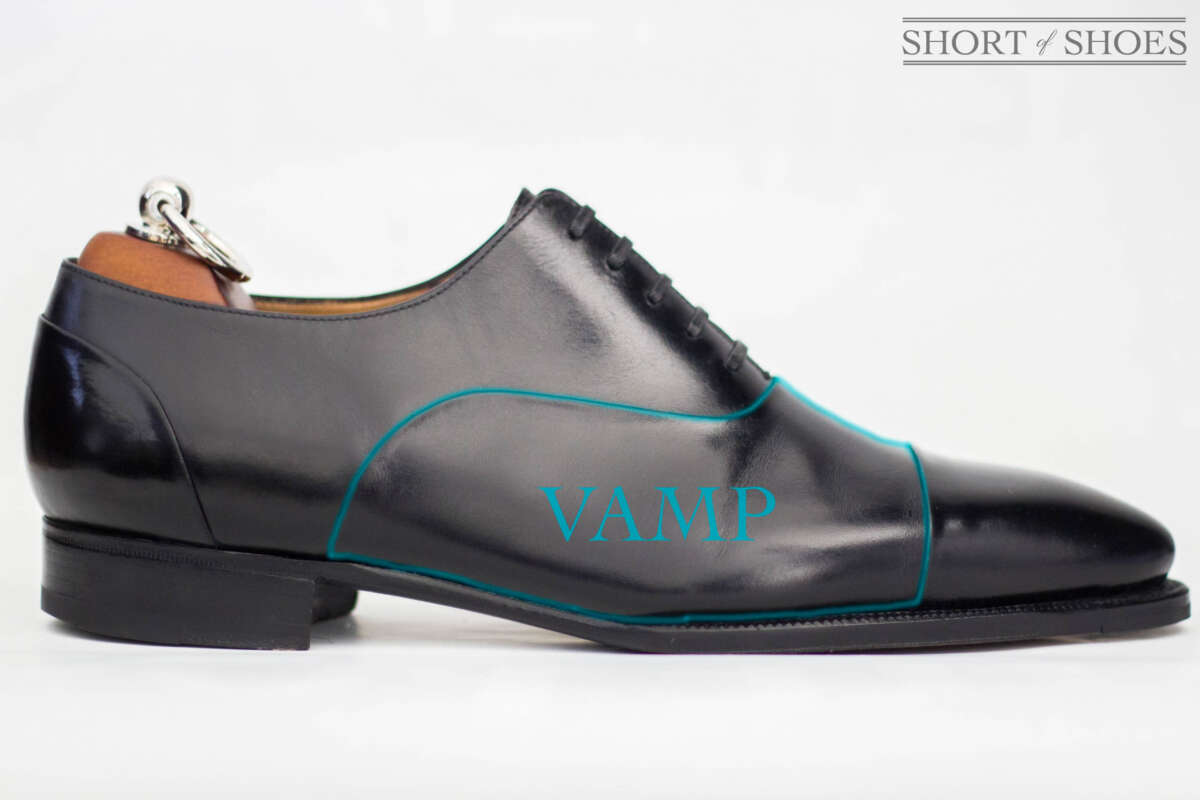
The vamp of a shoe is the upper section that covers the top of your foot, from the toe area toward the instep.
If you have ever wondered why one pair of shoes feels snug across the top while another feels loose, the vamp is often the reason. As a key part of shoe anatomy, the vamp affects fit, comfort, support, style, and even how a shoe bends as you walk. This guide explains what the vamp of a shoe is, how it works, the main types, and how to choose the right design for your feet.
What Is the Vamp of a Shoe?
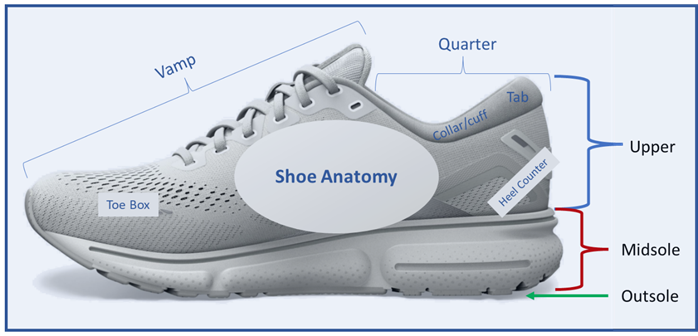
The vamp of a shoe is the part of the upper that covers the top of the foot. It usually begins near the toe box and extends back toward the shoe’s opening, tongue, or instep area.
In simple terms, the vamp is like a bridge between the toe and the rest of the shoe. It holds the foot in place while allowing the shoe to bend during each step.
The exact shape of the vamp changes from one shoe style to another. For example:
• A sneaker may have a soft, padded vamp made from mesh or fabric.
• A dress shoe often has a smooth leather vamp with clean stitching.
• A boot may use a tall vamp that connects to the quarters and shaft.
• A loafer usually has a wide vamp with a decorative strap or seam.
The vamp is not the same as the sole, heel, or tongue. It is part of the upper, which is the section of the shoe that wraps around the foot.
Where Is the Vamp Located?
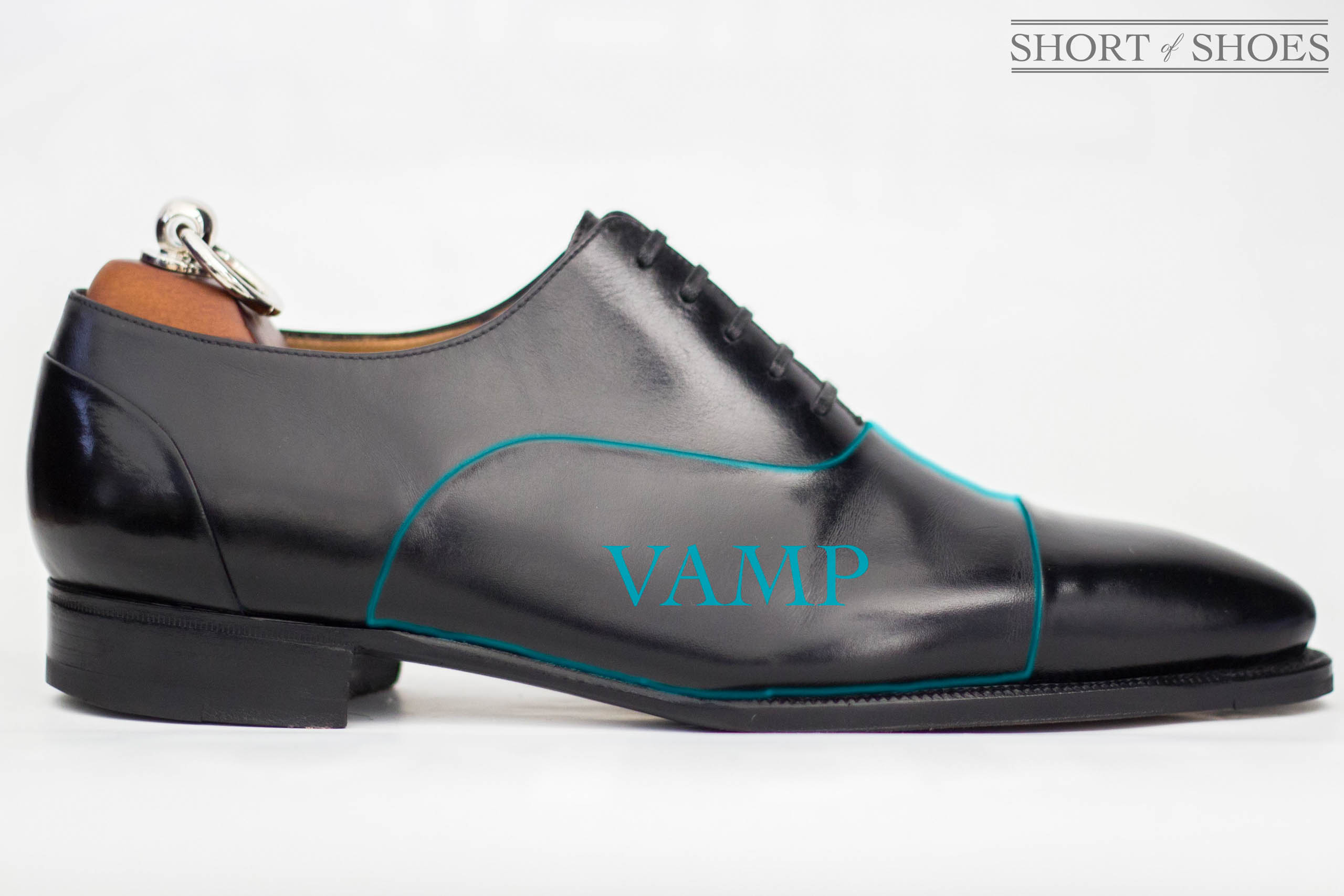
The vamp sits on the upper part of the shoe, directly above your toes and the front of your foot. Its back edge may meet the tongue, eyelets, quarters, or shoe opening, depending on the design.
To find the vamp, place a shoe on a flat surface and look at the section that covers the top of the foot. The area between the toe cap and the laces is usually part of the vamp.
Some shoes have a clear vamp because the stitching shows its outline. Other shoes use one continuous piece of material, so the vamp blends into the rest of the upper.
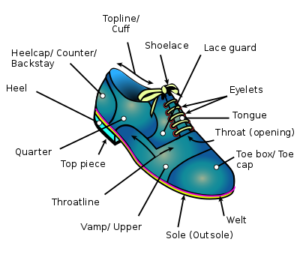
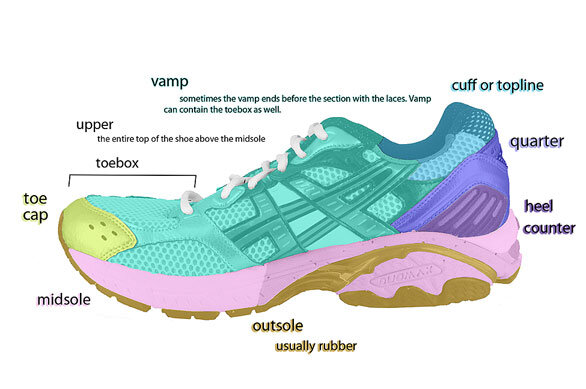
Here are common parts that may connect to the vamp:
• Toe box: The front section that gives your toes room.
• Toe cap: An extra piece placed over the toe area for style or protection.
• Quarters: The side and rear sections of the upper.
• Tongue: The padded or unpadded flap beneath the laces.
• Eye stay: The section that holds the eyelets for the laces.
The vamp of a shoe may overlap or connect with several of these parts. Shoe patterns differ, so there is no single outline used for every style.
Why Does the Vamp Matter?
The vamp of a shoe has a major effect on how the shoe feels. It controls how much space your foot has above the toes and across the instep.
A vamp that is too low can press against the top of your foot. This may cause rubbing, numbness, or pressure during long walks. A vamp that is too loose may let your foot slide forward, which can create blisters around the heel or toes.
The vamp also helps control movement. It holds your foot down as the sole bends, so your heel does not lift too much with every step.
Key benefits of a well-designed vamp include:
• Better foot security while walking.
• More even pressure across the top of the foot.
• Improved comfort during long periods of wear.
• A cleaner and more attractive shoe shape.
• Better control of the foot inside the shoe.
In my experience, many fit problems blamed on shoe size are really vamp problems. A shoe can have the correct length but still feel uncomfortable because the vamp is too shallow, too stiff, or poorly shaped for the wearer’s instep.

Types of Shoe Vamps
Shoe vamps vary by construction, height, material, and purpose. Knowing the main types can make shopping much easier.
Low Vamp
A low vamp covers less of the foot and leaves more of the toes or upper foot visible. Ballet flats, some sandals, and low-cut dress shoes often use this design.
Low vamps can look light and elegant. However, they may provide less support for people who need firm foot control.
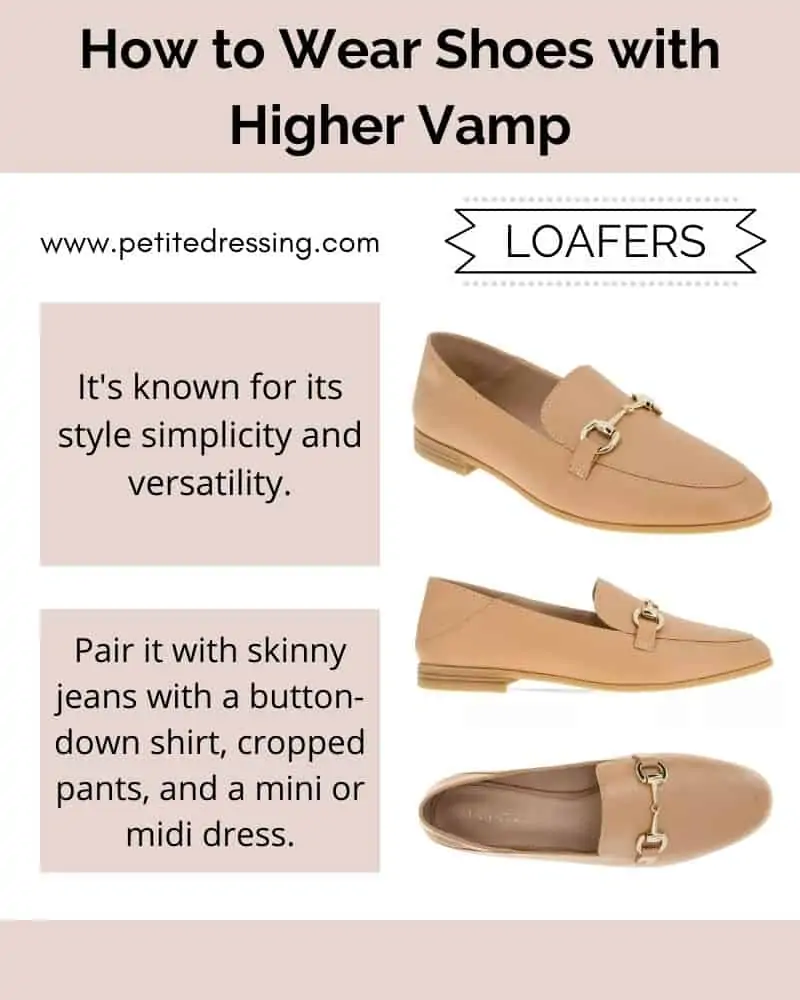
High Vamp
A high vamp covers more of the foot and may reach farther toward the ankle. Boots, moccasins, and some work shoes often have high vamps.
A high vamp can provide a secure feel. It may also suit people with narrow feet because it helps reduce foot movement inside the shoe.
Full Vamp
A full vamp is made from one main piece that covers the front and top of the shoe. This design creates a smooth look with fewer seams.
Full vamps are common in formal leather shoes. They can look refined, but the material needs a good fit because there are fewer seams to help shape the shoe.
Split Vamp
A split vamp uses two or more pieces joined by stitching. The seam may run down the center or across the top of the shoe.
This style can add visual detail and make the upper easier to shape. It is common in sneakers, casual shoes, and many traditional leather designs.
Moccasin Vamp
A moccasin vamp wraps around the front of the foot and may extend upward toward the sides. It often has visible stitching around the toe or along the upper.
This design can feel flexible and relaxed. It is often used in loafers, driving shoes, and casual moccasins.
Apron Vamp
An apron vamp has stitching that outlines the front part of the shoe. The seam may resemble an apron placed over the toe.
Apron vamps are common in loafers, casual leather shoes, and moc-toe boots. They add character and can help shape the front of the upper.
How the Vamp Affects Shoe Fit
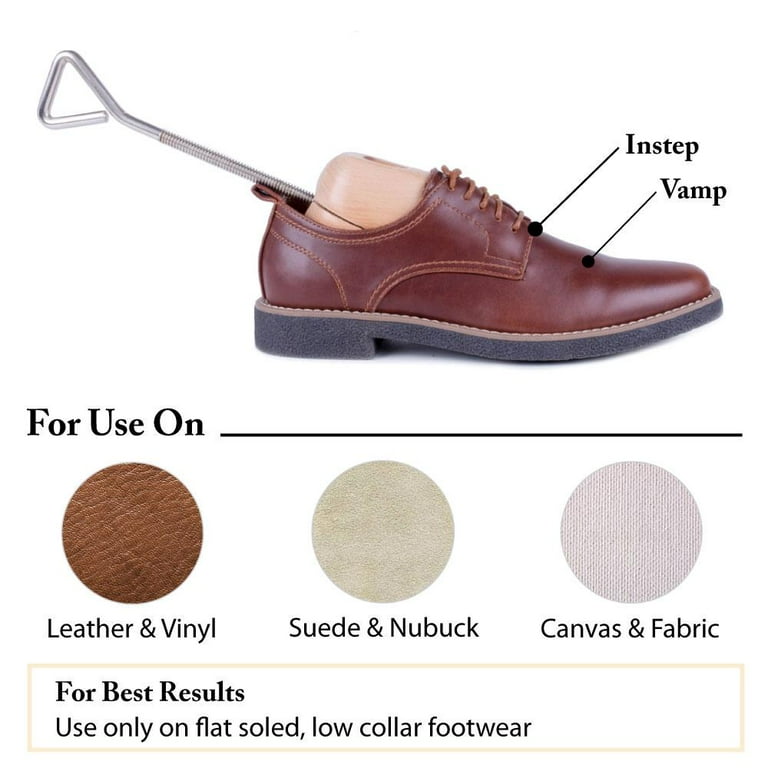
The vamp of a shoe must match the height and shape of your foot. This is especially important if you have a high instep, wide forefoot, bunions, or sensitive skin.
A high instep means the top of your foot rises more than average. People with high insteps may need a taller vamp or adjustable laces. A low instep may require a lower vamp or extra tightening to prevent the foot from sliding.
Use these fit checks when trying on shoes:
-
Try shoes at the end of the day. Feet often swell slightly after normal activity.
-
Wear the socks you plan to use with the shoes.
-
Check for pressure across the top of your foot.
-
Walk on a firm surface for several minutes.
-
Make sure your toes can move without touching the front.
-
Look for heel movement. A small amount can be normal, but excessive slipping may signal poor fit.
-
Check that the vamp bends near the ball of your foot, not directly under your toes.
The vamp of a shoe should feel secure but not tight. You should not need to “break in” severe pressure or sharp rubbing. Leather may soften, but it will not always stretch enough to correct a poor shape.
Vamp Materials and Construction
Manufacturers make vamps from many materials. Each one changes the shoe’s comfort, strength, breathability, and appearance.
Leather
Leather is a popular vamp material because it is durable and can shape itself to the foot over time. Full-grain leather is strong, while softer leather may feel comfortable sooner.
Leather does not automatically guarantee a good fit. A stiff leather vamp can still create pressure if the pattern is too low or narrow.
Mesh
Mesh is common in running shoes and walking shoes. It allows air to move through the upper and often feels light on the foot.
Mesh vamps may offer less protection from water, dirt, and sharp objects. They can also stretch more than leather, which may reduce support over time.
Synthetic Materials
Synthetic leather and engineered fabrics offer consistent shape and lower cost. Many modern performance shoes use synthetic materials that resist water and dry quickly.
The quality can vary. Some synthetic vamps feel flexible and breathable, while others may trap heat or create friction.
Canvas
Canvas vamps are light and casual. They are often used in sneakers, skate shoes, and summer footwear.
Canvas can be comfortable in warm weather, but it may not provide the same structure as leather or reinforced synthetic material.
Rubberized Materials
Some work shoes, hiking shoes, and outdoor footwear use rubberized sections over the vamp. These parts can protect against rain, mud, and abrasion.
The trade-off is reduced flexibility. A thick protective vamp may feel stiff until the shoe has been worn several times.
The Difference Between a Vamp and a Toe Box
The vamp and toe box are related, but they are not the same part.
The vamp covers the top of the foot. The toe box is the front area inside the shoe where your toes sit. The vamp forms the upper boundary of the toe box, while the sole and other upper sections form the lower and side boundaries.
A shoe can have a roomy toe box but a tight vamp. In that case, your toes may have enough space, but the top of your foot may still feel squeezed.
This distinction matters when shopping. If your toes feel cramped, look for a wider or taller toe box. If the pressure is on the top of your foot, look for a deeper vamp, more flexible material, or adjustable lacing.

The Difference Between a Vamp and a Tongue
The vamp is the main upper section over the front of the foot. The tongue is a separate flap that usually sits under the laces.
In many lace-up shoes, the tongue overlaps the rear edge of the vamp. The laces then pull the tongue and vamp together to hold the foot in place.
A shoe may have a padded tongue but still have a tight vamp. Padding can improve comfort, yet it also takes up space. If your foot feels compressed, you may need a shoe with more internal depth rather than more padding.
How to Tell if a Shoe Has a Good Vamp
You can inspect the vamp before buying a shoe. Look at both the outside and inside, since appearance alone does not reveal fit.
Check for these signs:
• The upper lies smoothly over the foot without deep wrinkles.
• The material bends near the ball of the foot.
• The seams do not press against sensitive areas.
• The vamp does not leave red marks after walking.
• The shoe holds your foot without forcing the laces very tight.
• The material has enough flexibility for the intended activity.
Try comparing two shoes of the same size. One may feel better because its vamp has a different height, curve, or pattern. Shoe sizing is not fully standardized across brands, so the number on the box should not replace an actual fit test.
A useful method is to remove the insole and stand on it. If your foot spills over the sides or extends beyond the insole, the shoe may not offer enough room, even if the vamp looks attractive.
Common Vamp Problems and Their Solutions
Pressure Across the Instep
This often means the vamp is too low or the laces are too tight. Try a deeper shoe, a softer upper, or a different lacing pattern that reduces pressure over the highest part of your foot.
Wrinkles Over the Toes
Wrinkles may appear when the vamp is too long, too loose, or made from soft material. A different size or a shoe with a better-shaped upper may reduce the problem.
Rubbing on the Top of the Foot
Rubbing can come from a rough seam, stiff leather, or a tongue edge. Wear the shoes for short periods first, use moisture-wicking socks, and stop if the area becomes painful.
Foot Sliding Forward
The vamp may not hold the foot securely. Adjust the laces, try a thicker sock, or choose a shoe with a higher vamp and better heel fit.
Vamp Stretching Too Much
Soft materials can stretch with repeated use. If the shoe begins to feel loose, a supportive insole or tongue pad may help, but severe stretching usually means the original fit was not ideal.
How to Care for the Vamp of a Shoe
Care depends on the vamp material. Cleaning and storage can help preserve both its shape and appearance.
• Brush away dry dirt before applying any cleaner.
• Use a cleaner made for the specific material.
• Test products on a hidden area first.
• Allow wet shoes to dry at room temperature.
• Use shoe trees in leather shoes to reduce creasing.
• Avoid placing shoes near a heater or strong heat source.
• Rotate shoes so each pair can dry fully between uses.
• Follow the manufacturer’s care instructions for treated or technical fabrics.
Do not soak leather vamps unless the product instructions specifically allow it. Excess water can affect the finish, shape, and glue used in the shoe.
Choosing the Right Vamp for Different Activities
The best vamp depends on what you plan to do.
For running, choose a breathable vamp with enough space for natural foot swelling. The upper should hold the midfoot without squeezing it.
For hiking, look for a durable vamp with protection against rocks, moisture, and abrasion. A secure fit is important because your foot may move more on uneven ground.
For work shoes, choose a structured vamp that supports the foot but does not create pressure during long shifts. If you stand all day, comfort and fit should matter more than a highly polished appearance.
For formal shoes, the vamp affects both style and comfort. Smooth leather can look elegant, while a split or apron vamp may offer more visual detail and a slightly more flexible construction.
For sandals, the vamp may appear as a strap or series of straps over the foot. Make sure the straps hold the foot without cutting into the skin.
Mistakes to Avoid When Buying Shoes
Many shoppers focus only on length and overlook the vamp. This can lead to discomfort even when the shoe size seems correct.
Avoid these mistakes:
• Buying a shoe that feels painful because you expect it to stretch.
• Assuming every brand uses the same size measurements.
• Ignoring pressure across the instep.
• Choosing thick padding when you actually need more internal depth.
• Testing shoes only while sitting down.
• Wearing new shoes for a full workday before checking the fit.
• Selecting style over the needs of your foot.
One lesson I often emphasize when assessing footwear is simple: comfort should begin before the break-in period. A new shoe may become softer, but it should not cause strong pain, numbness, or persistent rubbing from the first wear.
Frequently Asked Questions About What Is the Vamp of a Shoe
What is the vamp of a shoe?
The vamp of a shoe is the upper section that covers the top of the foot. It generally runs from the toe area toward the instep or shoe opening.
Is the vamp the same as the toe box?
No. The toe box is the front interior area where your toes rest, while the vamp is the upper material that covers the top of the foot. The vamp helps form the top part of the toe box.
Does the vamp affect shoe comfort?
Yes. The height, shape, and material of the vamp affect pressure across the foot, foot security, flexibility, and overall comfort. A vamp that is too low may squeeze the instep, while one that is too loose may allow sliding.
What is a high vamp shoe?
A high vamp shoe covers more of the foot and usually reaches farther toward the instep or ankle. Boots, loafers, moccasins, and some work shoes often use high vamp designs for added coverage and support.
How should the vamp of a shoe fit?
The vamp should hold your foot securely without causing pressure, numbness, or rubbing. Your toes should move freely, and the upper should bend near the ball of your foot as you walk.
Can a shoe vamp be stretched?
Some leather vamps can be stretched slightly by a professional shoe repairer. Fabric and synthetic materials may respond differently, so stretching is not a reliable fix for a shoe that is badly shaped or too small.
Why does the top of my foot hurt in shoes?
Pain on the top of your foot may come from a low vamp, tight laces, stiff seams, or insufficient shoe depth. Loosening the laces may help, but ongoing pain means you should try a different shoe shape.
Conclusion
The vamp of a shoe is the upper section that covers the top of your foot, and it plays a central role in fit, comfort, support, and style. Its height, shape, material, and construction can determine whether a shoe feels secure or causes pressure and rubbing.
When shopping, look beyond the size printed on the box. Walk in the shoes, check the space over your instep, inspect the toe area, and choose a vamp that matches your foot shape and daily activity. Use these tips the next time you shop for footwear, and share your experience or favorite shoe-fitting advice in the comments.

Michael Smith is the Content Strategist behind The Style Hub, where fashion meets function. With a keen eye for trends and a passion for everyday style, he curates content that helps readers make smarter, more stylish choices—from the perfect pair of sneakers to must-have accessories. Michael specializes in breaking down fashion into practical, wearable insights, making style accessible for everyone. When he’s not researching the latest trends, he’s exploring how comfort, innovation, and timeless design come together in modern fashion.