
How To Tie Oxford Shoes: The Best Step-By-Step Guide 2026
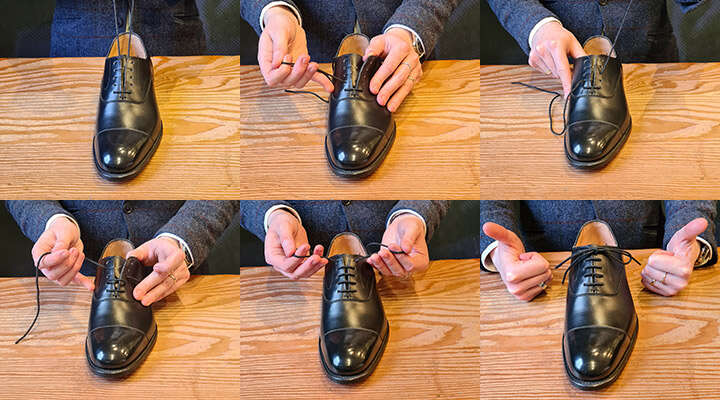
To tie oxford shoes properly, cross the laces over each other, pull tight, and create a standard bow knot.
Mastering the art of lacing dress shoes is a rite of passage for every gentleman. In my years of styling bespoke suits and preparing for high-stakes meetings, I have learned that the way you tie your oxfords speaks volumes about your attention to detail. Many people overlook the intricacies of this process, yet learning how to tie oxford shoes correctly can significantly enhance the comfort and longevity of your footwear. Whether you are prepping for a wedding or heading to the office, understanding the nuances of how to tie oxford shoes ensures your professional appearance remains impeccable from morning to night.

Choosing the Right Lacing Method for Oxfords
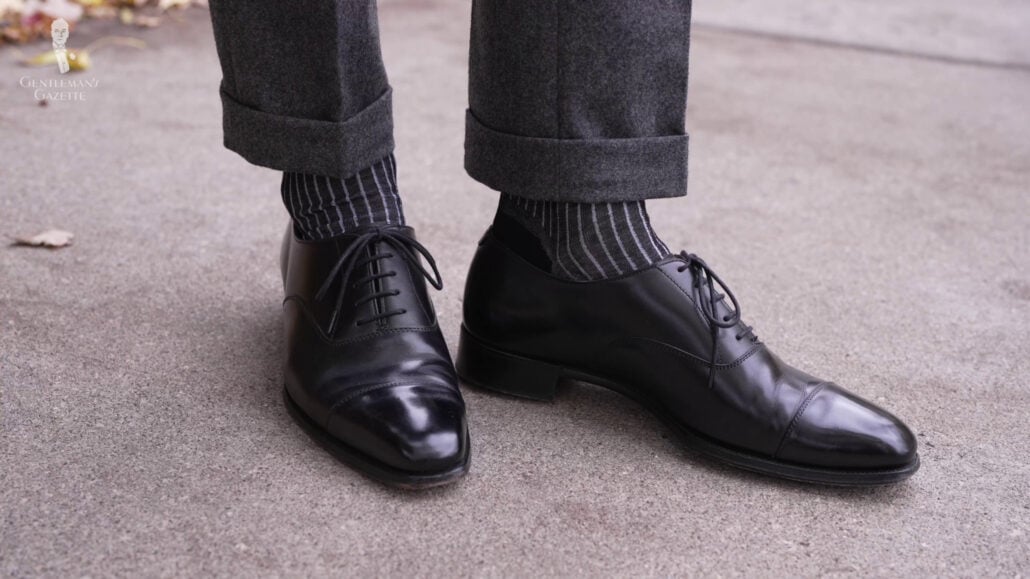
The defining characteristic of an oxford is its closed lacing system. Because the eyelet tabs are stitched underneath the vamp, the shoe has a sleek, narrow profile. When you learn how to tie oxford shoes, the goal is to maintain this clean aesthetic without creating excessive bulk under the leather. The bar lacing technique is widely considered the gold standard for this style, as it keeps the laces parallel and prevents the shoe from looking cluttered.
I remember my first pair of premium leather oxfords. I attempted a traditional criss-cross method, and the result looked uneven and rushed. By switching to a hidden bar lacing method, I immediately noticed how much better the shoes hugged my feet. It transformed the fit, providing better support and a much cleaner visual line that complemented my trousers perfectly. If you want to master how to tie oxford shoes, start by ensuring your laces are of equal length and avoid twisting them as you feed them through the eyelets.
Step-by-Step Guide to Tying Your Laces
To achieve that professional look, follow these steps to secure your oxfords properly. First, insert your laces through the bottom eyelets from the inside out, making sure the ends are even. Take the left lace and thread it straight across and into the next eyelet, then bring it up through the next eyelet on the same side. Repeat this process until you reach the top. Once you have reached the final eyelets, it is time to tie your knot.
When you finish the lacing process, create a loop with the right lace and wrap the left lace around it. Pull it through to form the bow, and tighten it to your comfort level. One common mistake I see is pulling the laces too tight, which can pinch the bridge of your foot. When learning how to tie oxford shoes, always ensure there is enough tension to keep the shoe secure but enough slack to allow your feet to breathe during long days.

Common Mistakes to Avoid with Oxford Shoes
The most common error when people learn how to tie oxford shoes is failing to maintain consistent lace tension. If your laces are uneven, the entire structural integrity of the shoe's closure can shift, causing the eyelets to pinch together or pull apart irregularly. This not only looks messy but can lead to premature wear of the leather around the eyelets. I always advise my clients to check their laces during their morning routine to ensure they are centered.
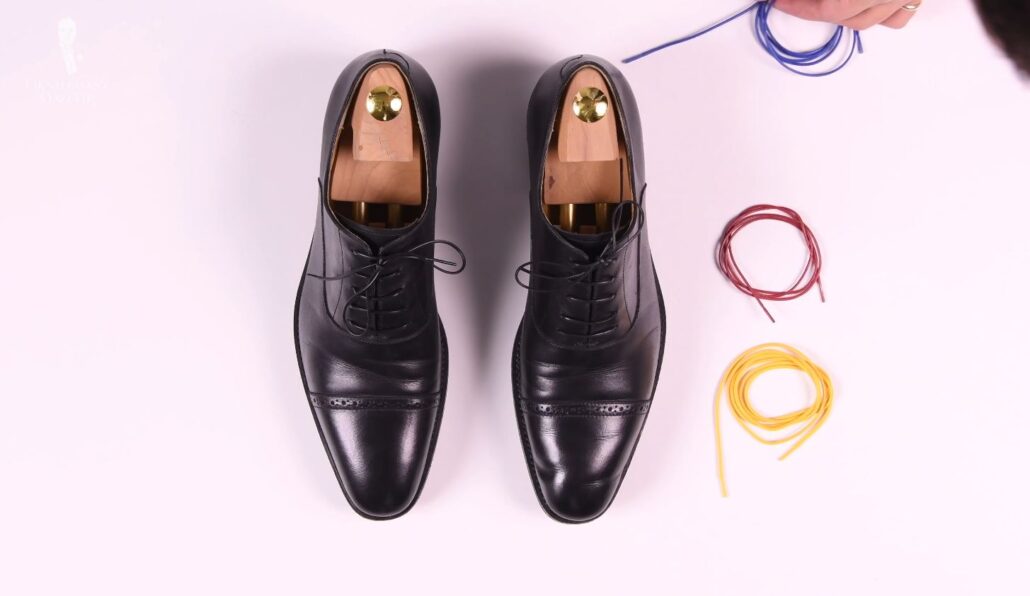
Another frequent oversight is using laces that are too thick or too long for the specific design of the shoe. Oxfords are minimalist by nature, so bulky, round laces often clash with their refined character. When you focus on how to tie oxford shoes effectively, you should also consider the quality of your laces. Waxed cotton laces are generally the best choice because they hold a knot firmly and do not come undone during the day.
Frequently Asked Questions of how to tie oxford shoes
Should I use the standard criss-cross method for oxfords?
While you can use a criss-cross method, the bar lacing style is preferred for oxfords to maintain their sleek, closed-lacing aesthetic. Bar lacing prevents the leather tabs from bunching up, ensuring a cleaner look.
How tight should I tie my oxford shoes?
You should tie them snugly enough to prevent heel slippage, but not so tight that they restrict circulation across the top of your foot. Your foot should feel supported without experiencing any pressure points or discomfort.
Why do my oxford shoes keep coming untied?
This often happens if you are using smooth, round, synthetic laces that lack the grip of cotton. Consider switching to thin, waxed cotton laces, which provide the friction needed to keep a knot secure all day.
Is it better to hide the knot under the tongue of the shoe?
Hiding the knot is a popular trend for a ultra-minimalist look, but it can be uncomfortable if not done carefully. If you prefer this style, ensure the knot is flat so it does not press into the top of your foot.
How often should I replace the laces on my oxfords?
You should replace your laces whenever they show signs of fraying or lose their ability to hold a knot. Replacing them every six to twelve months keeps your shoes looking fresh and ensures the lacing system functions correctly.
Conclusion
Learning how to tie oxford shoes is more than just a functional task; it is a detail-oriented habit that elevates your overall style. By choosing the right lacing technique, such as the bar method, and using high-quality laces, you ensure your footwear remains both comfortable and visually striking. Remember that patience is key when you first adjust your shoes, as the perfect fit will pay dividends in comfort throughout the day. Take the time to refine your technique today, and you will notice an immediate improvement in the way your favorite dress shoes look and feel. I encourage you to experiment with your lacing methods and share your results in the comments below, or subscribe for more tips on maintaining your professional wardrobe.

Michael Smith is the Content Strategist behind The Style Hub, where fashion meets function. With a keen eye for trends and a passion for everyday style, he curates content that helps readers make smarter, more stylish choices—from the perfect pair of sneakers to must-have accessories. Michael specializes in breaking down fashion into practical, wearable insights, making style accessible for everyone. When he’s not researching the latest trends, he’s exploring how comfort, innovation, and timeless design come together in modern fashion.