
How Tight Should Climbing Shoes Be: Perfect Fit Guide
Climbing shoes should fit snugly, with no painful pressure, curled toes, or loose space around your heel.
Knowing how tight should climbing shoes be can make the difference between confident movement and a painful session. The right fit supports precision, edging, and heel control without cutting off circulation. This guide explains how climbing shoes should feel, how fit changes by shoe style, and how to avoid common sizing mistakes.
What Does a Proper Climbing Shoe Fit Feel Like?
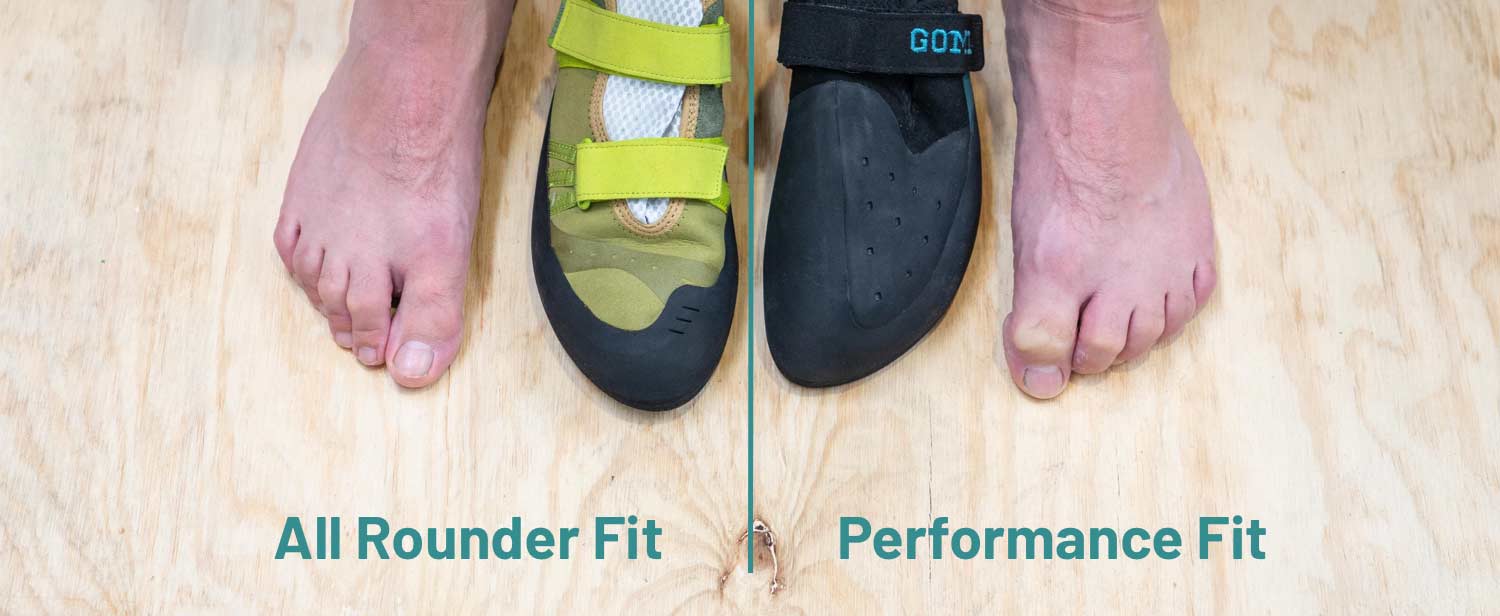
A properly fitted climbing shoe feels close to your foot, almost like a firm second skin. Your toes should touch the front of the shoe, but they should not be crushed, sharply bent, or forced into an unnatural curl.
The shoe should hold your foot in place when you stand on a small edge. Your heel should stay inside the heel cup when you pull up or point your toes. At the same time, you should not feel sharp pain, numbness, or strong pressure on one toe.
When people ask how tight should climbing shoes be, the best answer is “snug, not torturous.” Climbing shoes are performance tools, not tests of pain tolerance.
A good fit usually has these signs:
• Your toes touch the front of the shoe.
• Your heel does not lift when you walk or pull backward.
• The shoe has no large air pockets or folds.
• Your toes are slightly bent only if the shoe is designed for that fit.
• You can wear the shoes for a normal climbing session without severe pain.
• Your foot does not slide inside the shoe during a climb.
A new shoe may feel firm because climbing shoe materials soften with use. However, do not rely on extreme pain with the hope that the shoe will eventually become comfortable. Leather can stretch, while synthetic materials often stretch less and keep more of their original shape.

Should Your Toes Be Curled in Climbing Shoes?
Your toes do not always need to be curled. The answer depends on the shoe’s design, its intended use, and your climbing level.
Flat climbing shoes usually let your toes rest in a more natural position. They are often best for beginners, long gym sessions, slab climbing, and all-day comfort. Moderate or aggressive shoes turn the toes downward to improve power on steep walls, small footholds, and overhangs.
A slight bend can be normal in an aggressive shoe. A painful curl is not. If your toes are folded tightly under themselves, your joints feel crushed, or you cannot relax your foot, the shoe is likely too small or too aggressive for your needs.
Your toes should not be forced into a shape that causes lasting discomfort. A climbing shoe helps you use your foot with precision, but it should not cause numbness or intense pain.
Think of the fit like a well-tuned bicycle shoe. It should transfer power without creating hot spots. If you spend the whole climb thinking about your feet, the shoes are distracting you instead of helping you.

How Tight Should Climbing Shoes Be for Beginners?
Beginners should choose a snug and comfortable fit. New climbers usually need shoes that support learning, balance, and footwork rather than maximum sensitivity.
A flat or mildly downturned shoe is often a smart first choice. It gives you enough comfort to practice placing your feet carefully. It also helps you learn how different holds feel without making every session a battle with foot pain.
For a beginner, how tight should climbing shoes be? Your toes should reach the front, your heel should stay secure, and you should be able to wear the shoes for at least 20 to 30 minutes without severe discomfort.
Avoid buying a much smaller size because another climber wears an aggressive fit. Foot shape varies widely. Two climbers can wear different sizes in the same model and both have a correct fit.
A beginner shoe should allow you to:
• Stand on footholds without your foot sliding.
• Walk a short distance without major pain.
• Remove the shoes between climbs.
• Keep feeling in all your toes.
• Practice for several hours without developing strong pressure points.
Comfort does not mean the shoe should be loose. A loose shoe can fold on footholds and reduce control. The goal is close contact, not compression.

How Tight Should Climbing Shoes Be for Advanced Climbers?
Advanced climbers may prefer a tighter fit for steep routes, tiny edges, pockets, and powerful toe movements. Even then, the shoe should not cause injury or block circulation.
Some experienced climbers choose a performance fit with toes slightly curled. Others use a more comfortable fit and rely on technique. Neither choice is automatically better. The right fit depends on your foot shape, climbing style, route type, and tolerance for pressure.
Aggressive shoes can improve performance on overhangs because they encourage the foot to stay powerful and engaged. They may also make heel hooks and toe hooks feel more precise. Yet they can be tiring on slab routes or during long indoor sessions.
A useful approach is to own different shoes for different jobs:
• Comfortable flat shoes for warmups and long sessions.
• Moderate shoes for general gym climbing and mixed routes.
• Aggressive shoes for steep boulders and demanding sport climbs.
If you compete or climb at a high level, you may accept a tighter fit for a short problem. You still should not accept sharp pain, numbness, skin damage, or pain that remains after removing the shoes.

How Tight Should Climbing Shoes Be by Shoe Type?
Shoe shape changes how tight the shoe should feel. A flat shoe, moderate shoe, and aggressive shoe should not fit in exactly the same way.
Flat climbing shoes
Flat shoes keep the sole close to a natural foot position. They are often comfortable for beginners, crack climbing, slab routes, and long days.
Your toes should touch the front without strong curling. You can choose a close, snug fit, but there is little reason to force your toes into a painful position.
Moderate climbing shoes
Moderate shoes have a slight downward shape. They offer a balance of comfort and performance for many climbers.
Your toes may bend gently, especially when standing on small holds. The shoe should still feel usable during warmups and longer climbs.
Aggressive climbing shoes
Aggressive shoes curve downward and often turn inward toward the big toe. They are made for steep climbing and powerful foot movements.
A tight fit may improve control, but the shoe should remain stable and bearable. If the aggressive shape causes pain even before you climb, try a different model rather than simply sizing down or forcing your foot into it.
How Should Climbing Shoes Fit at the Heel?
The heel should feel secure, but it should not be crushed. When you pull your toes down or perform a heel hook, the shoe should move with your foot.
A loose heel creates a gap between your skin and the heel cup. You may feel the shoe slide or fold during heel hooks. This reduces confidence and can make a move feel weaker than it should.
A heel that is too tight may create pressure on the Achilles tendon or the back of the ankle. It can also cause rubbing and blisters. The best heel fit holds firmly without creating a painful ridge.
Test the heel in the store or at home by:
• Pulling your toes downward.
• Raising your heel while keeping your toes planted.
• Simulating a heel hook.
• Walking a few steps.
• Checking for movement, pinching, and rubbing.
A small amount of movement may be acceptable in a soft beginner shoe. Performance shoes usually need closer heel contact. Still, the heel should not feel trapped or bruised.
How Should Climbing Shoes Fit Around the Toes?
Your toes should reach the end of the shoe. They should not press against the front so hard that they feel crushed.
The big toe often carries much of the pressure on small edges. It should make solid contact with the shoe’s toe box. The other toes may touch the front as well, but they should not overlap painfully or push into each other.
Watch for these warning signs:
• Numbness during or after climbing.
• Tingling that continues after removing the shoes.
• Sharp pain at the toenail.
• Severe pressure on the little toe.
• Blisters caused by constant movement.
• A toe joint that feels compressed.
Climbing shoes can feel firm, but pain is useful information. Do not ignore it simply because you want a more powerful fit.
An experienced shoe fitter will also check your foot width, arch shape, toe length, and volume. A shoe that fits one climber perfectly may pinch another climber even in the same size.

Do Climbing Shoes Stretch?
Most climbing shoes stretch somewhat, but the amount depends on the materials and construction. Leather shoes often stretch more than synthetic shoes. Unlined leather may change noticeably, while lined leather and synthetic models usually change less.
A shoe may soften after several sessions without becoming longer by a full size. This difference matters. Many climbers buy shoes that are painfully small and expect them to become comfortable. That approach often leads to a shoe that remains too tight.
When trying on new shoes, ask how tight should climbing shoes be before they stretch. The answer is that they should feel snug from the beginning, with room for normal break-in but not a dramatic transformation.
Consider these material differences:
• Unlined leather can stretch and mold to your foot.
• Lined leather usually stretches less.
• Synthetic uppers often keep their original size.
• Rubber can soften, but it does not usually solve a poor fit.
• Hook-and-loop shoes may feel different from lace-up shoes in the same size.
Try to purchase shoes from a retailer with a clear return policy. Wear them indoors on a clean surface first. This gives you time to check the fit before the rubber touches the wall.

How to Test Climbing Shoe Fit Before Buying
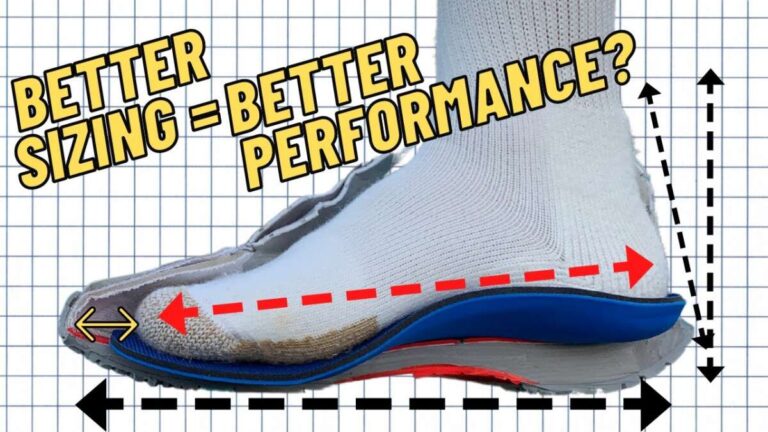
Do not judge a climbing shoe only while sitting down. Your foot changes when you stand, bend your knees, and place weight on your toes.
Follow this simple fit test:
-
Put the shoes on without forcing your foot into them.
-
Stand upright and check whether your toes reach the front.
-
Bend your knees as if preparing to climb.
-
Stand on the balls of your feet.
-
Press your toes against a small edge or raised surface.
-
Pull your heel upward and test for movement.
-
Keep the shoes on for several minutes.
Your toes should touch the end, but you should not feel a sharp point of pain. The upper should not wrinkle heavily across the toe box. The heel should stay in place when you move.
Try both shoes. Feet are rarely identical. One foot may be wider or longer than the other, so the larger foot usually determines the best size.
A useful lesson from many gym fitting sessions is that climbers often focus on length and forget volume. A shoe may have the correct length but still feel too tight over the top of the foot. In that case, a different model may work better than a larger size.

Common Climbing Shoe Fit Mistakes
Many poor fits come from choosing shoes based on appearance, brand reputation, or another climber’s advice. Performance depends on how the shoe works with your foot, not on the size printed inside it.
Common mistakes include:
• Sizing down too far for a “pro” fit.
• Buying shoes that are loose because they feel comfortable in the store.
• Ignoring heel movement.
• Wearing aggressive shoes for every type of climbing.
• Assuming all brands use the same size chart.
• Forgetting that leather and synthetic shoes stretch differently.
• Keeping painful shoes because they were expensive.
• Wearing climbing shoes with socks that change the fit.
One mistake I regularly see is treating pain as proof of performance. A shoe can feel powerful and still be too small. If you cannot focus on foot placement, you lose the technical benefit that a performance shoe should provide.
Another mistake is wearing climbing shoes while walking around the gym. This can flatten the shape and wear the rubber faster. Put them on before a climb and remove them between attempts when possible.
Can Tight Climbing Shoes Cause Foot Problems?
Tight climbing shoes can contribute to foot problems when they compress the toes for long periods. Possible issues include blisters, bruising, nail damage, nerve irritation, and pressure-related pain.
Long-term risks are not fully explained by one shoe size alone. They also depend on climbing frequency, shoe shape, time spent wearing the shoes, foot structure, and personal health. Still, repeated pain is a reason to change your fit and seek professional advice.
Stop climbing and reassess your shoes if you notice:
• Persistent numbness.
• Burning or tingling.
• Skin color changes.
• Severe swelling.
• Pain that lasts after the session.
• Repeated nail problems.
A medical professional or podiatrist can help if pain continues. This article cannot diagnose a foot condition, and no shoe-fitting guide replaces medical care.
The safest rule is simple: discomfort may be part of a new shoe, but pain that worsens or remains is not something to train through.
How to Improve Comfort Without Losing Performance
You do not always need a larger shoe to improve comfort. Small changes in fit, timing, and shoe choice can help.
Try these practical steps:
• Warm up in a less aggressive pair.
• Remove your shoes between attempts.
• Use a shoe with a wider toe box.
• Try lace-up shoes for adjustable pressure.
• Choose hook-and-loop shoes for fast removal.
• Rotate two pairs during long sessions.
• Keep toenails trimmed but not cut too short.
• Let sweaty shoes dry fully between uses.
Some climbers use a slightly larger pair for indoor training and a tighter pair for short outdoor projects. This can reduce foot stress while preserving a performance option for demanding moves.
Your technique also matters. Pulling harder with your toes will not fix a loose shoe, and tightening a painful shoe will not fix poor foot placement. Practice placing the big toe directly on the hold, keeping your hips close, and moving with control.
How to Choose the Right Size
Climbing shoe sizes vary by brand, model, and shape. Do not treat street shoe size as a guaranteed starting point.
Use the manufacturer’s size chart, then try the shoe on. Compare several models if possible. A good shop should allow you to test both a smaller and larger size while standing and bending.
Start with these questions:
• Do my toes touch the end?
• Is my heel secure?
• Can I feel the hold through the sole?
• Is the pressure even?
• Can I wear the shoe long enough for its intended use?
• Does the shoe match my climbing style?
For a first pair, comfort and control should come before an extreme fit. For a specialized pair, you may choose more tension, but only when the shoe supports a clear purpose.
The best answer to how tight should climbing shoes be is not a number of sizes below your street shoes. It is a fit that gives you control, keeps your heel stable, and allows you to climb without harmful pain.
How Tight Should Climbing Shoes Be During a Climb?
Climbing shoes should feel firm when you load your toes on a hold. They may feel more noticeable than ordinary shoes, but they should not become sharply painful as soon as you start climbing.
Your foot can swell slightly during a long session. A shoe that feels perfect for five minutes may feel too tight after an hour. This is why testing the shoes for the full length of a normal session is important.
For short bouldering attempts, you may tolerate a closer fit. For long sport routes, gym sessions, or multi-pitch climbing, comfort becomes more important. Choose your fit based on the task, not on a universal rule.
If your feet hurt more with every climb, remove the shoes and take a break. Pain can change your movement and make you place your feet less accurately. Good climbing technique begins with shoes that let you think clearly.
Frequently Asked Questions About How Tight Should Climbing Shoes Be
Should climbing shoes hurt when you first wear them?
They may feel snug and firm, but they should not cause sharp pain, numbness, or severe pressure. A new pair can soften with use, but you should not expect a painfully small shoe to become a comfortable one.
Should my toes touch the end of climbing shoes?
Yes, your toes should usually touch the front of the shoe. They should not be crushed or forced into a painful curl, especially in a flat or beginner shoe.
Should I size down in climbing shoes?
Not automatically. Choose the size that gives you secure contact, a stable heel, and enough comfort for your type of climbing rather than sizing down by a fixed amount.
Are climbing shoes supposed to be smaller than regular shoes?
They may be the same size, smaller, or even larger, depending on the brand, model, and shape of your feet. Street shoe size is only a starting point because climbing shoe sizing is not standardized.
How much do climbing shoes stretch?
Stretch depends on the material and construction. Unlined leather often stretches more, while synthetic shoes usually change less, so buy a pair that fits well before break-in.
Why does my heel slip in climbing shoes?
Heel slip can result from the wrong size, a low-volume heel, or a shoe shape that does not match your foot. Try another model, adjust the closure, or choose a shoe with a more secure heel cup.
Can tight climbing shoes damage your feet?
Shoes that are too tight can contribute to blisters, nail damage, nerve irritation, and ongoing pain. Remove them when symptoms appear and seek medical advice if discomfort continues.
Conclusion
The right climbing shoe fit is snug, secure, and focused on control. Your toes should touch the front, your heel should stay in place, and your foot should not feel crushed or numb. Flat shoes can prioritize comfort, while moderate and aggressive shoes may offer more tension for technical or steep climbing.
When deciding how tight should climbing shoes be, match the fit to your foot shape, experience, climbing style, and session length. Try shoes while standing, test both feet, and never confuse severe pain with better performance.
Visit a climbing shop, test several models, and choose the pair that helps you trust your feet. Share your favorite climbing shoe fit or sizing lesson in the comments.

Michael Smith is the Content Strategist behind The Style Hub, where fashion meets function. With a keen eye for trends and a passion for everyday style, he curates content that helps readers make smarter, more stylish choices—from the perfect pair of sneakers to must-have accessories. Michael specializes in breaking down fashion into practical, wearable insights, making style accessible for everyone. When he’s not researching the latest trends, he’s exploring how comfort, innovation, and timeless design come together in modern fashion.