How Long Do Shoes Last: Signs You Need New Shoes
Most everyday shoes last one to three years, but use, fit, care, and shoe type can change that range.
Knowing how long do shoes last helps you spend wisely, avoid discomfort, and replace footwear before it causes pain or injury. A lightly used dress shoe may look good for years, while a daily running shoe can lose its support in months. This guide explains the signs of wear, average shoe lifespans, care tips, and the safest time to buy a new pair.

How long do shoes last on average?
So, how long do shoes last? Most shoes last between one and three years with normal use. However, that estimate is broad because a work boot, running shoe, and casual sneaker face very different demands.
Daily wear, body weight, walking surface, weather, and shoe quality all affect lifespan. A person who walks five miles each day may wear out shoes much faster than someone who wears the same pair once a week.
Here is a general guide:
• Running shoes: About 300 to 500 miles, often six to twelve months for regular runners
• Walking shoes: About six months to two years, depending on mileage and support
• Casual sneakers: About one to two years with frequent use
• Leather dress shoes: About two to five years, or longer with proper care
• Work boots: About one to two years in demanding jobs, and several years with light use
• Hiking boots: About one to three years, depending on terrain and maintenance
• Sandals: About one to three summers, depending on the sole and materials
These are estimates, not expiration dates. A shoe may still look clean while its cushioning, stability, or outsole has already weakened.
What affects how long shoes last?
Several factors determine how long do shoes last. The most important factor is not always the brand. It is the amount and type of stress placed on the shoe.
Frequency of use
Shoes worn every day compress faster. Repeated use gives foam less time to recover, especially in running and walking shoes. Rotating two or three pairs can extend the life of each pair.
Activity and surface
Concrete is harder on shoes than grass or indoor flooring. Running, court sports, warehouse work, and hiking create more impact and twisting than casual walking.
A shoe used for its intended purpose usually lasts longer. Running shoes are built for forward motion, while basketball shoes are designed for quick stops and side-to-side movement.
Body weight and gait
A heavier load places more force on the midsole and outsole. Your walking pattern also matters. Overpronation, underpronation, uneven foot pressure, and a worn gait can damage one side of a shoe faster than the other.
This does not mean a person needs to change their natural gait without professional advice. It simply explains why two people can wear out the same shoe at different speeds.
Shoe materials
Leather can last for years when cleaned, conditioned, and stored well. Mesh is light and breathable but may tear sooner. Foam midsoles feel comfortable, yet they gradually lose their bounce even when the upper still looks perfect.
Rubber outsoles often provide strong durability. Thin foam or soft rubber may wear down more quickly on rough pavement.
Weather and storage
Water, heat, salt, and humidity can shorten shoe life. Leaving shoes in a hot car may weaken glue and dry out leather. Storing damp shoes in a closed gym bag can also cause odor, mold, and material breakdown.

How long do running shoes last?
Most running shoes last about 300 to 500 miles. For a person running 20 miles per week, that equals roughly four to six months. Someone who runs only a few miles each week may use the same pair for a year or more.
Mileage is useful, but it is not the only measure. A runner should also watch for:
• Flattened cushioning
• New aches in the feet, knees, hips, or lower back
• Uneven outsole wear
• A midsole that feels hard or lumpy
• Creases that stay deeply compressed
• A loose heel counter
• Tears in the upper or exposed foam
A 2020 review of running footwear research found that shoe durability varies widely by model, runner, surface, and use. This is why the 300 to 500-mile rule should serve as a reminder to inspect your shoes, not as a strict deadline.
Track your mileage with a phone app, running watch, or simple note. If you cannot track miles, write down the purchase date and check the shoes every month.
How long do walking shoes last?
Walking shoes usually last six months to two years. The range depends on daily steps, body weight, surface, and shoe construction.
A person walking 10,000 steps per day may need new shoes sooner than someone who walks casually on weekends. A shoe that feels fine for short errands may fail during long walks because the support has weakened.
Check the sole from the back and bottom. If one side is much lower than the other, the shoe may no longer guide your foot evenly. Also look at the flex point. If the shoe bends in the middle instead of near the ball of the foot, its structure may be breaking down.
Comfort matters, but comfort alone is not enough. Some worn shoes feel soft because the foam has collapsed. That softness can hide a loss of support.
How long do work boots last?
Work boots can last one to three years, but harsh job sites may reduce that time to six months or less. Construction, landscaping, factory work, and outdoor labor expose boots to water, dirt, chemicals, sharp objects, and heavy pressure.
Replace work boots when:
• The outsole is smooth or badly cracked
• The heel is tilted or worn down
• The toe protection is damaged
• The sole separates from the upper
• Water enters through worn seams
• The boot no longer supports your ankle
• The inside lining creates friction or blisters
Safety boots have an extra concern: visible damage can reduce protection. If a steel or composite toe cap is crushed, exposed, or affected by a heavy impact, ask your workplace safety manager or the manufacturer whether replacement is needed.
Clean mud from boots after work. Let them dry at room temperature, and use boot trees or paper to help hold their shape. Do not place leather boots directly beside a heater.

How long do leather shoes last?
Quality leather shoes may last two to five years, and some can last much longer. Their lifespan depends on leather quality, construction, weather exposure, and whether the shoes can be repaired.
Goodyear welted and some Blake-stitched shoes are often easier to resole than many glued shoes. A replaceable sole can give a well-made upper a much longer life.
To help leather shoes last:
• Brush away dirt after use
• Condition the leather when it looks dry
• Use shoe trees to reduce deep creases
• Avoid wearing the same pair on wet days
• Allow at least a day for the shoes to dry between uses
• Repair loose heels or worn soles early
• Use a suitable waterproofing product when recommended
One common mistake is over-conditioning. Too much oil can soften leather, darken it, or weaken its structure. Always test a product on a hidden area first.
How to tell when shoes need replacing
The clearest answer to how long do shoes last comes from examining the shoe and noticing how your body feels. A shoe needs replacement when it no longer performs its job safely and comfortably.
Look for these warning signs:
Uneven wear
Turn the shoes over. If the heel is worn heavily on one side, your foot may not be receiving even support. Small differences are normal, but severe tilting is a reason to replace the pair.
Reduced cushioning
Press the midsole with your fingers, then compare it with a newer shoe. A worn midsole often feels flat, stiff, or uneven. You may also notice more impact while walking or running.
Upper damage
Tears, stretched panels, broken eyelets, and loose stitching can change how the shoe holds your foot. A small cosmetic mark may not matter, but structural damage can affect stability.
Pain or new discomfort
Foot pain, blisters, shin pain, knee aches, or back discomfort can signal that the shoe has stopped supporting you well. Pain can have many causes, so persistent symptoms deserve evaluation by a qualified health professional.
Sole separation
A sole that peels away from the upper is not always repairable. Glue repairs may work for light use, but they may fail quickly under running, hiking, or work conditions.
Bad odor or moisture damage
Odor alone does not always mean the shoe is finished. But mold, permanent dampness, or damaged inner material can make replacement the healthier choice.

Can you make shoes last longer?
You cannot stop normal wear, but good habits can extend shoe life. Think of your footwear like a car: regular care helps, but worn parts still need replacement.
Follow these practical steps:
-
Rotate your shoes. Give each pair time to dry and recover.
-
Use the right shoe for the activity. Do not use running shoes for heavy work or court sports.
-
Untie the laces. Forcing your foot into tied shoes can crush the heel counter.
-
Keep shoes dry. Remove insoles and air out wet shoes at room temperature.
-
Clean them often. Dirt can act like sandpaper against fabric, leather, and stitching.
-
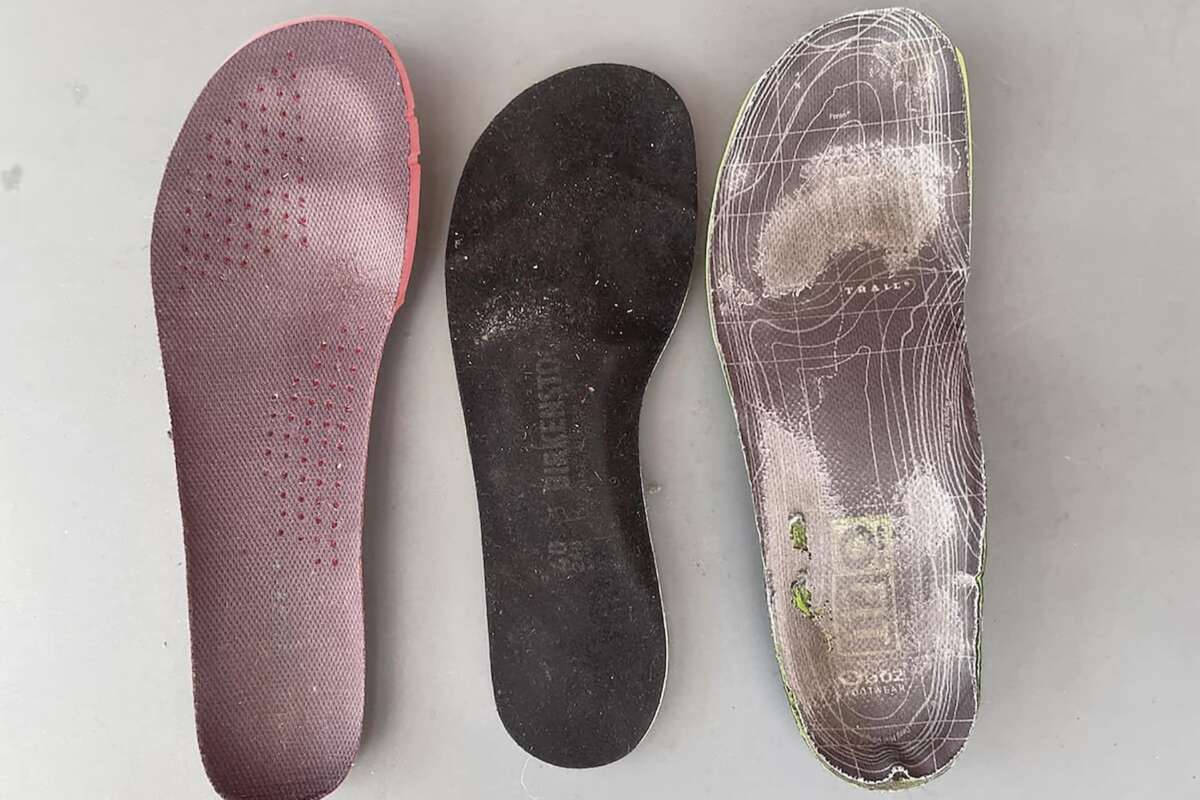
Replace worn insoles. A new insole may improve comfort, but it cannot restore a broken midsole or outsole.
-
Store shoes in a cool, dry place. Avoid sealed plastic bags for damp footwear.
-
Use shoe trees for leather shoes. They help reduce wrinkles and preserve shape.
-
Repair small problems early. A new heel cap costs less than replacing a badly damaged shoe.
-
Check both shoes. One shoe may wear faster because of your gait or work habits.
In my experience reviewing footwear, the most common mistake is waiting until the upper looks ruined. Many people replace shoes only after a hole appears, even though the cushioning and sole support may have failed months earlier.
Should you replace shoes by age or mileage?
Use both age and mileage, but trust condition and comfort most. Mileage works well for running shoes, while calendar age matters more for occasional footwear that sits unused.
Shoes can deteriorate in storage. Glue may dry out, foam may harden, and rubber may become brittle. A pair worn only a few times can still be unsafe if it has spent years in heat or moisture.
A simple inspection routine helps:
• Check walking and work shoes once a month
• Check running shoes after every few weeks of regular training
• Inspect seasonal shoes before wearing them again
• Compare older shoes with a newer pair
• Replace shoes sooner if pain or instability appears
There is no universal shoe expiration date. The answer to how long do shoes last depends on whether the materials still provide the protection and support you need.

How much should you spend on shoes?
Price can influence durability, but a higher price does not guarantee a longer life. Fit, construction, materials, and proper use often matter more than the logo or cost.
A moderately priced shoe that fits well and matches your activity may outlast an expensive shoe used for the wrong purpose. Look for:
• A secure heel
• Enough room for your toes
• Strong stitching or well-formed bonding
• A firm but comfortable midsole
• A durable outsole for your main surface
• A return policy that allows you to test the fit
Do not buy shoes that need to “break in” through severe pain. Some leather shoes soften slightly, but sharp pressure, numbness, and repeated blisters are signs of poor fit.
For athletic shoes, replaceability is part of the total cost. A durable pair that lasts 500 miles may offer better value than a cheaper pair that feels worn after 200 miles.
Common mistakes that shorten shoe life
Many shoe problems come from daily habits rather than poor manufacturing. Avoid these mistakes to get more use from your footwear:
• Wearing one pair every day
• Using casual sneakers for running
• Washing shoes with harsh detergent
• Drying shoes on a radiator or with a hair dryer
• Leaving dirt and salt on leather
• Walking in shoes that are too small
• Ignoring uneven wear
• Keeping wet shoes in a closed bag
• Pulling shoes off without untying them
• Replacing only one shoe when both have similar mileage
A shoe is designed to protect your feet from the ground. When it is stretched, crushed, soaked, or used for the wrong task, it loses that role faster.

Frequently Asked Questions About How Long Do Shoes Last
How long do shoes last if worn every day?
Shoes worn every day often last six months to two years, depending on their type and use. Running shoes may need replacement sooner, while leather dress shoes can last longer with rotation and care.
How long do shoes last in storage?
Shoes may last several years in proper storage, but age can still damage foam, rubber, glue, and leather. Keep them in a cool, dry place and inspect them for cracks, stiffness, and sole separation before wearing them.
How often should running shoes be replaced?
Most running shoes should be checked around 300 miles and replaced near 300 to 500 miles. Replace them sooner if cushioning feels flat, wear is uneven, or new pain develops.
Can new insoles make old shoes last longer?
New insoles can improve comfort and refresh the inside of a shoe. They cannot repair a collapsed midsole, worn outsole, damaged heel counter, or weakened structure.
Is it safe to wear shoes with worn soles?
Slight cosmetic wear may be safe, but smooth, uneven, cracked, or tilted soles can reduce grip and stability. Replace shoes when the sole no longer protects you from slipping or changes the way you walk.
Do expensive shoes last longer?
Expensive shoes do not always last longer. Construction, materials, fit, care, and intended use are better indicators of durability than price alone.
Conclusion
The answer to how long do shoes last is usually one to three years, but daily mileage and shoe type matter more than the calendar. Running shoes often wear out after 300 to 500 miles, while well-cared-for leather shoes may last for several years.
Inspect the sole, midsole, upper, heel, and overall fit. Replace shoes when they lose support, cause discomfort, or show damage that affects safety. Rotate your footwear, keep it dry, and use each pair for its intended purpose.
Take a few minutes today to check your most-used shoes. If you notice uneven wear or reduced cushioning, start comparing replacement options and share your own shoe-care experience in the comments.

Michael Smith is the Content Strategist behind The Style Hub, where fashion meets function. With a keen eye for trends and a passion for everyday style, he curates content that helps readers make smarter, more stylish choices—from the perfect pair of sneakers to must-have accessories. Michael specializes in breaking down fashion into practical, wearable insights, making style accessible for everyone. When he’s not researching the latest trends, he’s exploring how comfort, innovation, and timeless design come together in modern fashion.