Best Shoes For Dental Hygienists: Top Comfort Picks
The best shoes for dental hygienists offer slip resistance, arch support, comfort, and easy cleaning for long clinical shifts.
A busy dental day can mean standing for hours, leaning over patients, and moving fast between the operatory and sterilization area. By lunch, poor shoes may leave your heels sore and your legs tired. The right pair works like a quiet assistant: it supports each step without demanding attention. I reviewed these dental-themed shoes, nursing shoes, work shoes, and gift accessories with comfort, safety, fit, and daily clinic use in mind.
JUDENTIDOS Cartoon Teeth Dental Sneakers
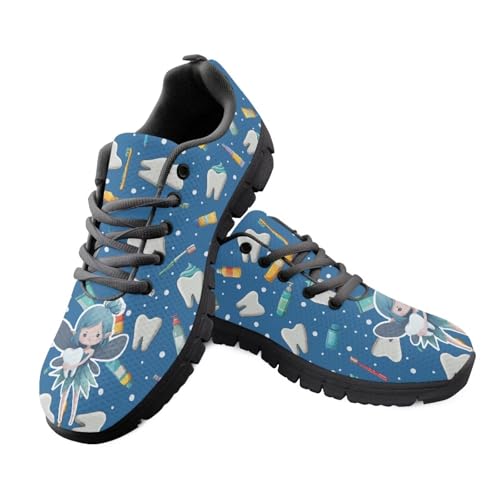
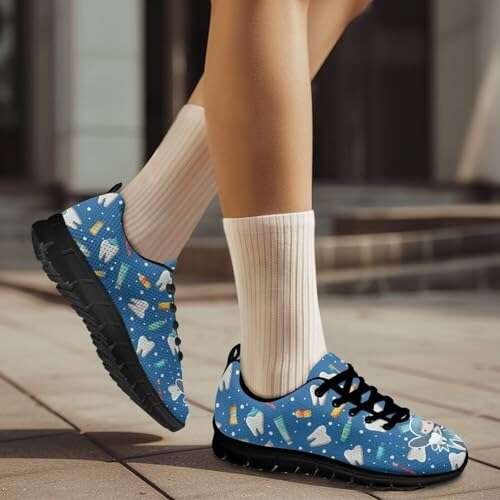
The JUDENTIDOS Cartoon Teeth Dental Sneakers bring a playful look to a dental office. The tooth print can suit hygienists who enjoy a fun uniform detail without wearing a loud shirt or badge. A lace-up design also lets you adjust the fit around the instep. That can help reduce loose movement while you walk through a busy clinic.
These sneakers may work well for light-to-moderate daily walking and routine standing. However, the listing does not give enough technical detail to treat them as a certified clinical work shoe. I would check the outsole, return policy, and size chart before using them for long shifts. They are best viewed as a style-first option that may need an added insole for stronger support.
Pros:
- Fun dental-themed design suits hygienists and dental assistants
- Lace-up fit allows useful adjustment across the foot
- Casual sneaker shape works with many work outfits
- Lightweight style may feel easy during short walks
- Tooth print makes a cheerful gift for a dental professional
Cons:
- May not provide the support needed for very long shifts
- Printed upper may show stains more than plain work shoes
- Slip resistance and cushioning should be checked before clinical use
Hawkwell Slip-On Nursing Shoes
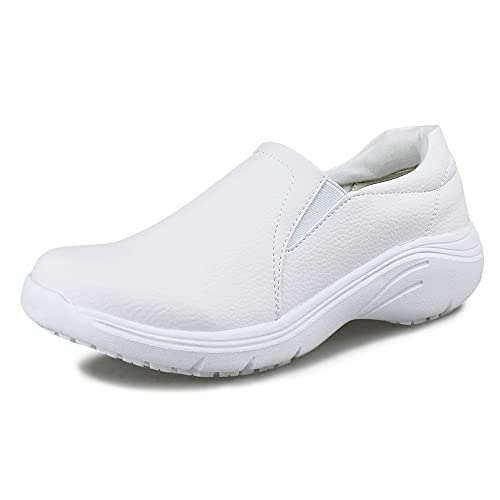
The Hawkwell Slip-On Nursing Shoes are the most clinic-focused option in this group. Their slip-on build saves time when you get ready for work, and the listed slip-resistant outsole is a major plus for dental settings. The white synthetic upper also fits a clean, professional uniform. For a hygienist who spends much of the day on hard floors, this design deserves close attention.
The synthetic surface should be easier to wipe than fabric or mesh. That matters when a shoe meets water, polish, disinfectant spray, or small spills. A slip-resistant sole can improve confidence, but no outsole replaces careful walking on wet floors. I would pair this shoe with supportive socks and confirm that the width leaves room for natural toe movement.
Pros:
- Slip-resistant design supports safer movement at work
- Slip-on construction makes changing shoes quick and simple
- White synthetic upper has a clean clinical appearance
- Lightweight build may reduce the heavy feel of work clogs
- Wipe-clean material suits busy dental and health care spaces
- Useful choice for standing, walking, and short patient-room trips
Cons:
- Slip-on fit may feel less secure than a lace-up shoe for some feet
- White material can show marks and scuffs quickly
- Arch support may not satisfy people who need firm medical inserts
Qimbytar Dental Shoe Charms

The Qimbytar set is not a shoe. It is a collection of dental-themed charms made to decorate compatible clog sandals. The tooth shapes can add personality to plain clinic footwear, especially if you wear clogs with ventilation holes. With multiple pieces in the pack, you can share them with classmates, coworkers, or a dental office team.
These charms make a small and affordable add-on rather than a comfort upgrade. They will not improve cushioning, arch support, heel stability, or traction. I would attach them only to shoes that accept this type of charm and keep them secure during patient care. Remove them before cleaning the footwear if the manufacturer’s care instructions call for it.
Pros:
- Dental theme fits hygienists, assistants, students, and dentists
- Multiple charms allow custom shoe decoration
- Can make plain clogs easier to identify
- Small size makes the set simple to store or gift
- Offers a low-cost way to personalize work footwear
Cons:
- Does not provide shoe support, cushioning, or slip protection
- Only works with compatible clog-style shoes
- Charms may catch or loosen if attached carelessly
Hawkwell Heart Slip-On Nursing Shoes

This Hawkwell model shares the practical shape of the other nursing shoe but adds a heart detail. The slip-resistant label makes it more relevant to clinical work than a standard fashion sneaker. Its slip-on format can be helpful when you change from street shoes before entering the clinic. The white synthetic finish keeps the overall look neat and simple.
I like this type of shoe for hygienists who value easy care and fast dressing. A synthetic upper usually needs less effort to clean than knitted fabric, though you should follow the care instructions and avoid harsh products that can damage the finish. The heart accent gives the shoe a softer look without changing its work-focused purpose. As with any flat work shoe, assess the arch and heel feel during a short trial before a full shift.
Pros:
- Listed slip-resistant outsole is useful on smooth clinic floors
- Slip-on design saves time during shift changes
- White synthetic upper looks professional with scrubs
- Heart detail adds a subtle personal touch
- Easy-care surface may handle routine wipe-downs well
- Lightweight nursing profile suits frequent walking
Cons:
- Slip-on shape may not hold a narrow heel securely
- White upper requires regular cleaning to stay bright
- People with high arches may want an extra supportive insole
Mepase Dental Teeth Socks

The Mepase Dental Teeth Socks are an accessory, not one of the best shoes for dental hygienists. Still, socks can affect how a shoe feels during a long day. A smooth fit may help reduce rubbing at the heel and ankle, while a dental pattern adds humor to a standard uniform. The 12-pair format may also make it easy to keep fresh pairs in a locker.
I would judge these socks by fiber content, stretch, seam placement, and moisture control before buying. Socks that bunch inside a shoe can create pressure points, even when the shoe itself fits well. They should fit close to the foot without leaving deep marks around the calf. These make more sense as a gift or uniform accessory than as a solution for foot pain.
Pros:
- Dental print makes a fun gift for hygienists and dental students
- 12-pair quantity supports frequent rotation
- Can add personality beneath plain scrubs
- May help reduce direct shoe-to-skin rubbing
- Extra pairs are useful for locker or travel storage
Cons:
- They are not shoes and cannot provide traction or arch support
- Fiber details should be checked for personal comfort needs
- Novelty designs may not suit every workplace dress code
HAPPYPOP Dental Hygienist Socks

These HAPPYPOP dental socks target women who want a small gift with a clear professional theme. Tooth and dental wording can make them a good choice for graduation, a new job, or an appreciation gift. In daily use, the right socks can complement the best shoes for dental hygienists by helping manage friction and fit. They also bring a little warmth to a demanding workday.
Do not expect novelty socks to fix a poor shoe. I would first choose a shoe with stable heel contact, enough toe space, and a sole suited to the clinic floor. Then I would test these socks with that shoe for bunching and heat. If the cuff feels too tight or the toe seam distracts you, a plain performance sock may be the better work choice.
Pros:
- Clear dental theme suits hygienist and dental assistant gifts
- Works well for graduation, birthdays, or staff appreciation
- Can add a cheerful detail to a plain uniform
- May improve comfort when paired with a well-fitted work shoe
- Easy to store as a small gift or stocking item
Cons:
- Comfort depends on the actual fabric and seam design
- Does not add traction, support, or shock absorption
- Novelty styling may not fit strict uniform policies
HAPPYPOP Dental Assistant Tooth Socks

The second HAPPYPOP option focuses on dental assistants, dentists, and hygienists. Its tooth design gives the socks a clear connection to oral health work. That makes them more personal than a generic pair of socks, especially for someone starting a dental career. They are a gift accessory rather than a work shoe, so I would keep expectations realistic.
A good sock should sit flat inside the shoe and support a dry, comfortable feel. This matters when a hygienist spends much of the shift standing beside a dental chair. I recommend checking the size range and washing instructions before ordering several pairs. If the design meets your workplace rules, these socks can add charm without changing your uniform.
Pros:
- Strong tooth theme makes the gift purpose clear
- Suitable for dental assistants, hygienists, and dentists
- Simple way to celebrate a dental career milestone
- Can pair with white, black, or colorful clinic footwear
- Small gift size makes shipping and storage easy
Cons:
- Cannot replace a supportive, slip-resistant work shoe
- Fit and breathability depend on the fabric blend
- May be too casual for some clinic dress codes
YUNGPRIME Slip-Resistant Work Shoes
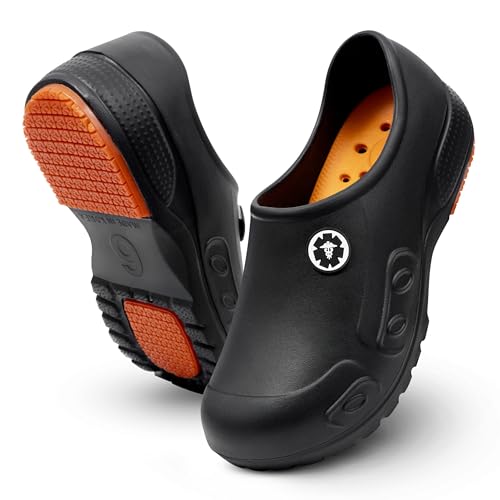
The YUNGPRIME Slip-Resistant Work Shoes are built for work settings such as nursing and food service, which makes them worth considering for dental clinics. Their black color hides small marks better than white footwear. The slip-resistant focus is especially useful for hygienists who move between treatment rooms and areas where floors may become damp. A unisex size range can also help teams with different footwear needs.
These shoes may be a strong practical pick when safety matters more than a dental print. I would still inspect the tread and test the shoe on the floor types found in your clinic. A good work shoe should bend near the toes but not fold in the middle, and the heel should stay stable without pinching. Since fit varies by foot shape, use the manufacturer’s measurement guide and plan for a gradual break-in.
Pros:
- Slip-resistant design fits the needs of active work areas
- Black color helps hide daily scuffs and small marks
- Unisex design may suit both men and women
- Work-focused shape can handle frequent walking
- Useful alternative to fashion sneakers in a clinical setting
- May suit hygienists who prefer a simple, low-key appearance
Cons:
- Black styling may not meet a clinic’s white-shoe policy
- Work shoes can feel firmer than casual sneakers at first
- Arch and cushioning levels may not suit every foot
How I Choose the Best Shoes for Dental Hygienists
Dental hygienists do not need a shoe that only looks good in a product photo. They need a stable base for repeated standing, short walks, turns, and patient-care tasks. I look first at traction, fit, support, weight, and cleaning needs. These points matter more than a bright color or a clever dental print.
My review approach follows common workplace safety principles. OSHA guidance places strong attention on hazards such as slips and falls, while foot-health experts often stress proper fit and room for the toes. I also consider the real rhythm of a dental day: stand, lean, step, sit, and stand again. A shoe that feels fine for ten minutes may feel very different after eight hours.
Slip Resistance Comes First
A dental office may look dry and calm, but small spills can happen near sinks, sterilizers, and treatment areas. A slip-resistant outsole can help create better contact with the floor. Look for a tread pattern that feels purposeful, not completely smooth. Still, treat slip resistance as one safety aid, not a promise that the shoe will grip every wet surface.
Before wearing new footwear for a full shift, I suggest a short home test. Walk on clean tile, turn, stop, and step over a low threshold. Check whether the foot slides inside the shoe or whether the heel lifts. If the sole feels unstable at home, it will not become safer during a busy clinic day.
Support for Long Standing
Standing does not mean standing still. A hygienist shifts weight, reaches, bends, and turns many times during an appointment. The best shoes for dental hygienists should keep the heel secure and offer enough midsole support for the wearer’s foot shape. A removable insole can be useful because it allows you to add a custom or over-the-counter insert.
Do not assume that a very soft shoe offers the most support. Excess softness may feel pleasant at first but can allow the foot to move too much. I prefer a balanced feel: cushioning under the heel and forefoot, plus a sole that does not twist too easily. If you have ongoing foot, knee, or back pain, ask a qualified health professional for personal advice.
Fit and Toe Room
Measure your feet late in the day, when they may be slightly larger. Wear the socks you plan to use at work. The toes should have room to spread, and the widest part of the foot should sit in the widest part of the shoe. A shoe that presses the little toe may turn a normal shift into a slow build of pain.
Check both feet because many people have one foot that is slightly longer. Do not buy a smaller size to stop heel movement if the toes then feel cramped. Instead, look for a better heel shape, adjustable laces, or a different width. This is one reason lace-up sneakers and slip-on nursing shoes suit different users.
Weight and Flexibility
Heavy shoes can make every step feel like a small chore. Lightweight shoes may reduce fatigue, but low weight should not come from a flimsy sole. I look for a shoe that bends at the ball of the foot and stays stable through the middle. That balance helps the shoe move with the foot without collapsing under it.
Dental hygienists also need to move around equipment and stools. A bulky shoe can catch on chair bases or feel awkward during quick steps. A streamlined work shoe often feels more natural in tight spaces. Test the shoe with your normal walking pace, not only while standing in front of a mirror.
Easy Cleaning
Clinic footwear faces dust, water, polish, and daily contact with many surfaces. Smooth synthetic material is often easier to wipe than open mesh. White shoes look crisp but show stains sooner, while black shoes hide marks but may not suit every uniform rule. Always follow the product’s care instructions instead of assuming that every disinfectant is safe for the upper.
I also recommend keeping work shoes separate from street shoes. Let them dry fully before storing them in a closed bag. A second pair can help each pair rest and air out between shifts. Clean socks and dry footwear support comfort, but they do not replace proper infection-control practices set by your workplace.
Breathability and Socks
Warm feet can become tired feet. Breathable uppers and moisture-managing socks may help keep the inside of a shoe more comfortable. Yet a very open upper may be harder to clean. This creates a trade-off between airflow and simple maintenance.
Choose socks that lie flat and do not bunch near the toes. Novelty dental socks can be fun, but check the seams and fabric before wearing them for a full day. The sock should support the shoe, not crowd it. If your feet swell during work, avoid tight cuffs and leave enough space in the shoe.
Laces, Slip-On Shoes, and Clogs
Lace-up shoes offer a close fit and may hold the heel better. They take longer to put on, but that small task can be worth it for people with narrow or changing feet. Slip-on shoes are fast and convenient, yet they need the right heel shape to avoid sliding. Clogs can offer easy cleaning and quick removal, but they should still feel secure during turns.
There is no single best closure for every hygienist. I would choose laces for maximum adjustment, slip-ons for convenience, and clogs for easy cleaning when the workplace allows them. The best shoes for dental hygienists are the ones that stay comfortable and secure through the complete shift.
What to Avoid
- Thin, flat soles with no useful cushioning
- Smooth outsoles that do not suit the clinic floor
- Loose heel areas that cause repeated sliding
- Toe boxes that press the toes together
- Heavy shoes that make walking feel tiring
- Materials that cannot be cleaned according to workplace rules
- New shoes worn for the first time during a long shift
How to Break In New Work Shoes
Wear new shoes at home for 20 to 30 minutes at first. Walk, sit, bend, and climb a few stairs if possible. Look for hot spots before they become blisters. If a shoe causes sharp pain or numbness, stop using it rather than hoping the problem will disappear.
Next, wear the shoes for a short work period. Keep your old pair nearby if your clinic permits it. This slow change gives your feet time to adapt and helps you spot fit problems early. I never recommend testing a new shoe for the first time during the busiest day of the week.
Best Shoe Features by Work Need
| Best for | Why |
|---|---|
| Long standing on smooth floors | Choose a slip-resistant outsole, stable heel, and balanced cushioning. |
| Fast changes and easy cleaning | Choose a lightweight slip-on with a smooth synthetic upper. |
| Personal style and dental gifts | Choose dental sneakers, charms, or themed socks after safety needs are met. |
My Recommendation
For most dental hygienists, I would start with the Hawkwell Slip-On Nursing Shoes because they combine a clinical look, easy entry, lightweight construction, and listed slip resistance. They are a sensible match for someone who wants simple care and fast changes before or after work. The YUNGPRIME shoes are my practical alternative for users who prefer black footwear and a more general work-shoe style. Those with narrow heels may prefer a lace-up design such as the JUDENTIDOS sneakers, but should confirm support and traction first.
The dental charms and themed socks are best for gifts, team spirit, or personal style. They should not be confused with safety features. If you have flat feet, plantar heel pain, bunions, or another foot concern, prioritize professional fit advice over appearance. Availability, sizes, colors, and prices can change on Amazon, so check the current listing before ordering.
FAQs Of best shoes for dental hygienists
What are the best shoes for dental hygienists?
The best shoes for dental hygienists usually have slip resistance, firm heel control, enough toe room, light cushioning, and a cleanable upper. The best choice depends on your foot shape, clinic rules, and the number of hours you stand.
Are slip-on shoes good for dental hygienists?
Yes, slip-on shoes can work well when they hold the heel securely and do not slide during turns. They are easy to put on and may be simple to wipe clean. A loose slip-on can cause rubbing, so fit matters.
Should dental hygienists wear white shoes?
Only if the clinic requires them or you prefer the look. White shoes can look professional but show stains quickly. Black or darker shoes may hide scuffs, but always follow your workplace dress code.
Are dental-themed sneakers safe for clinic work?
They can be safe if they offer a stable fit, suitable traction, and enough support. A dental print alone does not make a shoe appropriate for work. Check the outsole and comfort before wearing them for a full shift.
How can I stop my feet from hurting during a dental shift?
Start with the right size and a supportive shoe. Use comfortable socks, replace worn insoles, and rotate pairs when possible. Persistent pain, numbness, or swelling deserves advice from a qualified health professional.
Final Verdict: Which Should You Buy?
For most users, the Hawkwell Slip-On Nursing Shoes are the strongest pick because they offer a clean look, easy entry, and listed slip resistance. The YUNGPRIME pair is a good darker-color option.
The best shoes for dental hygienists should protect comfort and confidence all day. Check fit, traction, support, and clinic rules before you buy.

Michael Smith is the Content Strategist behind The Style Hub, where fashion meets function. With a keen eye for trends and a passion for everyday style, he curates content that helps readers make smarter, more stylish choices—from the perfect pair of sneakers to must-have accessories. Michael specializes in breaking down fashion into practical, wearable insights, making style accessible for everyone. When he’s not researching the latest trends, he’s exploring how comfort, innovation, and timeless design come together in modern fashion.