What Does 4E Mean For Shoes: Width Guide
Introduction
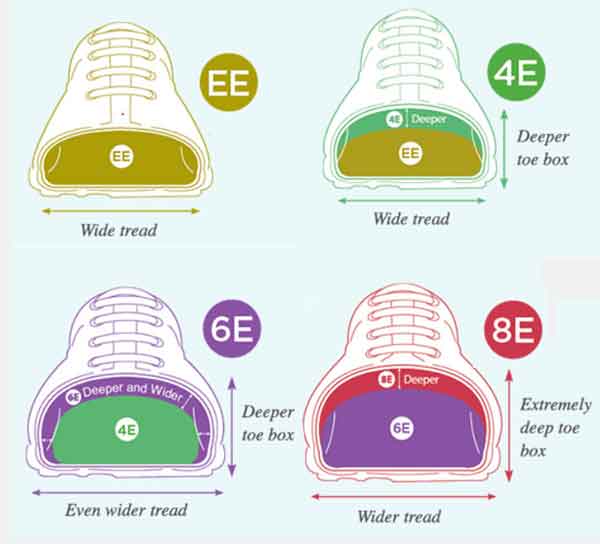
In the United States, 4E is a shoe-width code that usually means extra-extra-wide. It is most common in men’s shoes, where D is standard, 2E is wide, and 4E is extra wide. A 4E shoe gives the foot more room across the ball of the foot and toe box than a regular-width shoe.
The label does not describe shoe length. You still need the right U.S. shoe size, such as 10 4E or 11 4E. Width labels also vary by brand, shoe type, and whether the shoe is made for men or women, so a 4E in one brand may not feel exactly like a 4E in another.

What does 4E mean in shoe sizing?
4E means an extra-wide shoe width, usually in the U.S. men’s sizing system. The number shows the width step above the standard width.
A typical U.S. men’s width scale looks like this:
| Width code | Common meaning |
|---|---|
| B | Narrow |
| D | Standard or medium |
| 2E | Wide |
| 4E | Extra wide |
| 6E | Extra-extra-wide in some brands |
For women’s shoes, the scale often uses different letters:
| Width code | Common meaning in women’s shoes |
|---|---|
| 2A | Narrow |
| B | Standard or medium |
| D | Wide |
| 2E | Extra wide |
| 4E | Extra-extra-wide in some brands |
These labels are common U.S. conventions, not one universal rule. Shoe makers set their own measurements and may use different width ranges. For that reason, check the brand’s size chart before you buy.
A 4E shoe is usually wider through the forefoot. It may also have a wider base, a roomier toe box, or more upper material. However, the exact shape depends on the shoe’s last, which is the form used to build the shoe.
Is 4E the same as extra wide?
Yes, 4E usually means extra wide or extra-extra-wide in U.S. men’s shoes. Many brands call 2E “wide” and 4E “extra wide.”
The wording can differ:
- Wide: often 2E in men’s shoes
- Extra wide: often 4E in men’s shoes
- Extra-extra-wide: sometimes 6E, though not every brand makes it
- XX-wide: another label some brands use for 4E or a similar width
The key point is that “extra wide” is a category name, while 4E is a width code. The two terms often describe the same range, but you should not assume they are identical across all brands.
For example, one brand may list a shoe as 4E, while another may call a similar shoe XX-wide. Their actual inside measurements can still differ. The upper, toe shape, arch position, and sole design also affect how wide the shoe feels.
Does 4E mean the shoe is wide everywhere?
Not always. A 4E shoe may be wider mainly at the forefoot. Some models add more space through the heel and midfoot, while others keep the heel fairly secure.
This matters because a shoe can feel roomy at the toes but loose at the heel. A good fit should give your toes space without allowing your heel to slide with each step.

Who may need a 4E shoe?
A person may need a 4E shoe if a standard or 2E shoe feels tight across the forefoot, toes, or sides of the foot. Wide feet can be natural, or they can become wider because of swelling, bunions, hammertoes, or other foot changes.
Common signs that a shoe may be too narrow include:
- Red marks along the sides of the foot
- Pressure on the little toe or big-toe joint
- Toes overlapping or feeling squeezed
- Numbness, tingling, or burning while wearing the shoe
- Blisters along the sides of the forefoot
- A foot spilling over the edge of the outsole
- Laces that sit very far apart after you tighten them
- Pain that improves when you remove the shoe
These signs do not prove that you need 4E. The shoe may have the wrong shape, poor support, or an unsuitable length. Still, repeated side pressure is a strong reason to measure your feet and try a wider fit.
People with diabetes, reduced sensation, poor circulation, or ongoing foot pain should take fit problems seriously. The American Diabetes Association advises people with diabetes to protect their feet and check them often. If you have reduced feeling in your feet, ask a health professional about safe footwear rather than relying only on comfort.

How to tell if you need 4E shoes
The best way to choose a width is to measure both feet and compare the result with the specific brand’s chart. Do this near the end of the day, when feet may be slightly larger than in the morning.
Step 1: Gather the items
You need:
- A sheet of paper larger than your foot
- A pencil
- A ruler or measuring tape
- The socks you plan to wear
- A flat floor and a wall
Step 2: Measure both feet
- Put the paper on the floor with one edge against a wall.
- Stand with your heel lightly touching the wall.
- Keep your full weight on the foot.
- Trace around the foot, or have another person mark the longest toe and the widest part of the forefoot.
- Measure both feet.
- Use the larger foot when choosing a size.
Do not press the pencil under the foot. That can make the outline smaller than your real foot.
Step 3: Compare length and width
Use the brand’s U.S. chart to compare your measurements. Do not compare only your usual shoe number. Your size can change between brands and shoe types.
If the length is correct but the shoe is tight at the sides, try a wider width before moving to a longer size. A longer shoe may give your toes extra room, but it can also make the heel slip and change where the shoe bends.
Step 4: Test the fit while standing
Your feet spread under body weight. Stand and walk in both shoes.
A well-fitting 4E shoe should generally allow:
- The toes to move without being squeezed
- The widest part of the foot to sit inside the shoe’s widest part
- The heel to stay mostly in place
- No painful pressure on the sides
- No rubbing that worsens after a few minutes
A shoe should feel comfortable when you try it on. Do not assume a painful shoe will “break in” safely, especially if you have diabetes or reduced sensation.

4E shoe size examples
The number and the width work together. Here are simple examples:
- Men’s 9 4E: U.S. size 9 with an extra-wide width
- Men’s 10 4E: U.S. size 10 with an extra-wide width
- Women’s 8 4E: U.S. size 8 in a very wide width, if that brand offers it
- Men’s 10 D: U.S. size 10 in a standard width, not extra wide
A 10 4E is not the same as an 11 D. The first shoe is shorter but wider. The second is longer but narrower. Choosing between them depends on both foot length and foot width.
Hypothetical fit example
Suppose a person wears a men’s size 10 in length. A standard 10D pinches at the sides, and a 10 2E still creates pressure near the little toe. The person may wish to try a 10 4E.
If the 10 4E feels loose at the heel, the issue may be the shoe’s shape rather than the width code alone. A different 4E model with a more secure heel may fit better. Lacing methods can help with mild heel movement, but they cannot correct a badly matched shoe shape.

What is the difference between 2E and 4E shoes?
4E is wider than 2E in the common U.S. men’s width system. A 2E shoe is often called wide, while a 4E shoe is often called extra wide.
| Feature | 2E | 4E |
|---|---|---|
| Common label | Wide | Extra wide |
| Best starting point | Mild to moderate width need | Greater forefoot width |
| Side-to-side room | More than standard | More than 2E |
| Availability | Common | Less common |
| Brand variation | Possible | Often more noticeable |
Start with the narrowest width that gives your foot enough room. A shoe that is too wide can allow the foot to slide, which may lead to rubbing or poor control.
If you are unsure, try the same shoe in D, 2E, and 4E when possible. Wear the socks you normally use and walk on a clean indoor surface. Compare pressure at the toes, the widest part of the foot, and the heel.

Can women wear 4E shoes?
Yes, women can wear 4E shoes if the shoe fits well and the brand offers the width. The label is not a restriction on who can wear the shoe.
However, many women’s shoe lines use a different width scale. In those lines, D may mean wide, 2E may mean extra wide, and 4E may be rare. A women’s 4E shoe may also have a different heel shape, toe shape, or length fit than a men’s 4E shoe.
Some people consider men’s wide shoes when women’s options do not provide enough room. That can work, but compare the actual size chart carefully. Men’s and women’s shoes may differ in:
- Length grading
- Heel width
- Toe shape
- Arch placement
- Upper height
- U.S. size conversion
Do not convert by adding or subtracting a fixed number and assume the width will match. Try the shoe on or use the brand’s own conversion chart.

Is 4E the widest shoe width?
No. 4E is not always the widest width available. Some brands offer 6E or other extra-wide options, while others stop at 4E.
The widest option also depends on the shoe category. Athletic shoes may offer more width choices than dress shoes, work shoes, sandals, or boots. A brand may make one model in 4E but offer another model only in standard and wide widths.
If 4E is still tight, look for:
- A 6E option
- A deeper toe box
- A shoe with a stretch upper
- A foot-shaped or anatomical toe area
- A wider outsole
- A model designed for swelling or foot conditions
Do not simply remove the insole to create more room. That can change cushioning, support, and foot position. Also avoid shoes that are so loose that your foot slides forward or your heel lifts sharply.
Persistent pain, swelling, numbness, skin damage, or one-sided changes should be assessed by a podiatrist or another qualified health professional.

Common mistakes when buying 4E shoes
Mistake 1: Treating 4E as a length
4E describes width, not length. You still need to choose the correct U.S. length size.
Mistake 2: Assuming every 4E measures the same
Width codes are not perfectly uniform across brands. Check the brand chart and read the fit notes for the exact model.
Mistake 3: Buying a longer shoe instead of a wider shoe
A longer shoe may reduce pressure at the sides, but it can cause heel movement and affect walking stability.
Mistake 4: Measuring only one foot
Many people have one foot that is slightly longer or wider. Measure both and fit the larger foot.
Mistake 5: Ignoring the toe box
A shoe may be labeled 4E but still have a pointed or shallow toe box. Width at the ball of the foot does not guarantee enough vertical or toe space.
Mistake 6: Judging fit while sitting
Your feet spread when you stand. Walk around while wearing both shoes and check the fit near the end of the day.
Mistake 7: Choosing the widest shoe without checking heel fit
Extra space can help the forefoot but hurt stability if the heel is too loose. Look for a balance between toe room and heel security.
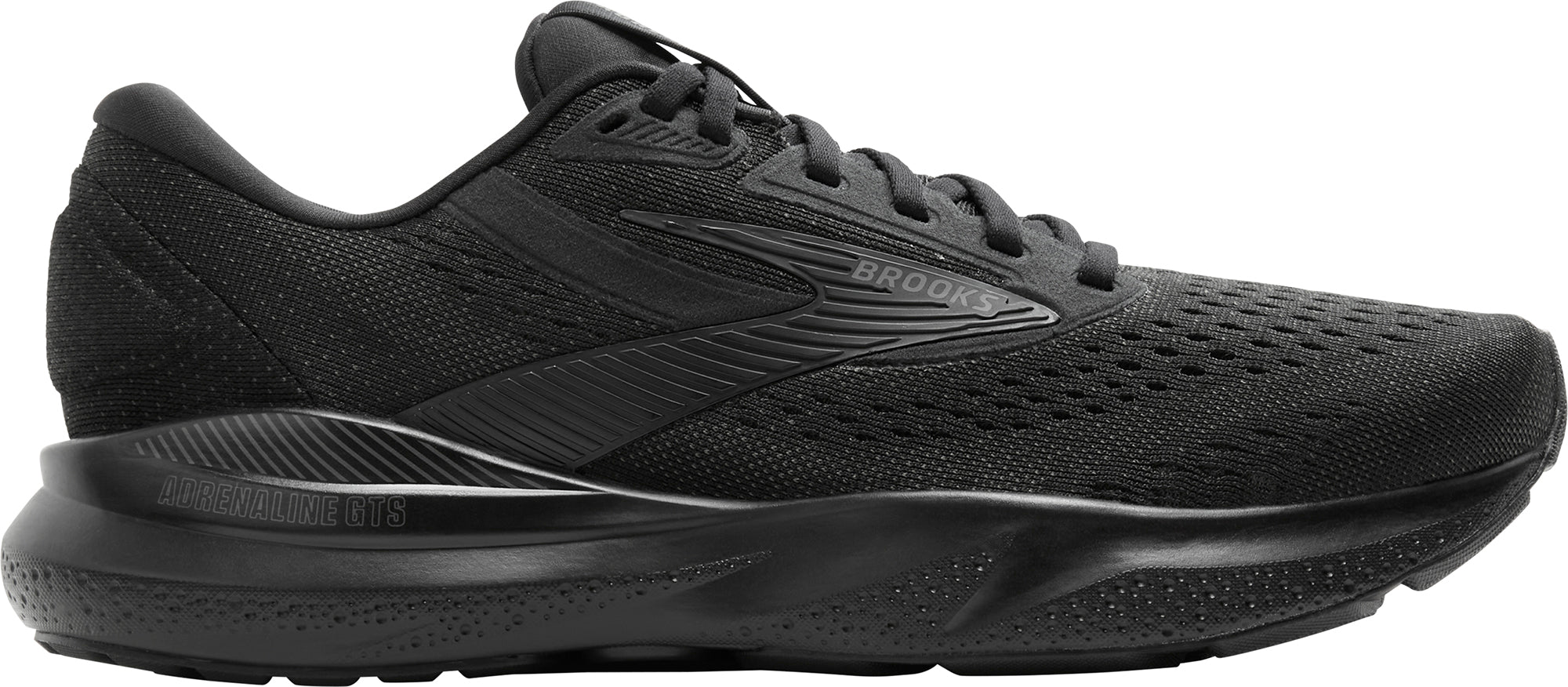
How should a 4E shoe fit?
A properly fitting 4E shoe should feel roomy across the forefoot without letting the foot slide from side to side. Your toes should have space to move, and the shoe should bend near the ball of your foot rather than directly under your arch.
Use this quick check: