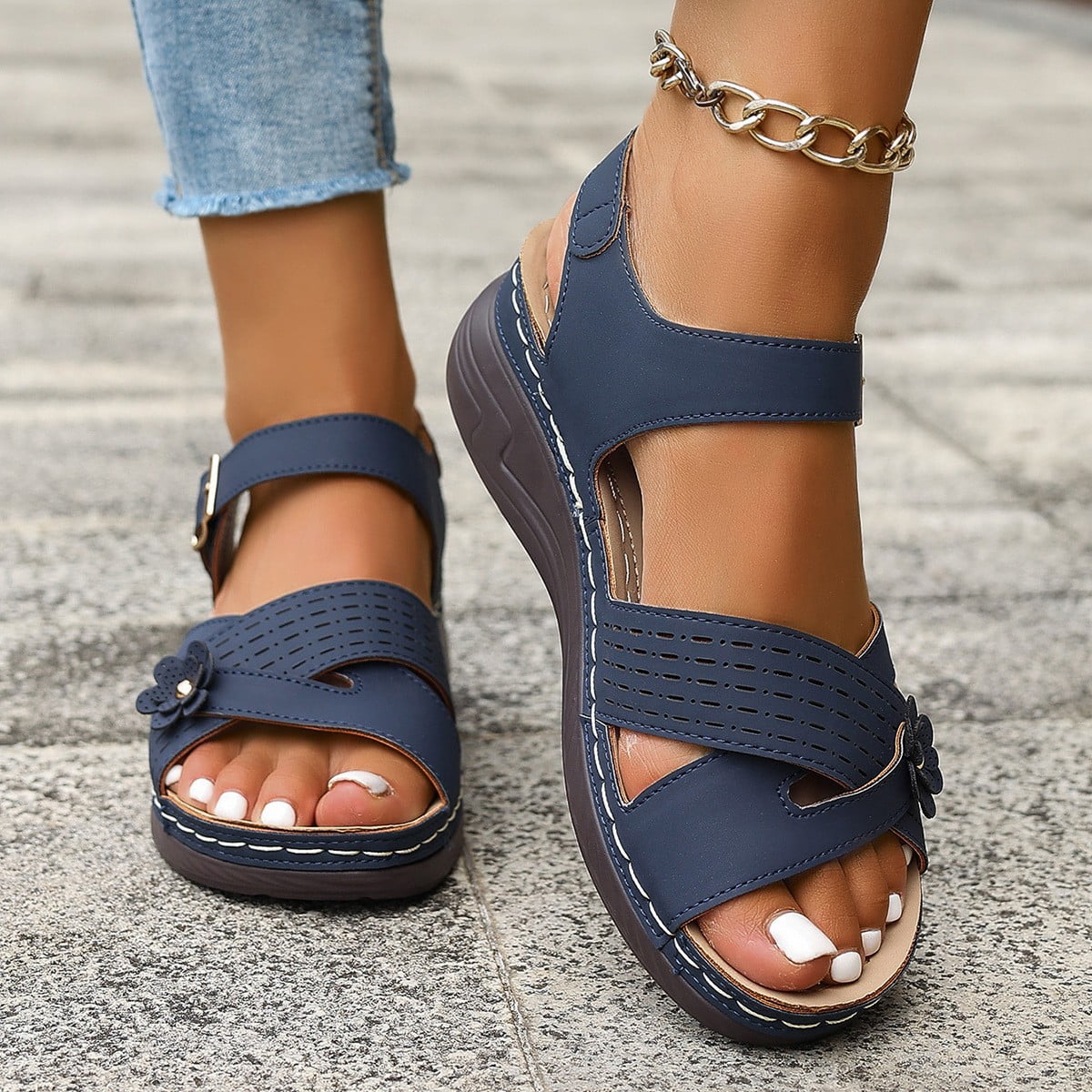
For women in the United States, the most comfortable sandals are usually the ones that fit well, stay secure, and support your foot without rubbing. A good pair should have adjustable straps, enough room for your toes, a stable sole, and cushioning that suits the way you walk.
There is no single sandal that feels best for every woman. A sandal for a beach trip may not work for a full day at a theme park, and a soft recovery slide may not provide enough support for long walks. The right choice depends on your foot shape, activity, climate, and any pain or medical needs.
This guide explains how to choose comfortable women’s sandals, which features matter most, and which types may fit common needs.
Quick Answer: Which Women’s Sandals Are Most Comfortable?
The most comfortable women’s sandals tend to fall into these groups:
| Best for | Sandal type to consider | Key comfort features |
|---|---|---|
| Long walks | Sport or walking sandals | Adjustable straps, firm footbed, shock absorption, heel security |
| Wide feet | Adjustable leather or sport sandals | Wide toe box, flexible straps, multiple fit points |
| High arches | Contoured footbed sandals | Arch support, cushioning, stable sole |
| Flat feet | Supportive walking sandals | Structured footbed, firm midsole, heel stability |
| Plantar heel pain | Cushioned supportive sandals | Heel cushioning, arch support, low heel-to-toe strain |
| Recovery at home | Foam recovery slides | Soft cushioning, broad upper, easy entry |
| Hot weather | Lightweight leather or textile sandals | Breathable upper, moisture control, secure fit |
| Travel | Adjustable walking sandals | Low weight, traction, quick-drying materials |
| Dress occasions | Low-heel comfort sandals | Padded straps, stable heel, moderate height |
For most people, an adjustable walking sandal is the safest starting point. It offers more control than a loose flip-flop and more airflow than a closed shoe.
Look for a sandal that feels comfortable when you first try it, but also test it for pressure points. A shoe that feels soft for five minutes may still cause blisters or foot fatigue after several hours.
What Makes a Sandal Comfortable?
Comfort comes from fit, support, cushioning, stability, and materials working together. Extra softness alone does not guarantee comfort.
1. A secure, adjustable fit
A comfortable sandal should hold your foot in place without squeezing it. Adjustable straps help you fine-tune the fit as your feet swell during the day.
Useful adjustment points include:
- A strap across the toes
- A strap across the midfoot
- A heel strap
- Hook-and-loop closures
- Buckles with several settings
- Stretch panels that do not press on sensitive areas
Your heel should not slide far beyond the back of the footbed. Your toes should not hang over the front. If your foot moves around inside the sandal, your muscles may work harder to keep the shoe on.
2. Enough space for the toes
Your toes need room to spread and move. A narrow front can create pressure on bunions, hammertoes, or the sides of the foot.
The widest part of your foot should rest inside the widest part of the sandal. Your toes should not touch the edge of the sole or press against the upper.
A rounded or anatomical toe area often feels better than a sharply pointed design. However, a wide shape does not help if the sandal is too long or lacks a secure strap.
3. A supportive footbed
A footbed is the part of the sandal that supports the bottom of your foot. It may be flat, molded, cushioned, or shaped with an arch area and heel cup.
A supportive footbed may include:
- A mild arch shape
- A heel cup
- A stable midsole
- A contoured surface
- Cushioning under the heel and forefoot
Support should feel steady, not painful. A firm arch bump in the wrong place can create more pressure than a flatter design.
4. Cushioning that matches the activity
Cushioning reduces the force felt by your feet as you walk on hard surfaces. Foam can feel soft and light, while rubber or firmer midsoles may provide more stability.
Very soft sandals can feel pleasant at first. They may not be ideal for long walks if your foot sinks too deeply or rolls from side to side. For daily walking, moderate cushioning with a stable base often works better than maximum softness.
5. A stable sole
A stable sandal should resist unwanted twisting. The sole should also bend near the toes rather than folding in the middle.
Check for:
- A broad base
- A heel that does not wobble
- Flex near the ball of the foot
- Rubber or textured traction
- A sole that does not collapse under light pressure
A stable sole matters even more on sidewalks, stairs, ramps, and uneven ground.
6. Comfortable straps and uppers
Straps should lie flat against the skin. They should not cut into the top of the foot or rub between the toes.
Soft leather, padded textile, and smooth synthetic materials may reduce friction. Some sport sandals use quick-drying webbing, which can work well in wet conditions but may still rub if the fit is too tight.

The Most Comfortable Women’s Sandals by Use
The best sandal changes with the task. A beach sandal, walking sandal, and dress sandal solve different problems.
Best for all-day walking
Choose an adjustable walking sandal with a heel strap, a firm footbed, and good traction.
Good features include:
- Two or more adjustment points
- A contoured footbed
- A cushioned but stable midsole
- A rubber outsole
- A heel strap that prevents sliding
- A sole that bends at the front
Examples to investigate include sport sandals from Teva, Chaco, Keen, and similar outdoor footwear brands. Models vary, so check the exact version rather than relying only on the brand name.
A walking sandal should feel secure when you walk uphill and downhill. If you grip the sole with your toes to keep the sandal on, the sandal may be too loose or poorly shaped for your foot.
Best for wide feet
Women with wide feet often do better with sandals that have adjustable straps and a broad front. Avoid relying on the label “wide” alone. Some wide sandals add width in the heel but remain narrow near the toes.
Look for:
- A wide or anatomical toe area
- Straps that can move or adjust
- Soft material over bunions
- A footbed that is wide from heel to toe
- No seam across a sensitive joint
Brands such as Birkenstock, Keen, and certain sport-sandal lines offer shapes that may suit wider feet. Fit varies by model, so try both shoes and walk on a hard, flat surface.
Best for high arches
High arches may benefit from a sandal with a shaped footbed and enough cushioning under the heel and forefoot.
A useful design may include:
- Moderate arch support
- Heel cushioning
- A flexible forefoot
- A secure midfoot strap
- A footbed that does not feel sharply raised
A very rigid arch shape can feel uncomfortable if it does not match your foot. Try the sandal with your full weight on it. The arch support should contact the foot without creating a hard pressure point.
Best for flat feet
People with flat feet may prefer a sandal with a stable base and structured support. A completely flat, flimsy sole may allow too much foot motion.
Look for:
- A firm midsole
- A stable heel area
- A broad base
- A mild or moderate arch shape
- A heel strap
- Even wear across the sole
Flat feet are not automatically a problem, and not everyone needs strong arch support. If a sandal causes pain, numbness, or unusual fatigue, stop wearing it and consider a professional fitting.
Best for plantar heel pain
People with plantar heel pain often look for sandals with cushioning and support. A sandal may feel better when it has a cushioned heel, a supportive midsole, and a secure fit.
Avoid:
- Bare, flat soles
- Thin flip-flops for long walks
- Loose slides that make you grip with your toes
- Worn-out footbeds
- Sudden changes from supportive shoes to very flat sandals
Foot pain can have many causes. The American Academy of Orthopaedic Surgeons recommends medical evaluation when pain is severe, persistent, or linked with swelling, weakness, or difficulty walking.
Best for recovery and indoor wear
Foam recovery slides can feel comfortable after exercise or during light use at home. OOFOS OOriginal and similar recovery sandals use soft foam designs, while other brands use molded EVA or rubber.
These sandals may work well for:
- Short walks
- Poolside use
- Wearing after exercise
- Indoor errands
- Resting at home
They may not provide enough heel security or traction for long hikes, wet stairs, or fast walking. A soft slide is not the same as a supportive walking sandal.
Best for travel
Travel sandals should balance comfort, weight, security, and versatility. An adjustable sport sandal often works better than a loose slide when you will walk through airports, cities, parks, or museums.
Prioritize:
- Low weight
- A secure heel strap
- Fast-drying material
- A sole with traction
- Easy cleaning
- Enough support for hard pavement
Break in travel sandals before your trip. Do not make a new pair your only shoe on a long vacation.
Best dress sandals
Dress sandals can be comfortable when they use a low, stable heel and padded straps. A very high heel shifts more weight toward the front of the foot and may increase pressure on the toes.
Look for:
- A low or block heel
- A cushioned footbed
- Wide, smooth straps
- A stable base
- A heel that does not slip
- Enough toe room
A dress sandal can be comfortable for dinner or a short event without being suitable for a full day of walking.
Comfortable Women’s Sandal Brands and Models to Consider
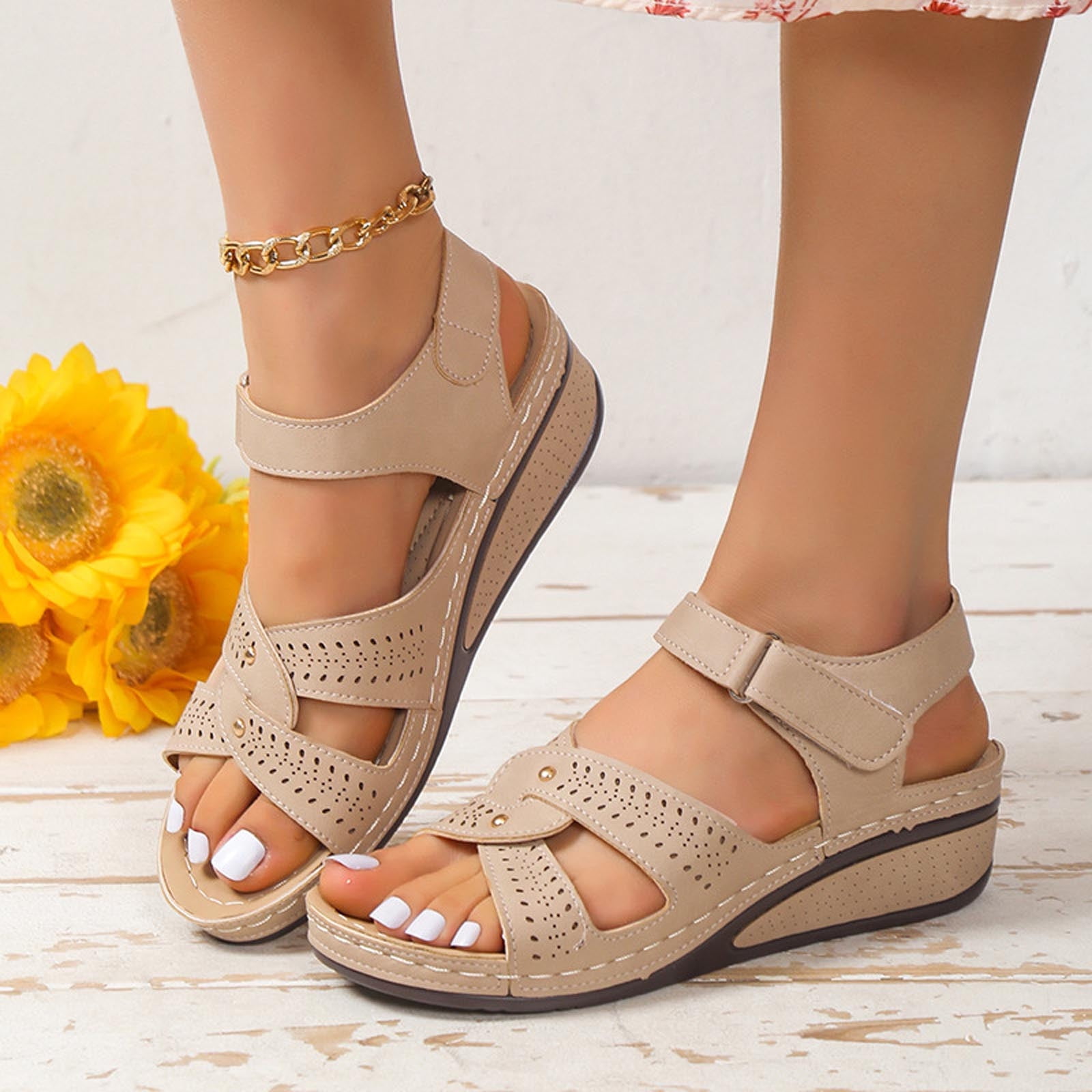
No brand fits every foot. The examples below are starting points, not universal winners. Product materials, footbed versions, colors, and sizing can change, so check the current specifications before buying.
Birkenstock Arizona
The Arizona is known for its two-strap design and shaped footbed. The adjustable straps can help secure the midfoot, while the footbed gives the sandal a structured feel.
It may suit people who want:
- A firm, supportive sandal
- Adjustable midfoot straps
- A roomy toe area
- A casual everyday style
The firm footbed is not comfortable for everyone. New wearers may need a gradual break-in period, and the open heel may not provide enough security for fast walking.
Chaco Z/Cloud and similar sport sandals
Chaco’s sport sandals use adjustable straps and a more structured outdoor design. The exact comfort feel depends on the model and foot shape.
They may suit people who want:
- Strong foot retention
- Outdoor traction
- Adjustable straps
- A sandal for walking and travel
The straps can take time to adjust. Some users may find the sole too firm or the strap system too bulky for dressier use.
Teva Hurricane and similar walking sandals
Teva’s adjustable sport sandals are often designed for casual walking, travel, and outdoor use. Their fit and cushioning differ by model.
They may suit people who want:
- A lightweight outdoor sandal
- Hook-and-loop adjustments
- A heel strap
- A casual travel option
Check the sole and upper of the exact model. Not every Teva sandal offers the same level of cushioning or footbed shape.
Vionic sandals
Vionic makes sandals with structured footbeds and designs aimed at everyday support. Some styles carry the American Podiatric Medical Association’s Seal of Acceptance, but the seal applies to specific products and does not mean every style will fit every person.
They may suit people who want:
- A more structured footbed
- Dress and casual choices
- Adjustable straps
- A sandal that bridges support and style
Try them carefully if you are not used to arch support. A shaped footbed can feel helpful or intrusive depending on your foot.
OOFOS recovery sandals
OOFOS sandals are designed around soft foam cushioning and recovery use. They may feel comfortable for short walks, home wear, or after exercise.
They may suit people who want:
- A soft, cushioned feel
- Easy slip-on wear
- A recovery sandal
- A lightweight option
They are not a replacement for a secure hiking or walking sandal. Check the outsole traction before using them on wet or uneven surfaces.
Naot and Dansko sandals
Naot and Dansko offer many leather sandals with structured footbeds, adjustable straps, and supportive construction. Some designs have more room and stability than typical fashion sandals.
They may suit people who want:
- Leather construction
- A supportive casual style
- A dressier option
- A stable sole
Their styles vary widely. Compare heel height, strap placement, width, and footbed shape for each model.

How to Choose the Right Size and Fit
The correct size is more important than the brand. Measure both feet because one foot may be longer or wider than the other.
Use this simple fitting process:
- Try sandals late in the day. Feet often swell after hours of standing and walking.
- Wear the socks you plan to use. Most sandals are worn barefoot, but some sport sandals work with socks.
- Stand fully upright. Do not judge fit while sitting.
- Check the toe area. Your toes should stay inside the footbed without touching the front edge.
- Check the heel. Your heel should not spill over the back.
- Walk for several minutes. Use stairs or a hard floor if the store allows it.
- Look for pressure points. Pay attention to straps, seams, arches, and the space between the toes.
- Test both sandals. Do not buy based on the fit of only one foot.
A little space around the foot is normal. Excess space is not. If the sandal slides while you walk, tightening the straps may not solve the problem.
How much room should sandals have?
Your toes should fit inside the footbed with a small margin at the front and sides. They should not hang over the sole.
The foot should also sit in the center of the footbed. If the outer edge of your foot rests on the rim, the sandal is likely too narrow even if the length is correct.
Should sandals feel tight at first?
They should feel secure, not painfully tight. Leather may soften with wear, but it should not need to stretch over a painful pressure point.
Do not assume that blisters, numbness, or sharp arch pain will disappear during break-in. These signs usually point to a poor fit or a design that does not match your foot.
Are Flat Sandals Comfortable?
Flat sandals can be comfortable for short periods, but a very thin and flexible sole may not provide enough protection or support for long walks.
A flat sandal may work well when it has:
- A stable sole
- Some cushioning
- A secure fit
- A smooth footbed
- Enough room for the toes
The problem is not simply that a sandal is flat. The bigger issue is often a lack of structure, cushioning, and heel security.
Flip-flops are useful for showers, pools, and brief casual wear. They are usually less suitable for long-distance walking because they can slide off and may encourage toe gripping.
Are Birkenstocks Good for Walking?
Birkenstocks can be comfortable for walking when the footbed shape suits you and the sandal fits securely. Their structured design may provide more support than a thin flip-flop.
However, they are not automatically the best walking sandal for everyone. The firm footbed, open heel, and break-in period may be drawbacks for some users.
Start with short walks. Check for rubbing, arch pressure, and heel movement. If the sandal feels stable and pain-free after gradual use, it may work well for casual walking.
Are Skechers Sandals Comfortable?
Skechers makes several types of sandals, including cushioned slides, casual sandals, and walking designs. Comfort depends on the exact model, footbed, straps, and activity.
A Skechers sandal may suit someone who wants:
- A soft, familiar feel
- Casual everyday wear
- Lightweight cushioning
- Easy slip-on styles
For long walks, choose a model with a secure heel strap and a stable sole rather than a loose slide. Read the product details for the specific sandal, since cushioning names do not tell you how well the shoe will fit your foot.
How to Break In New Sandals Safely
Break in sandals gradually instead of wearing them all day at once.
Use this approach:
- Wear them indoors for 20 to 30 minutes.
- Check your skin for redness or rubbing.
- Adjust the straps before the next wear.
- Add short outdoor walks.
- Stop if you develop a blister, numbness, or sharp pain.
- Avoid long trips until the sandals feel reliable.
Do not place adhesive padding over a poor fit and assume the issue is solved. Padding can help with a small friction spot, but it cannot correct a narrow footbed or unstable sole.
If you are prone to blisters, moisture-wicking socks may help with sport sandals. Keep broken skin clean and dry, and seek medical care if a wound becomes red, swollen, warm, or infected.
Common Mistakes When Buying Comfortable Sandals
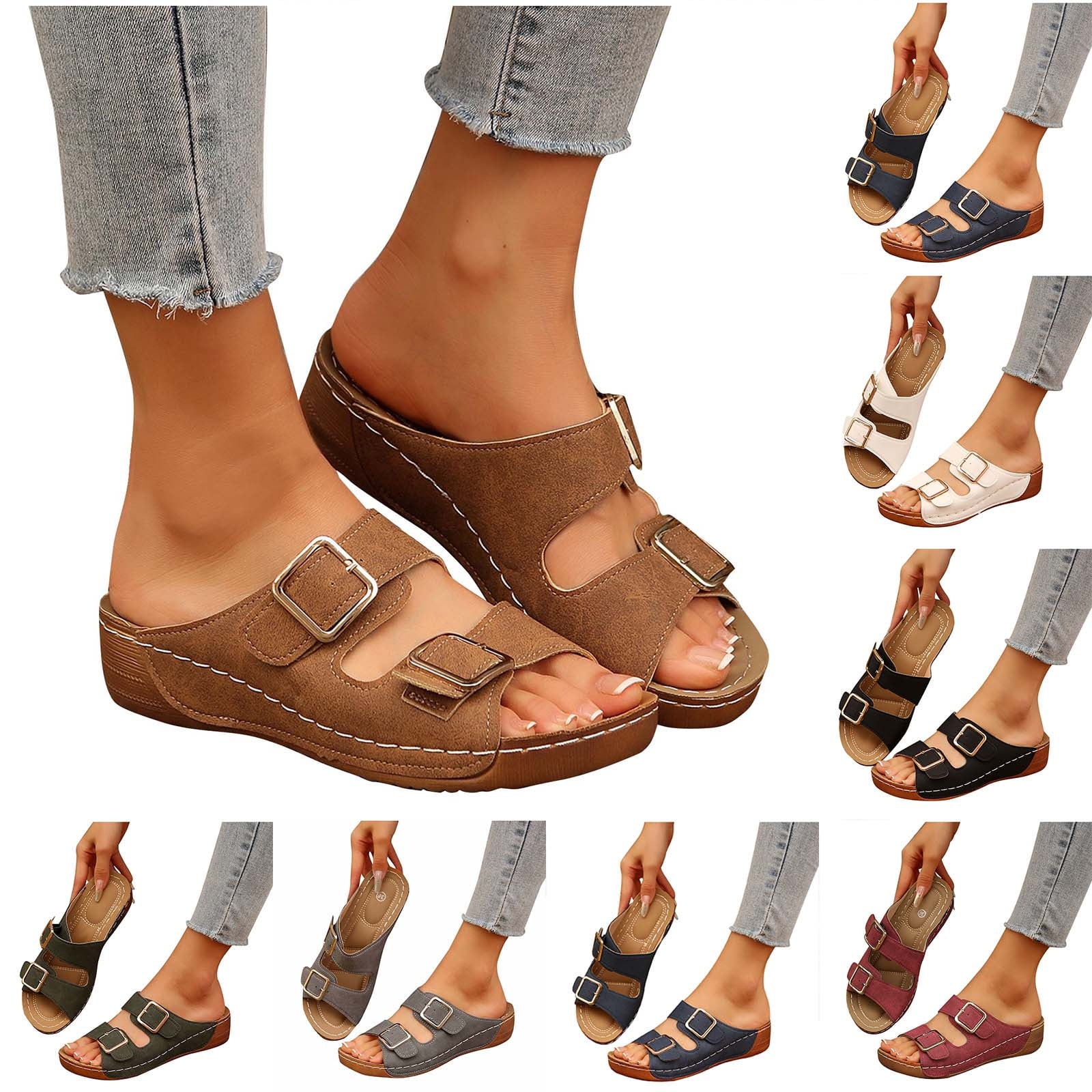
The most common mistake is choosing softness instead of fit. A sandal can feel plush but still slide, twist, or strain the foot.
Avoid these errors:
- Buying the same size as your favorite sneaker without checking the brand chart
- Choosing a loose slide for long-distance walking
- Ignoring the width of the toe area
- Wearing a new pair on a full-day trip
- Picking a high heel for extended standing
- Assuming a popular brand fits every foot
- Wearing worn-out sandals with compressed cushioning
- Using beach sandals for hiking or rough terrain
- Tightening straps until they leave deep marks
- Ignoring pain because the sandal looks attractive
Replace sandals when the sole is worn smooth, the footbed is compressed, the straps no longer hold the foot, or the sandal tilts unevenly.
There is no universal replacement schedule. How long sandals last depends on walking distance, body weight, materials, weather, and care.
When Should You See a Foot Specialist?
See a podiatrist or another qualified health professional if foot pain persists, worsens, or changes the way you walk.
Professional advice is especially useful if you have:
- Diabetes
- Reduced feeling in the feet
- Poor circulation
- A history of ulcers
- Severe bunions
- Repeated falls
- Persistent heel pain
- Swelling or unexplained redness
- Numbness or burning
- Pain after an injury
People with diabetes or reduced sensation should be careful with open footwear. A small rub or cut may go unnoticed and become serious. A clinician can help assess footwear needs and treat the cause of the pain.
How to Compare Women’s Sandals Before You Buy
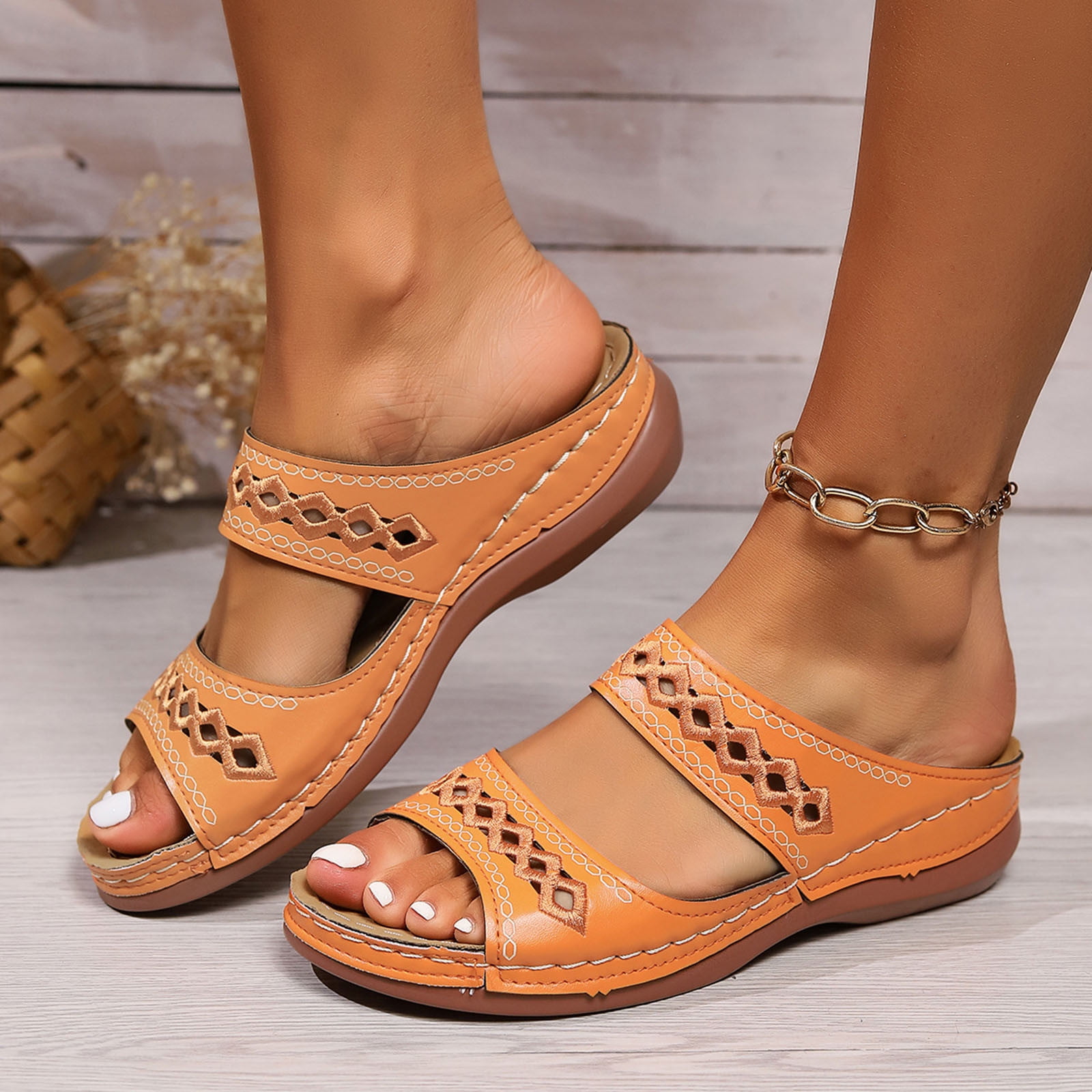
Use this short scorecard to compare two or more pairs. Rate each item from zero to two:
| Feature | 0 points | 1 point | 2 points |
|---|---|---|---|
| Fit security | Slides around | Some movement | Holds foot well |
| Toe room | Crowded | Acceptable | Roomy without excess |
| Strap comfort | Rubs or pinches | Noticeable | Smooth and secure |
| Footbed | Flat or harsh | Moderate | Supportive and comfortable |
| Cushioning | Too thin or unstable | Adequate | Suits the intended use |
| Traction | Smooth | Average | Secure on the intended surface |
| Flexibility | Stiff in the wrong place | Moderate | Bends near the toes |
| Weight | Heavy | Average | Light enough for use |
This is not a medical test or a quality rating. It is a way to compare fit and function for your own needs.
For example, a sandal may score well for cushioning but poorly for heel security. That may make it good for home wear but a poor choice for travel.
Frequently Asked Questions
What are the most comfortable sandals for standing all day?
Choose a sandal with a secure heel strap, moderate cushioning, a stable sole, and adjustable straps. Avoid thin flip-flops and loose slides if you will stand on hard floors for many hours.
What sandals are best for walking on pavement?
Walking sandals with firm cushioning, rubber traction, and a secure heel usually work best on pavement. Sport sandals from established outdoor footwear brands are often useful starting points, but fit matters more than the label.
Are sandals with arch support better?
Arch support is helpful only when it matches your foot and feels comfortable. Stronger support is not always better. A footbed that causes pressure or pain is the wrong design for you.
What are the best sandals for bunions?
Look for a wide toe area, soft straps, and no hard seam over the bunion. Adjustable sandals can help you reduce pressure, but severe or painful bunions may need professional assessment.
Can I wear sandals if I have plantar fasciitis?
Some people find supportive, cushioned sandals more comfortable than thin, flat sandals. Avoid sudden increases in walking and seek clinical advice if heel pain continues or affects daily activity.
Final Recommendation
For most women, the best comfortable sandals are adjustable walking sandals with a supportive footbed, moderate cushioning, a stable sole, and enough toe room. Choose a firmer sport sandal for long walks, a cushioned recovery slide for short indoor use, and a low-heel dress sandal for events.
Try sandals late in the day, walk in both shoes, and treat pain as a warning rather than a break-in requirement. The best pair is not the softest or most popular model. It is the pair that fits your foot securely and stays comfortable for the activity you plan to do.
Research basis
This guide draws on footwear and foot-health information from:
- American Academy of Orthopaedic Surgeons: Plantar Fasciitis and Bone Spurs
- American Podiatric Medical Association: Seal of Acceptance
- American Diabetes Association: Foot Care
- Manufacturer product information for Birkenstock, Chaco, Teva, Vionic, OOFOS, Naot, Dansko, Keen, and Skechers
These sources describe general footwear features, product designs, and foot-care concerns. They do not establish that one sandal is best for every person.

Michael Smith is the Content Strategist behind The Style Hub, where fashion meets function. With a keen eye for trends and a passion for everyday style, he curates content that helps readers make smarter, more stylish choices—from the perfect pair of sneakers to must-have accessories. Michael specializes in breaking down fashion into practical, wearable insights, making style accessible for everyone. When he’s not researching the latest trends, he’s exploring how comfort, innovation, and timeless design come together in modern fashion.