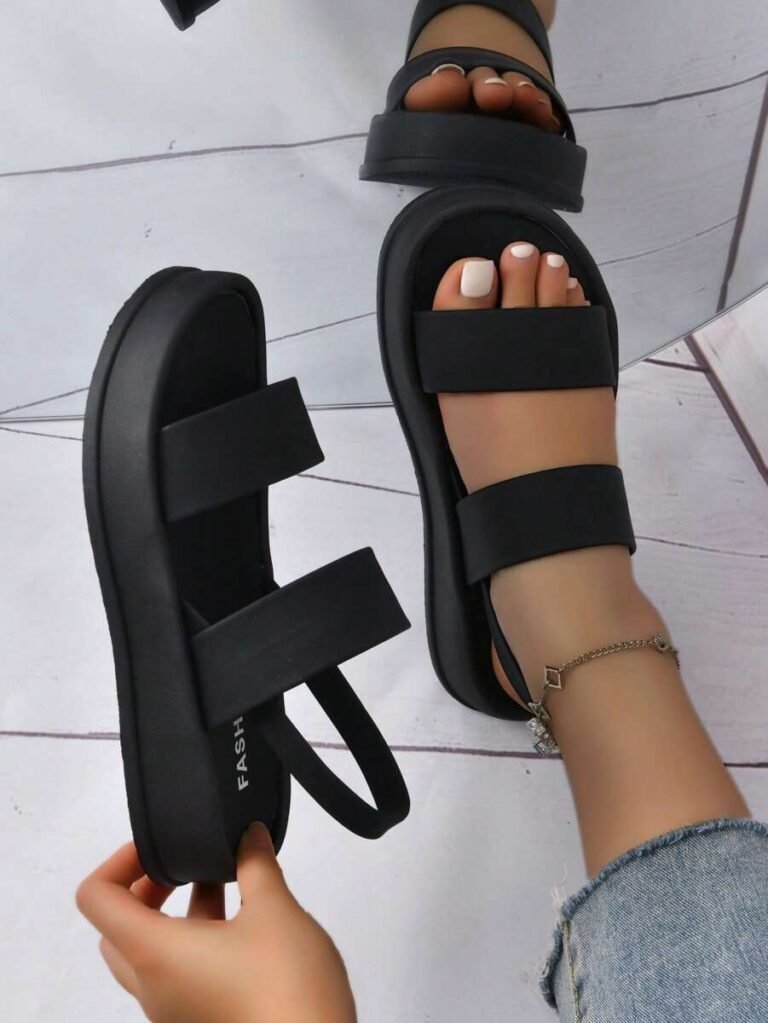
How To Spot Fake Saltwater Sandals: 5 Easy Checks
Fake Salt-Water sandals can look very close to the real thing. The safest way to check a pair is to review the seller first, then compare the shoes with the exact style on the official Salt-Water website. Look at the logo, stitching, buckle, sole, materials, packaging, and price together. One small flaw does not prove a sandal is fake, but several warning signs should make you stop.
This guide is for shoppers in the United States buying Salt-Water sandals online, from resale apps, or in stores. It explains what to check before and after you buy, how to handle a suspicious pair, and why some genuine sandals may still show small differences.

What authentic Salt-Water sandals should look and feel like
Authentic Salt-Water sandals are known for their leather upper, brass-colored buckle, rubber sole, and water-friendly construction. The brand’s classic designs have a simple look, but the materials and finishing should still appear neat and deliberate.
Salt-Water sandals are made to be worn in and around water. That does not mean every pair will look flawless after use. Salt, sand, chlorine, sun, and poor storage can change the leather and metal over time.
Check these general traits:
- Leather upper: The leather should look like real leather rather than thin plastic or shiny vinyl. Natural grain and small differences in texture can be normal.
- Brass-colored buckle: The buckle should feel solid and move smoothly. It should not feel extremely light, sharp, or poorly plated.
- Rubber outsole: The sole should be firmly attached and have a clear, useful tread pattern.
- Clean stitching: Thread should follow the edges with fairly even spacing. Small factory variations can occur, but loose threads and large gaps are warning signs.
- Clear branding: The Salt-Water name, logo, or size marks should look sharp and properly placed for that model.
- Secure straps: Straps should connect firmly to the sole. They should not pull away with light handling.
The exact details can vary by style. Classic Salt-Water sandals, Wave sandals, slides, and newer designs may use different straps, footbeds, logos, or sole patterns. Always compare your pair with the same model, color, and approximate production version.
A useful distinction: imperfect does not always mean counterfeit
Real sandals can have minor marks, uneven leather grain, glue traces, or small differences in stitching. These issues may come from normal production variation, storage, or wear.
A fake pair usually raises more than one concern. For example, an unusually low price combined with a poor logo, weak buckle, incorrect packaging, and a sole that does not match the model is much more serious than one loose thread.

How to check Salt-Water sandals step by step
Use this order when checking a pair. Start with the seller because a trustworthy supply chain is stronger evidence than appearance alone.
1. Check the seller before checking the sandal
Buy from the official Salt-Water website, an established U.S. retailer, or a seller with a clear business identity and a reasonable return policy.
Be careful with:
- New pairs sold far below the usual retail price
- Marketplace sellers with many unrelated shoe brands
- Listings that use only stock photos
- Sellers who refuse to show the actual pair
- Missing contact details or vague return terms
- Pressure to pay outside the marketplace
- Listings that claim “factory direct” without proof
A low price is not automatic proof of a fake. Legitimate clearance, last-season colors, store closures, and secondhand sales can all reduce the price. The risk rises when the discount has no clear reason.
2. Match the style and color to the official product listing
Find the exact model on the official Salt-Water website. Compare:
- Strap shape
- Number and location of buckles
- Sole color
- Footbed color
- Logo placement
- Stitching pattern
- Available color names
- Size format
- Heel and toe shape
Do not compare a classic Original sandal with a different Salt-Water style and expect every detail to match. A genuine sandal may look “wrong” when it is simply a different model.
Also check whether the listed color actually exists for that style. A fake listing may combine the name of one model with the images or color of another.
3. Inspect the leather and straps
Genuine leather often has slight grain variation. It should not look perfectly uniform like molded plastic. It may also feel firm at first and soften with wear.
Warning signs include:
- A strong plastic smell
- Very thin straps
- A glossy surface that looks painted on
- Peeling material
- Foam or fabric showing through a cut edge
- Straps that are not aligned
- Holes that are punched roughly or placed unevenly
Do not reject a pair only because the leather is stiff. New leather sandals can feel firm. The more useful test is whether the material, cut, and finish match the expected style.
4. Examine the buckle and metal parts
The buckle is one of the easiest parts to inspect. It should have a solid feel and clean edges. The metal color may change with age or use, especially if the sandal has been exposed to water or sweat.
Look for:
- A buckle that bends easily
- Rough or sharp edges
- Flaking metal finish
- A pin that does not sit correctly
- Uneven holes or poor strap threading
- A buckle shape that differs from the official model photos
Metal discoloration alone does not prove a pair is fake. Authentic hardware can tarnish. A loose, flimsy buckle paired with other poor construction is more concerning.
5. Check the sole and construction
Turn the sandal over and inspect the outsole. The rubber should be firmly bonded to the upper. The tread should look intentional and consistent across both sandals.
Check for:
- Large gaps between the upper and sole
- Excess glue around the full edge
- A sole pattern that does not match the model
- Deep cuts, bubbles, or soft spots
- Two sandals with noticeably different shapes
- A sole that twists or separates with light pressure
Do not bend the sandal aggressively. A new pair can be damaged by force, and a weak-looking sole may simply reflect a flexible design. Use gentle pressure only.
6. Inspect labels, logos, and packaging
Compare any box, hangtag, sticker, or label with images from the official brand or a trusted retailer. Look for clear printing, consistent spelling, and a product description that matches the sandal.
Potential warning signs include:
- Misspelled brand or model names
- Blurry logos
- Different fonts on the box and sandal
- Missing size information
- A label that lists a color or model not sold by the brand
- Packaging that looks copied or unusually poor
Packaging is supporting evidence, not final proof. Genuine sandals may be sold without a box, especially through resale channels. Older stock may also use packaging that differs from current packaging.
7. Compare both sandals as a pair
Place the sandals side by side. They should match in:
- Color
- Strap placement
- Stitching
- Sole shape
- Buckle type
- Logo placement
- Size marking
Small differences in leather grain are normal. Large differences in shape, color, or hardware are not expected in a new pair.

The strongest red flags of counterfeit Salt-Water sandals
The strongest warning is a pattern of mismatched details, not one isolated flaw. Use the table below as a quick guide.
| Sign | What it may mean | How much weight to give it |
|---|---|---|
| Seller cannot provide real photos | The seller may not have the listed product | High |
| Price is far below normal with no reason | Possible counterfeit or misleading listing | Medium to high |
| Spelling or logo errors | Poor copying or fake packaging | High |
| Model details do not match official photos | Wrong product or counterfeit | High |
| Flimsy buckle or thin straps | Low-quality materials | Medium |
| Strong plastic smell | Synthetic material or chemical residue | Medium |
| Loose stitching and heavy glue | Poor construction | Medium |
| Missing box | Could be normal for resale | Low |
| Tarnished buckle | Could result from wear or water | Low |
| Minor leather marks | Could be normal material variation | Low |
A single missing box is weak evidence. A wrong logo, incorrect model, and suspicious seller together are strong evidence.
Why price needs context
Salt-Water sandals may appear at different prices because of sales, seasonal clearance, discontinued colors, used condition, or regional stock. Compare the price with several trusted U.S. sellers rather than relying on one listing.
As a simple example, a new pair listed at a modest discount may be normal during a sale. A supposedly new pair offered at a fraction of the usual price, with no receipt and no returns, deserves much more caution.
Do not use price as your only authentication test. Counterfeit sellers can charge full price, while honest sellers may offer a real discount.
Why online photos can mislead you
Stock photos hide the details that matter most. They may not show the actual sole, buckle, label, or stitching. Ask for clear photos of:
- Both sandals from above
- The outsole of each sandal
- The buckle and strap holes
- The insole and logo
- The size marking
- The box or label, if included
If the seller refuses or sends images copied from another listing, consider walking away.

What to do if you think your Salt-Water sandals are fake
Stop wearing the sandals until you resolve the issue, especially if the sole is separating or the straps feel weak. A construction problem can cause a trip or fall.
Follow these steps:
- Save evidence. Keep the listing, receipt, order page, messages, photos, and payment record.
- Do not alter the sandals. Avoid washing, repairing, or removing labels before the seller or platform reviews the case.
- Contact the seller in writing. Ask for proof of purchase and a return or refund under the platform’s rules.
- Report the listing. Use the marketplace’s counterfeit or intellectual-property reporting process.
- Contact the brand if needed. Send clear photos, the seller name, model, and purchase details. The brand may be able to comment on whether the details match a known style.
- Contact your payment provider. If the seller refuses a valid refund, ask about the payment service’s dispute process.
- Report serious counterfeit activity. In the United States, consumers can review guidance from the Federal Trade Commission and U.S. Customs and Border Protection on counterfeit goods.
Avoid mailing a suspicious item back to an unknown seller without following the marketplace’s instructions. Keep proof of the return shipment if a return is approved.
What counts as successful verification?
You have stronger evidence that the pair is genuine when:
- The seller is an authorized or established source
- The model and color match an official listing
- The materials and construction fit the style
- The logo and labels are clear
- Both sandals match
- The receipt and product details are consistent
- No major red flags remain
Visual inspection cannot guarantee authenticity. The brand or a documented purchase trail may be needed for a final answer.

Common mistakes when checking Salt-Water sandals
Mistake 1: Assuming every flaw means “fake”
Leather can have marks. Buckles can tarnish. Older sandals can show glue, wear, or faded printing. Judge the whole pair and its sales history.
Mistake 2: Comparing different models
Salt-Water makes more than one sandal style. Compare the suspected pair with the exact model, not a random image from the brand’s website or social media.
Mistake 3: Trusting a marketplace badge
A badge may show that a seller meets the platform’s rules. It does not always prove that every product is authentic. Review the seller, return policy, and actual product photos.
Mistake 4: Treating “made in” information as the only test
Production details can vary by product line and time. A country-of-origin statement alone does not authenticate a sandal. Use the full set of construction and seller clues.
Mistake 5: Ignoring fit and condition
A genuine sandal can still be unsafe or unsuitable if it is damaged, too small, or separating at the sole. Authenticity and condition are separate questions.

How to buy genuine Salt-Water sandals in the United States
The lowest-risk option is to buy through the official Salt-Water website or a well-known retailer with a clear return policy. Keep the receipt and product page until you are sure the size, style, and condition are right.
Before buying from a marketplace, ask:
- Is the seller located in the United States or clearly identified?
- Are the photos of the actual pair?
- Does the seller accept returns?
- Is the price explained by a sale, used condition, or discontinued color?
- Does the model appear on the official website?
- Does the listing show the size and color clearly?
- Can you pay through a method with buyer protection?
For secondhand purchases, ask for close-up photos and details about use. Water exposure, sand, sunscreen, and storage can affect the leather and sole even when the sandals are genuine.

FAQs about fake Salt-Water sandals
Can genuine Salt-Water sandals have uneven stitching?
Yes. Small variations can occur in leather goods and mass-produced footwear. Uneven stitching becomes more concerning when it is paired with loose threads, heavy glue, poor logos, weak straps, or a suspicious seller.
Do real Salt-Water sandals always come in a box?
Not always. A pair may be sold without its original box, especially when it is secondhand, clearance stock, or shipped by a retailer using different packaging. Missing packaging is not enough to prove a fake.
Are Salt-Water sandals waterproof?
They are designed to handle water, but “water-friendly” does not mean they are indestructible or safe for every condition. Salt, chlorine, heat, and long soaking can affect leather, hardware, and adhesives. Follow the care instructions for the specific pair.
Can I authenticate Salt-Water sandals from a photo?
A photo can reveal major warning signs, such as a wrong logo or model mismatch. It cannot guarantee authenticity. Ask for several clear views and confirm the seller and purchase record.