How To Wear Lace Up Boots With Dresses: Style Guide
Lace-up boots can make a dress feel more relaxed, sharp, or ready for a cool day in the United States. The key is to balance the boot’s weight with the dress’s length, shape, and fabric. A soft midi dress works well with sleek ankle boots, while a short dress can pair with taller combat-style boots for more contrast.
Start with one simple rule: match the visual weight of the boots to the dress. Heavy boots need enough structure or length to look intentional. Light dresses often look best with slimmer boots, softer leather, or a small heel.
This guide explains how to wear lace-up boots with dresses in every season, how to choose socks and tights, and how to fix common outfit problems.

Choose the Right Lace-Up Boots for Your Dress
The best lace-up boots depend on the dress length, shape, and level of formality. A sleek ankle boot gives a cleaner look, while a lug-sole or combat boot adds a stronger, more casual edge.
Use this quick guide:
| Dress type | Lace-up boot style | Why it works |
|---|---|---|
| Mini dress | Combat boot, platform boot, or tall lace-up boot | Creates balance and adds coverage |
| Knee-length dress | Ankle boot or mid-calf boot | Keeps the leg line clear |
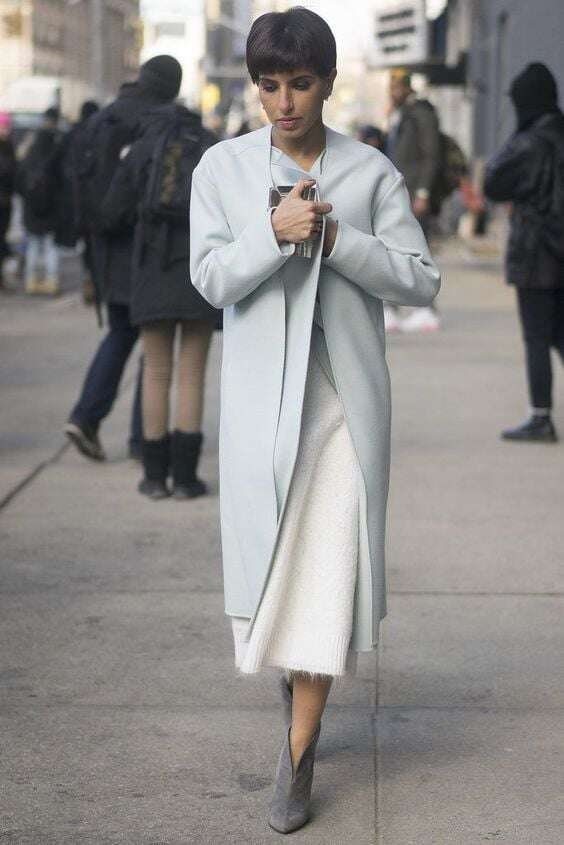
| Midi dress | Slim ankle boot or heeled lace-up boot | Prevents the outfit from looking heavy |
| Maxi dress | Pointed-toe or low-profile lace-up boot | Adds shape without competing with the hem |
| Sweater dress | Lug-sole boot or heeled boot | Matches the thicker fabric |
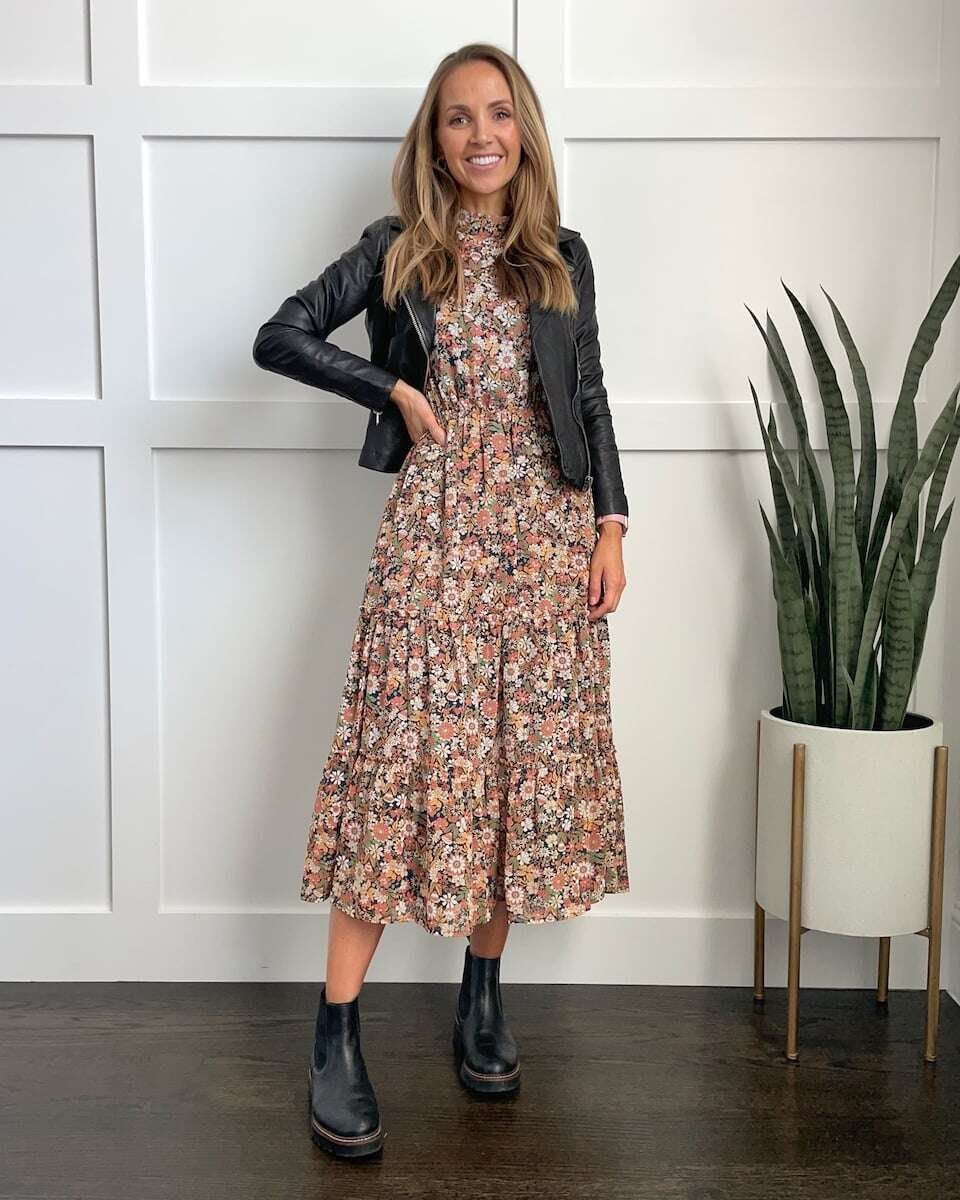
| Floral dress | Slim leather boot or simple combat boot | Adds contrast without overpowering the print |
| Slip dress | Sleek ankle boot or heeled lace-up boot | Keeps the outfit polished |
| Shirt dress | Ankle boot, riding-inspired lace-up boot, or combat boot | Supports the structured shape |
Ankle lace-up boots
Ankle boots are the easiest pair to style with dresses. They work with short, knee-length, and midi dresses. Choose a narrow shaft when you want a neat line from the dress hem to the boot.
A pointed or almond toe can make the outfit look more refined. A round toe and thick sole create a more casual look.
Combat and lug-sole boots
Combat boots have a sturdy shape, visible laces, and often a thicker sole. They bring contrast to soft dresses, such as floral, satin, or cotton styles.
For balance, pair them with one other casual detail. A denim jacket, crossbody bag, or simple knit can help the boots feel connected to the rest of the outfit.
Heeled lace-up boots
Heeled lace-up boots add height and can make a casual dress look more polished. They work well with midi dresses, shirt dresses, and fitted sweater dresses.
Check that the heel feels stable before wearing the boots for a long day. A secure fit matters more than a tall heel, especially on uneven sidewalks or stairs.
Tall lace-up boots
Tall lace-up boots can reach the calf or knee. They pair well with mini dresses and short shirt dresses because they add coverage and visual weight.
With a midi dress, check where the boot ends. A boot that stops just below the widest part of the calf may create a line you do not like. Try a taller boot, a shorter ankle boot, or a dress with a longer slit.

How to Wear Lace-Up Boots With Different Dress Lengths
Dress length changes the visible space between the hem and the boot. That space affects how long, wide, or balanced the outfit looks.
Mini dresses
Mini dresses and lace-up boots create a strong contrast. The short hem shows more leg, while the boots add coverage and weight.
Try these combinations:
- A floral mini dress with black combat boots
- A knit mini dress with brown lace-up boots
- A denim mini dress with platform boots
- A long-sleeve mini dress with tall lace-up boots
If the dress is loose, a structured boot can keep the outfit from looking shapeless. If the dress is fitted, a softer ankle boot can keep the look from feeling too severe.
For colder weather, add opaque tights. Black tights with black boots create one long visual line. Brown tights can work with tan or dark brown boots when the colors are close.
Knee-length dresses
Knee-length dresses offer a middle ground. They work with both delicate and heavy boots.
A slim ankle boot usually looks polished. A combat boot makes the outfit more casual and modern. Leave a small amount of leg visible when possible, unless you are wearing tights in a matching color.
A narrow boot shaft is useful with a straight or fitted knee-length dress. A wider shaft works better when the dress has an A-line shape or a fuller skirt.
Midi dresses
Midi dresses often end between the lower calf and ankle. This length looks best when the boot shape supports the hem rather than fighting it.
Choose:
- A low-profile ankle boot for a clean look
- A pointed-toe boot to add length
- A heeled boot for a dressier outfit
- A sleek combat boot for a casual contrast
Avoid a very bulky boot with a thin, clingy midi dress unless you want a high-contrast outfit. The difference can work, but it should look planned.
A small front or side slit can create space between the dress and boot. It also makes walking easier.
Maxi dresses
Maxi dresses cover most of the boot, so focus on the toe, sole, and heel. A pointed or almond toe can peek out and add shape. A low block heel can stop the dress from dragging, but the hem should still clear the ground.
Do not let the dress trail under the boot. A loose hem can catch under your foot and increase the risk of tripping. Try the outfit on with the shoes you plan to wear and check the hem while walking.

Match the Boots to the Dress Style
The easiest way to make lace-up boots look intentional is to repeat one detail from the boots elsewhere in the outfit. This might be a black belt, a leather bag, silver hardware, or a structured jacket.
Floral and printed dresses
Lace-up boots give printed dresses a grounded, casual feel. Black boots work with many dark floral prints. Brown or tan boots can soften warm prints with rust, cream, olive, or mustard tones.
Keep the rest of the outfit simple when the dress has a busy pattern. A plain jacket and small bag let the dress and boots remain the focus.
Slip dresses
A satin or slip dress looks polished with a slim lace-up boot. Choose a boot with a smooth finish and a narrow toe for a refined outfit.
For a casual American street-style look, add a cropped denim jacket or oversized cardigan. The contrast between the smooth dress and sturdy boot creates interest without requiring many accessories.
Sweater dresses
Sweater dresses have more visual and physical weight than thin summer dresses. They can handle thicker soles, textured leather, and taller boots.
A belt can help define the waist if the sweater dress hangs straight. If the dress is already fitted, keep the boots simple so the outfit does not feel too busy.
Shirt dresses
Shirt dresses pair well with lace-up boots because both pieces have a practical, structured feel. Wear a belt when you want more shape. Leave the dress loose for a relaxed look.
A short shirt dress works with tall lace-up boots. A midi shirt dress works with ankle boots, especially when the hem has a slit or curved edge.
Formal or dressy dresses
Lace-up boots can work with a dressy dress, but the boot should look clean and intentional. Choose a slim shape, a subtle heel, and minimal hardware.
For weddings, business events, or formal evening settings, check the dress code first. A rugged combat boot may be stylish but still too casual for the occasion.

Coordinate Colors, Textures, and Accessories
Color coordination does not mean every item must match. It means the boots should connect to at least one part of the outfit.
Black boots
Black lace-up boots are the most flexible choice. They work with black, gray, white, denim, jewel tones, and many prints.
Repeat the black in one small detail, such as:
- A belt
- A shoulder bag
- Sunglasses
- A jacket
- Tights
- Simple jewelry with dark accents
Black boots with bare legs can create a sharper contrast. Black boots with black tights create a smoother line.
Brown boots
Brown boots look natural with cream, beige, denim, olive, rust, burgundy, and warm floral prints. They are often softer than black boots, especially when made from suede or worn leather.
Match brown boots with a bag or belt only when the shades look close enough. Exact matching is not required, but very different browns can make the outfit feel accidental.
White or light boots
Light-colored lace-up boots draw attention to the feet. They look best when another light color appears near the top half of the outfit.
Try a white boot with:
- A white or cream dress
- A denim dress
- A pastel knit dress
- A black dress with a white jacket
- A printed dress that includes white
Light boots need more care in wet or dirty conditions. Follow the care instructions for the boot material.
Use texture to create contrast
Texture helps explain why two different pieces belong together. A soft cotton dress can work with smooth leather. A satin dress can work with brushed suede. A chunky knit dress can work with a thick rubber sole.
The goal is not to make every texture the same. A mix of textures often gives the outfit depth.

What to Wear With Lace-Up Boots in Each Season
Your dress, socks, tights, and outer layer should work together for the weather. Style should not come at the cost of comfort or safe movement.
Spring
Spring is a good time to pair light dresses with ankle or mid-calf lace-up boots. Try a floral midi dress with a slim black boot, or a cotton dress with a brown leather boot.
Add a light trench coat, denim jacket, or cardigan. If the weather is cool, wear sheer or opaque tights instead of leaving the legs bare.
Summer
For warm weather, choose breathable dresses and lighter boots. Ankle boots usually feel less heavy than tall boots.
A short cotton dress with a low-profile lace-up boot works for casual settings. Avoid boots that make your feet too hot, especially if you will be walking for a long time. Moisture and friction can lead to blisters.
Fall
Fall is the natural season for lace-up boots and dresses. Pair sweater dresses, denim dresses, and long-sleeve prints with boots in black, brown, or burgundy.