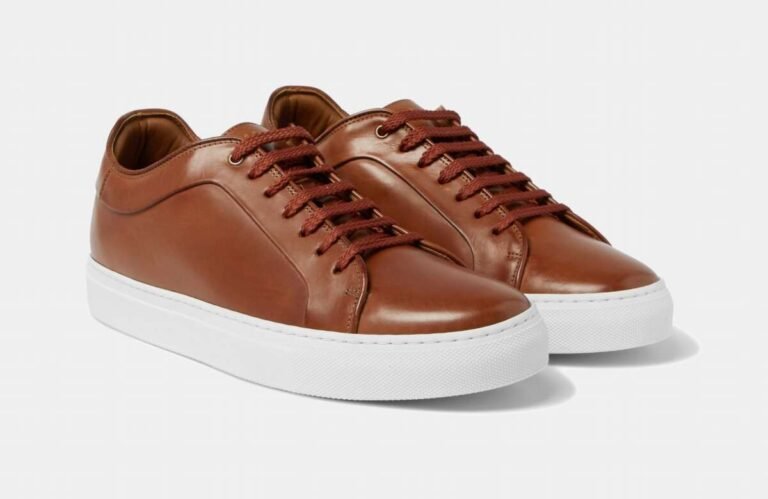
What Type Of Sneakers Should I Wear: Best Sneaker Guide
The best sneakers for you depend on what you will do, where you will do it, and how your feet fit the shoe. For walking around a U.S. city, choose comfortable walking sneakers. For running, choose running shoes. For lifting, choose stable training shoes. For court sports, wear court shoes made for that sport.
Do not choose sneakers only by color, brand, or price. A good shoe should feel secure, bend in the right place, give your toes room, and match the surface and motion of your activity. The American Academy of Orthopaedic Surgeons and the American Podiatric Medical Association both stress proper fit and activity-specific footwear.
Quick Answer: Choose Sneakers by Activity
Your activity is the best starting point. Each sneaker type uses a different sole, upper, and support system.
| Activity | Best sneaker type | What to look for |
|---|---|---|
| Daily walking | Walking sneakers | Flexible forefoot, cushioned heel, secure fit |
| Running outdoors | Running shoes | Shock protection, light weight, smooth heel-to-toe roll |
| Gym workouts | Cross-training shoes | Stable base, firm sole, side-to-side support |
| Weightlifting | Flat training shoes or lifting shoes | Firm, low-compression sole |
| Basketball | Basketball shoes | Ankle security, grip, court stability |
| Tennis or pickleball | Court shoes | Strong side support and a court-ready outsole |
| Hiking | Hiking shoes or trail sneakers | Grip, protection, and a firm upper |
| Travel | Walking or hybrid sneakers | Comfort, low weight, and easy daily use |
| Work on hard floors | Supportive walking or work sneakers | Cushioning, grip, and a durable upper |
If you do several activities, buy for the activity you do most often. A running shoe may feel soft on a treadmill but feel unstable during heavy squats. A flat gym shoe may work well for lifting but feel harsh during a long walk.
How to Find the Right Fit
The right sneaker should feel comfortable when you first put it on. You should not need to “break it in” to fix pain, pressure, or numbness.
Use this fit check:
- Try shoes late in the day. Feet often swell after hours of standing and walking.
- Wear the socks you plan to use. Thick running socks can change the fit.
- Stand up before judging the size. Your foot spreads when it carries weight.
- Leave about a thumb’s width in front of your longest toe. This helps prevent toe impact during walking or running.
- Check the widest part of the shoe. Your toes should spread without pressing the sides.
- Walk on a hard surface. Watch for rubbing, sliding, pinching, or heel lift.
- Compare both feet. Many people have one foot that is longer or wider.
- Try a second size or width when needed. A different width may solve the problem better than going up a full size.
Your heel should stay in place, but the shoe should not clamp your ankle. Your toes should move freely. The upper should hold your foot without creating a hard pressure point.
Signs a sneaker does not fit
replace the shoe or try another size if you notice:
- Numb toes
- Burning or tingling
- Blisters during a short walk
- A red mark that lasts after removing the shoe
- Your heel slipping with each step
- Your toes touching the front
- Your little toe pressing the side
- Pain that gets worse as you walk
A sneaker can look supportive and still fit poorly. Fit matters more than a thick sole or a famous logo.
What Type of Sneakers Should I Wear for Walking?
For daily walking, choose a walking sneaker with a comfortable cushion, a stable heel, and a flexible front. You do not need a highly rigid shoe unless a medical professional has advised it.
Walking shoes often have a flatter design than running shoes. They may also feel firmer and more stable. This can help when you spend hours on sidewalks, store floors, school campuses, or office corridors.
Look for:
- A sole that bends near the ball of your foot
- A firm heel counter that helps hold the heel
- Enough room for toe spread
- A breathable upper
- A tread suited to pavement and indoor floors
- Cushioning that feels comfortable, not soft and unstable
For travel in the United States, a walking sneaker is often the most useful choice. It can handle airports, museums, sidewalks, and long days better than casual canvas shoes or fashion sneakers with little support.
A walking sneaker is not automatically the best choice for running. Walking and running place different demands on the foot. Running also creates more impact and faster movement, so a running shoe may provide a better match for regular runs.
What Type of Sneakers Should I Wear for Running?
Wear running shoes made for your running surface and distance. Road-running shoes suit pavement, sidewalks, and treadmills. Trail-running shoes have deeper lugs and more protection for dirt, rock, and uneven ground.
A running shoe should:
- Feel comfortable from the first run
- Hold your heel without pinching
- Let your toes spread
- Bend or roll with your stride
- Provide enough cushioning for your body and running style
- Match the surface where you run
Do not choose a shoe only because it is labeled “stability” or “motion control.” Those terms describe design features, not a universal medical need. A neutral shoe may work well for one runner, while another may prefer a more structured model.
If you are new to running, start with short, easy sessions. Increase training slowly. If pain changes your stride, causes swelling, or continues after rest, stop and seek advice from a qualified health professional.
The American College of Sports Medicine recommends replacing athletic shoes when wear reduces comfort or function. There is no single mileage number that fits every person. Body weight, surface, running style, shoe construction, and care all affect wear.
What Type of Sneakers Should I Wear at the Gym?
For general gym workouts, wear cross-training sneakers. They are built for mixed movement, such as light running, strength work, machines, lunges, and side steps.
A good training shoe usually has:
- A wider, stable base
- Moderate cushioning
- A firm midsole
- Grip for indoor floors
- Side support for lateral movement
- A flexible upper that does not trap heat
For heavy weightlifting, a very soft running shoe may make balance harder. A flat, firm shoe often provides a more stable base. Some lifters use dedicated lifting shoes with a raised heel, but that changes ankle and hip position. Use them only if they suit your technique and training plan.
For classes with jumping, quick turns, or side steps, avoid shoes made only for straight-line running. Their narrow shape and soft foam may not feel secure during lateral movement.
Replace gym shoes when the sole becomes uneven, the upper loses its hold, or the shoe feels less stable. A worn outsole can also reduce grip on smooth floors.
What Type of Sneakers Should I Wear for Basketball, Tennis, and Pickleball?
Wear shoes designed for the court sport you play. Court shoes support side-to-side movement, while running shoes mainly support forward motion.
Basketball
Basketball shoes should provide:
- Strong traction on indoor court surfaces
- A stable base
- A secure upper
- Cushioning for repeated jumps and landings
- Enough flexibility for quick movement
High-top, mid-top, and low-top designs each feel different. A high collar may give a more secure feel, but it cannot prevent every ankle injury. Fit, strength, movement skill, and court conditions also matter.
Tennis and pickleball
Tennis and pickleball shoes should support quick stops, starts, and side-to-side movement. Choose an outsole made for your court surface when possible.
A court shoe often has:
- A firm sidewall
- Strong lateral support
- A durable toe area
- A flat or stable platform
- Tread designed for court grip
Do not use worn running shoes for frequent court play. They may not provide enough side support, and their tread may wear quickly during lateral motion.
What Type of Sneakers Should I Wear for Hiking and Trails?
For paved paths and easy parks, walking sneakers may be enough. For rocky, wet, steep, or uneven trails, choose trail sneakers or hiking shoes.
Trail footwear should match the trail:
- Easy, dry trails: Flexible trail sneakers with moderate grip
- Rocky or root-filled trails: More protection and a firmer sole
- Wet or muddy trails: Deeper lugs and water-resistant materials
- Long hikes with a pack: More structure, cushioning, and heel security
A waterproof shoe can keep water out, but it may also breathe less. In hot weather, a breathable shoe may dry faster after getting wet. Choose based on your local conditions and the length of the hike.
Before a long hike, test the shoes on short walks. Check for heel movement, toe impact on downhill sections, and hot spots. Hot spots can become blisters before you notice serious pain.
How Much Cushioning and Support Do I Need?
Choose the amount of cushioning that helps you move comfortably without making the shoe unstable. More foam is not always better.
Cushioning can reduce the harsh feel of hard surfaces. It may help you feel comfortable during long walks or runs. However, a very soft shoe can feel less stable during lifting, court play, or uneven terrain.
Support also has several meanings. It may refer to:
- A firm heel area
- A broad base
- A structured upper
- A medial post or other midsole feature
- A shoe that limits some foot motion
No single support feature works for every foot. If you have diabetes, significant foot pain, arthritis, a recent injury, or a diagnosed foot condition, ask a podiatrist or another qualified clinician for personal guidance. Do not rely on a shoe label to treat a medical problem.
The American Diabetes Association advises people with diabetes to protect their feet and check them often. A person with reduced sensation may not feel rubbing or pressure. In that case, fit checks and medical advice are especially important.
Do I Need Wide Sneakers or a Special Foot Shape?
You need a wider sneaker when your foot presses the sides or your toes cannot spread. A wide size may be better than simply buying a longer shoe.
Common fit needs include:
- Wide forefoot: More room near the toes
- Narrow heel: A closer heel hold without squeezing the front
- High instep: More upper height over the top of the foot
- Flat or low arch: A shoe that feels stable and does not create arch pressure
- Bunions or hammertoes: A broad, soft toe box with no hard seam over the affected area
Do not assume your arch shape tells you which shoe to buy. Comfort, movement, and fit are more useful starting points than a quick wet-foot test or a label based on arch height.
If you need inserts, take them with you when trying on sneakers. Some removable insoles create more room. Others take up space and make the shoe too tight. Never force a medical brace or orthotic into a shoe that cannot hold it correctly.
When Should You Replace Your Sneakers?
Replace sneakers when they no longer protect, fit, or feel stable. Visible damage is one clue, but comfort changes can appear first.
Check for:
- Uneven sole wear
- Cracks or deep wrinkles in the midsole
- A loose heel counter
- A stretched upper
- Smooth tread where you need grip
- New aches after normal use
- Cushioning that feels flat
- Foot sliding inside the shoe
Do not use a fixed mileage rule for every sneaker. A person who walks daily on concrete will wear shoes differently from someone who uses them twice a month indoors.
Keep athletic shoes dry and let them air out between uses. Avoid high heat, which can damage adhesives and materials. Rotate pairs if you train often.
Common Mistakes When Choosing Sneakers
Buying the same shoe for every activity
One pair may work for casual use, but it may not suit running, lifting, and court sports at the same time. Match the shoe to the main motion.
Choosing a smaller size for a snug look
A tight toe box can cause pressure, rubbing, and pain. Your toes need room to move.
Trusting the brand size
Sizes can vary between brands and models. Use the size as a starting point, then judge the actual fit.
Ignoring width
A longer shoe does not always solve a wide-foot problem. Try a wide version when the sides feel tight.
Wearing new shoes on a long trip
Test new sneakers before a full day at an airport, theme park, convention, or city tour. Short walks can reveal problems early.
Keeping worn shoes because they still look good
The upper may look fine while the sole and cushioning have lost function. Judge performance, not appearance.
Assuming pain is normal
Mild muscle fatigue after a new activity differs from sharp pain, numbness, swelling, or pain that changes your gait. Stop and seek care when symptoms are serious or persistent.