Which Is Best Sneakers Or Shoes: Choose The Right Pair
Introduction
For most people in the United States, sneakers are best for walking, daily errands, travel, school, and casual work. Traditional shoes are better when you need a formal look, firm support, weather protection, or job-specific safety features. The right choice depends less on the name and more on fit, use, comfort, and protection.
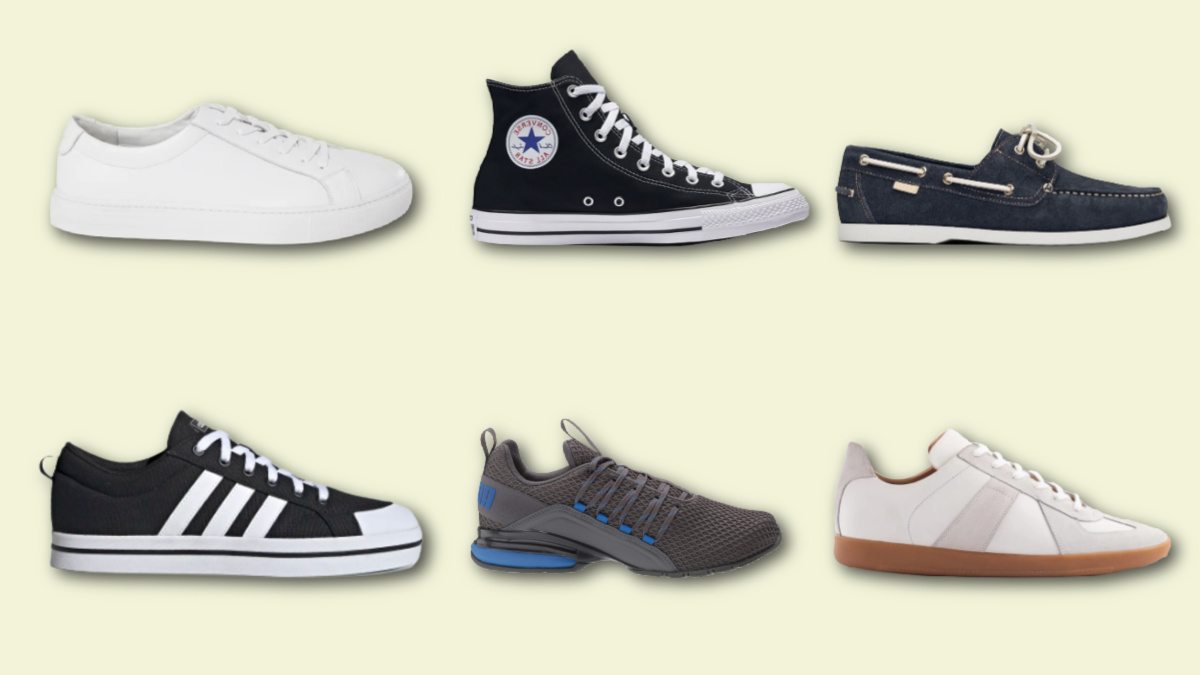
A sneaker is a type of shoe. “Shoes” is the wider term. It includes sneakers, dress shoes, work shoes, hiking shoes, boots, and sandals. So the real question is often this: Should you wear a casual or athletic sneaker, or another type of shoe for the task?

Sneakers vs. Shoes: What Is the Difference?
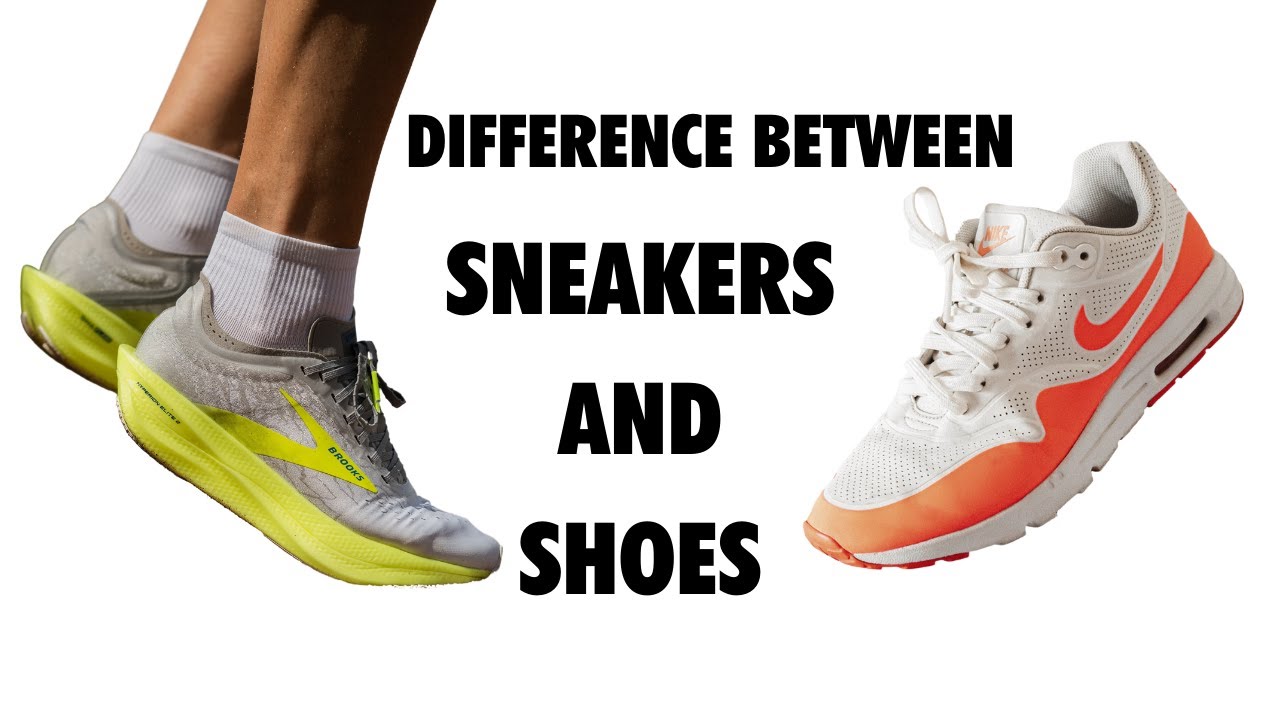
Sneakers usually have flexible soles, cushioned midsoles, and fabric or mesh uppers. They are made for comfort and movement. Some are designed for running or sports, while others are only casual shoes.
Traditional shoes often have leather, synthetic, or firm textile uppers. They may have a stiffer sole and a dressier shape. Some provide better protection from rain, cold, sharp objects, or workplace hazards.
The main difference is not simply style. It is function.
| Feature | Sneakers | Other shoes |
|---|---|---|
| Comfort for walking | Often high | Varies by design |
| Flexibility | Usually high | Low to moderate |
| Formal appearance | Low to moderate | Moderate to high |
| Sports use | Good only if made for that sport | Usually limited |
| Weather protection | Varies | Often better in boots or leather shoes |
| Workplace protection | Usually poor unless rated | Available in safety and work models |
| Breathability | Often good | Varies |
| Foot support | Depends on the model | Depends on the model |
A casual sneaker is not the same as a running shoe. A running shoe is built for repeated impact and forward motion. A basketball shoe supports quick side-to-side movement. A work shoe may focus on slip resistance or toe protection.
The label matters, but the design matters more.
When Sneakers Are the Better Choice
Sneakers are usually the better choice for daily movement. Their flexible soles and light materials can make walking easier and more comfortable than wearing stiff dress shoes.
Choose sneakers for:
- Walking around town
- Travel and airport visits
- School and college
- Casual offices
- Light gym workouts
- Standing for long periods
- Grocery shopping and errands
- Casual social events
- Low-impact exercise
Sneakers can also reduce foot fatigue when they fit well. The American Academy of Orthopaedic Surgeons advises choosing shoes that match the activity and provide enough room for the toes. A soft shoe is not automatically a supportive shoe, though. Cushioning can feel pleasant while the shoe still fits poorly.
For exercise, match the sneaker to the activity. Use running shoes for running, court shoes for court sports, and training shoes for gym workouts that involve lifting or side-to-side movement. One pair rarely performs every task equally well.
When sneakers may not be enough
A thin, worn, or poorly fitted sneaker may cause discomfort. It may also lack the grip, stability, or protection needed for a specific job.
Do not use ordinary sneakers when you need:
- Protective toe caps
- Electrical hazard protection
- Strong slip resistance
- Puncture-resistant soles
- Waterproof work protection
- Ankle protection for rough terrain
- A formal appearance
For jobs covered by the Occupational Safety and Health Administration, employers must provide appropriate protective footwear when foot injuries could result from hazards such as falling objects, electrical risks, or punctures. A normal sneaker does not meet every work-safety need.

When Other Shoes Are the Better Choice
Other shoes are better when the setting, surface, or risk demands more than comfort and flexibility.
Dress shoes
Dress shoes work best for weddings, interviews, ceremonies, business events, and formal workplaces. A well-fitted pair should not pinch the toes or force the heel to slip.
A dress shoe can be comfortable, but comfort depends on shape and fit. A narrow toe box, high heel, or hard sole can create pressure points. If you wear dress shoes for several hours, try them indoors before the event and consider a lower heel and a cushioned insole.
Work shoes and boots
Work shoes or boots are better for construction, warehouse work, landscaping, manufacturing, and outdoor jobs. The best pair depends on the hazard.
Look for features such as:
- ASTM-rated protective toes when required
- Slip-resistant outsoles
- Puncture-resistant plates
- Waterproof materials
- Heat-resistant soles
- Electrical hazard protection
- Strong ankle support
Check your employer’s safety rules before buying. A shoe that looks like a work shoe may not carry the required rating.
Hiking shoes and boots
Hiking shoes are better on rocky, muddy, or uneven trails. They often have deeper tread and stronger uppers than casual sneakers.
Light trails may not require boots. A trail-running shoe can be a better choice when you want low weight and good movement. Boots become more useful when you carry a heavy pack, walk through rough ground, or need more ankle coverage.
Weather shoes
Water-resistant shoes or boots are better in snow, rain, and cold conditions. Mesh sneakers may dry quickly, but they usually offer little insulation and can become wet fast.
For winter sidewalks, look for a sole with useful traction. No tread works perfectly on every icy surface. Walk slowly, avoid smooth ice when possible, and use approved traction aids if conditions are dangerous.
How to Choose the Best Pair for Your Feet
Start with the activity, then check the fit. Do not begin with color, brand, or style.
1. Identify the main use
Ask where and how you will wear the pair.
- For daily walking: choose a comfortable walking or casual sneaker.
- For running: choose a running shoe that fits your foot and training needs.
- For gym work: choose a stable training shoe.
- For formal events: choose a dress shoe with enough toe space.
- For outdoor work: choose protective footwear based on the hazard.
- For trails: choose hiking shoes or trail shoes with suitable grip.
2. Shop at the right time
Feet can swell during the day. Try shoes in the afternoon or evening. Wear the socks you plan to use with the shoes.
Measure both feet. Many people have one foot that is slightly larger. Choose the size that fits the larger foot.
3. Check the toe room
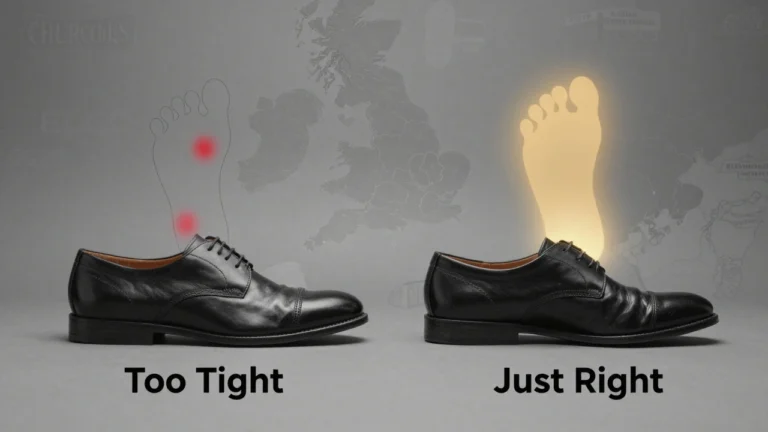
You should be able to move your toes. Leave about a thumb’s width between your longest toe and the front of the shoe. This is a useful starting point, not a rule for every foot.
Your toes should not touch the front when you walk downhill or stop quickly. The widest part of your foot should sit in the widest part of the shoe.
4. Check the heel and midfoot
The heel should stay in place without painful pressure. A small amount of movement may be normal, but repeated slipping can cause blisters.
The middle of the shoe should hold your foot without squeezing it. If you need to tighten the laces to stop your foot from sliding, the shoe may have the wrong shape.
5. Walk before you buy
Walk on a clean indoor surface if possible. Bend, turn, and take several steps. Do not assume a shoe will “break in” if it causes sharp pain, numbness, or pressure in the store.
A good fit should feel comfortable at once. Minor stiffness may improve. Pain usually signals a fit or design problem.
6. Inspect the sole
The sole should match the ground and activity. A smooth sole may work for an office but perform poorly on wet pavement. A thick, soft sole may feel comfortable but reduce stability for lifting or quick movement.
Replace shoes when the tread is badly worn, the sole has become uneven, the upper has split, or the shoe no longer feels stable.

Which Is Better for Walking: Sneakers or Shoes?
For most walking, a well-fitted walking sneaker is the better choice. It usually offers a flexible sole, moderate cushioning, and enough room for natural foot movement.
A casual shoe can also work if it fits well and has a stable sole. The word “sneaker” does not guarantee quality. Some fashion sneakers have flat, thin soles and little support. They may be fine for short trips but uncomfortable during a long walk.
For regular walking, check these features:
- A secure heel
- A roomy toe box
- A sole that bends near the toes
- Enough cushioning for your comfort
- A stable base
- A tread suited to the surface
- Breathable material when heat is a concern
If a shoe causes pain, blisters, numbness, or unusual pressure, stop using it for long walks. Persistent foot pain deserves evaluation by a qualified health professional, especially if you have diabetes, reduced feeling, poor circulation, arthritis, or a history of foot problems.

Which Is Better for Running and Exercise?
For running, running shoes are better than ordinary sneakers or dress shoes. They are designed for repeated impact and forward movement. A general sneaker may not provide the fit, grip, or stability you need.
For gym workouts, the best choice changes with the activity:
- Running on a treadmill: running shoes
- Weight lifting: stable training shoes with a firm base
- Dance or aerobics: flexible cross-training shoes
- Basketball: court shoes with suitable traction
- Hiking: hiking or trail shoes
- Cycling: cycling shoes for serious riding, not regular sneakers
The best shoe is not always the softest one. A very soft sole may feel comfortable during walking but feel unstable during lifting or fast side movements.
Increase activity slowly when starting a new exercise program. Shoes can help with comfort and grip, but they cannot correct poor training form or prevent every injury. Stop exercise and seek medical advice for severe pain, swelling, loss of movement, or pain that does not improve with rest.

Common Mistakes to Avoid
The most common mistake is choosing a shoe by appearance alone. A stylish shoe that pinches or slips is not a good shoe for your feet.
Avoid these errors:
- Buying a size without trying it on
- Assuming the same size fits every brand
- Using running shoes for every sport
- Wearing worn-out shoes for long walks
- Choosing a tight shoe because it looks sleek
- Expecting pain to disappear after a break-in period
- Using casual sneakers for hazardous work
- Ignoring wet, icy, or uneven surfaces
- Buying based only on cushioning
- Wearing thick socks that make the shoe too tight
Also check the return policy before buying online. Measure your feet, read the maker’s size guide, and keep the shoes clean until you know they fit. Sizes can vary by brand, model, and country.

Quick Decision Guide
Use this simple guide when you need an answer fast:
- Daily errands: casual sneakers
- Long walks: walking sneakers
- Running: running shoes
- Gym training: training shoes
- Basketball or tennis: sport-specific court shoes
- Formal event: dress shoes
- Construction or warehouse work: rated safety shoes or boots
- Hiking: hiking or trail shoes
- Rain or snow: weather-resistant shoes or boots
- Foot pain or a special foot condition: ask a podiatrist or other qualified clinician for individual guidance
If two pairs fit equally well, choose the one that better matches the surface, activity, and weather. If safety is involved, protection comes before style.
Frequently Asked Questions
Are sneakers healthier than dress shoes?
Not always. Sneakers may offer more room and flexibility, but some have poor support or an unstable sole. A well-fitted shoe that matches the activity is healthier than a poorly fitted sneaker.
Can I wear sneakers to work?
Yes, if your workplace allows them and the shoes meet the job’s safety needs. Office work may allow casual sneakers. Construction, factory, warehouse, and outdoor jobs may require protective footwear with specific ratings.