How Should Leather Sneakers Fit: Find The Perfect Fit
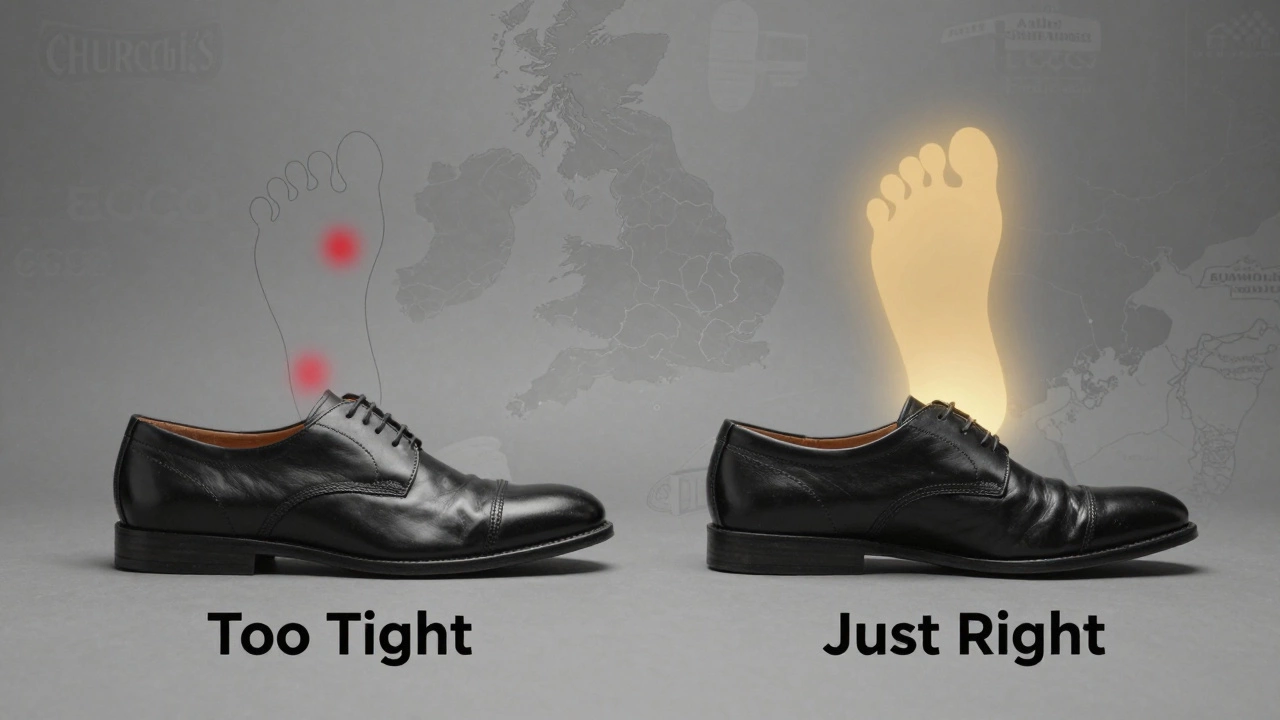
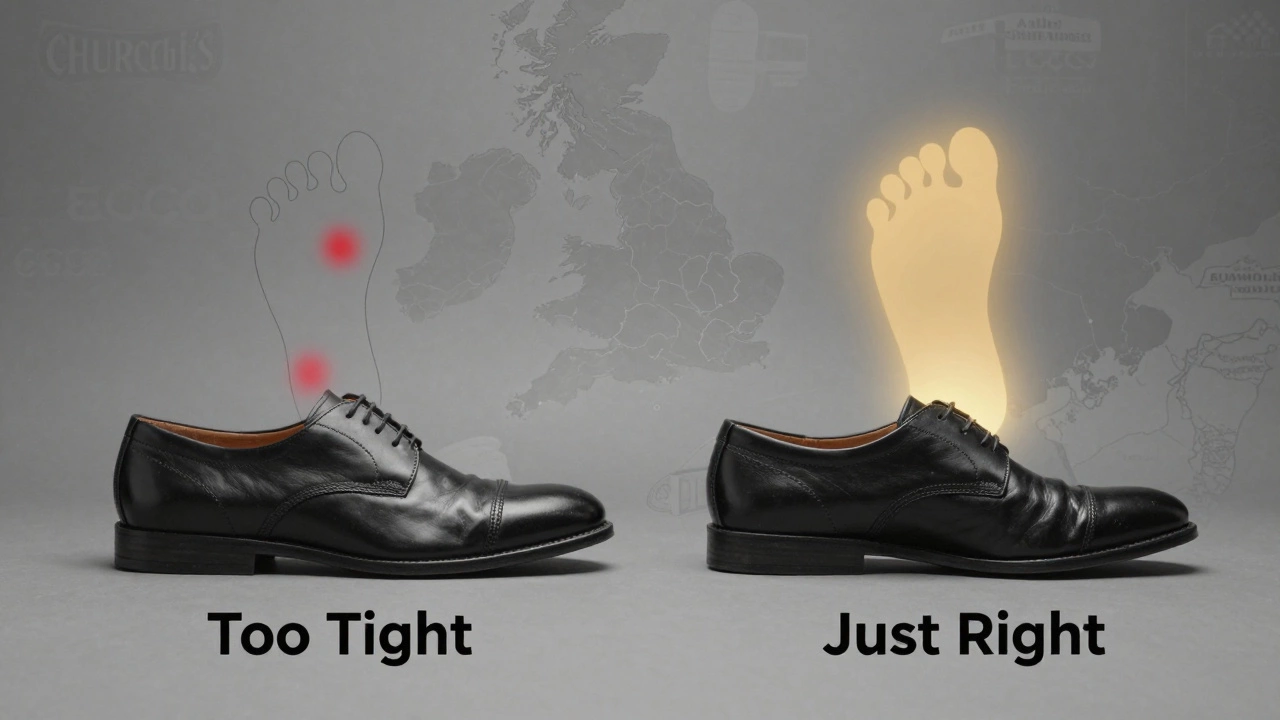
Leather sneakers should feel snug, stable, and comfortable from the first try-on. Your toes should have room to move, your heel should stay mostly in place, and the shoe should not pinch, rub, or press on any part of your foot.
Do not buy leather sneakers that feel too short or painful because you expect them to “break in.” Leather may soften and relax with wear, but it will not fix a poor fit or add meaningful length.
This guide uses U.S. shoe sizing and common American shopping conditions. It explains how leather sneakers should fit, how much room to allow, how to check width and heel fit, and what to do when the fit is not right.

The Ideal Fit: Snug at the Heel, Roomy at the Toes
The best leather sneaker fit balances three things:
- Secure support at the heel
- Gentle contact across the midfoot
- Free movement for the toes
The shoe should hold your foot without squeezing it. Think of the fit as a firm handshake, not a clamp.
A well-fitting pair should feel comfortable while standing and walking. Your foot should not slide forward when you stop, and your toes should not hit the front of the shoe.
Your toes need space
Your longest toe should sit about three-eighths to one-half inch from the end of the sneaker. For many people, this is close to the width of a thumb, but finger measurements are not exact.
Check the space while standing. Feet spread and lengthen slightly when they carry your weight. If you check only while sitting, the shoe may seem longer than it really is.
Your toes should also be able to spread and move up and down. The toe box should not press on the tops or sides of your toes.
Your heel should stay mostly in place
A small amount of heel movement can happen in a new sneaker. This is more common with leather because the upper may soften as you wear it.
However, your heel should not lift sharply with every step. Excess lift can cause:
- Heel blisters
- Hot spots
- A feeling that the shoe is loose
- Extra gripping by your toes
- Poor control while walking
If tightening the laces does not reduce heel movement, the sneaker may be too large, too wide, or shaped poorly for your foot.
The midfoot should feel secure
The laces should hold the sneaker over the top of your foot without creating pressure or numbness.
You should not need to pull the laces as tight as possible to keep the shoe on. That often means the shoe is too wide, too deep, or the wrong shape for your foot.
How to Check Leather Sneaker Fit in a Store
Try on leather sneakers with the socks, inserts, or orthotics you plan to use. Then walk on a hard, clean surface before deciding.
Follow these steps:
- Try on both sneakers. One foot is often slightly larger than the other.
- Try them on later in the day. Feet can swell during normal daily activity.
- Wear your usual socks. Thick athletic socks can change the fit more than expected.
- Stand up before checking length. Your feet need to carry your weight.
- Walk for several minutes. Take normal steps, turn, stop, and climb a few stairs if possible.
- Check the widest part of your foot. It should rest near the widest part of the shoe.
- Test the toe box. Wiggle your toes and check for pressure.
- Check the heel. Look for mild movement, not repeated lifting.
- Remove the shoe and inspect your foot. Red marks or pressure spots can reveal a tight area.
A leather sneaker should feel good before you buy it. A short period of softening is normal. Pain, numbness, burning, or strong pressure is not.
A useful home test
If you already own the sneakers, remove the insoles if they are removable. Stand on them with your full weight.
Your foot should not spill over the sides of the insole. You should also see some space beyond your longest toe. This test is not perfect because the insole may not match the shoe’s internal shape, but it can reveal obvious length or width problems.
Check the fit with your walking style
Walk at your normal pace. Then try these movements:
- Walk downhill or down a short set of stairs.
- Turn quickly but safely.
- Rise onto your toes.
- Bend your foot as you step.
- Walk on a firm indoor floor.
If your toes hit the front while moving downhill, the shoe may be too short or too loose at the heel. If the upper folds sharply across your toes, the toe box may be too short or too shallow.
How Much Toe Room Should Leather Sneakers Have?
Leather sneakers need enough length for normal foot movement. A practical target is about three-eighths to one-half inch of space in front of the longest toe while standing.
Do not judge space by your big toe alone. Your second toe may be longer. Measure from the end of the shoe to whichever toe reaches farthest forward.
Too little space can lead to:
- Toe pressure
- Black or sore toenails
- Blisters
- Corns
- Pain while walking downhill
- Toes curling to make room
Too much space can also cause trouble. Your foot may slide forward, forcing your toes to grip the shoe. This can create rubbing and reduce walking control.
Toe room by foot shape
| Foot shape | What to look for |
|---|---|
| Long second toe | Check space in front of the second toe, not only the big toe |
| Wide forefoot | Choose a wider toe box rather than simply sizing up |
| Narrow heel and wide toes | Look for a tapered heel with a roomy front |
| High instep | Choose enough depth over the top of the foot |
| Flat or low-volume foot | Avoid excess interior space that lets the foot slide |
Sizing up is not always the best way to gain width. A longer shoe may give you more room at the front but leave too much space at the heel.
How Should Leather Sneakers Fit in Width?
Leather sneakers should touch the sides of your foot without squeezing them. You should not feel strong pressure at the ball of the foot, little toe, or bunion area.
The widest part of your foot should line up with the widest part of the sneaker. If the shoe bends in a place that does not match your foot, it may feel awkward and create pressure.
Signs the sneaker is too narrow
A leather sneaker may be too narrow if:
- Your little toe presses against the side
- Your toes overlap or cannot spread
- The upper bulges over the sole edge
- You feel numbness or tingling
- A bunion rubs against the material
- Your foot feels squeezed after a short walk
Leather can soften across the width. It usually does not stretch enough to solve serious side pressure. A shoe stretcher may help with a small, localized tight spot, but it cannot reliably turn a narrow sneaker into a wide one.
Signs the sneaker is too wide
A sneaker may be too wide if:
- Your foot slides from side to side
- You must over-tighten the laces
- The shoe creases far outside the ball of your foot
- Your heel slips even when the laces are secure
- You feel unstable during turns
Try a narrower width or a different shoe shape. Do not assume a smaller size will solve a width problem. A shorter shoe can create toe pressure while still feeling loose in other areas.
Should Leather Sneakers Feel Tight at First?
Leather sneakers should feel secure at first, but they should not feel painfully tight.
New leather may soften, flex, and conform to your foot. This can improve a mildly firm fit. It will not usually solve:
- A shoe that is too short
- Strong toe pressure
- Numbness
- Pain at the ball of the foot
- A heel that slips badly
- A toe box that is too shallow
A good rule is simple: buy for comfort and fit now, not for a hoped-for future fit.
What “breaking in” can and cannot do
| New-shoe issue | May improve with wear? | What to do |
|---|---|---|
| Mild stiffness in the upper | Yes | Wear for short periods |
| Slightly firm flex point | Often | Walk gradually |
| Minor heel movement | Sometimes | Adjust lacing and socks |
| Tight sides | Slightly | Consider a wider fit |
| Toes touching the front | No | Choose a longer size |
| Numbness or sharp pain | No | Stop wearing and reassess |
| Major heel slipping | Unlikely | Try a different size or shape |
Wear new leather sneakers at home for short periods first. Increase use only if your feet remain comfortable.
Avoid soaking leather shoes or applying heat to stretch them. These methods can damage the finish, dry the leather, weaken adhesives, or change the shape.
How Leather Changes the Fit Over Time
Leather usually becomes more flexible with wear. The upper may soften around the flex points and relax slightly across the foot.
The amount of change depends on:
- The type and thickness of leather
- The lining and padding
- The shoe’s construction
- How often you wear it
- Your body weight and walking pattern
- Heat, moisture, and care products
Leather does not change in the same way in every sneaker. A soft leather upper may relax faster than a thick, structured one. A leather sneaker with a synthetic lining may also feel different from an unlined leather model.
The sole and overall shape can limit how much the upper changes. If the last—the form used to shape the shoe—is narrow, softening the leather will not create much extra room.
Leather sneaker fit after several wears
Recheck the fit after a few short walks:
- Does the heel still stay in place?
- Are your toes still clear of the front?
- Has side pressure improved?
- Are new creases causing rubs?
- Does the shoe still feel stable?
If the shoe causes pain after repeated short wears, stop using it. Repeated rubbing can lead to blisters and skin damage.
How to Choose the Right U.S. Size
U.S. shoe sizes are not perfectly consistent between brands. A men’s or women’s size can also fit differently depending on the sneaker’s shape, width, and materials.
Use the brand’s size chart as a starting point, but do not treat the number as a guarantee.
Measure your feet at home
To measure your feet:
- Place a sheet of paper on a hard floor.
- Stand on it in the socks you plan to wear.
- Keep your weight evenly balanced.
- Mark the back of your heel and the end of your longest toe.
- Measure both feet.
- Use the larger foot when comparing with the brand’s chart.
Measure in the afternoon or evening when your feet are likely to be at their largest during the day.
Compare your measurement with the brand’s chart. If you fall between sizes, check the return policy and consider the shape of the sneaker. The longer size is not automatically better if it creates heel movement.
When to consider a half size or width change
Choose a longer size when:
- Your longest toe touches the front
- Your toes hit the front while walking downhill
- Your toes feel cramped even when the width is comfortable
Choose a wider size when:
- The length is correct but the sides squeeze
- Your toes need more room to spread
- The upper bulges over the sole
- A bunion or little toe rubs
Choose a narrower size when:
- The length is correct but your foot slides side to side
- The heel lifts repeatedly
- You must tighten the laces to the final eyelets
Lacing Tips for a Better Leather Sneaker Fit
Lacing can improve a close fit, but it cannot correct the wrong size.
For heel slip
Try a heel-lock, sometimes called a runner’s loop: