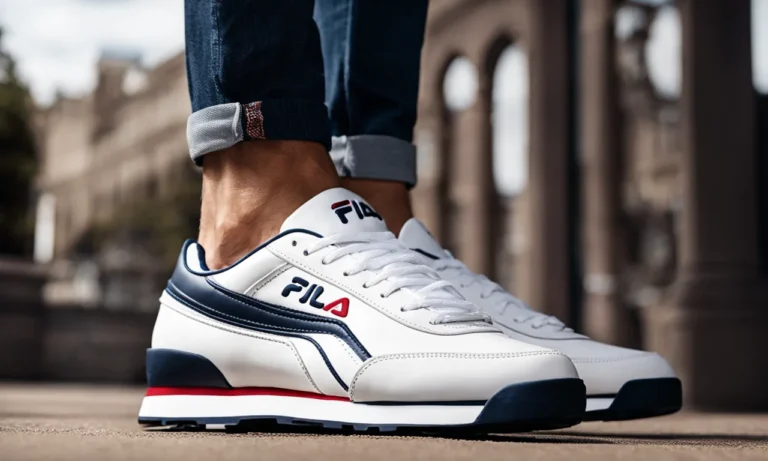
Fila Disruptors can be good for short, casual walks, but they are not the best choice for long walks, fast walking, or daily fitness walking for most people. Their thick foam sole gives some cushioning, and their wide platform can feel stable. However, the shoes are often heavy, stiff, and less flexible than walking shoes made for steady forward motion.
Your foot shape, walking surface, distance, and the exact Disruptor model all matter. A pair that feels fine for errands may feel tiring after several miles.
Introduction
In the United States, many people wear Fila Disruptors for errands, school, travel, work, and casual city walks. The shoes are easy to spot because of their thick platform sole and bold shape.
That thick sole can feel comfortable at first. Yet comfort in a store does not always mean good support on a long walk. Fila Disruptors are lifestyle sneakers, not purpose-built walking shoes. They may work well for light daily use, but they have limits for exercise and long periods on your feet.

What makes Fila Disruptors different?
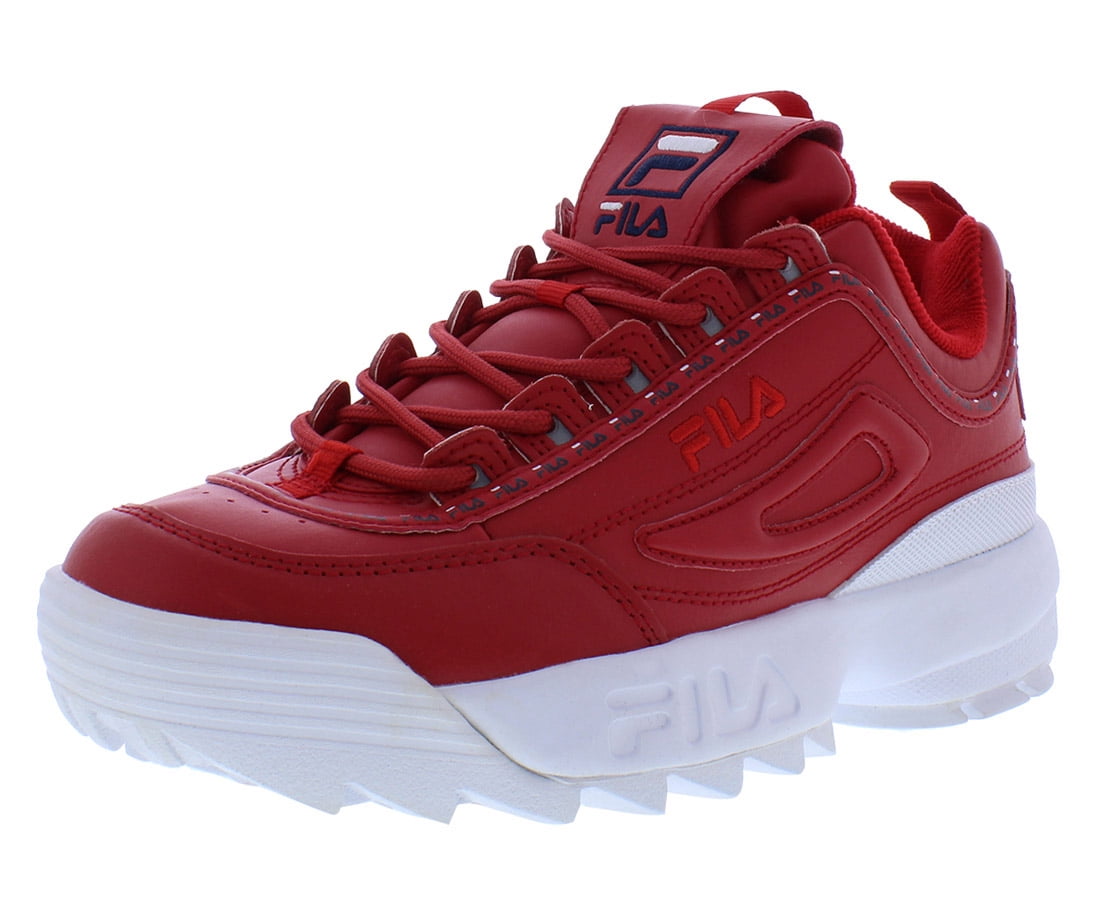
Fila Disruptors are chunky lifestyle sneakers with a raised sole, foam cushioning, and a rubber outsole. Exact materials and fit can change by model, such as the Disruptor II, Disruptor II Premium, or newer versions.
The main features that affect walking are:
- A thick midsole: This can soften the feel of hard sidewalks.
- A wide outsole: This may provide a steady base for some walkers.
- A heavy build: Extra material can increase leg fatigue over time.
- A firm platform: It may feel stable, but it does not bend like a flexible walking shoe.
- A fashion-focused design: The shoe is made for casual wear rather than a measured walking gait.
- A standard lace-up fit: This allows some adjustment across the top of the foot.
A walking shoe usually places more focus on forward flex, heel-to-toe movement, secure fit, breathable materials, and low weight. Fila Disruptors place more focus on their look and platform shape.
That does not make them unsafe for everyone. It means the shoe may suit casual walking better than high-mileage walking.
Are Fila Disruptors comfortable for walking?
Fila Disruptors can feel comfortable for short walks if they fit well and your feet tolerate their firm, chunky design. They may be suitable for trips to a store, walking around a campus, or moving through a city for an hour or two.
Comfort often comes from three factors:
- The sole softens impact. The foam layer may reduce the sharp feel of concrete.
- The broad base can feel stable. Some people like the planted feel of a platform shoe.
- The upper can hold the foot in place. A well-tied lace system may reduce sliding.
The same features can cause problems during longer walks. A thick sole can make the shoe less flexible. A heavy shoe can require more effort with each step. A stiff upper may also create pressure if the toe box or instep does not match your foot.
A 2020 review in the Journal of Foot and Ankle Research found that footwear comfort is linked to several design factors, including fit, cushioning, flexibility, and pressure distribution. No single feature guarantees comfort for every person.
The practical answer: If you feel good after a 30- to 60-minute walk, the Disruptors may work for casual use. If your feet, knees, hips, or lower back feel sore afterward, choose a lighter walking shoe.

Are Fila Disruptors good for long-distance walking?
Usually, no. Fila Disruptors are not the strongest choice for long-distance walking. They may work for occasional walks, but their weight and limited flexibility can become tiring over several miles.
Long walks place repeated stress on the same parts of the foot. A useful walking shoe should help with:
- Smooth heel-to-toe movement
- Secure heel hold
- Enough room for the toes to spread
- Cushioning that matches your comfort needs
- A stable sole that does not twist too easily
- Breathable materials when the weather is warm
The American Academy of Orthopaedic Surgeons recommends choosing shoes that fit well, have enough room for the toes, and match the activity. Its guidance also stresses replacing shoes when wear changes their support or cushioning.
Fila Disruptors may fall short for long walks because:
- Their platform sole adds weight.
- Their sole may not flex at the same point as your foot.
- Their upper may feel warm during extended use.
- Their wide shape can feel awkward on stairs or uneven ground.
- The raised sole may reduce your sense of the ground.
These limits matter more if you walk several miles at once, walk every day for exercise, or carry a backpack. For those tasks, a dedicated walking or running shoe is usually a better starting point.
A simple distance guide
| Walking task | Are Fila Disruptors a reasonable option? | Better approach |
|---|---|---|
| Walking around a store | Yes, if they fit well | Use your normal comfort check |
| Short commute | Often | Test them on your full route |
| Campus or city walking | Maybe | Watch for foot fatigue |
| One- to three-mile casual walk | Maybe | Stop if pain or rubbing starts |
| Daily fitness walking | Usually not ideal | Choose a lighter walking shoe |
| Long travel days | Model and fit dependent | Pack a tested backup pair |
| Hiking or uneven trails | No | Use trail or hiking footwear |
The table is a guide, not a medical rule. A person with healthy feet may tolerate the shoes well, while another person may need more support or a different fit.

Do Fila Disruptors provide enough arch support?
Fila Disruptors may provide basic structure, but you should not assume they offer specialized arch support. Their thick sole is not the same as support designed for flat feet, high arches, overpronation, or a medical condition.
“Arch support” can mean several things. It may refer to:
- The shape of the insole
- The firmness of the midsole
- The way the shoe controls foot motion
- A custom insert or orthotic
The right choice depends on how your foot moves and what symptoms you have. A high arch does not automatically require a firm arch insert. A flat foot does not automatically require a rigid shoe.
If you use orthotics, check whether the Disruptor has a removable insole and enough internal space. Do not force a thick insert into a shoe that already feels tight. Extra pressure can cause numbness, blisters, or pain.
People with ongoing heel pain, severe flat feet, arthritis, diabetes, numbness, or a past foot injury should ask a podiatrist or another qualified health professional for advice. A shoe review cannot diagnose the cause of foot pain.
Are Fila Disruptors stable for walking?
The broad outsole can make Fila Disruptors feel stable on smooth, level ground. The platform may spread contact across a larger area, which some wearers prefer for casual walking.
Still, stability is not the same as traction or balance. The raised sole may make the shoe feel less natural on:
- Broken sidewalks
- Grass
- Gravel
- Wet floors
- Stairs
- Curbs
- Uneven trails
A higher sole can also increase the distance between your foot and the ground. That may make ankle movement feel less predictable, especially if you already have balance concerns.
Check the outsole before walking outside. Look for clear tread, no smooth worn patches, and no loose sections. The shoe should stay secure when you walk downhill, turn, and climb stairs.
Do not use fashion sneakers for a job that requires slip resistance unless the shoe has a verified slip-resistant rating suitable for that workplace. A rubber outsole alone does not prove that a shoe is slip resistant.

How should Fila Disruptors fit for walking?
A good fit matters more than the Fila name or the thickness of the sole. Use this fit check:
- Try them on later in the day. Feet often swell during the day.
- Wear the socks you plan to use.
- Leave about a thumb’s width in front of the longest toe.
- Make sure your toes can move.
- Check that the heel stays in place without painful pressure.
- Walk on a clean indoor surface before wearing them outside.
- Test stairs and turns, not only a straight path.
Your feet should not slide forward when you stop. The laces should hold the midfoot without causing tingling or pressure.
Do not expect shoes to stretch enough to fix a poor fit. Leather and synthetic materials may loosen slightly, but they do not reliably create needed length or width. If your toes touch the front, or your little toe presses against the side, try another size or shape.
A shoe that feels tight at home will often feel tighter during a long walk.

Fila Disruptors versus walking shoes
The best option depends on the task. A casual sneaker can be fine for light use, while a walking shoe usually offers features that reduce fatigue during repeated steps.
| Feature | Fila Disruptors | Purpose-built walking shoes |
|---|---|---|
| Main use | Casual and fashion wear | Walking and daily activity |
| Sole shape | Thick, platform style | Usually lower and shaped for rolling forward |
| Weight | Often relatively heavy | Often lighter |
| Flexibility | May be firm | Usually bends near the toes |
| Fit options | Model dependent | Often available in more widths |
| Breathability | Varies by upper | Commonly designed for longer wear |
| Best use | Short, casual walks | Daily walks and longer distances |
This does not mean every walking shoe will suit every person. Some walking shoes may feel too soft, too narrow, or too rigid. Try shoes with the activity you plan to do.
If style is your main goal and you walk only short distances, Fila Disruptors may meet your needs. If walking performance is the main goal, start with a shoe designed for walking.

Common problems when walking in Fila Disruptors
Watch for signs that the shoes are not working for you:
- Pain under the heel or ball of the foot
- Blisters at the heel or toes
- Numbness or tingling
- Toe pressure
- Pain along the arch
- Knee, hip, or lower-back soreness
- A feeling that the shoe catches or twists
- Unusual fatigue after a normal walk
Pain is not a normal break-in signal that you must ignore. Mild stiffness may improve after a few short wears. Sharp pain, numbness, swelling, or a change in your walking pattern is a reason to stop and reassess.
Common mistakes include:
- Wearing new shoes on an all-day trip
- Choosing a size by length alone
- Assuming a thick sole equals better support
- Using worn shoes on wet or uneven ground
- Adding an orthotic without checking fit
- Ignoring pain because the shoes look good
Break in a new pair with short walks at home or near home. Increase use only when your feet feel normal during and after the walk.

Who should consider a different shoe?
Choose a purpose-built walking shoe if you:
- Walk for exercise most days
- Regularly walk more than a few miles
- Need a wide or extra-wide fit
- Have recurring blisters
- Have foot or joint pain
- Need a prescribed orthotic
- Have balance concerns
- Walk on hills, trails, or uneven surfaces
- Stand and move for long work shifts
A podiatrist can help if pain keeps returning or affects your daily activity. Seek prompt medical care for severe swelling, inability to bear weight, sudden injury, or a wound that does not heal. People with diabetes or reduced sensation should be especially careful about fit and foot checks.
For everyone else, the safest test is simple: wear the shoes for a short, familiar walk, then check how your feet and joints feel later that day and the next morning.

Key takeaways
- Fila Disruptors can work for short, casual walks.
- They are usually not the best choice for long-distance or daily fitness walking.
- Their thick sole may feel cushioned but can also add weight and reduce flexibility.
- Fit, foot shape, walking surface, and the exact model change the answer.
- Pain, numbness, blisters, or unusual fatigue means you should stop and reassess.
- Choose a dedicated walking shoe when walking performance, distance, or foot comfort matters most.
Frequently asked questions
Can I wear Fila Disruptors for an entire day?
You can if they remain comfortable during walking and standing, but test them first. An all-day trip involves more steps than a short store visit. Pack a backup pair if you are traveling.
Are Fila Disruptors good for standing all day?
They may work for some people, but they are not guaranteed to reduce fatigue. Standing comfort depends on the floor, your posture, your foot shape, and the shoe’s fit. A work shoe with a tested comfort and safety design may be better for long shifts.
Can I use Fila Disruptors for treadmill walking?
You can try them for light treadmill walking if they fit securely and do not slip. Start with a short session. For regular treadmill exercise, a lighter walking or running shoe usually offers a smoother stride.
Are Fila Disruptors good for flat feet?
Not automatically. The shoes may feel stable to some people, but they are not a universal solution for flat feet. If flat feet cause pain or fatigue, seek a professional fit assessment.
How long do Fila Disruptors last?
There is no fixed lifespan for every pair. Replace them when the outsole is worn, the sole compresses unevenly, the upper no longer holds your foot, or your comfort changes. The number of miles, your body weight, walking surface, and care routine all affect wear.
Conclusion
Fila Disruptors are best viewed as casual lifestyle sneakers that can handle short walks. They may feel comfortable because of their cushioned, wide platform, but their weight and firm construction can become drawbacks over longer distances.
If you mainly walk between stores, around town, or during short errands, a well-fitting pair may be fine. If you walk for exercise, travel on foot, work long shifts, or have foot pain, choose a shoe designed for walking and test the fit before committing to long use.

Michael Smith is the Content Strategist behind The Style Hub, where fashion meets function. With a keen eye for trends and a passion for everyday style, he curates content that helps readers make smarter, more stylish choices—from the perfect pair of sneakers to must-have accessories. Michael specializes in breaking down fashion into practical, wearable insights, making style accessible for everyone. When he’s not researching the latest trends, he’s exploring how comfort, innovation, and timeless design come together in modern fashion.