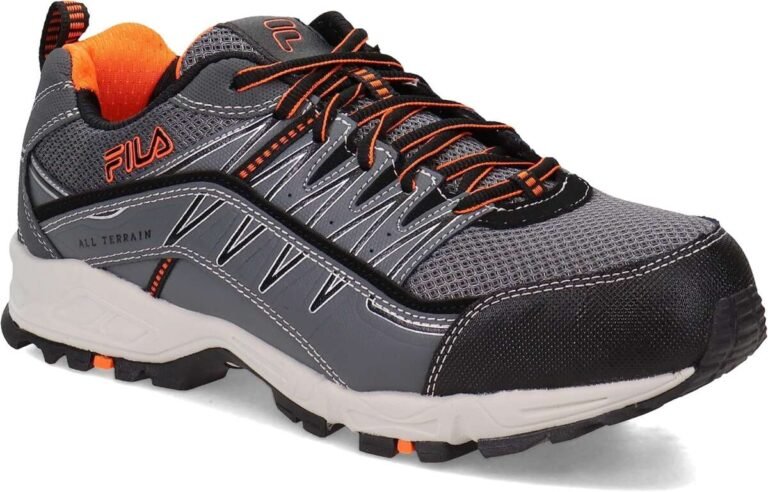
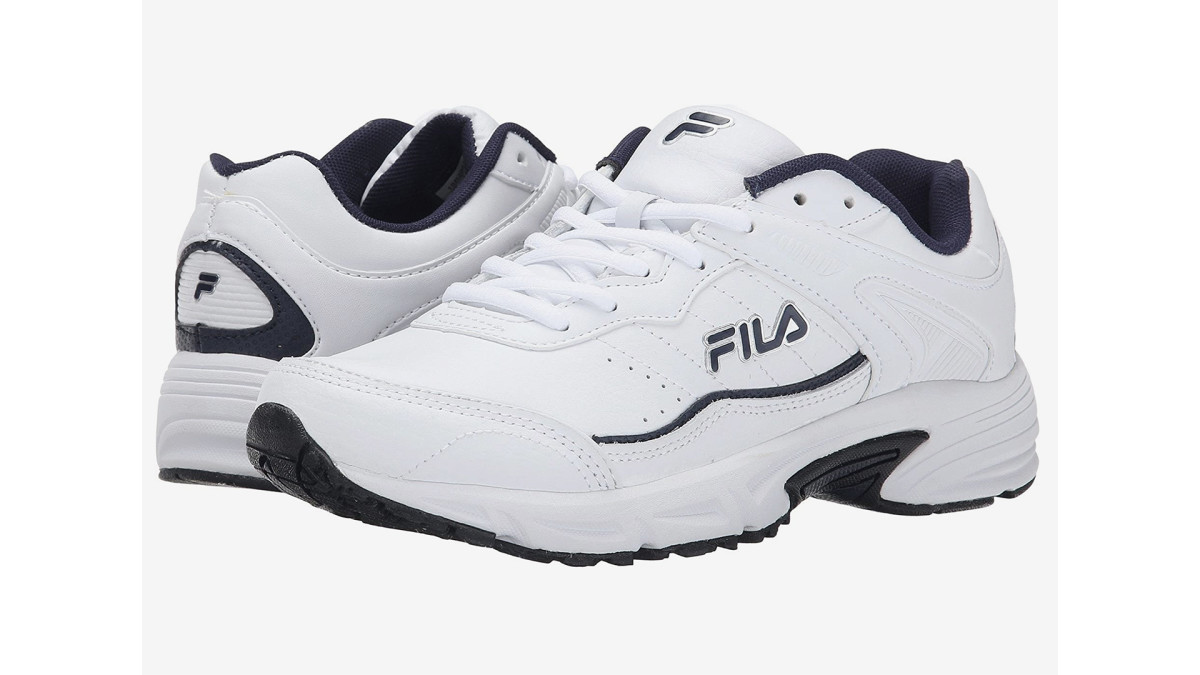
For workouts in the United States, Fila shoes can be good for exercise when the model matches your activity, foot shape, and training needs. Fila makes running shoes, walking shoes, training shoes, court shoes, and lifestyle sneakers. They do not all provide the same support.
A Fila running shoe may work well for walking or steady treadmill runs. A Fila cross-training shoe may suit strength workouts, gym circuits, and short cardio sessions. A casual Fila sneaker may look comfortable but lack the grip, stability, or cushioning needed for hard training.
The best question is not simply, “Are Fila shoes good?” It is: Which Fila shoe is made for my workout, and does it fit my foot well?

The Short Answer: Fila Shoes Can Work for Many Workouts
Fila shoes can be a reasonable choice for general fitness, walking, light gym work, and some running. Their usefulness depends on the shoe’s design rather than the brand name alone.
A good workout shoe should provide:
- A secure fit that keeps your heel from slipping
- Enough room for your toes to spread
- Cushioning suited to the activity
- A stable base for the movements you perform
- Rubber or other outsole material that grips your workout surface
- Breathable materials that help manage heat and sweat
Fila offers different shoe types, so performance can vary from one model to another. A lightweight road-running shoe is built for repeated forward steps. A training shoe is usually better for side-to-side movements and lifting. A court shoe is designed for sports such as tennis or basketball.
Fila shoes may be a good fit for:
- Walking
- Treadmill workouts
- Light jogging
- Beginner running
- Weight machines
- General gym sessions
- Low-impact cardio
- Some cross-training workouts
- Recreational court sports, if the shoe is made for that sport
They may be a poor fit for:
- Heavy lifting in soft, highly cushioned running shoes
- Fast trail running in road shoes
- Basketball in casual lifestyle sneakers
- High-impact workouts when the shoes are worn out
- Any activity that causes foot, knee, hip, or back pain
The American College of Sports Medicine recommends choosing footwear based on the activity and replacing shoes when wear reduces their function. That principle applies to Fila shoes just as it does to other brands.

Choose the Fila Shoe Type for Your Workout
The workout determines the type of shoe you need. A simple match can prevent many common problems.
| Workout | Best Fila shoe category | What to look for | Main limitation |
|---|---|---|---|
| Walking | Walking or running shoe | Flexible sole, comfort, secure fit | A very soft sole may feel less stable |
| Treadmill running | Road-running shoe | Cushioning, smooth outsole, breathable upper | Not ideal for sharp lateral movement |
| Outdoor road running | Road-running shoe | Durable outsole and fit that holds the foot | Road shoes lack trail grip |
| Weight training | Training shoe or firm-soled shoe | Stable base and low side-to-side movement | Soft running shoes can feel unstable |
| HIIT | Cross-training shoe | Lateral support, grip, moderate cushioning | May not offer enough cushioning for long runs |
| Cycling class | Training shoe or cycling-specific shoe | Firm platform and secure upper | A running shoe may flex too much |
| Basketball | Basketball shoe | Ankle comfort, court grip, lateral support | A casual sneaker is not a substitute |
| Tennis or pickleball | Court shoe | Lateral stability and court-safe outsole | Running shoes may slide or wear quickly |
| Hiking | Hiking shoe or trail shoe | Traction, protection, and firm support | Road shoes are not suited to rough trails |
Running and treadmill workouts
Fila running shoes may suit easy runs, treadmill sessions, and walks if they fit well and provide enough cushioning for you. Running shoes are designed mainly for forward motion. They are not usually the best choice for repeated side shuffles, box jumps, or rapid direction changes.
For a new runner, comfort and fit often matter more than a shoe’s marketing terms. Start with short sessions. If the shoe causes rubbing, numbness, heel movement, or pain that changes your stride, stop and reassess the fit.
Weight training
For squats, deadlifts, and other strength exercises, a stable platform is important. A very soft running shoe can compress or wobble under load. A Fila training shoe with a firmer, broader base may work better for general gym strength work.
A dedicated lifting shoe may be more suitable for serious Olympic lifting or specialized strength training. That is a different need from casual resistance training.
HIIT and circuit workouts
High-intensity interval training often combines jumping, lunges, short runs, squats, and lateral movements. A cross-training shoe is usually more suitable than a pure running shoe because it balances cushioning with side-to-side support.
No shoe can remove the impact or injury risk of poor form, excessive volume, or a sudden jump in training. Increase workout time and intensity gradually.
Court sports
Court sports need grip and lateral control. If you play basketball, tennis, or pickleball, choose a Fila model made for that sport rather than a casual sneaker or ordinary running shoe.
Court surfaces vary. An outsole that works well indoors may wear differently outdoors. Check the product description and the rules of your facility before using a shoe on a protected indoor court.
How to Tell Whether a Fila Shoe Fits Well
A shoe is not a good workout shoe if it does not fit your foot. Brand sizing can vary by model, so use the size chart and test the actual pair.
Use this quick fit check:
- Try shoes later in the day. Feet often swell during the day, especially after activity.
- Wear your workout socks. Thick or padded socks can change the fit.
- Leave toe room. Your longest toe should not press against the front. You need room for natural movement and swelling.
- Check the heel. The heel should stay in place without a painful grip.
- Walk, bend, and step sideways. Your foot should not slide inside the shoe.
- Look for pressure points. Check the toe box, tongue, sides, and heel.
- Test both shoes. Feet are often slightly different sizes.
- Use the same surface as your workout when possible. A shoe can feel different on carpet, rubber gym flooring, concrete, or a court.
A snug fit is not the same as a tight fit. Your foot should feel held, not squeezed. If your toes go numb or your arch feels pressed, try a different size, width, or model.
Should you buy Fila shoes for flat feet?
Flat feet alone do not prove that you need a special shoe. Some people with low arches are comfortable in neutral shoes, while others prefer more structure. The key factors are comfort, foot control, and how you move.
If you have persistent pain, a history of stress fractures, severe overpronation, or a diagnosed foot condition, ask a podiatrist or physical therapist for personal advice. Do not assume that a shoe labeled “stability” will fix every gait issue.
Are Fila shoes good for wide feet?
The answer depends on the model. Some Fila shoes may feel roomy, while others may have a narrow toe box. Do not judge width from the brand name alone.
A wide foot should not spill over the sole. If the upper stretches tightly across the forefoot, your toes press together, or you develop side pain, choose a wider model or another shoe.

What Features Matter Most in a Workout Shoe?
The most useful features depend on your training. More cushioning is not always better, and a heavier shoe is not automatically more supportive.
Cushioning
Cushioning reduces the feeling of impact and can improve comfort during walking or running. The right amount is personal. Too little may feel harsh, while too much can reduce stability during lifting and lateral movements.
Replace cushioning-based claims with a simple test: Does the shoe feel comfortable during your actual workout, and does it remain stable when you change direction?
Stability
Stability comes from the shoe’s base, upper, heel fit, and outsole. It is especially useful for strength training and side-to-side activity.
A stable shoe should not twist easily when you hold the heel and forefoot and gently rotate them in opposite directions. This is only a basic check, not a laboratory test.
Flexibility
Running and walking shoes usually need to flex near the front of the foot. Training shoes need enough flex for lunges and jumps but should not feel flimsy during strength work.
A shoe that bends sharply in the middle may feel unstable under load. A shoe that will not bend at all may feel awkward during walking or running.
Traction
Traction depends on the outsole rubber, tread pattern, and surface. A sole that grips rubber gym flooring may not grip wet pavement or loose dirt.
Never assume that a shoe is slip-proof. Wet floors, dust, oil, and worn tread can reduce grip in any brand.
Breathability and materials
Mesh uppers may help heat escape during indoor workouts. They may provide less protection from rain, sharp objects, or rough outdoor surfaces.
Synthetic overlays can improve structure, but they may add weight or limit stretch. Choose the balance that fits your environment.
Weight
A lighter shoe can feel quick during cardio. A slightly heavier shoe may offer more structure or protection. Weight alone does not predict comfort, durability, or injury risk.

When Fila Shoes May Not Be the Best Choice
Fila shoes may not meet your needs when the model does not match your sport, your foot condition, or your training load.
Consider another option if:
- You need a specialized shoe for medical or orthopedic reasons
- You train for long-distance races and need a highly specific fit
- You play a sport that requires dedicated court protection
- The shoe lacks grip for your surface
- Your feet move inside the shoe during fast drills
- The midsole feels compressed or uneven
- The outsole is badly worn
- The upper is torn near the toes or sides
- You feel pain that returns each time you train
Pain is not a normal sign that a shoe is “breaking in.” Mild stiffness from a new shoe can happen, but sharp pain, numbness, blisters, swelling, or a changed stride deserves attention.
For an injury, ongoing pain, or symptoms such as weakness or loss of sensation, stop the activity and seek qualified medical care. People with diabetes or reduced foot sensation should use extra caution and inspect their feet after exercise.

How Long Do Fila Workout Shoes Last?
There is no reliable mileage number that applies to every Fila shoe. Shoe life depends on body weight, training surface, weekly use, gait, weather, and the shoe’s materials.
Check for these signs instead:
- The tread is smooth in key areas
- The sole feels uneven
- The midsole stays crushed after you remove your foot
- The upper no longer holds your foot
- The heel leans to one side
- New aches begin without another clear cause
- The shoe smells or stays damp because materials no longer dry well
Rotate shoes if you train often. Let wet shoes dry at room temperature rather than placing them on a heater, which can damage materials. Clean them according to the care instructions, and do not put them in a dryer unless the manufacturer specifically allows it.
A new shoe should feel usable from the start. Wear it for short sessions before relying on it for a long workout or event.

Fila Shoes vs. Other Workout Shoe Brands
Fila is neither automatically better nor worse than other athletic brands. The comparison should focus on the exact model and your activity.
When comparing Fila with another brand, check:
- Intended use
- Fit and available widths
- Heel security
- Toe-box shape
- Outsole grip
- Firmness and cushioning
- Return policy
- Warranty terms
- Your comfort during the actual workout
A more expensive shoe is not guaranteed to fit better. A lower-priced shoe is not automatically unsafe. Independent reviews can help identify patterns, but they cannot replace trying the shoe on your own feet.
Product pages describe intended features. They do not prove that every wearer will experience the same comfort or durability.
A Simple Buying Checklist
Before buying Fila shoes for exercise, answer these questions:
- What activity will I do most often?
- Will I move mainly forward, or will I cut from side to side?
- Do I need a firm base for lifting?
- Do I train indoors, outdoors, or on a court?
- Does the shoe fit with my normal workout socks?
- Can my toes move without touching the front?
- Does my heel stay in place?
- Is the return policy clear?
- Does the shoe cause pain, rubbing, or numbness?
- Is the outsole appropriate for my training surface?
If you are unsure, buy for your most frequent activity rather than trying to make one casual shoe do everything. A running shoe and a training shoe solve different problems.
Frequently Asked Questions
Are Fila shoes good for gym workouts?
They can be. Choose a Fila training shoe for mixed workouts, lateral drills, and strength exercises. A running shoe may be better for treadmill work, while a casual Fila sneaker may not offer enough support or grip.
Are Fila shoes good for running?
Some Fila running shoes can work for walking, treadmill running, and recreational road running. Check the fit, cushioning, outsole, and comfort during short runs before using them for longer distances.
Are Fila shoes good for lifting weights?
A firm, stable Fila training shoe may work for general weight training. Very soft running shoes can feel unstable under heavy loads. Serious lifters may prefer specialized lifting shoes for technical movements.
Can I use Fila running shoes for HIIT?
You can use them for HIIT if the workout has mostly forward movement and the shoes feel stable. For frequent lateral drills, jumps, and quick cuts, a cross-training shoe is usually the better match.
How should Fila workout shoes fit?
They should feel secure without squeezing your foot. Leave room at the toes, keep the heel from slipping, and check that your foot does not slide during side steps. Try them with the socks you will wear to train.
Are Fila shoes good for people with flat feet?
Some people with flat feet are comfortable in Fila shoes, but the right choice depends on fit and symptoms. If you have ongoing pain or a diagnosed foot problem, get individual guidance from a qualified clinician.

Bottom Line
Fila shoes can be good for working out when you choose the right category and the shoe fits well. Fila running shoes are more suitable for walking and forward-motion cardio. Fila training shoes are generally a better match for gym circuits, strength work, and lateral movement. Sport-specific Fila shoes are the safer choice for court activities.
Start by matching the shoe to your workout. Then check fit, stability, grip, and signs of wear. If the shoe causes pain or changes the way you move, stop using it and choose a better match or seek professional advice.
Sources consulted
- American College of Sports Medicine: Selecting and Effectively Using Running Shoes
- American Academy of Orthopaedic Surgeons: Athletic Shoes
- American College of Sports Medicine: Exercise Preparticipation Health Screening
- Fila USA

Michael Smith is the Content Strategist behind The Style Hub, where fashion meets function. With a keen eye for trends and a passion for everyday style, he curates content that helps readers make smarter, more stylish choices—from the perfect pair of sneakers to must-have accessories. Michael specializes in breaking down fashion into practical, wearable insights, making style accessible for everyone. When he’s not researching the latest trends, he’s exploring how comfort, innovation, and timeless design come together in modern fashion.