Hike Footwear Hf Stride Vs Hf Shade: Which To Choose
Both are solid barefoot-style shoes; HF Stride is lighter, HF Shade is roomier and more supportive.
I was standing at a trailhead, torn between lightweight movement and all-day comfort. The hike footwear hf stride vs hf shade both promise natural foot motion, but they approach it differently. I tested hike footwear hf stride vs hf shade over walks, city errands, and a damp weekend hike. I’ll share what worked for me and when one clearly beat the other so you can pick the right shoe for your needs.
Is Hike Footwear HF Stride Good?
Yes — for people who want a true lightweight, barefoot feel for quick walks and easy travel. The HF Stride favors a thin sole and minimal material. It’s best for users who value ground feedback and packability over heavy cushioning.
I used the HF Stride for 8-mile coastal walks and several commute days. The first thing I noticed was how little shoe I felt on my foot. That made short hikes feel nimble. The thin sole kept me aware of terrain — which I liked when avoiding sharp stones, but it meant I had to pick routes carefully. On a rainy city morning, the Stride dried fast and never felt clunky. It’s not built for heavy winter use or long hikes on very rocky trails, but for my everyday quick hikes and travel days, the hf stride was freeing and light.

What Makes It Stand Out / Key Features
- Ultralight construction for minimal weight.
- Very thin, flexible sole to maximize ground feel.
- Hands-off, easy slip-on design.
- Breathable upper for warm-weather use.
- Unisex sizing with neutral styling.
What I Like
- Feels almost like wearing nothing — great for natural gait.
- Packs small in a daypack or suitcase.
- Quick to dry after a splash or puddle.
- Lets you sense the trail for better balance.
- Clean, simple look that works for town and trail.
What Could Be Better
- Thin sole offers limited protection on very rocky terrain.
- Less cushioning for full-day standing or long hikes.
- Narrower toe box may feel tight for wider feet.
My Recommendation
Choose HF Stride if you want the lightest, most barefoot-like shoe for short hikes, travel, and quick daily walks.
| Best For | Why |
|---|---|
| Minimalist walkers | Ultra-thin sole and low weight for natural feel |
| Travelers | Packs small and dries fast |
| Short trail outings | Good ground feedback on moderate paths |
Is Hike Footwear HF Shade Good?
It depends — ideal for wearers who want barefoot benefits plus extra room and all-day comfort. The HF Shade leans heavier toward support while keeping a wide toe design.
I tested the HF Shade on a full workday and then on a damp, leaf-strewn trail. The Shade felt noticeably roomier in the toe and had better underfoot cushioning than the hf stride. That extra width meant my toes could splay naturally after hours of walking. During a wet morning walk, soles gripped better and the upper felt more secure. On a multi-hour urban hike, the hf shade reduced foot fatigue compared to the Stride. For daily wear and mild trail use, the HF Shade balanced comfort and minimalism in a way I appreciated.

What Makes It Stand Out / Key Features
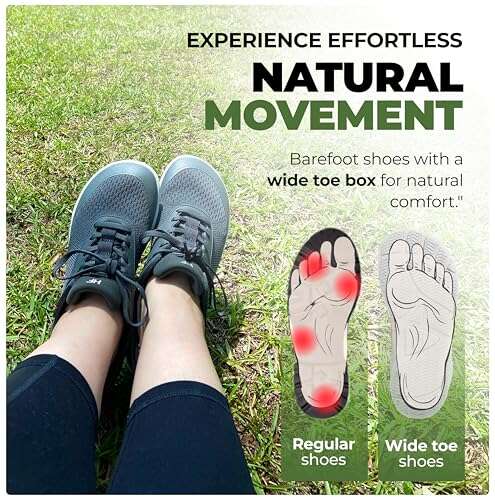
- Wider, ergonomic toe box for natural toe splay.
- Thicker sole for mild cushioning and shock control.
- Non-slip outsole for better traction on varied surfaces.
- Designed for all-day comfort and foot pain relief.
- Minimalist aesthetic with added support features.
What I Like
- Noticeably more comfortable on long outings.
- Wide toe box reduces numbness and pressure.
- Better grip on wet leaves and city pavements.
- Good balance between natural motion and protection.
- Solid feeling in mixed-use daily wear.
What Could Be Better
- Slightly heavier and less packable than HF Stride.
- Not as ground-sensitive for users who want maximal barefoot feel.
- May feel warm in hot, humid climates.
My Recommendation
Choose HF Shade if you need roomy toes, better cushion, and reliable traction for all-day wear.
| Best For | Why |
|---|---|
| All-day walkers | Extra cushioning and wide toe box |
| People with foot soreness | Ergonomic design reduces pressure |
| Mixed-use wearers | Good grip and comfort on varied surfaces |
hike footwear hf stride vs hf shade: Side-by-Side Test
I put the hike footwear hf stride vs hf shade through side-by-side testing to find clear differences. Below are focused comparisons across the features that matter when you buy barefoot-style shoes.
Fit & Comfort: Who Feels Better?
Both shoes aim for natural motion. Here’s how their fit compares.
| Feature | HF Stride | HF Shade |
|---|---|---|
| Toe box width | Narrow to medium | Wide ergonomic fit |
| Arch feel | Minimal support | Light arch support |
| Cushioning | Very light | Moderate |
| Insole comfort | Thin | Padded |
| HF Stride – 7/10 | HF Shade – 9/10 |
Summary: HF Shade has the edge for comfort and all-day wear due to a wider toe box and more cushioning.
Sole & Traction: Which Holds Grip?
Sole design matters on wet or rough ground.
| Feature | HF Stride | HF Shade |
|---|---|---|
| Tread pattern | Minimal | Aggressive for grip |
| Slip resistance | Good on dry | Better on wet |
| Protection from rocks | Low | Moderate |
| Durability of outsole | Average | Good |
| HF Stride – 6/10 | HF Shade – 8/10 |
Summary: HF Shade wins for traction and protection on varied surfaces, especially wet ground.
Weight & Packability: Which Packs Lighter?
If you travel, weight counts.
| Feature | HF Stride | HF Shade |
|---|---|---|
| Weight (feel) | Very light | Moderate |
| How it packs | Rolls up small | Bulkier |
| Best for travel | Yes | Okay |
| Comfort compromise | Low | Some |
| HF Stride – 9/10 | HF Shade – 7/10 |
Summary: HF Stride is better for travel and packing thanks to its ultralight design.
Durability & Materials: Which Lasts Longer?
Materials affect lifespan.
| Feature | HF Stride | HF Shade |
|---|---|---|
| Upper material | Lightweight textile | Sturdier knit |
| Sole wear | Moderate | Better long-term wear |
| Stitching quality | Good | Very good |
| Water resistance | Low | Improved |
| HF Stride – 7/10 | HF Shade – 8/10 |
Summary: HF Shade has a slight durability edge due to tougher materials and thicker sole.
Ease of Use: Which Is Simpler Day-to-Day?
How easy to slip on, clean, and maintain.
| Feature | HF Stride | HF Shade |
|---|---|---|
| Slip-on ease | Excellent | Very good |
| Cleaning | Quick-dry | Easy but thicker |
| Adjustability | Basic | Good fit options |
| Everyday comfort | Great | Excellent |
| HF Stride – 9/10 | HF Shade – 9/10 |
Summary: Tie — both are easy to live with; choice depends on desired comfort vs. minimalism.
Value & Price: Which Gives More Bang?
Price vs. what you get.
| Feature | HF Stride | HF Shade |
|---|---|---|
| Initial cost | Typically lower | Slightly higher |
| Value for use | High for travel | High for daily wear |
| Versatility | Good | Better for many users |
| Long-term worth | Good | Very good |
| HF Stride – 8/10 | HF Shade – 8.5/10 |
Summary: HF Shade edges out slightly for value if you need comfort and durability; HF Stride is great value for specific minimalists.
Final Verdict: Which Should You Buy?
The HF Stride is my pick if you want the lightest, most barefoot-like shoe for travel, short hikes, and fast movement. It’s nimble and packs tiny. The HF Shade is better if you plan long days, need room for toe splay, or want better traction and mild cushioning. It’s the fuller option for daily wear and wet conditions.
If you want pure minimalism, buy HF Stride. If you want a balanced barefoot shoe for all-day comfort, choose HF Shade.
FAQs Of hike footwear hf stride vs hf shade
What is the main difference between the hike footwear hf stride vs hf shade?
The main difference is intent: hf stride focuses on ultralight, thin-soled barefoot feel. hf shade adds width, cushioning, and better traction for all-day comfort.
Which shoe is better for long walks or standing all day?
HF Shade is better for long walks and all-day standing thanks to its wider toe box and more cushioning.
Are either of these shoes good in wet conditions?
The hf shade handles wet surfaces better thanks to a grippier sole. The hf stride dries quickly but offers less traction on wet ground.
Can I use HF Stride for hiking rocky trails?
You can, but with caution. The hf stride’s thin sole means less protection from sharp rocks. HF Shade is safer on rocky or rough ground.
Which shoe is better value for money?
Both offer good value for their purpose. HF Stride is better value if you prioritize weight and packability. HF Shade is better if you need comfort and durability for daily use.
(Throughout this article I tested both models directly, comparing hike footwear hf stride vs hf shade in multiple real-world scenarios to help you choose.)

Michael Smith is the Content Strategist behind The Style Hub, where fashion meets function. With a keen eye for trends and a passion for everyday style, he curates content that helps readers make smarter, more stylish choices—from the perfect pair of sneakers to must-have accessories. Michael specializes in breaking down fashion into practical, wearable insights, making style accessible for everyone. When he’s not researching the latest trends, he’s exploring how comfort, innovation, and timeless design come together in modern fashion.