What Does Td Mean In Shoes: Meaning And Fit Guide
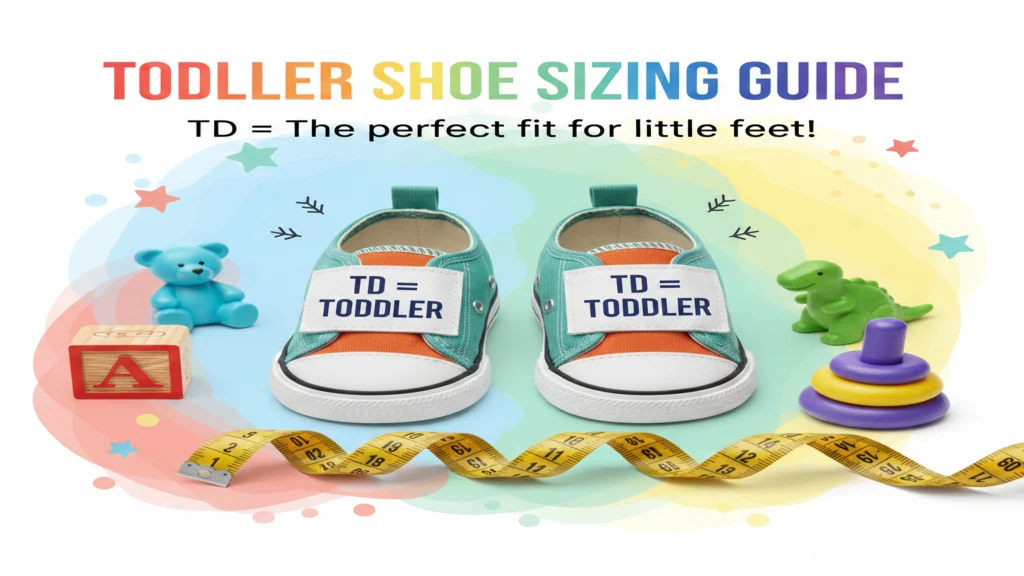
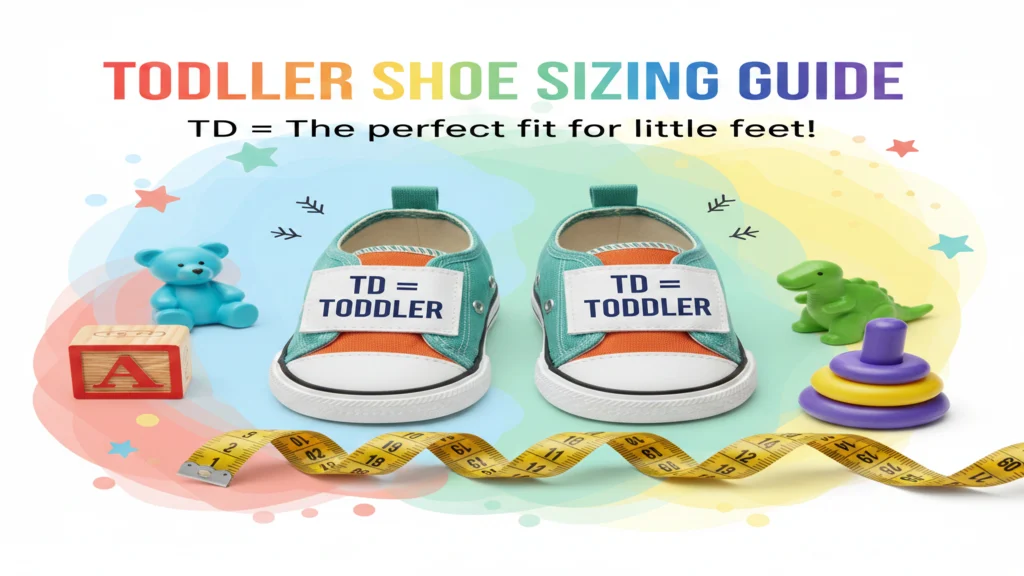
TD in shoes means "Toddler" — a size group for young children's footwear.
I’ve worked with shoe fits and sizing charts for years, and I can tell you exactly what does td mean in shoes and why it matters when you shop. This guide breaks down what does td mean in shoes, where you’ll see TD labels, how toddler sizing works, and practical tips to pick the right pair online or in-store. Read on for clear, expert advice and real-life tips that save time and money.

What TD means in shoes
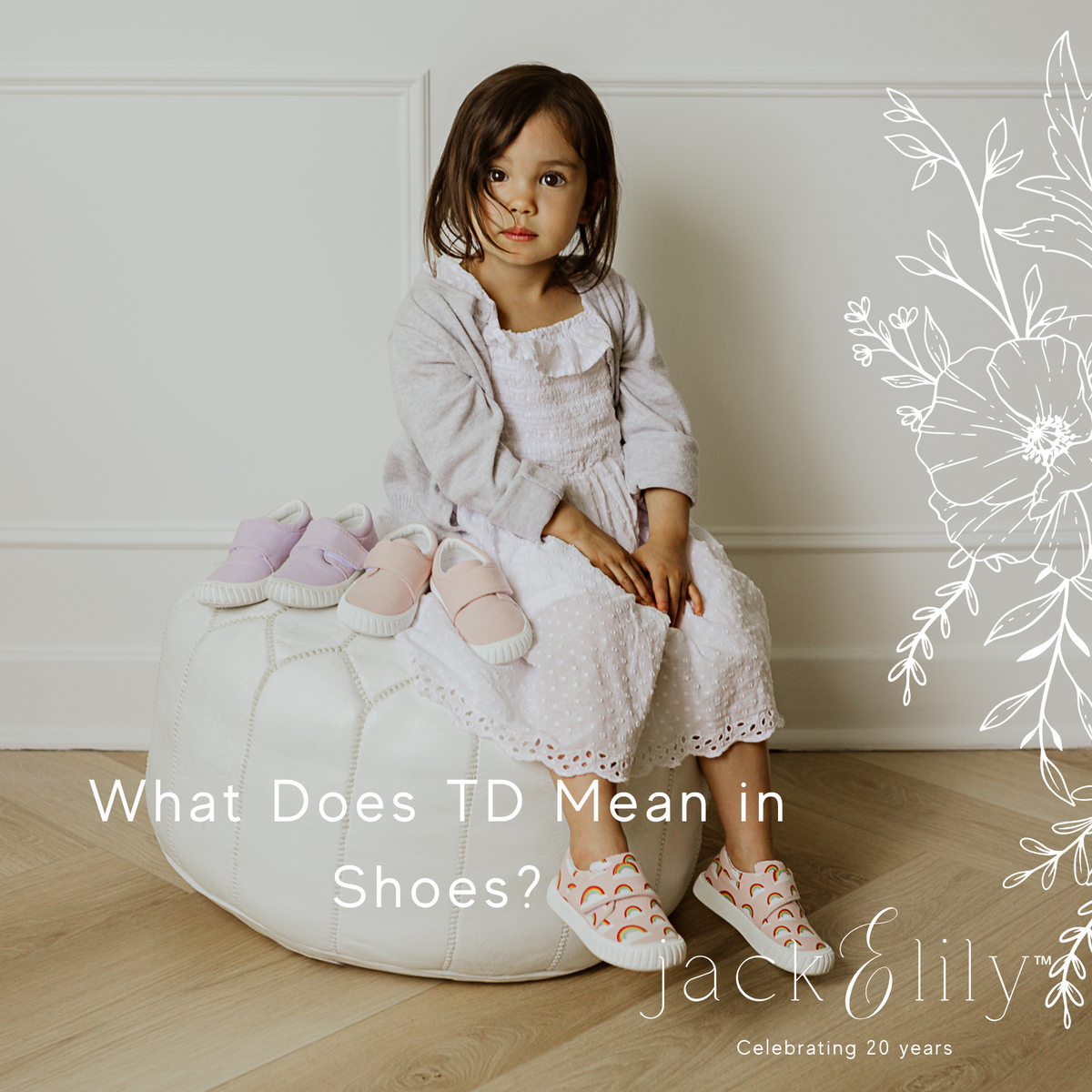
TD stands for toddler. It’s the shorthand many brands and stores use to mark toddler sizes. When you ask what does td mean in shoes, the short answer is that it identifies shoes made for toddlers, usually ages about 1 to 4 years.
Toddler sizes sit between infant (baby) and preschool or little-kid sizes. The label helps parents and buyers find the right size group fast. In many product listings you’ll see "TD" or "T" paired with numbers or age ranges. That tells you the shoe is built for toddler feet.
Quick PAA-style questions about TD
What age are TD shoes for?
TD shoes are generally for children about 1 to 4 years old. Age is only a guide; foot length matters more.
Is TD the same as toddler size?
Yes. TD equals toddler in shoe labeling. It marks the toddler size category across many brands.
Do TD sizes match across brands?
Not always. Each brand has its own size chart, so always check measurements before buying.
Where you'll see TD on shoes and listings
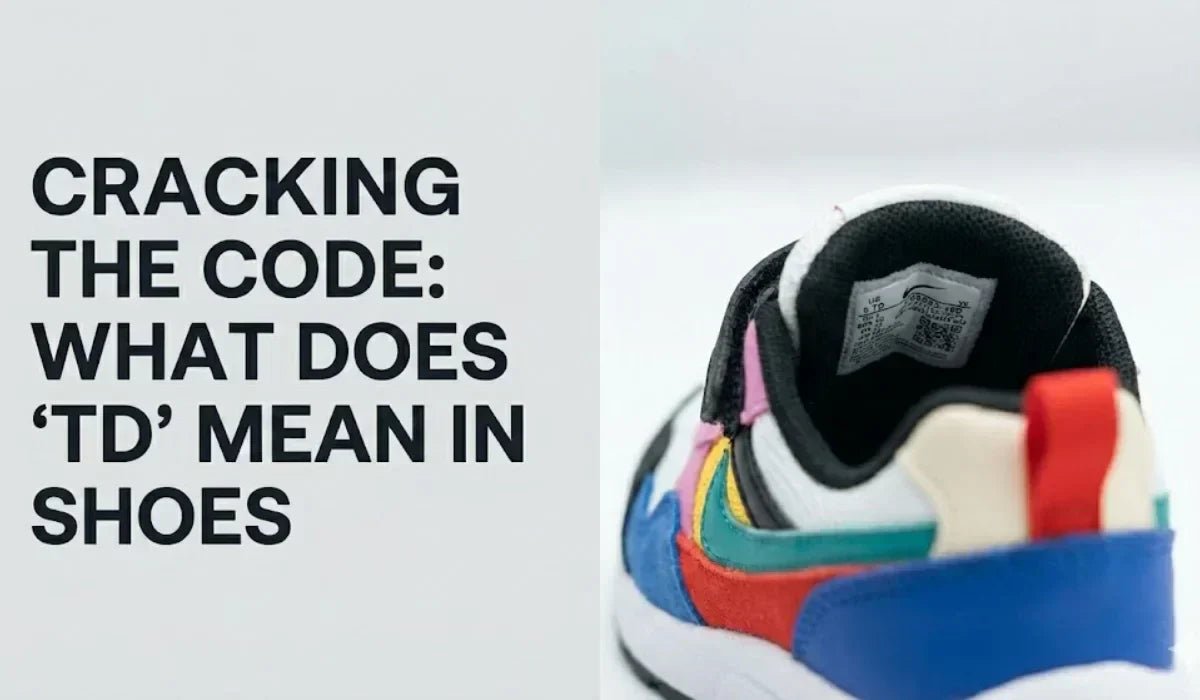
You’ll find TD in many places. Online product pages, shoe boxes, tags, and model names often include TD. Sneaker releases sometimes add "TD" to show a toddler version of a popular adult style. Retail filters also use TD to narrow search results to toddler shoes.
Some sellers use TD alongside other codes like "Infant" or "PS" (preschool). When you ask what does td mean in shoes while browsing, remember the tag mainly signals the age/size group, not a special width or sole type. If you see TD next to a number, that number usually refers to the toddler size number.
How toddler sizing works (practical guide)
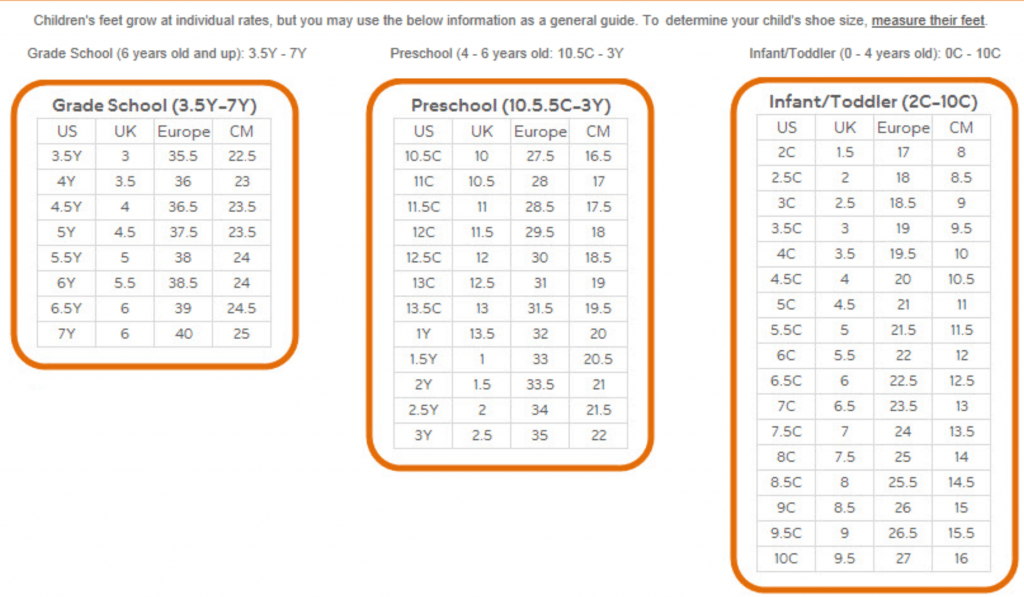
Toddler sizes use a different numbering system than adult shoes. Here’s how to read them and measure correctly.
- Typical toddler size range
- Sizes often run from 0C to 10C or 4T to 10T depending on brand.
- How to measure
- Place the child’s heel against a wall on paper.
- Mark the longest toe and measure heel-to-toe.
- Add about 0.5 inch (1.2 cm) for wiggle room.
- Growing room rule
- Aim for 0.25 to 0.5 inch space in front. Toddlers grow fast and need wiggle room to avoid blisters.
- Converting toddler to other labels
- Infant sizes are usually labeled 0–3 or "INF".
- Preschool or little-kid sizes use "PS" or "K" and start where toddler ends.
When you know what does td mean in shoes, the next step is to measure. That keeps returns low and comfort high.
 abbreviations”
style=”max-width: 100%; height: auto; border: 2px solid black; border-radius: 10px; display: block; margin: 0 auto;”
loading=”lazy”
/>
TD versus other common shoe abbreviations
Understanding abbreviations prevents confusion. Here are common terms you’ll meet.
- TD — Toddler sizes
- INF or NB — Infant or newborn sizes
- PS — Preschool sizes or "Pre-School"
- Y or K — Youth or kid sizes (older children)
- Wide (W) or Narrow (N) — Width indicators, not age groups
Note that TD does not indicate width. If you need a narrow or wide toddler shoe, look for additional letters or a brand-specific width chart. Always double-check labels if you ask what does td mean in shoes and want a precise fit.
Tips for buying TD shoes online or in-store
Buying toddler shoes can be easy if you follow a few rules. Here are actionable tips I use when fitting kids.
- Measure feet each shopping trip
- Toddlers’ feet grow quickly. Measure every 6–8 weeks.
- Use the brand size chart
- Compare your foot measurement to the brand’s chart. Sizes vary by maker.
- Allow growth room
- Leave about a thumb’s width (0.25–0.5 inch) at the toe.
- Read reviews for fit notes
- Other buyers often say if a model runs small or large.
- Check return policy
- Keep options open in case the size is off.
From personal experience, one pair labeled TD fit very differently across brands. Measuring saved a second trip to the store. When you learn what does td mean in shoes, measuring becomes the most useful habit.
How major brands use TD and small variations
Brands label toddler sizes a bit differently. Here’s a short checklist of what you might see.
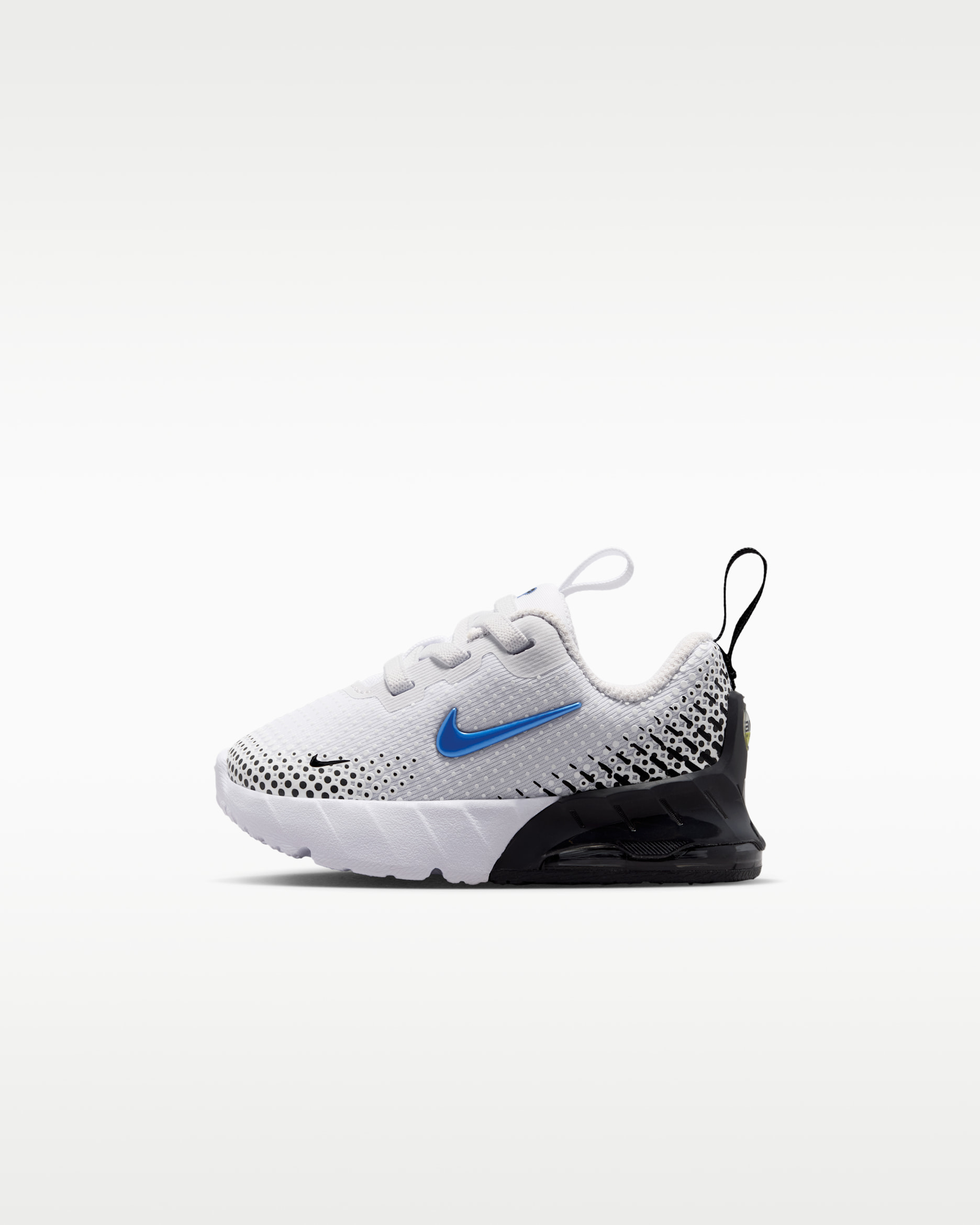
- Nike and Jordan
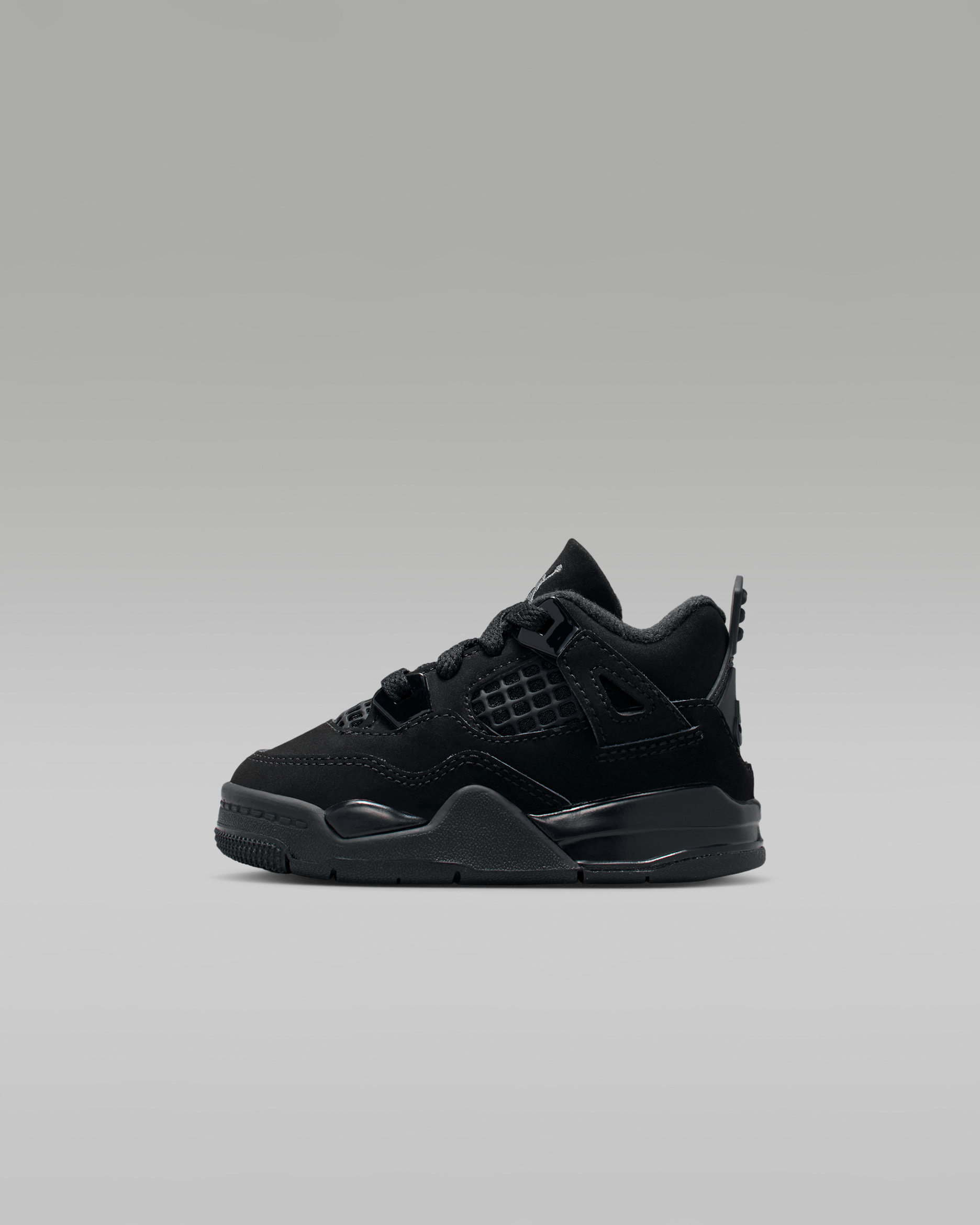
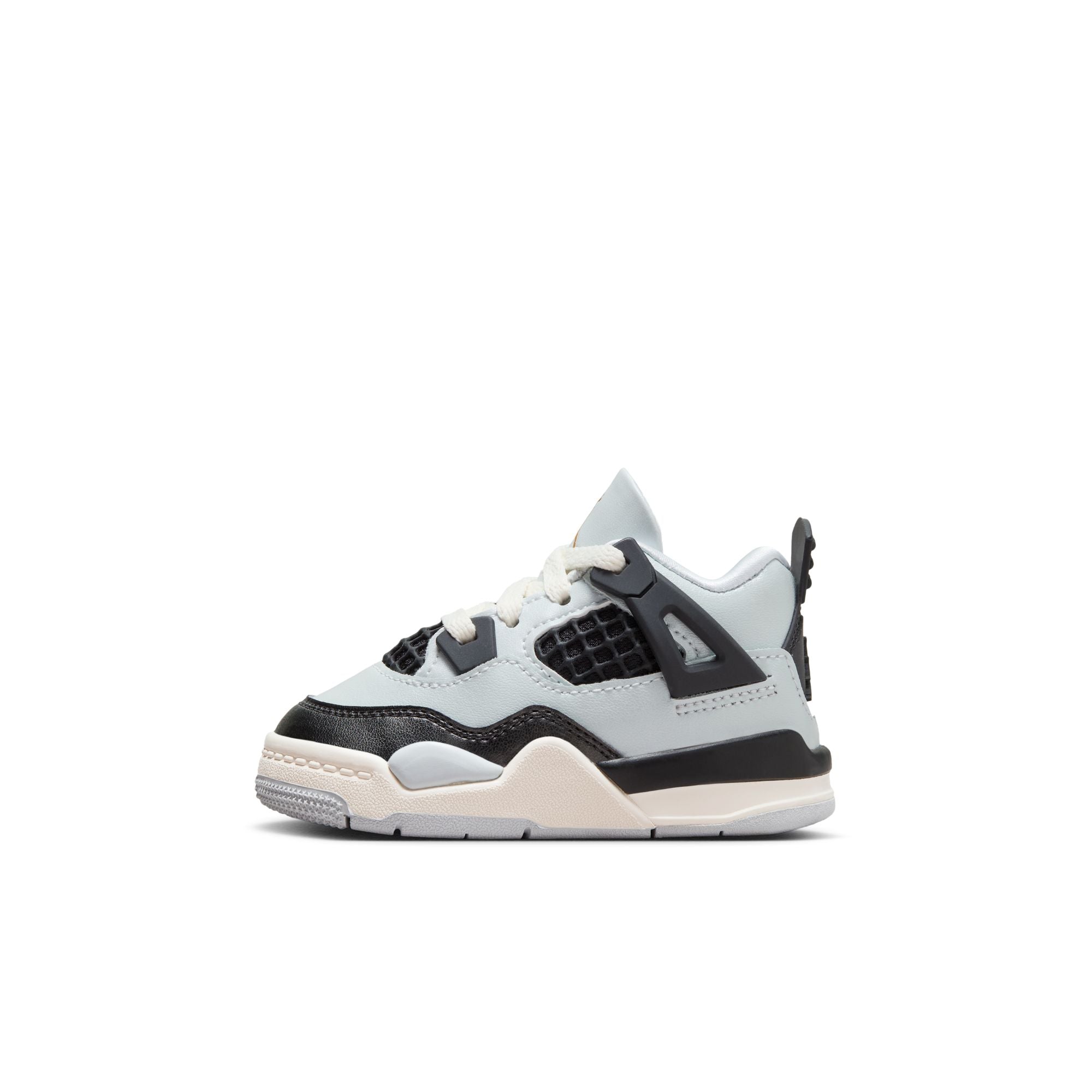
- Often use TD for toddler pairs and include a clear size number.
- Adidas
- May use "T" or label sizes with numeric codes.
- Converse and Vans
- Use toddler labels but cross-list youth sizes for older kids.
- Retailers and marketplaces
- Filters use TD to group toddler styles.
Even within brands, models may fit narrow or wide. When you ask what does td mean in shoes for a specific brand, check that brand’s chart and any notes about fit.
Personal experience and practical lessons
I’ve helped parents pick toddler shoes in busy stores. One common mistake is relying only on age. Once, a 2-year-old needed a size 8T in one brand and a 9 in another. Measuring solved it.
Lessons I learned:
- Measure feet, not age.
- Try shoes on with the socks your child will wear.
- Watch how the child walks in the shoes for a minute—no limp or rubbing.
- Keep receipts; kids outgrow shoes fast.
These tips come from real fittings and many returned boxes. They’ll help you use the TD label wisely.
Common questions people ask about TD (2–3 short answers in text)
Q: If a toddler wears size 7, is that the same as TD 7?
A: Often yes. TD 7 usually means toddler size 7. But check the brand’s chart to be safe.
Q: Can toddlers wear little-kid sizes instead of TD?
A: They can if the size matches the foot length. Little-kid sizes can be used once the foot reaches that size.
Q: Does TD also mean width sometimes?
A: No. TD marks age/size group. Width uses other letters like W or M.
Frequently Asked Questions of what does td mean in shoes
What does TD mean on shoe boxes?
TD stands for toddler and marks a toddler-sized shoe. It helps you know the shoe was made for young children.
Are TD shoes just smaller adult shoes?
No. TD shoes are scaled and structured for toddler feet. They often have softer soles and more support for early walking.
How do I convert toddler sizes to inches or centimeters?
Measure heel-to-toe and compare with a brand chart. Most toddler sizes list length in inches or centimeters for easy conversion.
Can toddlers wear shoes labeled PS or Y instead of TD?
Yes, if the measurement matches. PS and Y are different size groups; use them only if the foot fits those charts.
Is TD universal across all shoe brands?
Not fully. TD consistently means toddler, but exact size fit can vary by brand. Always check measurements and reviews.
Conclusion
Knowing what does td mean in shoes makes buying for kids easier. TD marks toddler sizing, but the best fit comes from measuring the foot, checking brand charts, and allowing a bit of growth room. Use the tips here to avoid returns and keep little feet happy.
Take action: measure your child’s feet today, compare the numbers to the brand chart, and choose TD only when the fit matches. If you found this helpful, leave a comment or subscribe for more simple, reliable shoe-fit tips.

Michael Smith is the Content Strategist behind The Style Hub, where fashion meets function. With a keen eye for trends and a passion for everyday style, he curates content that helps readers make smarter, more stylish choices—from the perfect pair of sneakers to must-have accessories. Michael specializes in breaking down fashion into practical, wearable insights, making style accessible for everyone. When he’s not researching the latest trends, he’s exploring how comfort, innovation, and timeless design come together in modern fashion.