Best Shoes For Clubfoot Adults: Supportive Picks
The best shoes for clubfoot adults are supportive, roomy, and adjustable to fit custom orthotics.
Living with clubfoot as an adult means dealing with unique fit and comfort needs every day. Maybe you have a high arch, a narrow heel, or need extra depth for orthotics—finding shoes that fit well and feel good can change how you walk, stand, and even socialize. I’ll walk you through practical options and clear guidance so you can pick shoes that help you move with more comfort and confidence.
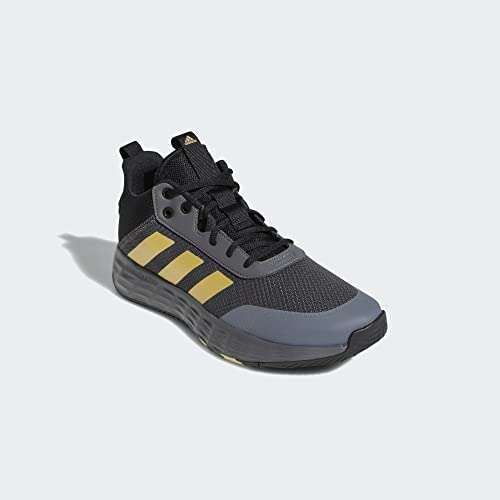
Adidas Ownthegame Shoes – Men’s 9
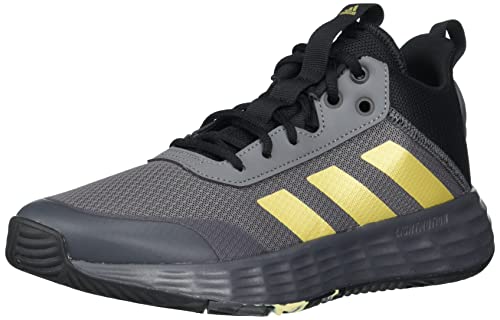
The Adidas Ownthegame shoes are a modern athletic sneaker built on a stable, low-profile sole. They offer a firm heel cup and a slightly wider forefoot than slim trainers. The upper gives a secure fit around the midfoot while the sole offers mild cushioning without sinking. For adults with clubfoot who need a dependable daily shoe, this model mixes sport styling with practical support.
I like that the shoe accepts thin custom insoles and has a structured back that helps keep a stable heel position. The lace closure lets you fine-tune tension at the midfoot. If you need a shoe that looks mainstream but supports an orthotic or wider toe box, the Ownthegame is a solid pick.
Pros:
- Stable heel cup to help control heel movement.
- Mildly wider forefoot for extra room.
- Durable outsole for daily wear and light activity.
- Lace system allows customized fit and pressure relief.
- Slim enough to work with many orthotic insoles.
Cons:
- Not ultra-deep—may be tight with very thick orthotics.
- Moderate cushioning may not suit those needing maximal shock absorption.
- May run slightly narrow in the toe box for very wide feet.
My Recommendation
I recommend the Adidas Ownthegame for adults who want a mainstream sneaker that adapts to mild orthotic needs. It is best for people who need a stable heel, a secure midfoot, and a natural look. The shoe performs well for walking, light gym work, and daily life. If you’re looking for the best shoes for clubfoot adults that blend style and function, this is a strong option.
| Best for | Why |
|---|---|
| Daily stable sneaker | Firm heel and neutral sole help control foot motion. |
| Orthotic-friendly | Removable insole and moderate depth accept thin orthotics. |
| Casual style seekers | Classic look works for work and social outings. |
JIONS Diabetic Extra Wide Shoes – Size 46

The JIONS diabetic shoes are built for comfort and adjustable fit. These slip-ons use Velcro closures, a wide toe box, and a soft upper for minimal pressure points. They offer deep volume so you can use thick orthotics or bandaging. For clubfoot adults who need extra width, adjustable straps, and ease of entry, these shoes are worth testing.
I find the JIONS model very forgiving for swollen feet or those who use night splints temporarily. The sole provides gentle cushioning while keeping the foot on a low, stable platform. If you need a shoe that prioritizes comfort, adjustability, and room for custom supports, the JIONS shoe delivers practical value.
Pros:
- Extra wide fit accommodates swollen or misshapen feet.
- Velcro straps give instant, precise adjustment.
- Deep interior volume supports thick orthotics or dressings.
- Soft upper reduces friction and hot spots.
- Lightweight and easy to put on and take off.
Cons:
- Sporty look may not match formal outfits.
- Less structured heel support compared with athletic shoes.
- Durability varies by use—heavy outdoor wear may accelerate wear.
My Recommendation
I recommend the JIONS diabetic extra wide shoes for adults with clubfoot who need space, adjustability, and comfort. They work best if you use thicker orthotics or have fluctuating swelling. The Velcro straps let you fine-tune fit quickly. If you want a very accessible and roomy shoe, these rank high among the best shoes for clubfoot adults.
| Best for | Why |
|---|---|
| Swollen feet & edema | Wide, adjustable straps relieve pressure and fit changes. |
| Orthotics users | Deep footbed accepts thicker orthoses and padding. |
| Easy-on daily wear | Slip-on design and Velcro straps aid quick dressing. |
How I Choose the Best Shoes for Clubfoot Adults
I look for shoes that balance room, control, and comfort. Clubfoot in adults often means one foot is different from the other. So, shoes must handle asymmetry. I pick models that allow custom insoles and offer extra depth.
I favor shoes with firm heel counters. Those stop unwanted heel roll. A roomy toe box avoids pinching. Adjustable closures are key. I test for pressure spots and walk on different surfaces.
What to Look For: Key Features Explained
Heel stability. A firm heel counter helps maintain alignment. Adults with clubfoot often need this to keep the foot steady. Shoes that collapse at the back can make gait worse. I always press the heel area to check stiffness.
Depth and width. Extra depth lets you add orthotics. Wide platforms reduce crowding at the toes. If you have a high arch or a brace, depth becomes crucial. I measure foot volume and compare model specs.
Orthotic compatibility. Removable insoles let you swap in custom orthotics. Not all shoes accept thicker orthotics. I make sure the shoe has a removable liner and enough internal height. A shallow shoe will pinch or force the orthotic to sit too high.
Closure type. Laces let you micro-adjust tightness. Velcro is fast and ideal for fluctuating swelling. Elastic gussets can help in slip-on designs. I choose closure systems based on daily needs and dexterity.
Sole shape. A neutral sole works for most people. Rocker soles can help if you have stiff joints or toe-off pain. Thick cushioning helps shock but can reduce ground feel. I match sole stiffness to activity level.
Practical Fit Tips I Use When Trying Shoes
Try shoes at the end of the day. Feet swell over the day and that shows the true fit. Wear the socks you plan to use. I bring orthotics to the try-on to confirm fit and comfort.
Check heel slip. A little is ok, but more than a finger’s width is a poor fit. I walk and change speed. Also, I feel the toe box—no pinching. I move around to reproduce daily movements.
Measure both feet. Use the larger measurement for size. Many adults with clubfoot have one foot larger or shaped differently. I always size to the bigger foot and test the other insole.
Modifications and Orthotic Strategies
Custom orthotics help align the foot, reduce pain, and stabilize motion. Shoe selection matters more once you add a custom device. I recommend flexible orthotics that match shoe depth. Rigid orthotics need stiffer shoes or custom footwear.
If a shoe is slightly shallow, a thinner orthotic or trim-to-fit insert can help. For severe deformity, consider custom-made shoes or last modifications. I consult a certified pedorthist when off-the-shelf options fail.
Shoe Types: When to Pick What
Athletic sneakers work well for daily walking and gym use. They usually accept thin orthotics and have decent heel control. I pick them for activity.
Therapeutic shoes—like diabetic or post-op models—offer extra depth and soft interiors. They are great for swelling and skin issues. I choose these when fit is the main priority over style.
Casual shoes and slip-ons are handy for quick outings. If they lack depth, they can still work with slim orthotics. I test them cautiously for heel stability and toe room.
Materials and Build: What Helps Comfort
Soft, breathable uppers reduce friction and hot spots. Leather molds to shape over time, while mesh breathes. I choose materials based on skin sensitivity and climate.
A reinforced toe cap can protect against bumps. Internal padding over seams prevents rubbing. I check seams and stitch lines, since those cause blisters on sensitive feet.
Care and Maintenance Tips
Rotate shoes. Use more than one pair to let foam recover and reduce odor. I keep one pair for long walks and another for casual days. Rotation extends life and comfort.
Replace insoles yearly or sooner if compressed. Insoles lose support and change fit. I recommend swapping if you feel increased pressure or loss of alignment. Keep shoes clean and dry to protect materials.
When to Consider Custom Footwear
If off-the-shelf shoes constantly pinch or fail to accept orthotics, custom shoes are the next step. I refer readers to a podiatrist or pedorthist. Insurance may cover custom devices in many cases.
Custom shoes are molded to your foot. They provide the best fit and full orthotic integration. If you have long-term pain or open skin, especially, custom footwear can improve function and life quality.
What I’ve Learned Helping Adults with Clubfoot
Every foot is unique. Small changes in shoe fit can mean big gains in comfort and mobility. I always test shoes with intended orthotics and use real-world walking patterns.
I stress patience. You may need multiple tries to find the right pair. Track pain and pressure spots. The right shoe can reduce strain, improve balance, and make daily life easier.
FAQs Of best shoes for clubfoot adults
Are off-the-shelf shoes good enough for clubfoot adults?
Yes, often. Many adults find off-the-shelf shoes that work well with custom or over-the-counter orthotics. Choose models with removable insoles and extra depth. If problems persist, try therapeutic or custom shoes.
How do I choose the right size for clubfoot?
Measure both feet and pick the larger size. Test shoes with your usual socks and any orthotic. Walk on hard and soft floors to check comfort and heel stability.
Should I use custom orthotics or store-bought insoles?
If you have pain or progressive deformity, custom orthotics usually work best. Store-bought insoles help mild alignment and cushioning. I start with a basic insole and move to custom support if needed.
Can shoes correct clubfoot in adults?
Shoes can’t correct structural deformity in adults. They support, protect, and improve comfort. For significant functional needs, braces, orthotics, or surgery can help, but shoes play a key supportive role.
What closure type is best for clubfoot adults?
Velcro is best for ease and swelling. Laces give better fine-tuning. I recommend choosing based on your daily needs and hand dexterity.
Final Verdict: Which Should You Buy?
For a mix of support and everyday style, the Adidas Ownthegame is my top pick as the best shoes for clubfoot adults. It balances heel control and orthotic compatibility for regular use.
If you need roomy, adjustable comfort for swelling or thick orthotics, the JIONS diabetic shoe wins. Both models offer practical solutions among the best shoes for clubfoot adults to improve comfort and mobility.
Extra Tips and Parting Advice
I always test shoes in real life. Wear them around the house for a day before committing. This simple check reveals pressure spots and comfort issues early.
Talk to a foot care professional if pain or skin issues remain. I find that combining the right shoe with a tailored orthotic provides the best results. Keep exploring; the right pair can make daily life feel easier and safer.

Michael Smith is the Content Strategist behind The Style Hub, where fashion meets function. With a keen eye for trends and a passion for everyday style, he curates content that helps readers make smarter, more stylish choices—from the perfect pair of sneakers to must-have accessories. Michael specializes in breaking down fashion into practical, wearable insights, making style accessible for everyone. When he’s not researching the latest trends, he’s exploring how comfort, innovation, and timeless design come together in modern fashion.