How To Match Shoes With Outfit: Effortless Style Tips
Match shoes by color, formality, and proportion to balance your outfit’s style and mood.
I’ve helped clients and friends refine looks for years. In this guide I’ll show you how to match shoes with outfit in clear, practical steps. You’ll learn simple rules, color tips, texture pairings, occasion rules, and quick fixes you can use today. Read on to gain confidence and make shoes feel like the final, effortless touch of your outfit.
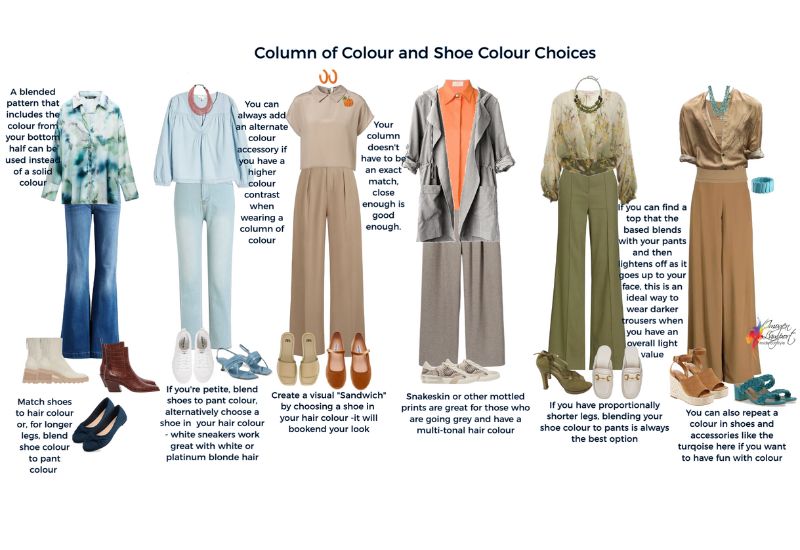
Why shoes matter for your look
Shoes finish a look. They set tone and mood. The right pair can lift a basic outfit. The wrong pair can undo careful styling. Knowing how to match shoes with outfit helps you look put-together. It also saves time and reduces outfit guesswork.
People notice shoes. They impact how tall, sleek, or casual you seem. Shoes also tie color and texture together. When you learn to match shoes with outfit, you control first impressions.
Basic rules for matching shoes with outfit
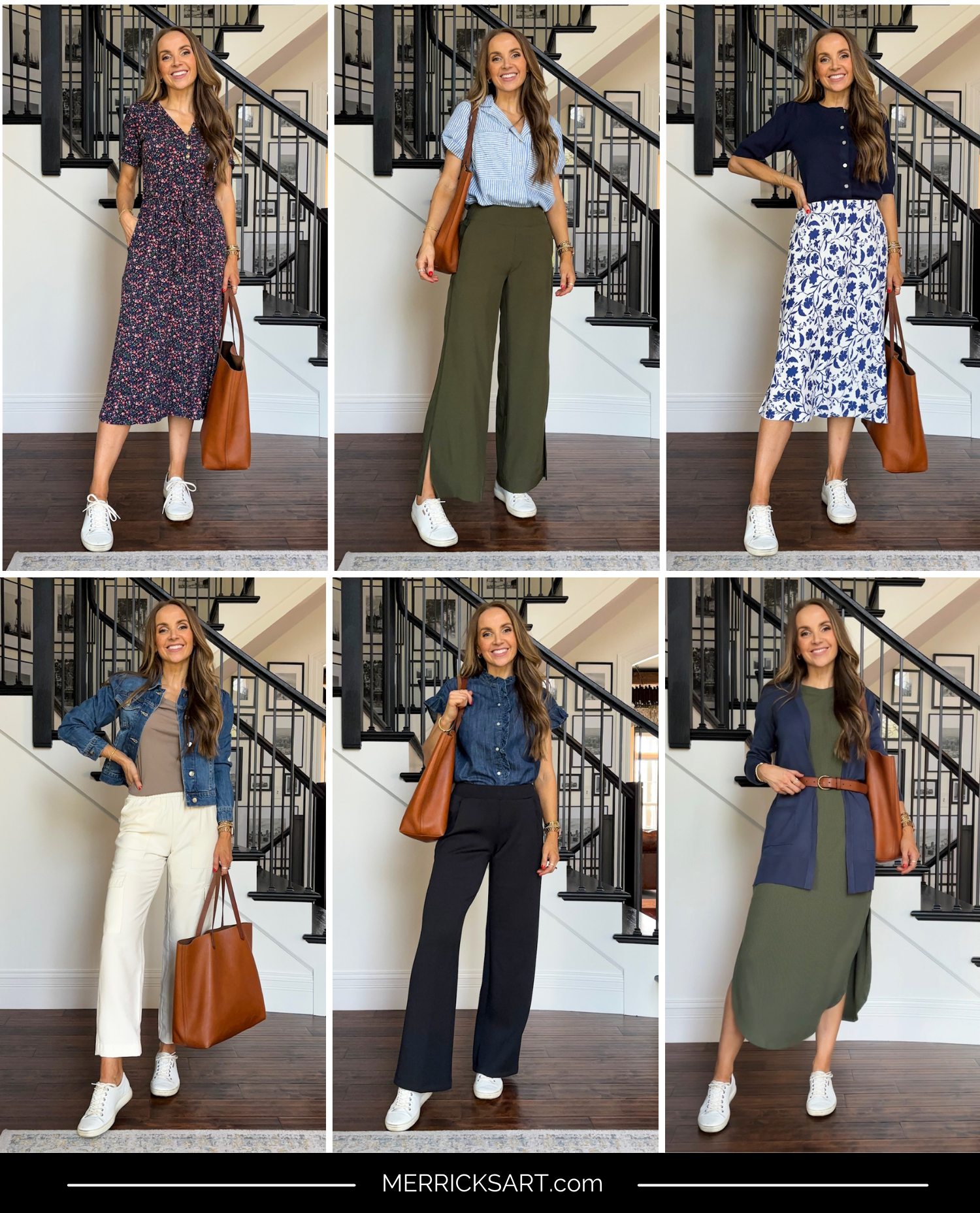
Start with three simple rules. Use them every time you dress.
- Match formality. Dress shoes for suits, casual shoes for jeans, sneakers for relaxed looks.
- Balance color. Use neutral shoes for busy outfits and bold shoes for simple ones.
- Consider proportion. Chunky shoes suit wide pants; slim shoes fit tapered cuts.
These rules form the backbone of how to match shoes with outfit. Keep them handy when you front-load your wardrobe choices.
How to match shoes with outfit by color
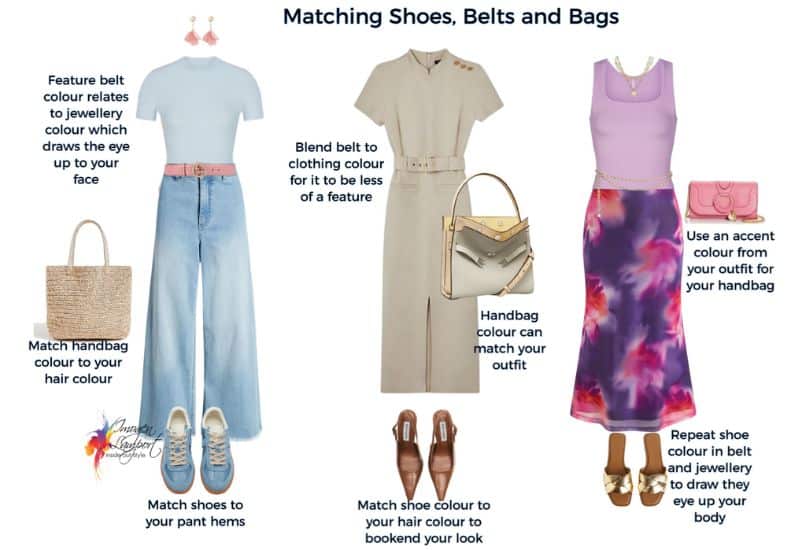
Color is the easiest way to link shoes to clothes. Use simple palettes and small contrasts.
- Match neutrals with anything. Black, brown, navy, white, and gray pair widely.
- Use tonal matching. Pair warm browns with warm tans and rusts; pair cool grays with blues.
- Anchor a bright piece. If your outfit has one bright item, echo that color subtly in your shoes or accessories.
- Use contrast carefully. White sneakers can brighten dark outfits. Dark shoes ground light outfits.
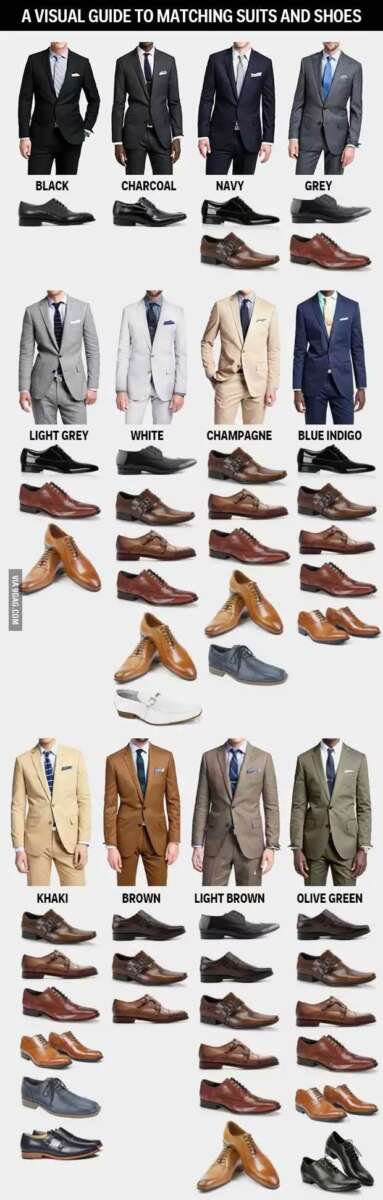
Example: For a navy dress, pick tan heels for warmth or navy loafers for a seamless look. The key when deciding how to match shoes with outfit is to think about which color you want to pop and which should recede.
How to match shoes with outfit by style and formality
Shoes must match the event and clothing style.
- Work and formal: Choose polished shoes. Oxfords, loafers, pumps, or heeled boots are safe.
- Smart casual: Try brogues, Chelsea boots, or dress sneakers with clean lines.
- Casual and weekend: Use low-top sneakers, sandals, or casual boots.
- Athletic: Reserve technical trainers for workouts or athleisure looks.
A classic mistake is pairing very formal shoes with very casual clothes. That clash is what people notice first. When you learn how to match shoes with outfit by matching formality, looks feel natural and intentional.
Consider proportions and silhouette
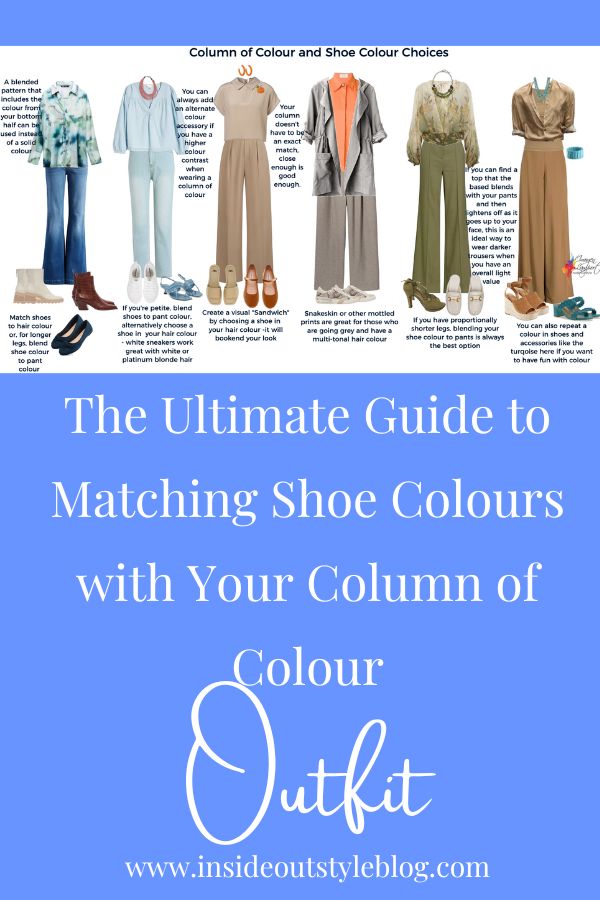
Shoes change how clothes read. Match shoe shape to pant and dress shapes.
- Wide or cropped pants: Wear chunkier shoes or platform soles to balance width.
- Slim pants and skinny jeans: Use slim loafers, sneakers, or boots for clean lines.
- Long dresses and skirts: Heels or platform sandals add lift and prevent hem dragging.
- Tailored suits: Stick with sleek shoes that follow suit lines.
If you wear wide trousers with tiny ballet flats, the pants may swallow your feet. Small mismatches like that can unbalance an outfit. Learning how to match shoes with outfit proportions helps you avoid those pitfalls.
Materials and texture: small details, big impact
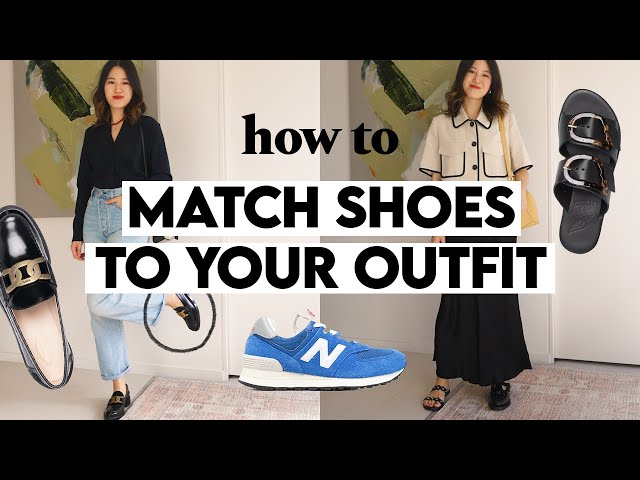
Material choices change mood and formality.
- Leather is classic and formal. It polishes up suits and smart looks.
- Suede is softer and more casual. It adds texture to sweaters and denim.
- Canvas and knit are casual and sporty.
- Patent and glossy finishes read dressy or evening.
Mix textures for depth. For example, a wool coat with suede boots looks rich and layered. Pay attention to shine and weather too. Suede can be ruined by rain, for instance. These choices matter when deciding how to match shoes with outfit day to day.
Occasion-based guides: practical pairings
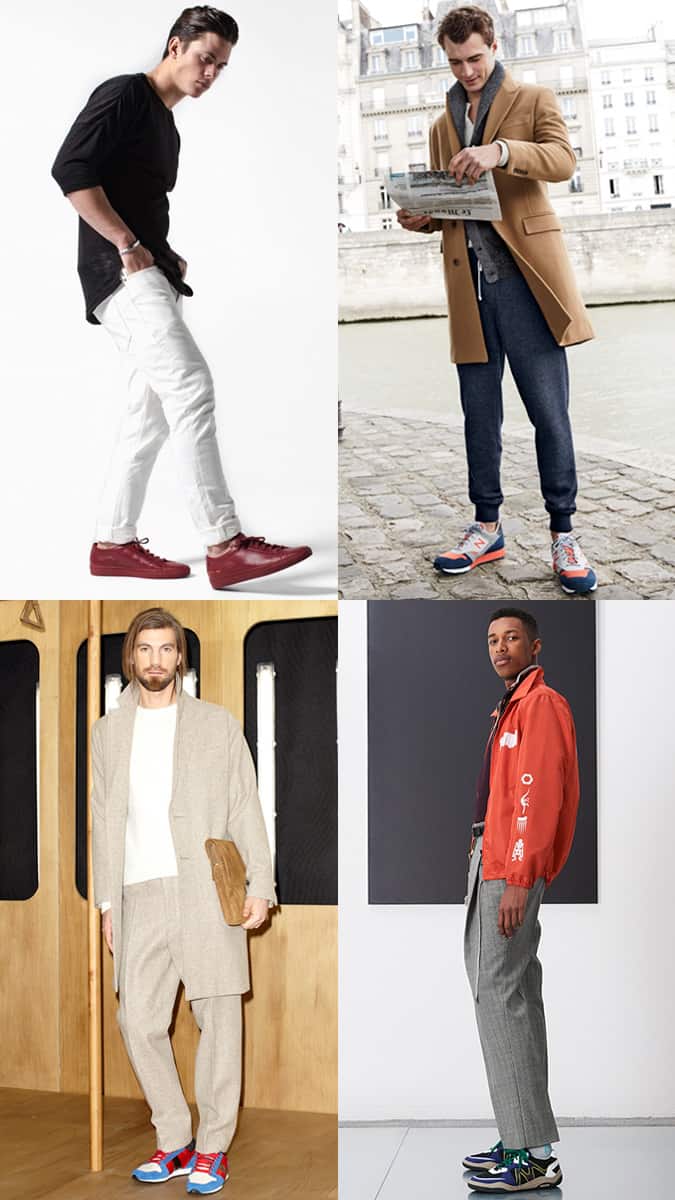
Here are quick, clear pairings for common outfits. These examples show how to match shoes with outfit in real life.
- Business suit: Dark leather oxfords, derbies, or polished loafers. Keep colors conservative.
- Office smart casual: Leather loafers, minimal sneakers, Chelsea boots.
- Date night: Heeled sandals or sleek ankle boots for women; suede loafers or dress boots for men.
- Weekend casual: White sneakers, slip-ons, or desert boots.
- Summer outfits: Strappy sandals or espadrilles for linen and light cotton.
- Travel: Comfortable yet neat sneakers or supportive loafers.
These pairings come from real styling sessions. They are easy to adapt for your wardrobe.

Common mistakes to avoid when matching shoes with outfit
Avoid these common errors that trip up many people.
- Overmatching exactly. Matching shoes to a bag or belt color perfectly can look forced. Aim for harmony, not exact clones.
- Ignoring weather. Suede in snow or heels on cobblestone are practical mistakes.
- Forgetting socks. Socks affect color, length, and formality. Match sock style to shoes and pants.
- Wearing worn-out shoes with good clothes. Scuffed shoes lower the impact of an outfit.
- Choosing shoes only for fashion. Comfort and function matter. If shoes hurt, you will not wear them well.
Learning how to match shoes with outfit means thinking practically as well as visually.

Style tips from my experience
I’ve worked with clients and styled outfits for events. Here are lessons I learned.
- Keep a neutral pair for emergencies. A clean white sneaker and a pair of brown leather shoes go far.
- Test at home. Try shoes with outfit in natural light before leaving the house.
- Edit often. Toss or repair shoes that are damaged. A tidy shoe rack saves time.
- Use small echoes. Match a shoe to a small element of your outfit, like a watch strap or belt stitch.
- Comfort increases confidence. I once wore beautiful heels to a long event and regretted it. I now prioritize comfort when matching shoes with outfit for long days.
These tips come from trial and success. They work in daily life.
Quick PAA-style questions
What shoes go with jeans and a t-shirt?
Wear clean sneakers or casual boots. White sneakers keep it modern; desert boots add polish.
Can I wear athletic shoes with a blazer?
Yes, if the blazer is casual and the sneakers are clean and minimal. Avoid chunky running shoes.
How do I match shoes with outfit for a wedding?
Match shoe formality to the dress code. For formal weddings choose polished dress shoes or elegant heels.
Frequently Asked Questions about how to match shoes with outfit
What color shoes should I wear with a black dress?
Choose black for a seamless look or nude for elongation. Metallics work well for evening events.
Are white sneakers acceptable with suits?
They can be if the suit is casual and the sneakers are minimal and clean. Keep the rest of the look sharp.
How do I match shoes with outfit for a job interview?
Pick conservative, well-polished shoes that match the role’s formality. Neutral colors and simple styles are safest.
Can I mix patterns and bright shoes?
Yes. Use bright shoes to anchor a neutral piece in a patterned outfit. Keep other colors muted to avoid clashes.
What shoes should I pack for travel?
Pack one comfortable sneaker and one versatile dress shoe or boot. Choose neutral colors that match most outfits.
Conclusion
Matching shoes with outfit is a skill you can learn. Start with formality, color, and proportion. Use texture and occasion rules to refine choices. Test looks in natural light and keep comfort in mind. Try one new pairing this week and notice how small shoe changes lift your whole look. Share your results, subscribe for more tips, or leave a comment with your toughest shoe-match challenge.

Michael Smith is the Content Strategist behind The Style Hub, where fashion meets function. With a keen eye for trends and a passion for everyday style, he curates content that helps readers make smarter, more stylish choices—from the perfect pair of sneakers to must-have accessories. Michael specializes in breaking down fashion into practical, wearable insights, making style accessible for everyone. When he’s not researching the latest trends, he’s exploring how comfort, innovation, and timeless design come together in modern fashion.