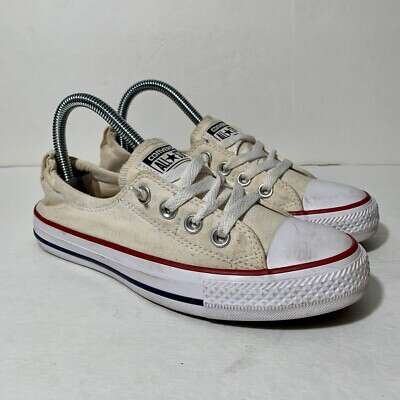

Does Medicare Pay For Diabetic Shoes: Coverage Guide
Yes, Medicare Part B may pay for diabetic shoes when strict diabetes and foot-risk rules are met.
Knowing whether Medicare pays for diabetic shoes can help you prevent foot injuries, avoid surprise bills, and choose the right supplier. Medicare coverage depends on your diabetes diagnosis, foot problems, medical records, shoe type, and provider enrollment. This guide explains the rules, costs, paperwork, and steps to take before ordering.
Does Medicare Pay for Diabetic Shoes?
Yes, Medicare Part B may cover therapeutic shoes and inserts for people with diabetes who have severe diabetic foot disease. Coverage is not automatic. You must meet specific medical conditions, and both your doctor and shoe supplier must follow Medicare rules.
Medicare usually covers one pair of therapeutic shoes and inserts each calendar year. The shoes must be medically necessary. Regular walking shoes, athletic shoes, or comfort shoes do not qualify simply because you have diabetes.
Medicare Part B generally pays 80% of the Medicare-approved amount after you meet the Part B deductible. You pay the remaining 20% coinsurance unless you have supplemental insurance, Medicaid, or another plan that helps with the cost.

Who Qualifies for Medicare Diabetic Shoe Coverage?
To qualify, you must have diabetes and meet Medicare’s medical requirements for severe diabetic foot disease. A doctor who manages your diabetes must certify that you need therapeutic shoes.
You must also have at least one of these conditions in one or both feet:
• A previous partial or complete foot amputation
• A history of foot ulcers
• A current or past callus that could lead to a foot ulcer
• Nerve damage caused by diabetes, along with signs of callus
• A foot deformity, such as hammertoes or bunions
• Poor circulation in the foot
These rules help Medicare focus coverage on people at higher risk of wounds, infection, and amputation. Diabetes alone does not usually meet the qualification standard.
A foot exam is important. Your doctor may check your skin, pulses, sensation, foot shape, calluses, pressure points, and past wound history. Good records make the approval process much easier.

What Types of Shoes Does Medicare Cover?
Medicare covers therapeutic shoes designed to protect high-risk feet. These shoes must fit properly and have enough room to reduce pressure on toes, joints, and sensitive areas.
Covered items may include:
• Depth shoes with extra space for custom inserts
• Custom-molded shoes made from a mold of your foot
• Therapeutic shoe inserts
• Necessary modifications to therapeutic shoes
• Shoe fitting services
Depth shoes often look like ordinary walking shoes. The key difference is their deeper interior and protective design. They can hold special inserts and help reduce rubbing.
Custom-molded shoes may be needed when a foot deformity cannot be safely managed with depth shoes. A qualified provider must make them to fit your foot.
Medicare does not cover every shoe sold as a “diabetic shoe.” A product may have a diabetic-friendly label but still fail Medicare’s coverage and supplier rules.

How Much Does Medicare Pay for Diabetic Shoes?
For covered diabetic shoes, Medicare Part B generally pays 80% of the approved amount after the annual Part B deductible is met. You are responsible for the remaining 20%, unless another insurance plan pays some or all of it.
Your final cost can vary based on:
• Whether the supplier accepts Medicare assignment
• The shoe type and approved price
• Whether you have met your Part B deductible
• Your Medicare Supplement policy
• Medicaid eligibility
• Whether the supplier charges more than the approved amount
Using a supplier that accepts assignment is one of the best ways to limit unexpected costs. Assignment means the supplier agrees to accept the Medicare-approved amount as full payment for the covered service.
Before receiving shoes, ask these questions:
-
Do you accept Medicare assignment?
-
Is this shoe covered under the therapeutic shoe benefit?
-
What amount will Medicare approve?
-
What will I owe after Medicare pays?
-
Is fitting included?
Do not assume that a supplier’s “Medicare accepted” statement means you will have no out-of-pocket cost. Ask for a written estimate first.

How Many Pairs of Diabetic Shoes Does Medicare Cover?
Medicare generally covers one pair of therapeutic shoes each calendar year for eligible beneficiaries. The benefit may include several inserts, depending on the type of shoes and the medical need.
The calendar-year rule matters. It does not always mean 12 months from the date of purchase. For example, if Medicare covers a pair in December, you may be able to receive another covered pair during the next calendar year if you still qualify.
Your shoes may need replacement sooner if they become damaged, no longer fit, or cannot protect your feet. However, replacement is not always automatic. Medicare and your supplier may require proof of medical need.
Ask your doctor and supplier how many inserts are included with your order. The number can depend on whether you receive depth shoes or custom-molded shoes.

What Paperwork Is Needed?
Medicare diabetic shoe coverage depends heavily on accurate documentation. Your doctor must show that you have diabetes and meet the required foot-risk criteria.
The medical record may need to include:
• Your diabetes diagnosis
• The specific foot condition that qualifies you
• A foot examination
• The medical need for therapeutic shoes
• The prescribed shoe type
• Notes about ulcers, calluses, nerve damage, poor circulation, or deformity
The doctor who manages your diabetes must usually certify the need for therapeutic shoes. A different qualified practitioner may perform the foot exam and prescribe or fit the shoes, depending on Medicare rules and the provider’s role.
Your supplier must also be enrolled in Medicare and meet the required standards. The supplier usually keeps a copy of the prescription, certification, and fitting records.