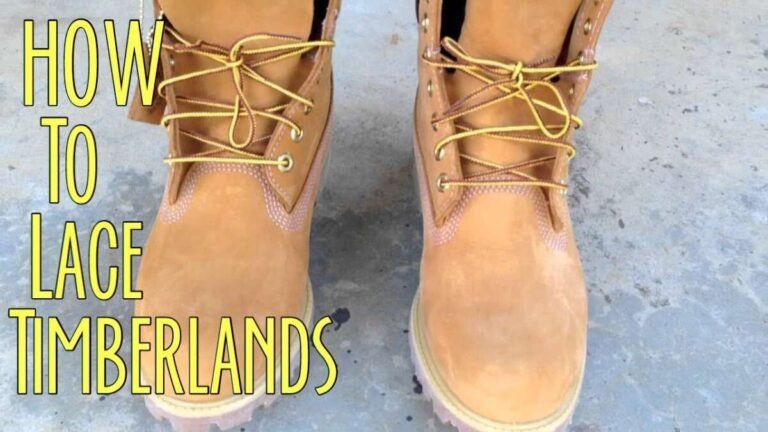
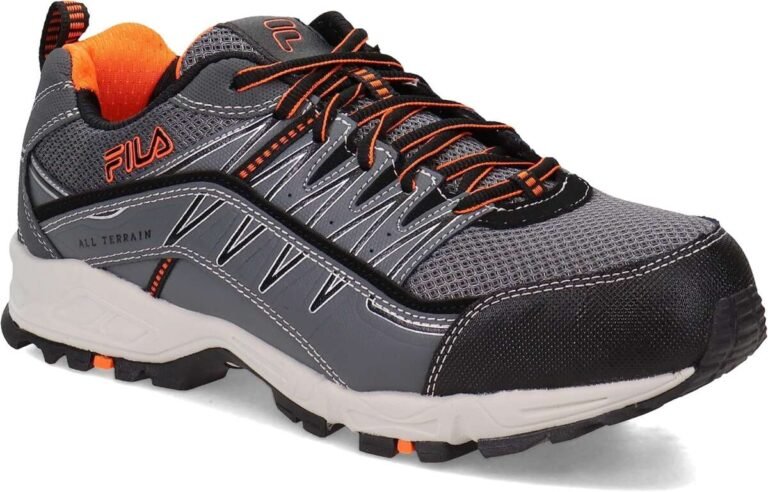
For shoppers in the United States, ankle boots should usually end at the ankle bone or 1–2 inches above it. Most ankle boots have a shaft height of about 3–8 inches, measured from the top of the boot to the sole. The right length depends on your ankle shape, the boot’s design, the pants or skirt you wear, and how much support you want.
A well-fitting pair should hold your heel in place, leave room for your toes, and avoid pressing into your ankle or calf. It should feel secure when you walk but should not pinch, rub, or force your foot into an awkward position.

What Does “Ankle Boot Length” Mean?
“Ankle boot length” usually means the shaft height, not your foot length or shoe size. The shaft is the part of the boot that rises above the foot.
Shoe brands measure shaft height from the top edge of the boot down to the sole. Measurement methods can vary slightly, especially when a boot has a heel. For this reason, use the listed height as a guide rather than an exact promise of where the boot will sit on your leg.
Ankle boots may also be described as:
- Low ankle boots: Around 3–5 inches tall
- Standard ankle boots: Around 5–7 inches tall
- High ankle boots: Around 7–8 inches tall
- Above-ankle boots: Higher styles that may approach the lower calf
These ranges are not official industry rules. A brand may classify the same height differently based on its design and target market.
Shaft height versus boot opening
Shaft height tells you how high the boot rises. The shaft opening tells you how wide the top of the boot is around your ankle or lower leg.
Both measurements affect comfort. A boot can have the right height but still feel too tight if the opening presses against your ankle. A loose opening may let the boot move and cause rubbing.
Where Should Ankle Boots End?
The best place for an ankle boot to end is usually just above the ankle joint, where the boot can support the foot without cutting into the bend of the ankle.
The ideal height changes by style:
| Ankle boot style | Typical height | Best placement |
|---|---|---|
| Chelsea boot | 5–7 inches | Above the ankle bone |
| Western ankle boot | 6–8 inches | Around the ankle and lower leg |
| Chukka boot | 3–5 inches | At or slightly above the ankle |
| Combat boot | 6–8 inches | Above the ankle, with room to lace |
| Sock boot | 6–10 inches | Close to the ankle and lower calf |
| Low-cut bootie | 3–5 inches | Near the ankle bone |
A boot that ends directly on the ankle bone may work if the edge is soft and flexible. A stiff edge that hits the bone can cause soreness, especially during long walks.
A boot that ends below the ankle may look more like a shoe than a traditional ankle boot. That is not a problem if you prefer the style, but it may provide less support and protection.

How Should Ankle Boots Fit?
Ankle boots should feel firm around the heel and midfoot, with enough room for your toes to move. They should not rely on a very tight shaft to stay in place.
Use this simple fit check when trying on ankle boots:
- Wear the socks you plan to use. Thick winter socks can change the fit more than expected.
- Stand up before judging the size. Feet spread slightly when they carry your body weight.
- Check your toes. Your toes should not touch the front when you stand or walk.
- Check the heel. A small amount of movement can be normal, but your heel should not lift sharply with each step.
- Bend and walk. The boot should flex near the ball of your foot instead of folding into your ankle.
- Check the top edge. It should not dig into the ankle bone or press hard against the Achilles tendon.
- Test both feet. One foot is often a little larger than the other, so fit the larger foot first.
Your toes should not feel squeezed from the sides. Extra length at the toe does not fix a narrow toe box. If the boot feels short, wide, or painful during a short indoor walk, a different size or shape is usually a better answer than trying to “break it in.”
How much heel slip is normal?
A small amount of heel movement may happen in a new leather boot. The heel area often settles as the upper softens. However, your heel should not slide far up and down or lift so much that your foot rubs against the lining.
If your heel slips but the rest of the boot fits well, try adjusting the laces, using a thinner or thicker sock, or adding a properly fitted insole. Avoid inserts that crowd your toes or push your foot forward.
Should ankle boots be tight around the ankle?
Ankle boots should be secure, not tight. Your ankle should not feel numb, pinched, or trapped. You should be able to walk, sit, and bend your ankle without pressure from the boot edge.
For lace-up boots, tighten the lower eyelets enough to hold your foot and adjust the upper eyelets for comfort. For pull-on boots, the opening should pass over your heel without excessive force.

How Long Should Ankle Boots Be With Different Outfits?
The best boot height also depends on where your clothing ends. Clothing that stops near the widest part of the ankle can create a sharp visual break. Moving the hem slightly above or below the boot often creates a cleaner line.
With jeans
Ankle boots work with most jeans, but the leg opening matters.
- Skinny jeans: Tuck them into the boot or let them stop just above the boot.
- Straight-leg jeans: Choose a hem that rests near the top of the boot without bunching.
- Cropped jeans: Leave a small gap between the hem and the boot for a clear ankle line.
- Wide-leg jeans: Use a boot with enough height and a toe shape that fits beneath the hem.
- Bootcut jeans: A heeled ankle boot can sit beneath the hem, but the jeans should not drag on the ground.
If jeans bunch heavily around the boot opening, the boot may be too short for the cut of the pants, or the jeans may be too long.
With skirts and dresses
Ankle boots can work with mini, midi, and maxi skirts. The visual effect changes with the gap between the hem and the boot.
- A short skirt often works with a higher ankle boot or a boot that closely follows the leg.
- A midi skirt usually looks balanced with a narrow boot shaft and a small amount of visible leg.
- A long skirt can cover most of the boot, so focus on the toe shape and heel height.
- A dress with a wide hem may pair better with a boot that has some structure rather than a very loose shaft.
There is no single correct gap. The main goal is to avoid a boot edge that cuts across the widest part of your ankle unless that is the look you want.
With leggings
Leggings usually work best with boots that have a close shaft. A wide opening can make the lower leg look loose and may allow the fabric to bunch.
A taller ankle boot can cover the bottom of the leggings. If the boot has a narrow opening, make sure the leggings are not folded tightly inside it.

How to Choose the Right Ankle Boot Height
Choose the height based on the job you need the boot to do, not only on its appearance.
For everyday walking
A boot that ends slightly above the ankle can provide a stable feel without restricting movement. Look for a flexible upper, a secure heel counter, and a sole that bends near the ball of the foot.
The correct height will not compensate for a poor fit. A short boot with a comfortable shape is usually better than a taller boot that rubs your ankle.
For cold weather
A higher shaft can help block drafts and keep pants tucked in. It does not automatically make a boot warm or waterproof. Insulation, lining, seams, and the sole also affect weather performance.
Check the manufacturer’s care and weather instructions. “Water-resistant” does not always mean waterproof, and leather may need care products that are safe for that specific finish.
For hiking or outdoor use
Ankle height alone does not determine whether a boot is suitable for hiking. Outdoor footwear also needs the right traction, fit, protection, and support for the terrain.
For uneven trails, choose a boot designed for hiking rather than a fashion boot with a similar height. The American Hiking Society recommends considering terrain, fit, traction, and the type of hiking you plan to do.
For people with wider ankles
Look for boots with elastic panels, adjustable laces, side zippers, or a wider shaft opening. Measure around the ankle while wearing the socks you plan to use, then compare that measurement with the brand’s opening measurement.
Do not assume that a wide foot requires a wide ankle shaft. Foot width and ankle circumference are different measurements.
For people with sensitive ankles
Choose soft edges, padded collars, flexible leather or fabric, and a shaft that clears the ankle bone. Avoid stiff seams that sit directly on a tender area.
Wear the boots indoors for short periods before taking a long walk. Stop if you develop a blister, sharp pain, numbness, or swelling. Footwear should not cause lasting pain.

How to Measure for Ankle Boots at Home
You can measure your ankle and foot at home, but the brand’s own size chart should control the final choice.
Measure your foot length
- Place a sheet of paper on a hard floor.
- Stand on the paper while wearing the socks you will use.
- Mark the back of your heel and the tip of your longest toe.
- Measure the distance between the two marks.
- Repeat for the other foot.
- Compare the larger measurement with the brand’s chart.
Measure later in the day if your feet tend to swell. This can give you a more realistic fit for long periods of wear.
Measure your ankle
Wrap a soft tape around the ankle at the point where the boot will end. Keep the tape flat and snug, but do not pull it tight.
If the boot has a listed shaft opening, compare your measurement with that number. A zipper, elastic panel, lace system, or stretch fabric can change how the boot fits, so treat the number as one part of the decision.
Measure shaft height
Place the boot on a flat surface and measure from the top edge down to the sole. If the boot has a heel, ask the brand how it measures shaft height. Some companies measure from the top to the point where the sole meets the heel, while others use a different reference point.
This explains why two boots with the same listed shaft height may not reach exactly the same place on your leg.

Common Ankle Boot Length Mistakes
The most common mistake is choosing a boot by height alone. A boot may have the right shaft measurement but still have the wrong toe shape, opening, heel fit, or flex point.
Watch for these problems:
- The top edge hits the ankle bone. Try a taller or shorter shaft, or choose a softer edge.
- The boot rubs the Achilles tendon. Look for a lower collar or more padding.
- The heel lifts with every step. Adjust the fit or try a different heel counter.
- The toes touch the front downhill. The boot may be too short, too loose at the heel, or too steep at the forefoot.
- The shaft feels loose. Try a narrower opening or an adjustable style.
- The boot cuts into your leg when you sit. The shaft may be too tight or too rigid.
- The boot feels comfortable but looks awkward with pants. Change the hem or choose a shaft that matches the clothing cut.
- The boots feel fine in the store but hurt later. Test them longer indoors and wear the socks you plan to use.
A larger size is not always the right fix. It may add unwanted length while leaving the ankle or toe box too narrow. Width options, a different last, or another boot style may solve the problem more effectively.

Are Shorter or Taller Ankle Boots Better?
Neither height is best for everyone. The trade-off is between freedom of movement, coverage, support, and styling.
| Boot height | Main benefit | Possible drawback |
|---|---|---|
| Low ankle | Easy movement and a light look | Less coverage and support |
| Mid ankle | Balanced everyday option | May rub if the edge meets the ankle bone |
| High ankle | More coverage and a secure feel | Can feel stiff or restrictive |
| Stretch ankle | Close fit with little gaping | May feel tight around wider ankles |
| Lace-up ankle | Adjustable fit | Takes longer to put on and remove |
For most people, a mid-height ankle boot that ends just above the ankle bone is the easiest starting point. Move shorter if you want more flexibility. Move taller if you need more coverage or ankle hold.

Frequently Asked Questions
Should ankle boots cover the ankle bone?
Usually, yes. Most ankle boots end at or just above the ankle bone. A stiff boot edge should not press directly on the bone, though a soft or padded edge may sit at that level comfortably.
How many inches high should ankle boots be?
Most ankle boots measure about 3–8 inches from the top of the shaft to the sole. A height of roughly 5–7 inches is a common middle range, but the best height depends on your ankle, clothing, and intended use.
Should ankle boots be loose around the ankle?
No. They should feel secure without squeezing. A loose shaft can cause movement and rubbing, while a tight shaft can restrict motion and create pressure points.
Can ankle boots be too tall?
Yes. A boot may be too tall if it presses into the lower calf, limits ankle movement, or bends into your leg when you sit. The boot should support your ankle without acting like a rigid brace.
Should ankle boots hurt when you first wear them?
Minor stiffness can occur with some new leather boots, but sharp pain, numbness, swelling, or repeated blisters are not signs of a good fit. Do not depend on painful wear to make a badly fitting boot comfortable.
Final Recommendation
For a reliable starting point, choose ankle boots that end just above the ankle bone, with a shaft height of about 5–7 inches. Check the shaft opening, heel security, toe room, and comfort while walking. Then match the height to your clothing and purpose.
The right ankle boot is not the tallest or shortest one. It is the one that stays secure, moves with your foot, and leaves no painful pressure point after you walk.

Michael Smith is the Content Strategist behind The Style Hub, where fashion meets function. With a keen eye for trends and a passion for everyday style, he curates content that helps readers make smarter, more stylish choices—from the perfect pair of sneakers to must-have accessories. Michael specializes in breaking down fashion into practical, wearable insights, making style accessible for everyone. When he’s not researching the latest trends, he’s exploring how comfort, innovation, and timeless design come together in modern fashion.