How Much Are Saltwater Sandals: Price Guide
In the United States, Salt-Water Sandals usually cost about $40 to $70 per pair before tax and shipping. Kids’ styles often sit near the lower end, while adult leather sandals, platform styles, and newer designs may cost more. Sale prices can bring some pairs below $40.
The final cost depends on the style, size, seller, shipping charge, and whether the pair is on sale. This guide explains typical U.S. prices, how to compare deals, and what to check before you buy.

Typical Salt-Water Sandal Prices in the U.S.
Most Salt-Water Sandals fall into a few clear price groups. A realistic budget is $50 to $65 for a new adult pair and $35 to $50 for children’s sandals.
| Type of Salt-Water Sandal | Typical U.S. price before tax |
|---|---|
| Children’s sandals | $35–$50 |
| Classic adult sandals | $45–$60 |
| Adult slides and newer designs | $50–$70 |
| Platform or special styles | $60–$75 or more |
| Sale and clearance pairs | About $25–$50 |
| Used pairs | About $15–$40 |
These are general market ranges, not a fixed price list. Salt-Water Sandals are sold by the brand, shoe stores, department stores, and online retailers. Each seller may use a different price.
The classic Original style is often one of the more affordable adult options. A platform, woven, or updated fashion style may cost more because it uses a different sole or upper design.
What does “Salt-Water Sandals” mean?
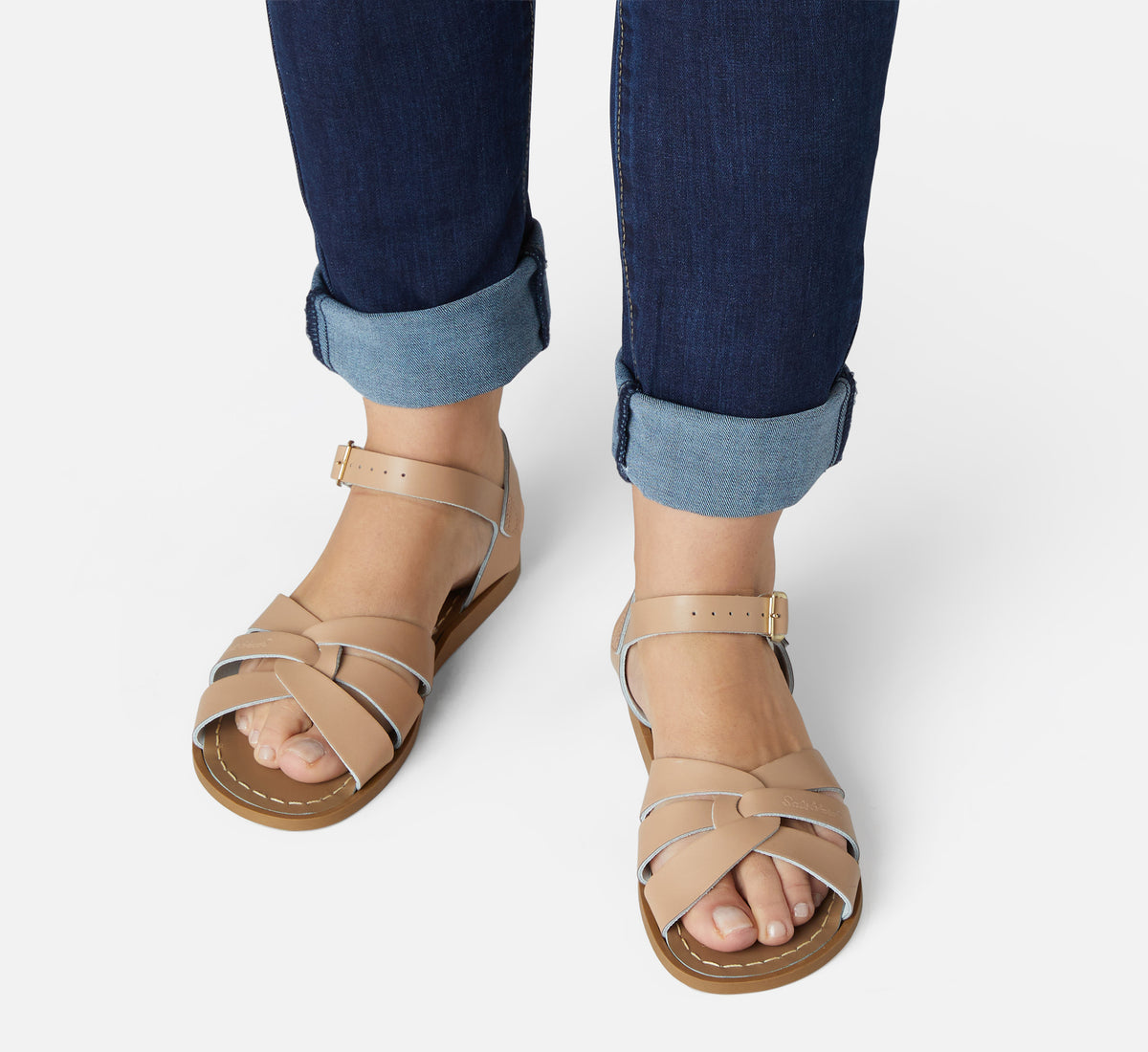
Salt-Water Sandals are leather sandals made by Hoy Shoe Company. The brand is known for sandals that can be worn in and around water. The name is a brand name, not a general term for every water sandal.
The sandals commonly include:
- Water-resistant leather
- A rubber sole
- Adjustable straps
- Metal buckles
- Children’s and adult sizes
- Several colors and sole designs
Water resistance does not mean the sandals are maintenance-free. Salt water, chlorine, sand, and long periods of soaking can still affect leather and metal parts.

How Much Do Adult Salt-Water Sandals Cost?
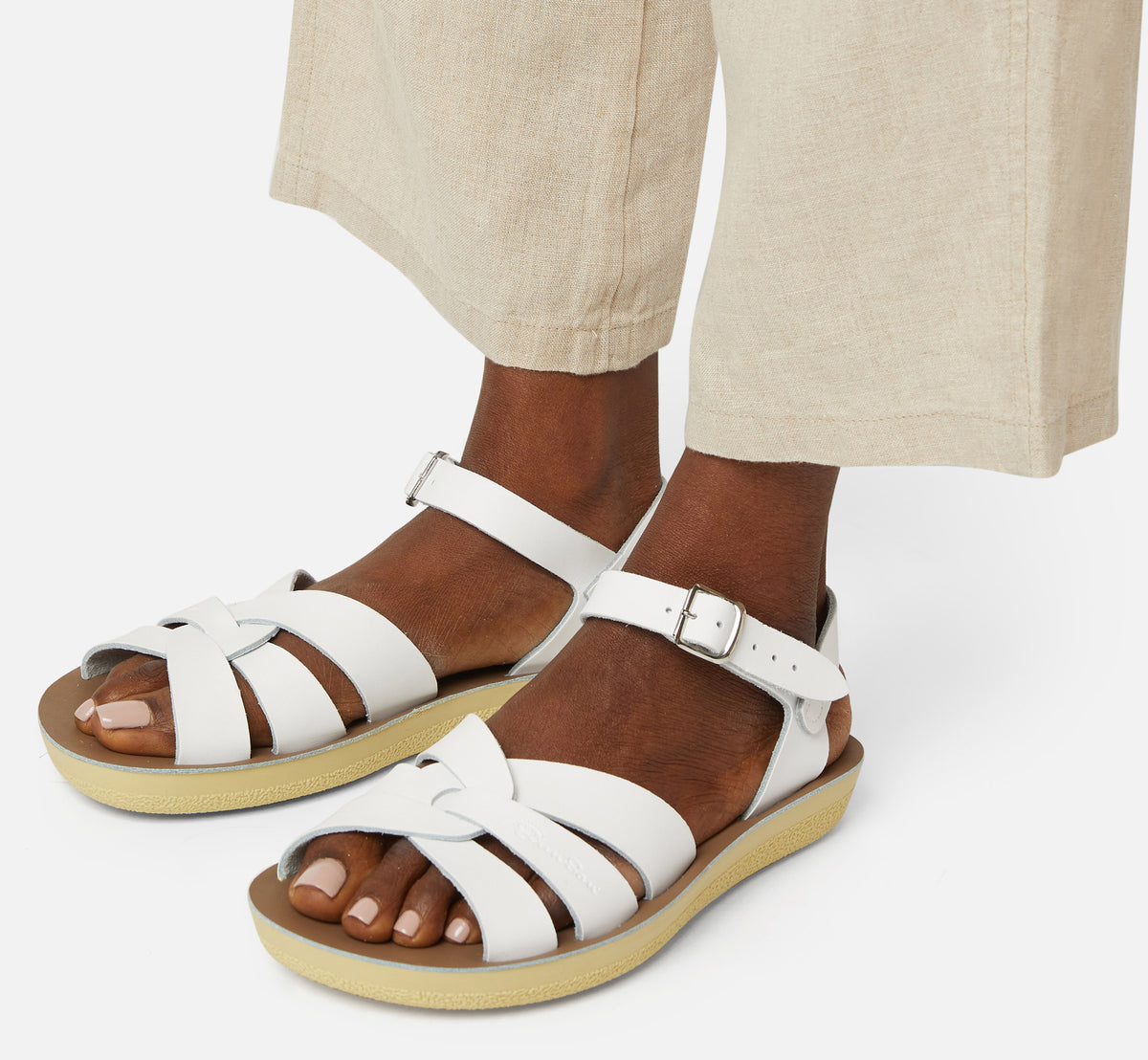
Adult Salt-Water Sandals generally cost $45 to $70 before tax in the U.S. The classic leather styles often cost less than platform or fashion-focused designs.
Here is a useful price guide:
- Classic adult sandals: about $45–$60
- Two-bar or slide styles: about $50–$65
- Platform styles: about $60–$75
- Limited colors or special editions: sometimes more than $70
- Outlet or sale pairs: often $30–$50
A $55 pair may seem like the standard price, but the same style can cost more after shipping and sales tax. For example:
| Item | Example cost |
|---|---|
| Sandals | $55.00 |
| Shipping | $0–$10 |
| Sales tax | Varies by state |
| Estimated total | About $55–$70 |
This is a hypothetical example. Your total depends on the seller and your shipping address.
Adult sizes may also sell out faster than children’s sizes. A popular color can remain at full price while less common colors go on sale. If color matters less than price, checking several colors can save money.
How Much Are Kids’ Salt-Water Sandals?
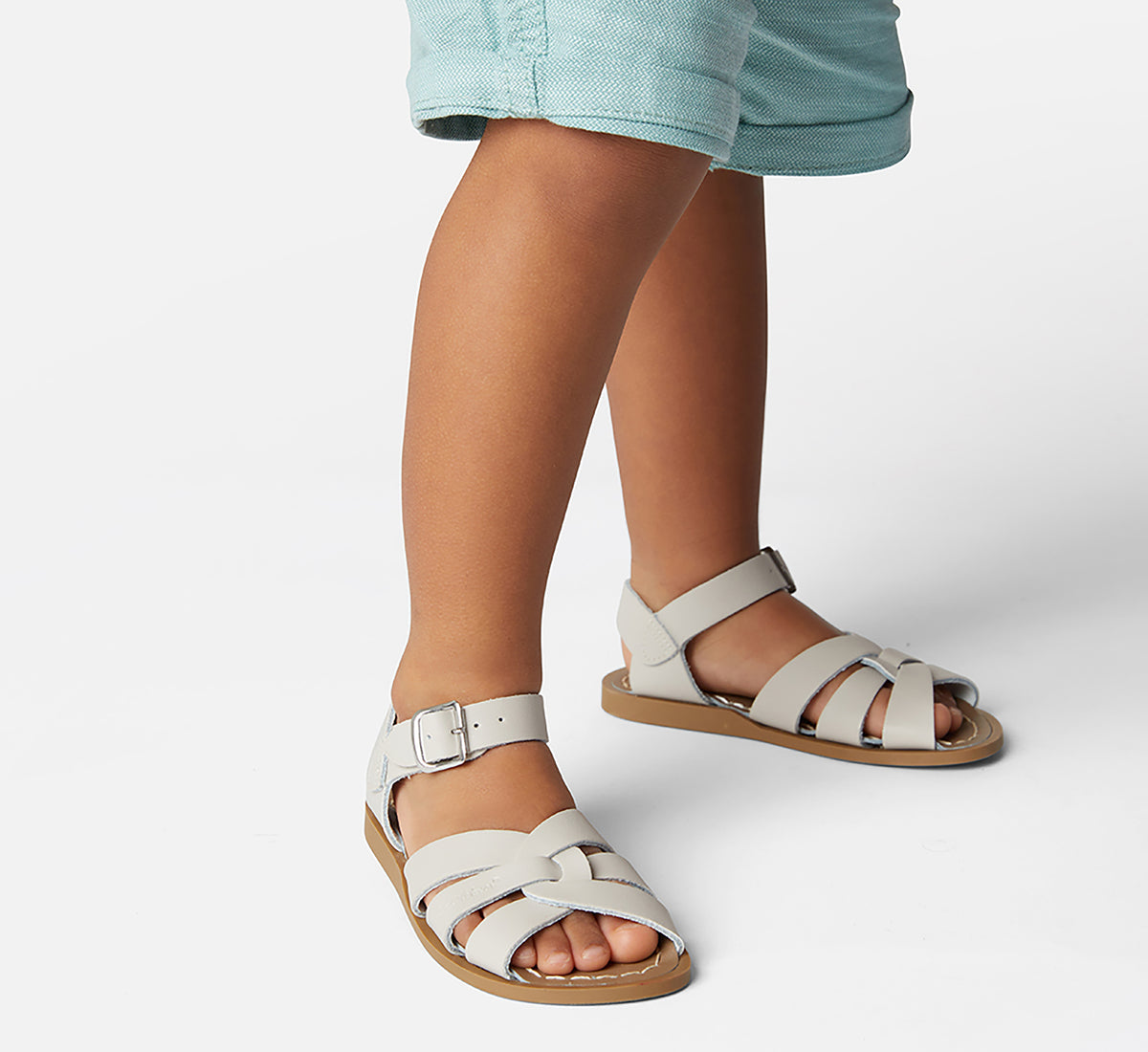
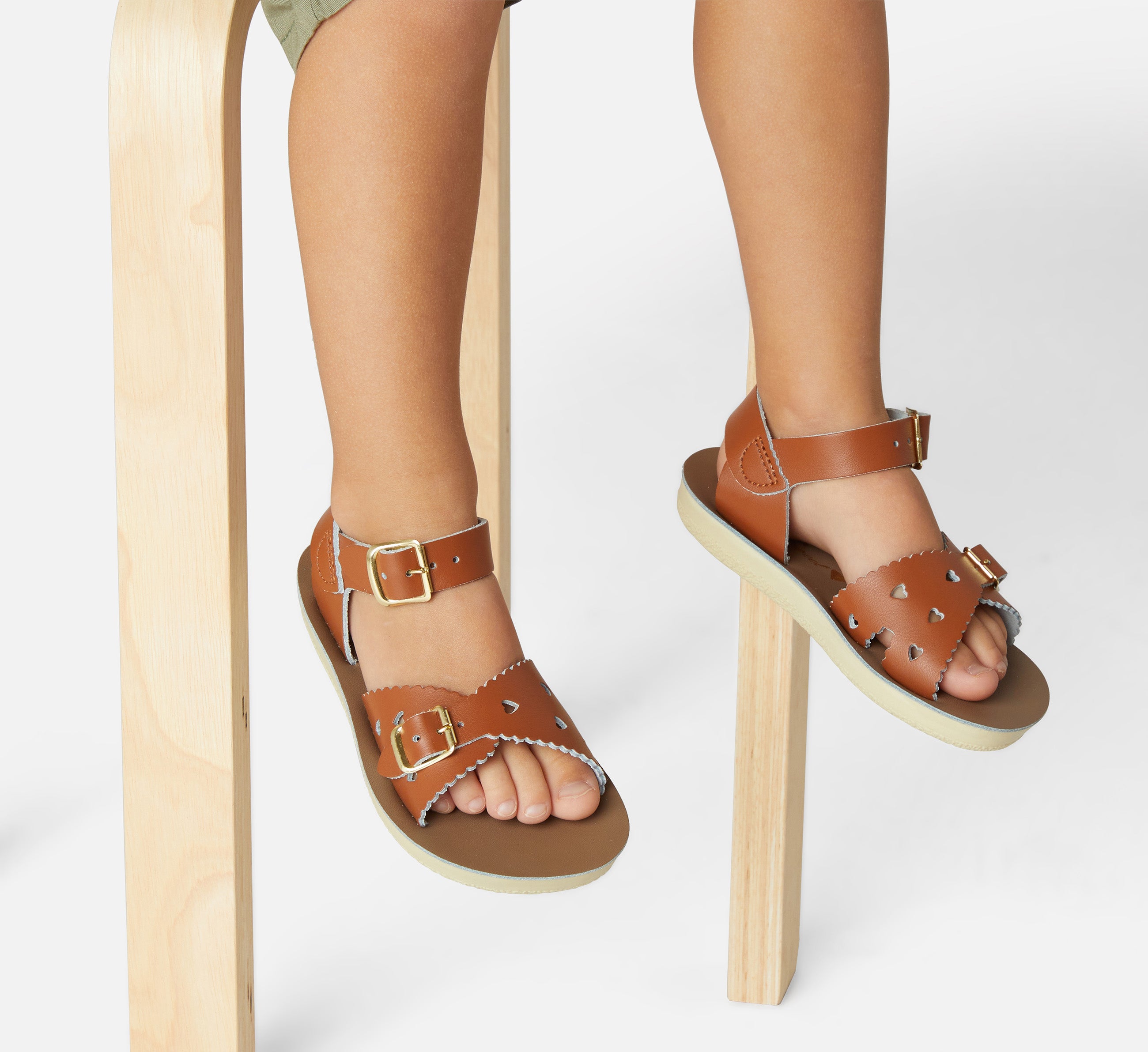
Kids’ Salt-Water Sandals usually cost about $35 to $50 per pair before tax. Smaller sizes may be cheaper, while larger children’s sizes can approach adult prices.
A child’s pair may cost less than an adult pair because the sandal uses less material. However, the price is not based only on size. The style, color, retailer, and season also matter.
Before buying children’s Salt-Water Sandals, check these points:
- Measure both feet. One foot may be slightly longer.
- Leave a small amount of room. The toes should not hang over the front.
- Check the strap position. A strap that rubs can cause blisters.
- Do not buy far too large. Extra room can make a child trip.
- Review the return policy. Children’s feet can grow quickly, but a loose sandal is not always a safe fit.
A lower price is not useful if the sandal does not fit. For growing children, a sale pair may be a good value only when the size is correct and the return rules are clear.

What Changes the Price of Saltwater Sandals?
The biggest price differences come from the style, seller, season, and sale status.
Style and materials
Classic Salt-Water Sandals tend to have a simple leather upper and flat rubber sole. More detailed designs may have:
- A platform sole
- Extra straps
- A different footbed
- Decorative stitching
- A woven or textured upper
- A newer fashion shape
These changes can raise the list price. They do not always make the sandal more comfortable or more durable for every person.
Retailer
The official brand store may show the regular suggested price. Other sellers may offer:
- Temporary discounts
- Free shipping thresholds
- Clearance colors
- Store coupons
- Loyalty discounts
- Seasonal promotions
Compare the final checkout price, not only the product price.
Season
Prices often change during common U.S. shopping periods, such as:
- Spring sandal launches
- Memorial Day sales
- Fourth of July promotions
- Back-to-school sales
- Labor Day clearance
- End-of-summer markdowns
- Black Friday and holiday promotions
A sale can reduce the price, but popular sizes may disappear first. Waiting may save money, or it may leave only colors and sizes you do not want.
Color and size
A basic color may remain available at the regular price. A seasonal color may receive a discount sooner. Size can also affect availability, though sellers do not always discount based on size alone.

Are Salt-Water Sandals Worth the Price?
Salt-Water Sandals can be worth $40 to $70 when you want a leather sandal with a classic look, adjustable straps, and water-friendly construction. They may not be the best value for someone who wants a soft athletic footbed, heavy arch support, or a very low-cost beach shoe.
Consider these trade-offs:
| What you want | How Salt-Water Sandals may fit |
|---|---|
| Classic leather style | Strong fit |
| Adjustable fit | Helpful because of the buckles |
| Casual summer wear | Usually suitable |
| Pool and beach use | Suitable with care |
| High arch support | May not meet your needs |
| Long hikes | Usually not the right design |
| Lowest possible price | Basic rubber sandals may cost less |
| Easy machine washing | Usually not suitable |
The sandals’ water-friendly design is one reason people pay more than they would for basic plastic flip-flops. Still, water resistance is not the same as full waterproofing.
Leather can dry out, stain, or change color. Metal buckles can also show wear when exposed to salt, chlorine, and moisture for long periods.
The best value depends on use. A person who wears the sandals often may get more value from a $55 pair than someone who needs them for one trip.
How to Find Saltwater Sandals for Less
The safest way to save money is to compare authorized sellers and calculate the complete cost.
Use this price-check method
- Search the exact style name.
- Compare the same color and size.
- Check the product price.
- Add shipping and sales tax.
- Review the return policy.
- Confirm that the seller is reputable.
- Compare the final total with the official brand price.
A $42 listing with $12 shipping may cost more than a $50 listing with free shipping. A low price also matters less if returns are not accepted.
Look for these savings options
- End-of-season sales
- Clearance colors
- Retailer coupons
- Free-shipping promotions
- Outlet pages
- Department-store sales
- Secondhand marketplaces
- Lightly worn used pairs
Be careful with unusually cheap new pairs. A price far below the normal U.S. range can indicate a counterfeit item, a damaged return, a missing box, or a seller with weak customer service.
Check product photos for:
- Correct brand markings
- Matching buckles
- Clean stitching
- A consistent sole shape
- A detailed size chart
- Clear seller information
No single visual sign proves authenticity. When the price looks too good to be true, buying from the official brand or a well-known retailer is safer.
What Is the Total Cost After Tax and Shipping?
The total price is:
Product price + shipping + sales tax = final cost
For example, suppose a pair costs $52, shipping costs $7, and the tax rate is 8%.
- Product: $52.00
- Shipping: $7.00
- Taxable subtotal: $59.00
- Estimated tax: $4.72
- Estimated total: $63.72
This example is for illustration only. Tax rules and shipping charges differ across the United States.
Some stores calculate tax on shipping. Others offer free shipping after a minimum order. A return may also cost money if the seller deducts return shipping from your refund.
Before placing an order, confirm:
- Delivery cost
- Delivery time
- Sales tax
- Return shipping
- Refund timing
- Exchange rules
- Whether sale items are final sale
These details can change the real value of a discount.

How to Care for Salt-Water Sandals
Good care can help protect the leather and hardware, especially after beach or pool use.
After wearing the sandals in salt water:
- Rinse off sand and salt with clean water.
- Wipe away dirt with a soft cloth.
- Let the sandals air-dry at room temperature.
- Keep them away from direct heat.
- Do not place them in a dryer.
- Check the buckles and straps before the next wear.
Do not use harsh cleaners unless the brand’s care instructions allow them. Strong chemicals may change the color or finish of the leather.
Let wet sandals dry fully before storing them. Wearing damp leather for long periods may increase odor and wear. If the straps rub, stop wearing the sandals until the fit is corrected. A small fit problem can become a painful blister.
Common Mistakes When Buying Salt-Water Sandals
The most common mistake is comparing only the sticker price.
Other mistakes include:
- Buying from an unknown seller because the discount looks large
- Ignoring shipping and return fees
- Assuming all Salt-Water styles fit the same way
- Choosing a size without measuring the foot
- Buying a loose pair for a child to “grow into”
- Treating water-resistant leather as fully waterproof
- Wearing new sandals for a full day before breaking them in
- Assuming a sale item can be returned
- Choosing a fashion style when you need walking support
Salt-Water Sandals are casual sandals. They may work well for daily summer wear, errands, travel, and light outdoor use. They are not automatically a substitute for hiking sandals, running shoes, or shoes with medical support.
If you have ongoing foot pain, diabetes, reduced sensation, or another condition that affects foot safety, ask a qualified health professional about suitable footwear.