Sneakers are now a normal part of women’s style across the United States. You can wear them with jeans in New York, linen pants in Miami, or a dress at a casual California event. The key is to match the sneaker’s shape, color, and level of polish with the rest of your outfit.
The easiest rule is simple: balance the sneaker with the outfit. Wear slim sneakers with tailored clothes, chunky sneakers with relaxed clothes, and clean leather sneakers when you want a sharper look. Fit comes first. A stylish shoe that pinches, slips, or rubs will not work well for daily wear.

The Quick Answer: How Should Women Wear Sneakers?
Women can wear sneakers with jeans, trousers, skirts, dresses, shorts, leggings, and workwear. Start with the setting, then choose the sneaker style.
- For casual outfits: Try canvas sneakers, classic trainers, or retro running shoes.
- For smart-casual outfits: Choose clean leather sneakers in white, black, cream, or gray.
- For dresses and skirts: Use low-profile sneakers for a neat look or platform sneakers for more contrast.
- For wide-leg pants: Pick sneakers with enough sole height to keep the hem from dragging.
- For athletic outfits: Wear performance shoes made for the activity, not just for style.
- For work: Check the dress code. Minimal sneakers work best in relaxed or business-casual offices.
A simple outfit formula is:
One relaxed piece + one polished piece + one sneaker that connects the colors.
For example, pair straight-leg jeans with a blazer and white sneakers. Or wear a knit dress with a denim jacket and low-profile trainers.
Choose the Right Sneaker Style
The best sneaker style depends on your outfit, your foot needs, and the setting. No single sneaker works for every purpose.
Low-profile sneakers
Low-profile sneakers have a thin or moderate sole and a close shape. They often look best with:
- Straight-leg jeans
- Ankle pants
- Midi skirts
- Casual dresses
– Cropped trousers
They create a clean line from the ankle to the shoe. This makes them useful when you want a simple outfit.
Canvas sneakers and slim leather sneakers are common examples. They may offer less cushioning than a running shoe, so check comfort before wearing them for long periods.
Chunky sneakers
Chunky sneakers have a thick sole and a larger upper. They add weight to an outfit and can make loose clothes look more balanced.
Wear them with:
- Wide-leg jeans
- Cargo pants
- Sweatpants
- Oversized jackets
- Knit dresses
- Mini skirts with an oversized top
A chunky sneaker can look heavy with very delicate clothing. If you wear one with a light dress, repeat the shoe’s weight with a denim jacket, leather bag, or structured coat.
Retro running-style sneakers
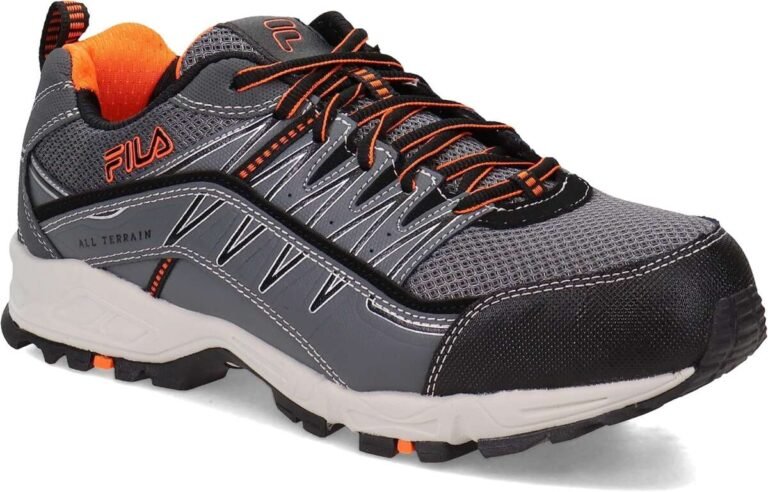
Retro running-style sneakers use athletic details for everyday wear. They often have mesh, suede, nylon, or layered panels.
They work well with:
- Mom jeans
- Straight-leg pants
- Track pants
- Utility trousers
- Simple dresses
- Oversized sweaters
These sneakers are a good choice when you want comfort and visual interest. Use one or two colors from the shoe elsewhere in the outfit so the look feels planned.
Platform sneakers
Platform sneakers add height through a raised sole. They work well with long pants because they can help keep the hem above the ground.
Wear them with:
- Wide-leg jeans
- Maxi skirts
- Long dresses
- Relaxed trousers
- Monochrome outfits
Check the platform’s stability before wearing it for long walks. A taller sole can change how your foot moves and may feel less stable than a flat sneaker.
High-top sneakers
High-tops rise above the ankle. They create a strong visual break, so they work best when the pants leave some space around the shoe.
Try them with:
- Cropped jeans
- Cuffed trousers
- Shorts
- Short skirts
- Casual dresses
Avoid hiding the entire upper under a long, wide pant leg unless that layered look is intentional.
Performance sneakers
Running shoes, walking shoes, and court shoes are built for different movement patterns. A running shoe may be useful for running, but it is not automatically the best shoe for strength training, tennis, or all-day standing.
Use performance shoes for their intended activity when possible. For style outfits, athletic shoes can work, but comfort and function should not be confused with appearance.

Match Sneakers With Jeans and Pants
Jeans and trousers are the easiest place to start. The main factors are the width of the leg, the length of the hem, and the visual weight of the shoe.
Straight-leg jeans
Straight-leg jeans pair with nearly every sneaker type. Try:
- White leather sneakers for a clean outfit
- Retro runners for a relaxed outfit
- High-tops with a cropped hem
- Chunky sneakers for a modern streetwear look
Let the hem sit just above the sneaker or rest lightly on it. Too much fabric can bunch around a slim shoe.
Wide-leg jeans
Wide-leg jeans need a sneaker with enough shape or height to balance the fabric. Platform sneakers, chunky trainers, and classic court shoes often work well.
The hem should not drag on the ground. A tailor can adjust the length, or you can choose a shorter inseam. Cuffing can work with casual denim, but it may look less polished with tailored trousers.
Skinny jeans and leggings
Slim pants show the whole shoe. This makes the sneaker a focal point.
Try:
- Low-profile sneakers for a sleek line
- High-tops for a stronger contrast
- Chunky sneakers when the top is also relaxed
- Clean white sneakers for a simple everyday outfit
Long socks can create a deliberate sporty look. No-show socks create a more exposed ankle. Choose based on comfort and the weather.
Cropped pants
Cropped pants leave the ankle visible. They work well with:
- Low-profile sneakers
- Loafers
- Low-top canvas sneakers
- Minimal leather trainers
If the pants end at an awkward point, try a slightly longer or shorter hem. The goal is to show a small, clean area above the shoe without making the leg look cut off.
Tailored trousers
Sneakers can soften formal trousers. Choose a clean pair with little visible wear.
Good combinations include:
- Black trousers with white sneakers
- Beige trousers with cream sneakers
- Gray trousers with gray or navy sneakers
- Wide-leg trousers with a low platform sneaker
Keep the rest of the outfit neat. A tucked shirt, fitted knit, blazer, or structured bag can help the sneakers look intentional.

Wear Sneakers With Dresses and Skirts
Sneakers make dresses and skirts easier to wear for errands, travel, and casual events. The key is contrast. A feminine dress with a sporty shoe can look fresh, while a simple dress with a clean sneaker can look polished.
Sneakers with casual dresses
Pair sneakers with:
- T-shirt dresses
- Shirt dresses
- Sweater dresses
- Denim dresses
- Cotton day dresses
Low-top sneakers create a light look. Chunky sneakers create more contrast. If the dress is loose, add structure with a belt, denim jacket, or cropped cardigan.
Sneakers with midi dresses
Midi dresses often end between the knee and ankle. A low-top sneaker keeps the outfit light and easy.
For a balanced look:
- Show a small amount of ankle or sock.
- Choose a shoe that does not overpower the dress.
- Add a jacket or bag that repeats the sneaker’s color.
- Keep the dress hem clear of the ground.
A platform sneaker can work with a midi dress, especially when the dress has a bold print or a heavier fabric.
Sneakers with maxi dresses
Maxi dresses cover most of the leg, so the sneaker may only show when you walk. Choose a shoe with enough sole height to keep the hem clean.
Flat sneakers suit lightweight summer dresses. Chunky or platform sneakers suit heavier cotton, denim, or knit dresses. Make sure the dress does not catch under the shoe.
Sneakers with skirts
Sneakers work with mini, midi, and maxi skirts.
- Mini skirts: Try high-tops, retro runners, or chunky sneakers.
- Midi skirts: Use low-profile sneakers for a clean line.
- Pleated skirts: Pair them with simple sneakers and a fitted top.
- Denim skirts: Almost any casual sneaker can work.
- Slip skirts: Choose a clean sneaker to balance the smooth fabric.
Socks change the mood. Bare ankles look light. Crew socks make the outfit more sporty. Sheer socks can soften the contrast.

Build Better Color Combinations
Color makes sneakers look either connected to the outfit or out of place. You do not need an exact color match. You need a visual link.
White sneakers
White sneakers are flexible and easy to style with:
- Blue denim
- Black trousers
- Neutral dresses
- Bright colors
- Soft pastels
Keep them clean enough for the outfit. Scuffed shoes can still work with casual clothes, but they may look too rough with tailored pieces.
Black sneakers
Black sneakers work well with:
- Black jeans
- Gray trousers
- Dark dresses
- Leather jackets
- Monochrome outfits
They can make a light outfit look more grounded. Repeat black in a belt, bag, sunglasses, or jacket for a clear connection.
Neutral sneakers
Cream, beige, taupe, and gray sneakers create a softer effect than stark white or black. They pair well with:
- Brown
- Olive
- Navy
- Denim
- White
- Camel
- Soft pink
Neutral sneakers are useful when you want the outfit to feel calm and less sporty.
Bright or patterned sneakers
Bright sneakers should have room to stand out. Keep the rest of the outfit fairly simple, or repeat one color from the shoe.
For example, if the sneaker has blue and red details, wear it with jeans and a white shirt. This lets the shoe add interest without competing with the entire outfit.
Wear Sneakers for Work and Smart-Casual Events
Sneakers can work at some offices, but dress codes vary across the United States. A creative office in Seattle may have different rules from a law office in Washington, DC, or a client-facing job in Dallas.
For a polished work outfit, choose:
- Clean leather or faux-leather sneakers
- A simple shape
- Neutral colors
- A low or moderate sole
- Minimal logos
- Good condition with no strong odor
Pair them with tailored trousers, a blazer, a knit dress, or a midi skirt. Avoid visibly worn gym shoes, dirty canvas, and loud athletic designs unless the workplace clearly allows them.
Ask these questions before wearing sneakers to work:
- Is the dress code written or informal?
- Do you meet clients or customers?
- Are open shoes restricted?
- Does your workplace require closed-toe footwear?
- Will you walk, stand, or commute for a long time?
If you are unsure, start with a simple leather sneaker and a structured outfit. When the event is formal, choose dress shoes instead.

Pick a Comfortable and Safe Fit
Style should not replace fit. The American Podiatric Medical Association advises consumers to look for shoes that fit well and suit the activity. The National Institute on Aging also includes well-fitting, supportive footwear among practical steps that can help older adults reduce fall risk.
Use this fit check when trying on sneakers:
- Try them on while wearing the socks you plan to use.
- Stand up and walk on a firm surface.
- Check that your toes can move freely.
- Make sure your heel does not lift with each step.
- Look for pressure at the little toe, big toe, and top of the foot.
- Compare both feet. Many people have one foot slightly larger.
- Test the shoe late in the day if your feet tend to swell.
A shoe should feel comfortable at once. Do not rely on a long break-in period for pain, numbness, or strong pressure to disappear.
When to stop wearing a pair
Stop and reassess the sneakers if you notice:
- Blisters that keep returning
- Numbness or tingling
- Sharp pain
- Toe pressure
- Heel pain that worsens
- An unstable feeling
- Pain that changes how you walk
A fashion article cannot diagnose foot pain. If pain continues, affects your daily life, or follows an injury, speak with a qualified health professional.

Choose Socks That Improve the Outfit
Socks affect both comfort and style. They also help reduce friction and absorb moisture.
- No-show socks: Good for low-top sneakers and a bare-ankle look.
- Ankle socks: Useful for casual outfits and many low sneakers.
- Crew socks: Add a sporty detail with shorts, skirts, or cropped pants.
- Ribbed socks: Work well with retro and chunky sneakers.
- Wool-blend socks: Useful in cold US climates, but choose a thickness that does not make the shoe tight.
- Moisture-managing socks: Helpful for exercise and long walks.
The sock should not create pressure inside the shoe. If a thicker sock makes the sneaker tight, use a larger or wider shoe rather than forcing the fit.
Style Sneakers by Season
Spring
Spring outfits benefit from light colors and simple layers. Try white, cream, pastel, or soft gray sneakers with jeans, trench coats, cotton dresses, or cropped trousers.
Watch for rain. Canvas may absorb water, while smooth materials are often easier to wipe clean. Follow the care instructions for the specific shoe.
Summer
Wear sneakers with shorts, linen pants, cotton dresses, and skirts. Low-profile shoes create a light look, while canvas sneakers suit casual outfits.
In hot weather, choose breathable socks and avoid wearing damp shoes for long periods. Rotate pairs when possible so each pair can dry fully.
Fall
Fall is ideal for retro runners, leather sneakers, and high-tops. Pair them with denim, corduroy, sweater dresses, and light jackets.
Brown, olive, burgundy, navy, and cream can connect well with autumn clothing. Use crew socks when you want more warmth or a layered look.
Winter
In cold areas, standard sneakers may not offer enough warmth, traction, or water protection. Look for footwear made for wet or icy conditions when the weather demands it.
Do not treat a regular fashion sneaker as a winter boot. Check the sole, upper material, insulation, and grip. Wet socks and cold feet can quickly turn a stylish outfit into an uncomfortable one.

Common Sneaker Styling Mistakes
Wearing the wrong shoe for the activity
A casual sneaker may not support running, court sports, hiking, or long work shifts. Match the shoe to the movement and surface.
Ignoring the hem length
Long hems can drag on the ground. Very short hems can expose more leg than you expect. Check the full outfit in a mirror before leaving home.
Mixing too many visual weights
A delicate dress, tiny bag, and very large sneaker may look unbalanced. Add one heavier item, such as a jacket or belt, or choose a slimmer shoe.
Treating white as the only option
White is useful, but black, cream, gray, brown, and navy can make an outfit look more connected. Choose the color that supports the whole outfit.
Wearing damaged or dirty sneakers everywhere
Worn shoes can suit casual clothes. They may not suit a work outfit or formal event. Clean the shoes according to the maker’s care instructions.
Buying a painful pair for the look
Pain is not a styling problem to solve with thicker socks or repeated wear. Try a different size, width, shape, or shoe type.

Outfit Formulas You Can Use Today
Use these combinations as starting points, then adjust them to your climate and dress code.
| Outfit | Sneaker choice | Why it works |
|---|---|---|
| Straight-leg jeans and a blazer | Clean white or cream sneakers | The blazer adds polish while the sneakers keep it relaxed |
| Wide-leg trousers and a fitted knit | Platform or substantial sneakers | The shoe balances the wide hem |
| Midi dress and denim jacket | Low-profile sneakers | The simple shoe keeps the dress easy |
| Mini skirt and oversized sweatshirt | Retro runners or high-tops | The sporty shoe matches the relaxed top |
| Black trousers and a white shirt | White leather sneakers | The contrast looks neat and modern |
| Leggings and a long coat | Simple trainers | The coat adds structure to a casual base |
| Linen pants and a tank top | Canvas or light-colored sneakers | The materials suit warm-weather dressing |
| Slip skirt and a sweater | Minimal sneakers | The casual shoe offsets the smooth skirt |
The best sign of success is balance. The outfit should look intentional, and the shoes should feel comfortable enough for the planned day.
Key Takeaways
- Match the sneaker to the setting and activity.
- Balance the shoe’s size with the clothing’s volume.
- Use clean, simple sneakers for smart-casual outfits.
- Check pant length before choosing platforms or flat shoes.
- Let color repeat through a bag, belt, jacket, or top.
- Use the right socks for comfort and style.
- Replace or repair sneakers when fit, grip, or support declines.
- Do not ignore pain, numbness, or repeated blisters.
FAQs
Can women wear sneakers with a dress?
Yes. Sneakers work with casual, midi, maxi, shirt, knit, and slip dresses. Choose a low-profile pair for a light look or a chunky pair when you want stronger contrast.
What sneakers look best with wide-leg jeans?
Platform sneakers, chunky trainers, and substantial low-top sneakers often work well. The shoe should have enough height or visual weight to balance the wide leg. Make sure the hem does not drag.
Are white sneakers still a good choice?
Yes. White sneakers remain easy to pair with denim, trousers, dresses, skirts, and bright colors. They work best when their condition suits the outfit.
Can I wear sneakers to the office?
Sometimes. The answer depends on the workplace dress code, your role, and the event. Clean, neutral leather sneakers are usually more suitable than visibly worn gym shoes in a smart-casual setting.
How should sneakers fit?
Your toes should have room to move, your heel should stay mostly in place, and the shoe should not create sharp pressure or numbness. Try both shoes with your usual socks and walk before deciding.
What sneakers are best for long walks?
Choose walking shoes or other shoes designed for the distance and surface you plan to cover. Look for a stable fit, comfortable cushioning, and enough room for your toes. Fashion sneakers may be fine for short errands but may not suit long walks.
Final Recommendation
Start with one clean, comfortable sneaker in a neutral color. Wear it with straight-leg jeans, tailored trousers, or a casual dress. Once you know which shape feels good and fits your wardrobe, add a chunky, colorful, platform, or seasonal pair.
The most useful sneaker is not the one that follows every trend. It is the one that fits well, suits the setting, and helps your outfit feel like you.

Michael Smith is the Content Strategist behind The Style Hub, where fashion meets function. With a keen eye for trends and a passion for everyday style, he curates content that helps readers make smarter, more stylish choices—from the perfect pair of sneakers to must-have accessories. Michael specializes in breaking down fashion into practical, wearable insights, making style accessible for everyone. When he’s not researching the latest trends, he’s exploring how comfort, innovation, and timeless design come together in modern fashion.